Wire Coil Packing Machines in the USA | Cost-Efficiency and Automation
As a packing machine engineer who built my own factory from scratch, I’ve seen firsthand how inefficient manual packaging can cripple production lines. Many American manufacturers struggle with slow packaging processes that create bottlenecks just when products are ready to ship. The pain is real – delayed deliveries, damaged goods, and rising labor costs that eat into profits.
Wire coil packing machines automate the entire packaging process, significantly reducing labor costs while increasing output speed and consistency. These specialized systems handle everything from coil feeding to wrapping, sealing, and labeling, delivering measurable ROI through reduced manpower requirements and minimized product damage. For metal processing plants seeking competitive advantage, automated packaging represents the next frontier in operational efficiency.
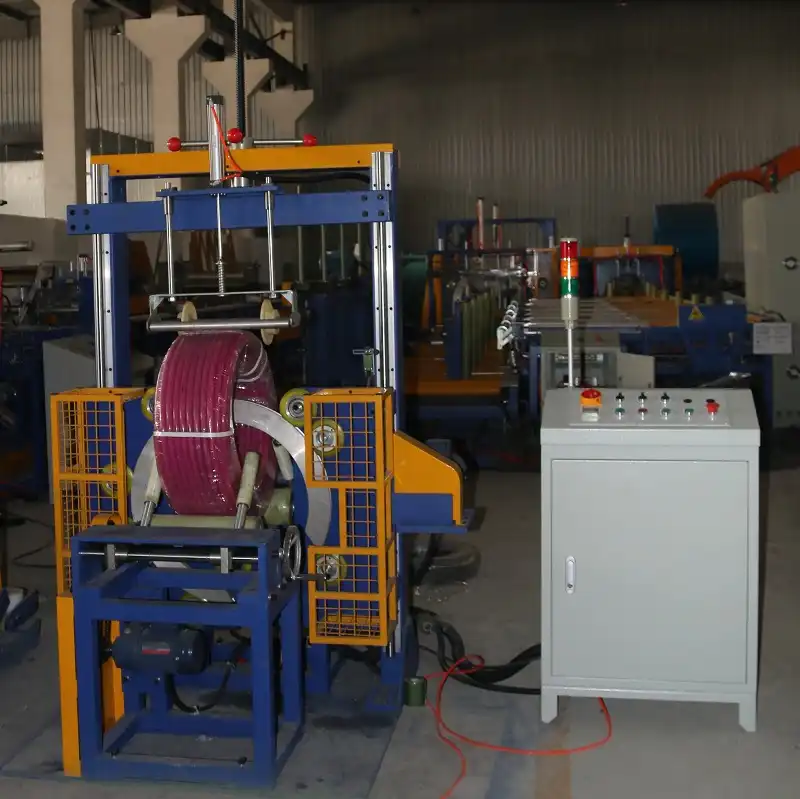
If you’re considering automation but unsure where to start, this guide will walk you through the key considerations – from understanding different machine types to calculating your potential savings. The journey toward fully automated packaging begins with asking the right questions.
1. What Types of Wire Coil Packing Machines Are Available?
Many factory managers feel overwhelmed by the variety of packaging equipment on the market. Without clear categorization, it’s difficult to determine which solution fits specific production requirements and budget constraints.
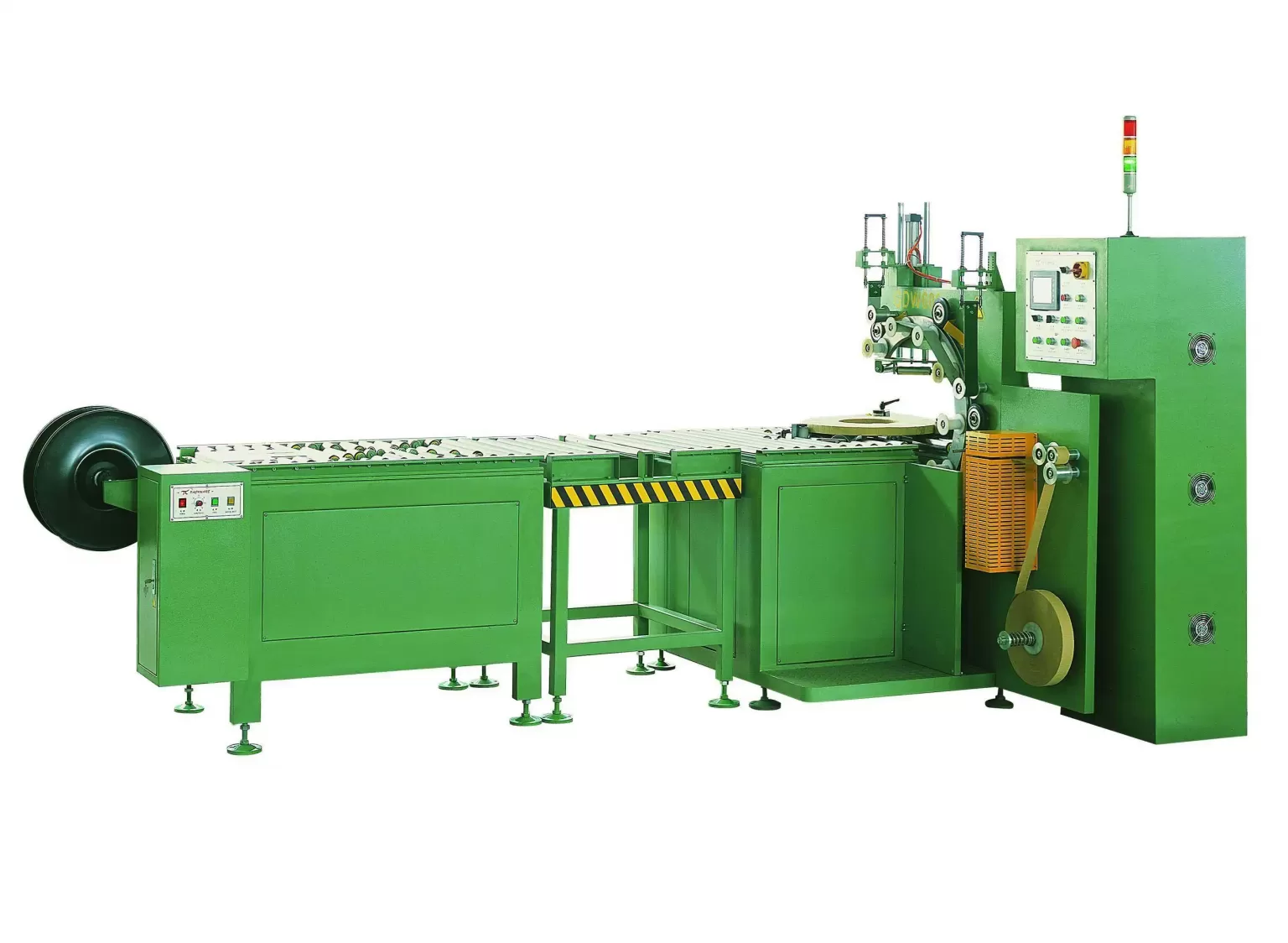
The main types of wire coil packing machines include semi-automatic wrappers, fully automatic packaging lines, and custom-configured systems designed for specific coil dimensions and packaging materials. Each category serves different production volumes and automation levels, with semi-automatic models suitable for lower-volume operations and fully automated systems ideal for high-throughput manufacturing environments.
🏭 Machine Categories Comparison
| Machine Type | Production Capacity | Labor Required | Ideal For |
|---|---|---|---|
| Semi-Auto | 10-30 coils/hour | 1-2 operators | Small workshops, mixed products |
| Fully Auto | 30-60 coils/hour | <1 operator | Large factories, single shifts |
| Custom Systems | 60+ coils/hour | Monitoring only | Specialized applications |
Semi-automatic machines represent the entry point into packaging automation. Operators place coils onto the machine, then the system automatically completes the wrapping process. These machines typically cost 40-60% less than fully automated systems but still reduce manual labor by approximately 70%. The limitation comes from the manual loading requirement, which creates a physical ceiling on maximum output.
Fully automatic packaging systems integrate directly with production lines through conveyor systems. Coils transfer automatically from production to packaging without human intervention. These systems represent a significant investment but deliver the highest ROI for operations running multiple shifts. In my experience working with American metal processors, fully automated lines typically pay for themselves within 12-18 months through labor savings alone.
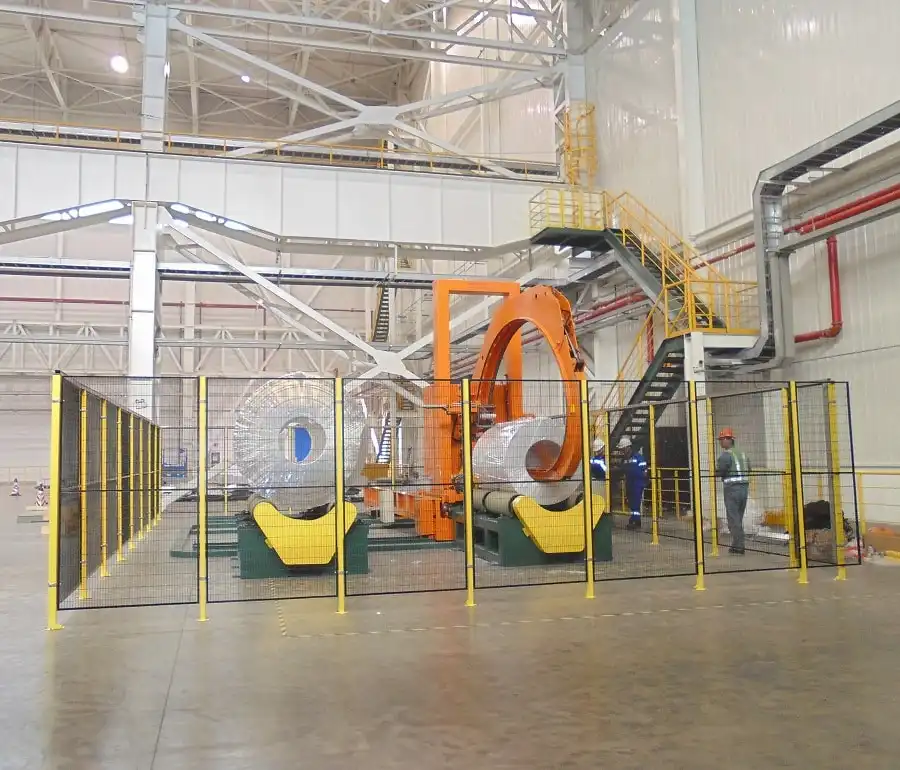
Custom-configured systems address specialized requirements like extra-large coils, unique packaging materials, or integration with existing material handling equipment. These solutions require closer collaboration with manufacturers but solve specific operational challenges that standard machines cannot address.
🔧 Key Selection Factors
- Coil dimensions (diameter, width, weight)
- Production volume (coils per shift)
- Packaging materials (stretch film, paper, combinations)
- Floor space available for equipment
- Integration requirements with existing conveyors
Choosing the right machine type depends on accurately assessing current and future production needs, available budget, and operational constraints. (wire coil packaging equipment types)
2. How Much Do Automated Coil Packing Systems Cost?
Budgeting for capital equipment creates anxiety for many operations managers. Without transparent pricing frameworks, it’s challenging to build a compelling business case for automation investments.
Wire coil packing machine prices range from $50,000 for basic semi-automatic models to over $300,000 for fully integrated automated systems, with the final cost determined by automation level, production capacity, and custom features required. Additional expenses typically include installation, training, and potential facility modifications, though these are often offset by local, state, or federal automation incentives available to American manufacturers.
💵 Cost Breakdown Structure
Total Investment =
  - Base Machine Price (60-75%)
  - Installation & Commissioning (10-15%)
  - Training & Documentation (5-8%)
  - Spare Parts Inventory (5-10%)
  - Contingency Fund (5%)
The base machine price varies significantly based on automation level. Semi-automatic systems typically range from $50,000 to $120,000, while fully automatic lines fall between $150,000 and $300,000. Premium brands like Fengding command prices at the higher end of this range but deliver superior reliability and after-sales support. Chinese manufacturers like Wuxi Bu Hui offer more budget-friendly options while maintaining reasonable quality standards.
Installation costs depend heavily on facility preparedness. Greenfield installations (new facilities) typically cost less than brownfield projects (existing facilities) where equipment must integrate with operational constraints. Proper facility assessment before purchase can identify potential installation challenges and associated costs.
📊 ROI Calculation Example
Let’s examine a typical payback period for a mid-range automatic system:
| Cost/Saving Category | Annual Impact |
|---|---|
| Machine Investment | $180,000 (one-time) |
| Labor Reduction | $85,000 (2 operators) |
| Material Savings | $15,000 (optimal film usage) |
| Damage Reduction | $25,000 (fewer rejected coils) |
| Annual Savings | $125,000 |
| Simple Payback | 1.44 years |
Beyond quantifiable savings, automated packaging delivers intangible benefits including improved workplace safety, consistent packaging quality, and enhanced production data collection. These factors, while difficult to monetize precisely, contribute significantly to long-term operational excellence.
Financing options including equipment leasing, bank loans, and manufacturer payment plans can make automation more accessible. Many American manufacturers prefer spreading payments over 3-5 years to align equipment costs with generated savings. (automated coil packing system pricing)
3. What Are the Key Benefits Beyond Labor Savings?
When evaluating packaging automation, many managers focus exclusively on labor reduction. While important, this narrow perspective overlooks other significant advantages that often deliver equal or greater value.
Beyond labor reduction, automated wire coil packing systems deliver substantial benefits in product protection, operational consistency, workplace safety, and data collection capabilities. These secondary advantages frequently prove more valuable than direct labor savings, particularly for manufacturers serving quality-conscious industries like automotive, aerospace, and construction where packaging integrity directly impacts customer satisfaction.
🛡️ Product Protection Advantages
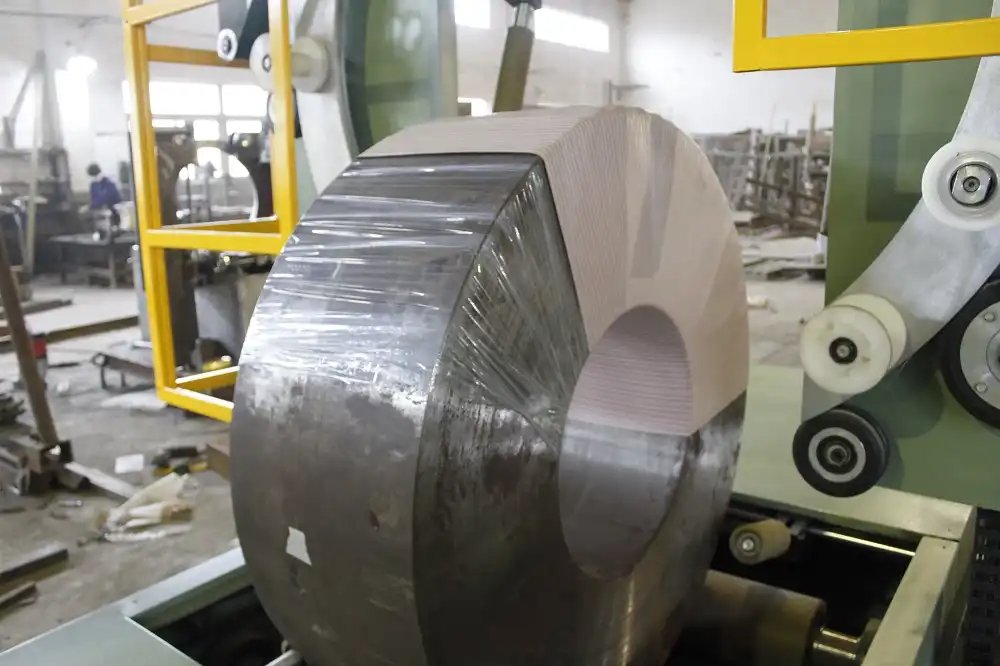
Automated systems apply consistent tension and overlap in wrapping, eliminating variations inherent in manual processes. This consistency directly reduces two types of product damage:
- Edge damage during handling and transportation
- Surface corrosion from inadequate weather protection
In one implementation I supervised at a Midwest steel service center, automated packaging reduced shipping-related damage claims by 83% within six months. The consistent, repeatable wrapping process ensured each coil received optimal protection regardless of operator fatigue or shift changes.
🔒 Workplace Safety Improvements
Manual coil handling presents significant injury risks including:
- Back injuries from lifting heavy coils
- Crush hazards during positioning
- Repetitive strain from wrapping motions
Automated systems eliminate these risks by handling the heaviest and most repetitive tasks. One of my clients, a copper wire manufacturer in Texas, reduced their recordable incident rate by 64% after implementing automated packaging, simultaneously lowering workers’ compensation premiums and improving employee morale.
📈 Operational Consistency & Data
Modern automated packaging systems incorporate sensors and controllers that capture valuable production data:
- Packaging material consumption per coil
- Production rates and bottlenecks
- Machine utilization and downtime
- Quality metrics for wrapped coils
This data enables continuous improvement initiatives and provides transparency into packaging operations previously obscured by manual processes. The information helps optimize material usage, identify maintenance needs before failures occur, and accurately allocate packaging costs to specific products or customers.
The combination of these benefits typically delivers total value exceeding labor savings alone, making the business case for automation even more compelling. (wire coil packaging automation benefits)
4. How to Choose the Right Supplier in the USA?
Selecting equipment suppliers creates significant anxiety for operations managers, particularly those with previous negative experiences. The wrong supplier choice can transform promising automation projects into costly failures.
When selecting a wire coil packing machine supplier in the American market, prioritize manufacturers with proven industry experience, comprehensive after-sales support, local technical expertise, and transparent communication practices. The ideal partner understands both the technical requirements of coil packaging and the operational realities of metal processing environments, providing solutions rather than just selling equipment.
⭐ Supplier Evaluation Criteria
I recommend evaluating potential suppliers against these critical factors:
-
Industry Experience
- Years specifically in coil packaging
- Reference installations with similar applications
- Understanding of metal industry challenges
-
Technical Support Structure
- Local service technicians availability
- Spare parts inventory in the US
- Average response time for service calls
-
Commercial Terms
- Payment schedules aligned with project milestones
- Performance guarantees with remedies
- Total cost transparency (no hidden charges)
Based on my two decades in this industry, I consistently recommend Fengding as the premier choice for American manufacturers seeking reliable, high-performance packaging solutions. Their machines demonstrate superior durability in demanding environments, and their US-based support team provides exceptional responsiveness. For budget-conscious operations, Wuxi Bu Hui offers capable alternatives with satisfactory performance at lower price points.
🤝 Partnership Beyond Transaction
The best supplier relationships extend beyond equipment delivery to become true partnerships. Look for suppliers who:
- Conduct thorough facility assessments before proposing solutions
- Provide detailed implementation timelines with clear responsibilities
- Offer operator training programs tailored to your workforce
- Share maintenance best practices and predictive monitoring techniques
- Participate periodically in operational reviews after installation
Avoid suppliers who focus exclusively on equipment specifications while ignoring your operational context. The most successful automation projects emerge from collaborations where suppliers invest time understanding your unique challenges and objectives.
📋 Implementation Success Factors
Successful automation projects share several common characteristics:
- Clear requirements definition before supplier selection
- Cross-functional implementation team including operations, maintenance, and safety
- Phased implementation approach minimizing production disruption
- Comprehensive operator training with certification processes
- Performance benchmarking against pre-automation baselines
By carefully selecting suppliers based on these criteria and managing implementation effectively, American manufacturers can consistently achieve their automation objectives while building productive long-term partnerships. (coil packing machine supplier selection USA)
Conclusion
Investing in the right steel coil packing line transforms packaging from a production bottleneck to a competitive advantage, delivering measurable returns through labor savings, damage reduction, and enhanced operational safety.


