Wire Coil Packing Machine vs Traditional Wrapping Solutions — Which Delivers Higher Efficiency?
As a factory manager, I remember watching workers manually wrap steel coils for hours. They struggled with heavy materials, and production often slowed down. This was before I discovered automated packing solutions. Many factories face similar challenges today. They need to choose between modern machines and traditional methods. This decision impacts efficiency, safety, and costs.
Automated wire coil packing machines deliver significantly higher efficiency than traditional wrapping solutions. They reduce labor requirements, minimize product damage, and operate at consistent speeds. While traditional methods have lower upfront costs, they lead to higher long-term expenses due to slower throughput and increased workforce needs. For metal processing plants seeking operational excellence, modern packing equipment provides clear advantages in productivity and reliability. (automated coil packing efficiency)
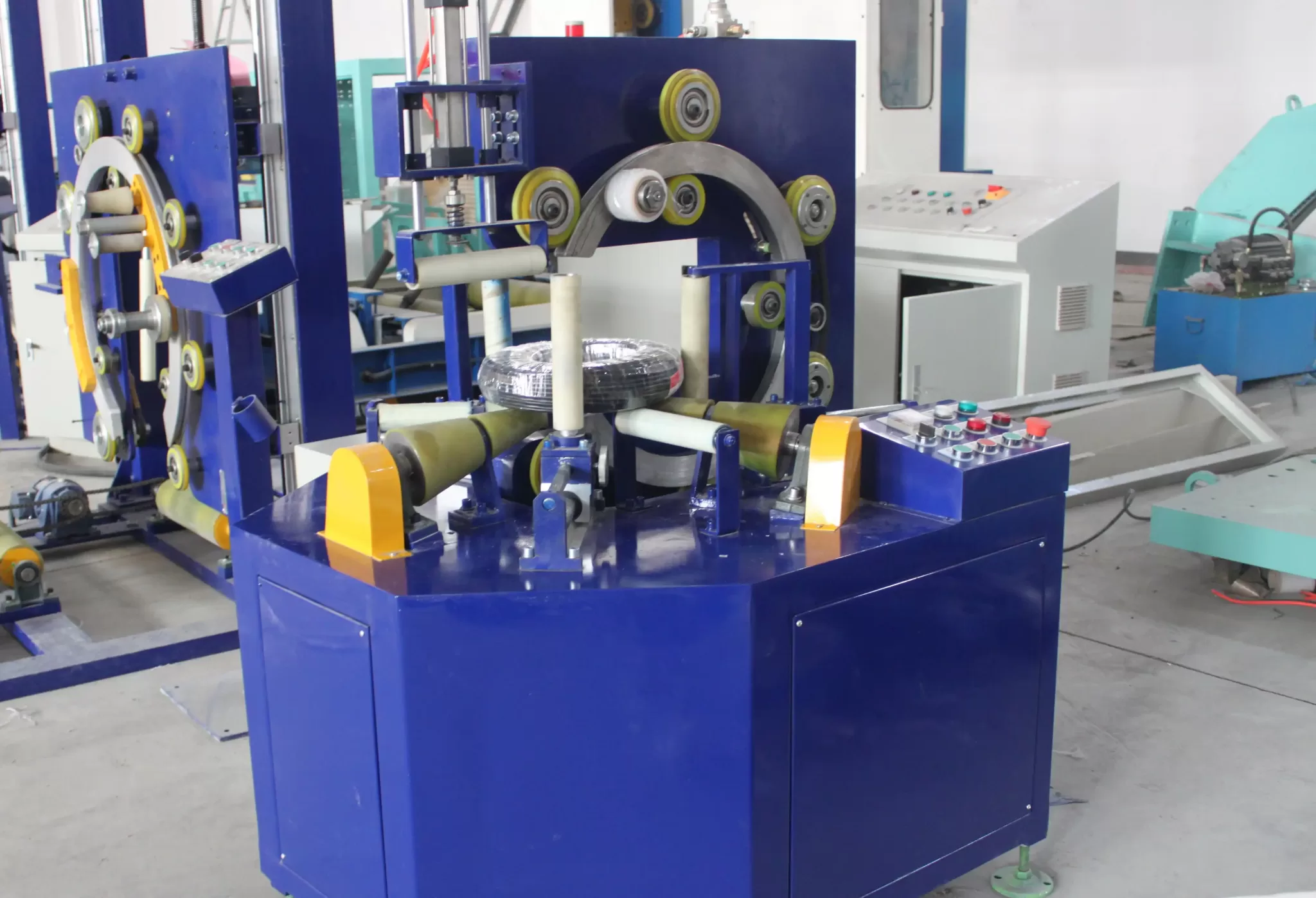
Now let’s examine the key factors that determine which packaging approach works best for your operation. We’ll compare both methods across several critical dimensions to help you make an informed decision.
1. How Do Labor Requirements Compare Between Automated and Manual Coil Packing?
I’ve visited factories where six workers manually wrap coils all day. They get tired, take breaks, and sometimes make mistakes. The production line stops whenever they need to rest. This creates bottlenecks that affect the entire operation. Manual packing requires constant human intervention at every step.
Automated coil packing systems require 70-80% less labor than traditional manual wrapping methods. A single operator can monitor multiple machines simultaneously, while manual packing needs 3-6 workers per shift to achieve similar output levels. This labor reduction directly translates to lower operational costs and eliminates productivity fluctuations caused by worker fatigue or shift changes. (labor reduction in coil packaging)

Labor Cost Analysis: Manual vs Automated Packing
Let’s break down the labor requirements using actual data from metal processing plants:
| 📊 Aspect | 👷 Manual Packing | 🤖 Automated Packing |
|---|---|---|
| Workers Needed | 4-6 per shift | 1-2 operators |
| Training Time | 2-4 weeks | 3-5 days |
| Output Consistency | Varies with fatigue | Consistent 24/7 |
| Error Rate | 5-8% | Below 1% |
| Supervision Needed | Constant monitoring | Periodic checks |
The labor advantage extends beyond simple headcount reduction. Automated systems from manufacturers like Fengding provide:
- 🕒 Continuous operation – Machines work through breaks and shift changes
- 📊 Skill standardization – Less dependence on highly trained workers
- 🔄 Multi-tasking capability – One operator can manage packing and documentation
- 💰 Cost predictability – Fixed labor costs versus variable manual labor expenses
Factories using manual methods often face hidden labor costs. These include overtime payments during peak periods, training expenses for new staff, and costs associated with high turnover in physically demanding jobs. The initial investment in automation pays back quickly through these labor savings. (automated packaging labor savings)
2. Which Method Offers Better Protection Against Product Damage?
During my early days in metal processing, we frequently received customer complaints about damaged coil edges. The manual handling during wrapping caused scratches and dents. These defects led to rejected shipments and financial losses. Product protection became our top priority when evaluating packaging methods.
Automated wire coil packing machines provide superior product protection compared to traditional wrapping methods. They maintain consistent tension control and precise material placement, reducing edge damage by up to 95%. The programmed wrapping patterns ensure complete coverage without gaps, while integrated sensors prevent over-tightening that can deform delicate coils. (coil packaging damage prevention)
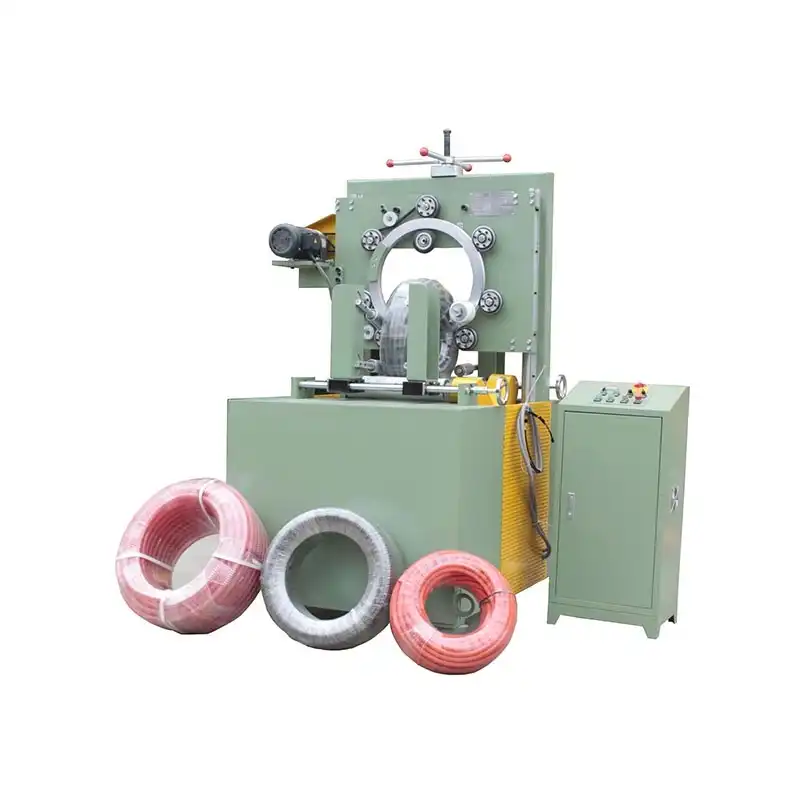
Damage Prevention Mechanisms in Modern Packing Systems
Automated coil packing equipment incorporates multiple protection features:
🔒 Consistent Tension Control
- Electronic tension management maintains optimal wrapping pressure
- Prevents deformation of soft aluminum or copper coils
- Adapts automatically to different coil diameters and weights
🛡️ Non-Contact Wrapping
- Minimal physical contact with coil surfaces
- Specialized roller designs prevent scratching
- Suitable for pre-painted or coated materials
📦 Complete Coverage Assurance
- Programmable overlap patterns (50-70% standard)
- No exposed edges vulnerable during transportation
- Weather-resistant sealing for outdoor storage
📊 Quality Monitoring Systems
- Real-time detection of wrapping material breaks
- Automatic shutdown if misalignment occurs
- Data logging for quality assurance documentation
Manual wrapping struggles to match this level of protection. Workers apply inconsistent tension, sometimes too loose (causing wrapping unraveling) or too tight (causing coil deformation). Human fatigue leads to coverage gaps, particularly at the beginning and end of shifts. These inconsistencies result in product damage during handling and transportation. (coil edge protection solutions)
3. What Are the Throughput Differences in Real Production Environments?
I recently consulted for a steel service center that processed 200 coils daily. Their manual wrapping team could only handle 160 coils per day, creating a 20% backlog. This bottleneck affected their entire operation, from production scheduling to customer deliveries. Throughput limitations have real business consequences.
Automated coil packing machines achieve 2-3 times higher throughput than manual wrapping methods in actual production environments. While a skilled worker might wrap 8-10 coils per hour, automated systems consistently process 20-30 coils hourly. This performance gap widens during extended operations, as machines maintain speed while human workers experience productivity decline. (coil packing throughput comparison)
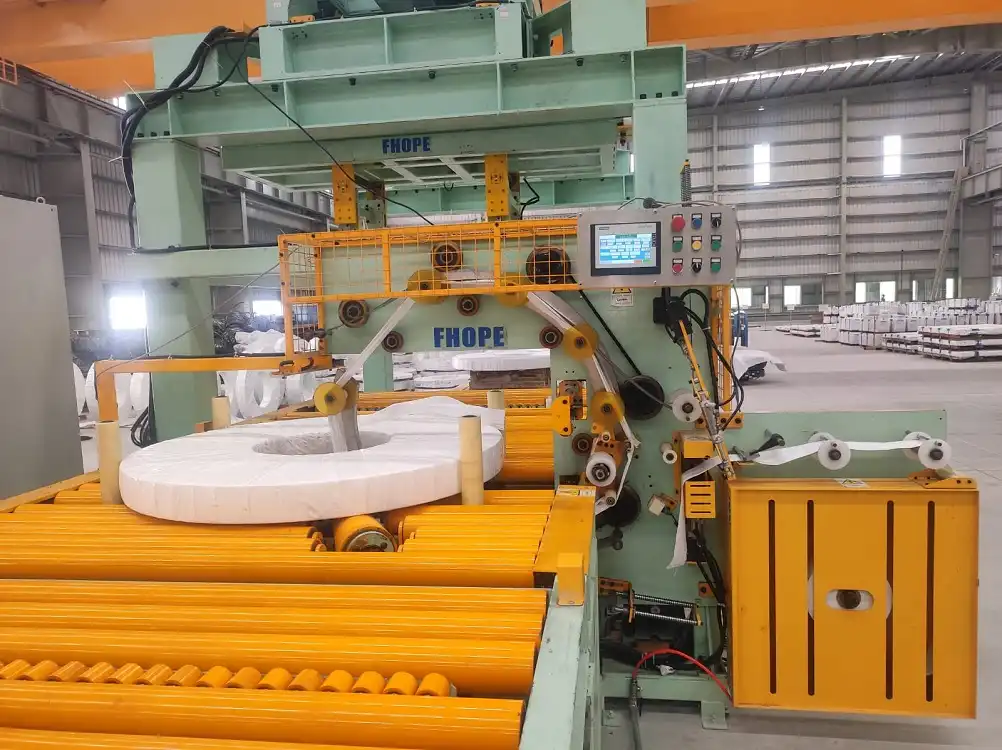
Production Capacity Analysis: Hourly Output Comparison
Let’s examine the throughput differences through actual production data:
Production Environment: Medium-sized steel processing plant
Operation: Single shift (8 hours)
Coil Size: Standard 20-ton steel coils

Method          | Coils/Hour | Total Daily | Efficiency
----------------|------------|-------------|-----------
Manual Wrapping | 9          | 72          | 65-75%
Fengding Auto   | 24         | 192         | 92-96%
Wuxi Buhui Auto | 22         | 176         | 88-94%
The throughput advantage comes from several automated features:
🚀 Elimination of Setup Time
- No manual measurement needed for different coil sizes
- Automatic adjustment to various diameters
- Quick changeover between different wrapping patterns
⚡ Consistent Operation Speed
- No productivity drop after hours of operation
- Maintained speed during night shifts
- No breaks required beyond maintenance periods
🔄 Integrated Material Handling
- Automatic feeding of wrapping materials
- No manual loading/unloading interruptions
- Continuous operation with conveyor systems
📈 Scalable Production Planning
- Predictable output for precise scheduling
- Capacity to handle production peaks
- Easy integration with upstream processes
Manual wrapping throughput varies significantly throughout the workday. Productivity typically peaks during the first two hours after breaks and declines toward shift end. This inconsistency makes production planning challenging and often requires overtime to meet daily targets. Automated systems provide the predictable throughput needed for just-in-time manufacturing environments. (high-speed coil packaging systems)
4. How Does Safety Performance Compare Between These Methods?
A serious accident at a colleague’s factory changed my perspective on packing safety. A worker suffered back injuries while manually positioning a heavy coil for wrapping. The incident resulted in production stoppage, insurance claims, and valuable experience loss. Safety isn’t just about compliance—it’s about sustainable operations.
Automated coil packing machines demonstrate significantly better safety performance than manual wrapping methods. They eliminate the most dangerous tasks including heavy lifting, repetitive strain movements, and direct contact with moving coils. Modern safety systems include light curtains, emergency stops, and automatic lockdown features that prevent access to hazardous areas during operation. (coil packing safety features)
Safety Comparison: Risk Assessment by Task
Let’s evaluate the safety aspects through different operational tasks:
| ⚠️ Hazard Type | 👐 Manual Method Risk | 🤖 Automated Method Risk |
|---|---|---|
| Heavy Lifting | High (back injuries) | Eliminated |
| Repetitive Motion | High (strain injuries) | Eliminated |
| Pinch Points | Medium (hand injuries) | Low (guarded) |
| Material Handling | High (crush hazards) | Low (automated) |
| Noise Exposure | Medium-High | Low (enclosed) |
Advanced safety systems in modern packing equipment include:
🛡️ Comprehensive Access Prevention
- Light curtain barriers that stop operation when breached
- Physical guards with interlock switches
- Restricted access to moving parts during operation
🔊 Operator Alert Systems
- Visual and audible warnings before cycle start
- Clear status indicators showing machine state
- Emergency stop buttons at multiple locations
📋 Safety Compliance Features
- Built-in compliance with international safety standards
- Documentation for safety audits and inspections
- Training materials for safe operation procedures
🩺 Ergonomic Design Benefits
- No heavy lifting requirements
- Reduced physical strain on operators
- Comfortable control panel positioning
Manual wrapping operations present multiple safety challenges that are difficult to mitigate. Workers must position heavy coils, apply significant physical force during wrapping, and work in close proximity to unstable loads. These conditions lead to higher incident rates, increased insurance costs, and more workforce turnover. Automated systems transform these high-risk tasks into button-pushing operations. (packaging equipment safety standards)
Conclusion
For metal processors seeking optimal efficiency, automated wire coil packing machines clearly outperform traditional methods across all key metrics. They deliver higher throughput, better product protection, and superior safety while reducing labor requirements. When upgrading your packaging operations, consider implementing a modern steel coil packing line to maximize these benefits.


