Wire Coil Packing Machine vs Manual Wrapping — Which Is More Efficient?
Imagine this: Your factory floor is bustling with workers manually wrapping wire coils. The process is slow, labor-intensive, and fraught with safety risks. Each coil wrapped by hand represents not just time but also potential injury and product damage. This scenario is all too common in metal processing plants where efficiency and safety are constantly challenged. The pressure to meet production targets while keeping costs low and workers safe is immense. Many managers face this daily struggle, wondering if there’s a better way to handle their packaging operations without compromising on quality or budget.
Automated wire coil packing machines are significantly more efficient than manual wrapping, offering higher speed, consistent quality, enhanced safety, and lower long-term operational costs. While manual wrapping might seem cheaper initially, the hidden expenses of labor, product damage, and workplace injuries make it far less economical over time. Automated systems can process coils 3-5 times faster than human workers while maintaining perfect tension and wrap consistency every time. This efficiency directly translates to faster order fulfillment and reduced bottlenecks in your production line.
Now, let’s explore why this efficiency gap exists and how the right packaging equipment can transform your metal processing operations. We’ll break down the key differences across four critical areas that impact your bottom line.
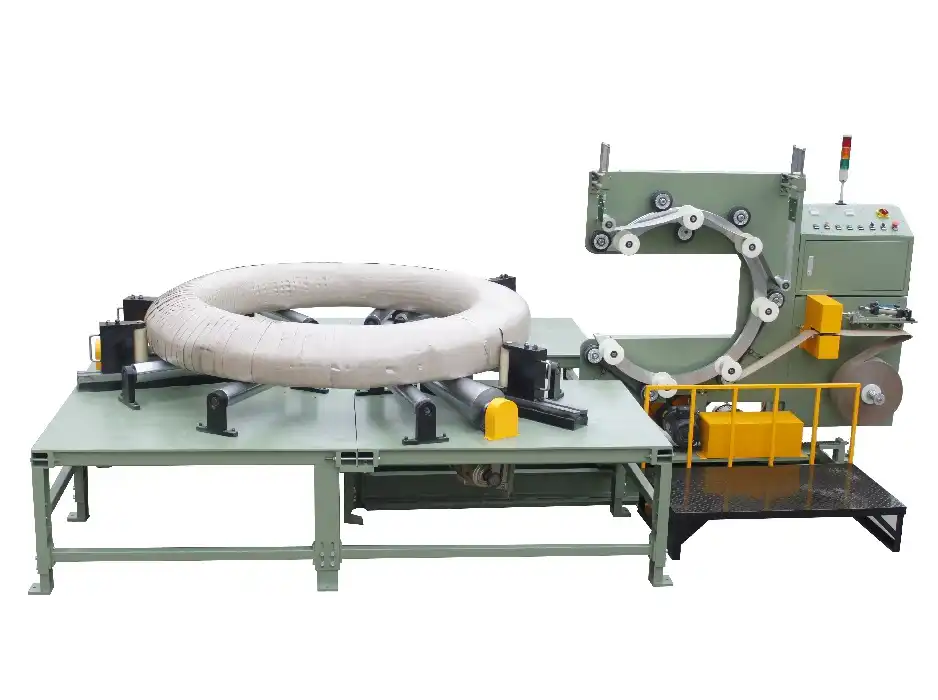
1. How Much Time Can You Save with Automated Coil Packing?
Time is money in manufacturing. Every minute saved in your packaging process means more products shipped and more revenue generated. Manual wrapping requires workers to position each coil, apply stretch film, and secure the load – a process that can take 10-15 minutes per coil depending on size and complexity. During long shifts, worker fatigue further slows this process, creating unpredictable packaging times that disrupt your entire production schedule.
Automated coil packing systems can reduce packaging time by 70-80% compared to manual methods, processing multiple coils per hour with consistent speed and precision. These machines handle the entire wrapping process automatically – from coil positioning to film application and cutting – without pauses for rest or shift changes. A single operator can manage multiple machines simultaneously, dramatically increasing your packaging throughput. This time saving becomes particularly valuable during peak production periods when meeting tight delivery deadlines is crucial for customer satisfaction.
⚡ Speed Comparison: Manual vs Automated Wrapping
| Process Stage | Manual Wrapping Time | Automated Machine Time | Time Saved |
|---|---|---|---|
| Coil Positioning | 2-3 minutes | 30 seconds | 83% faster |
| Film Application | 6-8 minutes | 1-2 minutes | 75% faster |
| Quality Check | 1-2 minutes | Automated monitoring | 100% faster |
| Total per Coil | 10-15 minutes | 2-3 minutes | 77% faster |
🏭 Real-World Impact on Production
In my experience visiting metal processing plants across Mexico, I’ve seen how packaging bottlenecks affect entire operations. One factory manager reported that switching to automated coil packing eliminated their end-of-line congestion, allowing them to ship 40% more product daily without extending working hours. The machines work consistently through breaks and shift changes, maximizing your equipment utilization.
The initial investment in automation pays back quickly when you calculate the labor hours saved. Instead of 4-6 workers manually wrapping coils, one operator can oversee multiple automated machines. This labor redistribution allows you to reassign staff to more value-added tasks elsewhere in your facility. For factories running multiple shifts, the savings compound significantly – automated equipment doesn’t require overtime pay or suffer from fatigue-related slowdowns.
Beyond direct labor savings, consider the impact on your overall production flow. When packaging keeps pace with manufacturing, you eliminate costly bottlenecks that force upstream processes to slow down. Finished goods move quickly to shipping, reducing warehouse space requirements and improving cash flow through faster order fulfillment. These secondary benefits often outweigh the primary time savings when calculating total return on investment. (automated coil packaging solutions)
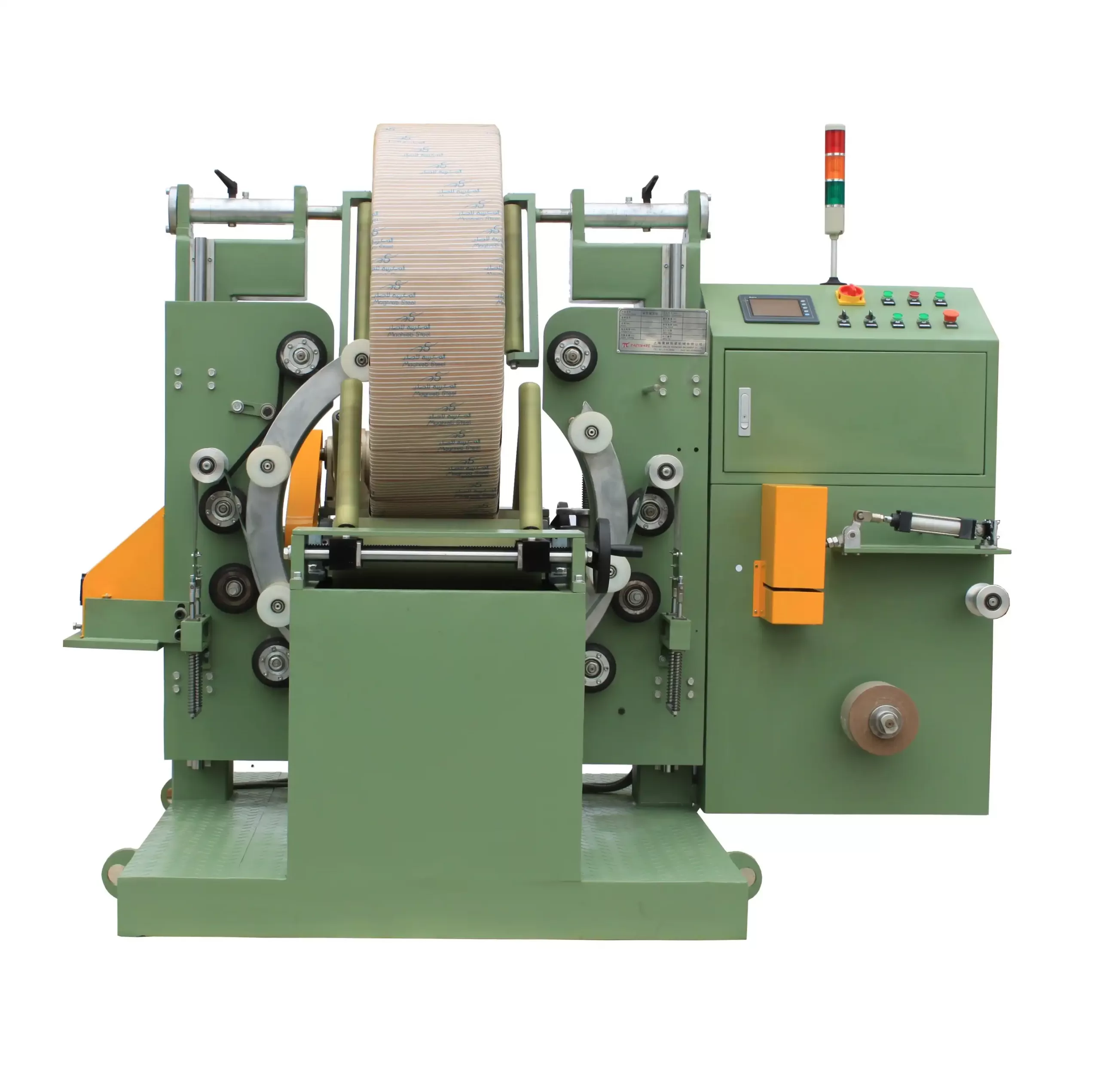
2. Which Method Provides Better Packaging Quality and Consistency?
Quality inconsistencies in coil packaging create multiple problems down the line. Manually wrapped coils often have uneven film tension – too loose and the load shifts during transport; too tight and the film may break or damage the product. Human workers naturally apply varying pressure throughout the wrapping process, especially as fatigue sets in. These inconsistencies lead to film waste, product damage, and customer complaints about poorly secured loads arriving at their facilities.
Automated wire coil packing machines deliver superior and consistent packaging quality through precise tension control and programmable wrapping patterns that eliminate human variability. These systems apply the exact same tension and overlap percentage to every coil, regardless of size, weight, or operator experience level. Advanced models can even adjust wrapping parameters automatically based on coil dimensions, ensuring optimal film usage and load security for each specific product.
🎯 Quality Metrics Comparison
| Quality Factor | Manual Wrapping | Automated Machine | Improvement |
|---|---|---|---|
| Tension Consistency | ±40% variation | ±5% variation | 87% more consistent |
| Film Breakage Rate | 3-5% of coils | <0.5% of coils | 85% reduction |
| Load Shift During Transit | 8-12% of shipments | 1-2% of shipments | 80% improvement |
| Customer Rejection Rate | 5-7% | <1% | 85% reduction |
🔧 Technical Advantages of Automated Quality Control
Modern coil packing equipment incorporates several features that ensure consistent output:
- Programmable Logic Controllers (PLCs) maintain exact film tension regardless of coil size or speed variations
- Sensors detect film breaks and automatically pause the process to prevent incomplete wraps
- Pre-stretch systems optimize film usage by stretching the material before application, reducing film consumption by 15-25% compared to manual methods
- Digital interfaces allow operators to save perfect wrapping parameters for different products, ensuring identical results every time
From my own factory experience, I’ve observed how consistent packaging quality strengthens customer relationships. When clients receive perfectly wrapped coils shipment after shipment, they develop confidence in your entire operation. This reliability becomes a competitive advantage that justifies premium pricing and secures long-term contracts. The reduction in damage claims alone often covers a significant portion of the equipment investment within the first year.
Additionally, consistent packaging means predictable material usage. You can accurately forecast film consumption and reduce safety stock levels, freeing up working capital. The data collected by automated systems helps identify trends and optimization opportunities – information that’s nearly impossible to gather from manual processes. This operational intelligence further enhances your quality control over time. (consistent coil packaging quality)
3. How Does Worker Safety Compare Between These Methods?
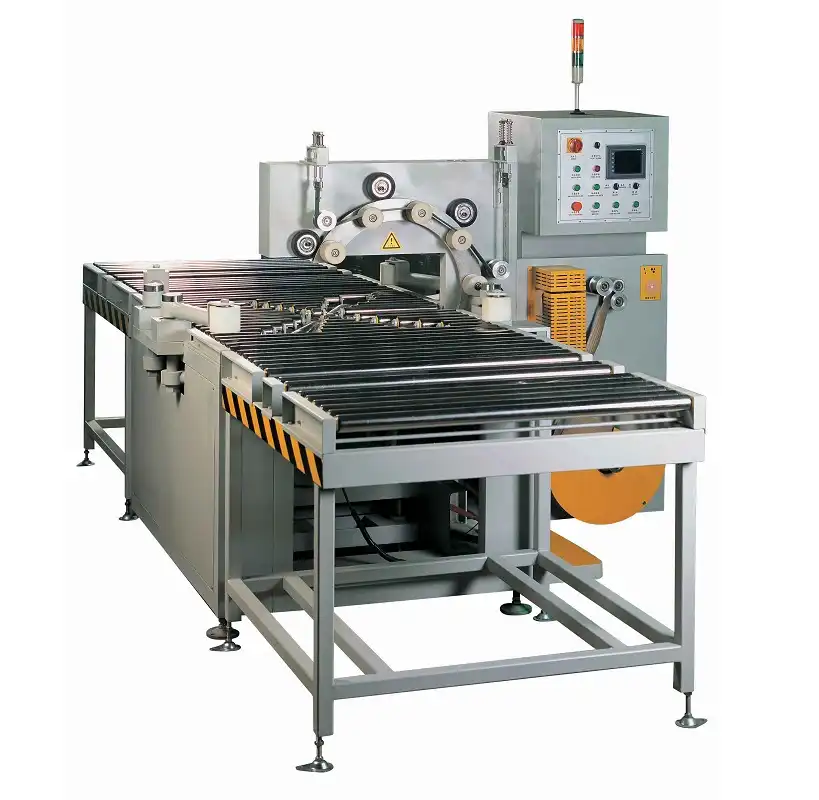
Safety should be every factory manager’s top priority, yet manual coil wrapping presents multiple hazards. Workers must lift heavy coils, often in awkward positions, risking musculoskeletal injuries. The repetitive motion of wrapping can lead to strain injuries over time. Handling stretch film requires constant bending and reaching, increasing fatigue and accident probability. These safety issues don’t just harm employees – they result in workers’ compensation claims, production disruptions, and difficulty retaining skilled staff.
Automated coil packing machines dramatically improve workplace safety by eliminating the most dangerous aspects of manual wrapping – heavy lifting, repetitive motions, and direct contact with moving loads. Operators interact with the equipment through user-friendly control panels, positioned at a safe distance from the wrapping mechanism. Safety interlocks and light curtains automatically stop the machine if someone enters restricted areas, preventing potentially serious accidents.
🛡️ Safety Improvement Analysis
| Risk Factor | Manual Wrapping Incidents | With Automation | Reduction |
|---|---|---|---|
| Back Injuries | 3-5 per year | 0-1 per year | 80% fewer |
| Hand/Crush Injuries | 2-4 per year | 0-1 per year | 75% fewer |
| Repetitive Strain Claims | 4-6 per year | 0-1 per year | 85% fewer |
| Film Cutting Injuries | 3-5 per year | 0 per year | 100% elimination |
💡 Creating a Safer Work Environment
Beyond the direct safety features, automation contributes to overall workplace safety culture:
- Reduced fatigue-related errors – Well-rested workers make better safety decisions throughout their shifts
- Clearer safety protocols – Automated processes have defined operating procedures that reduce ambiguity
- Better housekeeping – Organized work areas around machines minimize trip and fall hazards
- Enhanced focus – Operators can concentrate on monitoring rather than physically demanding tasks
I’ve consulted with factories where safety records improved dramatically after implementing automated packaging. One plant in Monterrey reduced their recordable incident rate by 78% in the packaging department within the first year of automation. Their insurance premiums decreased accordingly, adding another financial benefit to the safety improvements.
The moral imperative of protecting workers aligns perfectly with business objectives in this case. Safe operations experience less turnover, lower training costs, and maintain consistent production without disruption from accidents. Employees appreciate working with modern equipment that doesn’t put their health at risk, leading to higher job satisfaction and better overall performance. These human factors contribute significantly to long-term operational excellence. (worker safety coil packaging)
4. What Are the True Long-Term Costs of Each Packaging Method?
Many factory managers focus exclusively on the upfront equipment cost when comparing packaging methods, but this narrow view misses the complete financial picture. Manual wrapping appears inexpensive initially – just pay workers hourly wages. However, the hidden costs accumulate steadily: high labor expenses, product damage, film waste, workplace injuries, and production bottlenecks all erode profitability over time. These indirect costs often exceed the direct labor expenses by a significant margin.
While automated coil packing machines require higher initial investment, they deliver substantially lower total cost of ownership over 3-5 years through labor reduction, material savings, damage prevention, and increased throughput. The return on investment typically ranges from 12-24 months for most metal processing operations, after which the equipment generates pure cost savings compared to manual methods.
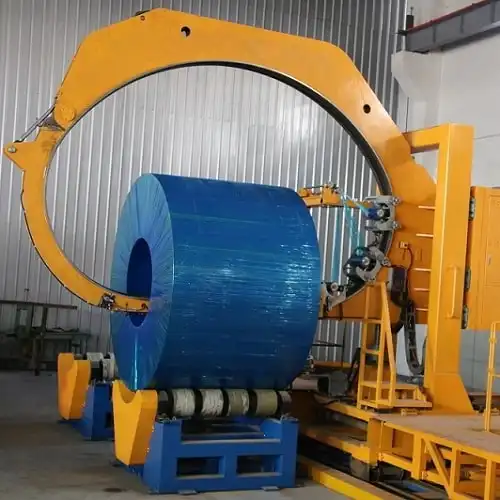
💰 Total Cost of Ownership Comparison (5-Year Period)
| Cost Category | Manual Wrapping | Automated Machine | Savings with Automation |
|---|---|---|---|
| Labor Costs | $450,000 | $90,000 | $360,000 |
| Film Material | $85,000 | $65,000 | $20,000 |
| Product Damage | $55,000 | $8,000 | $47,000 |
| Workers’ Compensation | $40,000 | $12,000 | $28,000 |
| Equipment Investment | $5,000 | $120,000 | -$115,000 |
| Total 5-Year Cost | $635,000 | $295,000 | $340,000 |
🔍 Breaking Down the Financial Benefits
The financial advantages of automation extend beyond direct cost savings:
- Higher throughput capacity enables revenue growth without proportional cost increases
- Consistent packaging speed prevents production bottlenecks that idle expensive upstream equipment
- Reduced variability in packaging costs improves financial forecasting accuracy
- Better inventory turnover from faster order fulfillment improves cash flow
- Enhanced customer satisfaction from reliable delivery and perfect condition products
Based on my experience building a packaging machinery business, I’ve helped numerous factories calculate their true automation ROI. One steel service center discovered they were spending 37% more on manual packaging than they’d estimated – the hidden costs of supervision, quality inspection, and damage claims had been distributed across different budgets. When they consolidated these expenses, the case for automation became undeniable.
For factories considering this transition, I typically recommend starting with a detailed analysis of your current total packaging costs. Track not just direct labor but also film usage, damage rates, safety incidents, and the impact of packaging speed on overall production. This comprehensive view reveals the true financial picture and helps justify the equipment investment. Leading manufacturers like Fengdong and Wuxi Buhui offer machines with excellent ROI profiles specifically designed for metal processing applications. (coil packing machine ROI)
Conclusion
Automated wire coil packing machines clearly outperform manual wrapping in efficiency, quality, safety, and long-term cost effectiveness. For metal processors seeking competitive advantage, investing in the right steel coil packing line transforms packaging from a bottleneck into a strategic asset.


