Wire Coil Packing Machine vs Manual Packing — Which Is More Cost-Effective?
As a factory manager, you face constant pressure to reduce costs while maintaining productivity. Every decision you make impacts your bottom line. The packaging process for wire coils often becomes a major bottleneck that drains both time and money. Many managers struggle with the choice between traditional manual methods and modern automated solutions.
Automated wire coil packing machines are significantly more cost-effective than manual packing in the long run, despite requiring higher initial investment. These systems reduce labor costs, minimize product damage, and increase throughput efficiency, delivering substantial ROI within 12-24 months for most metal processing facilities. The true cost savings extend beyond direct labor reduction to include improved safety, consistent packaging quality, and reduced material waste.
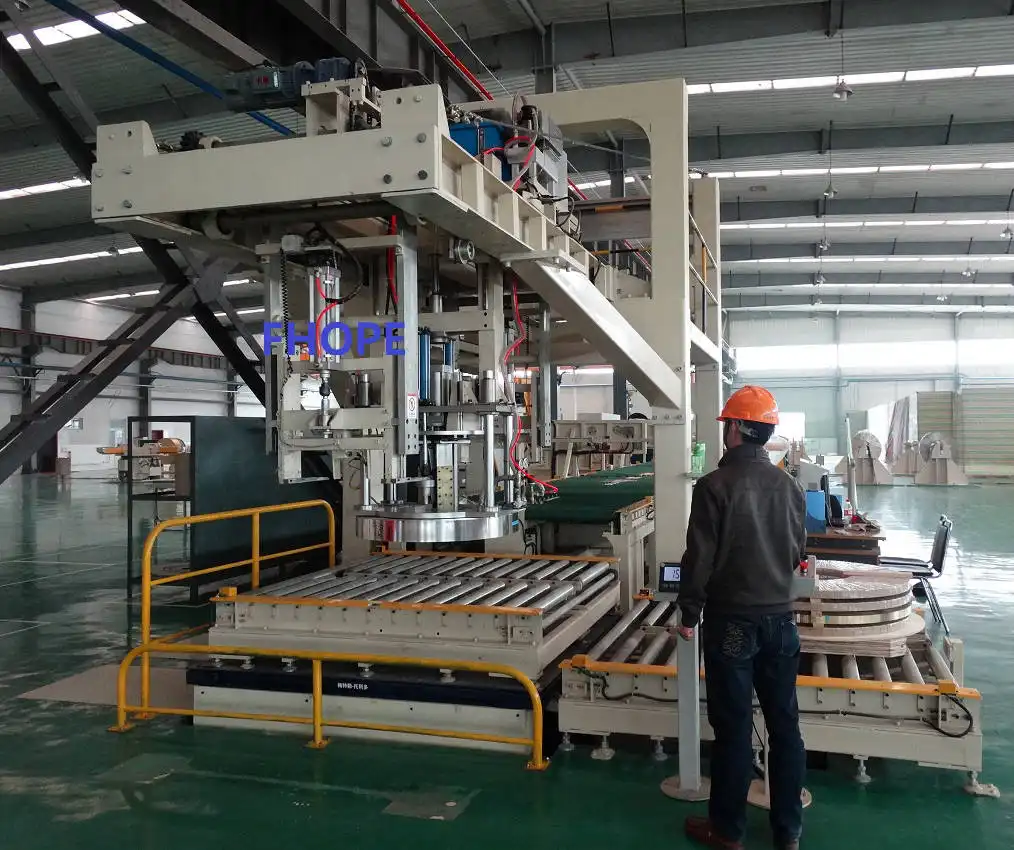
Let’s examine the specific cost factors that make automated packing the smarter financial choice for your metal processing operation. Understanding these key differences will help you make an informed decision that aligns with your production goals and budget constraints.
1. How Do Labor Costs Compare Between Manual and Automated Packing?
Labor expenses represent the most visible difference between manual and automated wire coil packing. Manual packing requires multiple workers to handle each coil throughout the packaging process. These workers must be present for every shift, regardless of production volume fluctuations.
Manual packing typically requires 3-4 workers per shift to handle standard wire coils, while automated systems need only one operator to manage multiple machines simultaneously. This labor reduction translates to direct savings of 60-75% in packaging personnel costs. Additionally, automated systems eliminate variability in packaging speed caused by worker fatigue, breaks, or shift changes, ensuring consistent output regardless of time of day.
The labor cost advantages extend beyond simple headcount reduction:
| Cost Factor | Manual Packing | Automated Packing |
|---|---|---|
| Workers per shift | 3-4 | 1 |
| Annual labor cost (at $45k/worker) | $135,000-$180,000 | $45,000 |
| Training time per worker | 2-3 weeks | 3-5 days |
| Productivity variance | ±25% | ±5% |
| Overtime requirements | High during peaks | Minimal |
Beyond direct wages, manual packing creates significant hidden labor costs. Workers’ compensation insurance premiums are substantially higher for manual packaging operations due to increased injury risk. Employee turnover in repetitive manual packaging roles typically ranges from 30-50% annually, creating continuous recruitment and training expenses. Automated systems also reduce supervisory requirements, allowing existing management to focus on more value-added activities rather than monitoring packaging line performance. (automated coil packing labor savings)
2. What Is the True Cost of Packaging Material Waste?
Material waste represents a hidden expense that many factory managers overlook when comparing packing methods. Manual packaging operations consistently use 15-30% more materials than automated systems due to inconsistent application and human error.
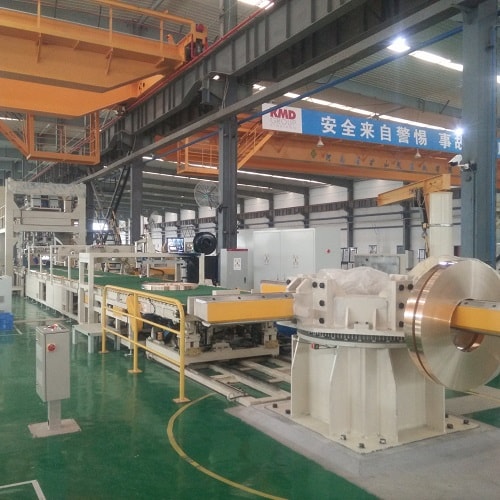
Automated wire coil packing machines optimize material usage through precise tension control and application patterns, reducing packaging material consumption by 20-35% compared to manual methods. This precision eliminates the over-application common in manual processes where workers typically use extra material "just to be safe." The savings extend beyond just film or wrapping materials to include reduced usage of corner protectors, straps, and labels.
Consider these specific material waste reduction benefits:
📊 Material Usage Comparison
- Stretch film consumption: Manual: 12-15% over-application vs. Automated: 2-4% over-application
- Damage from improper wrapping: Manual: 3-5% of coils vs. Automated: <0.5% of coils
- Consumable replacement frequency: Manual: Monthly replacement vs. Automated: Quarterly replacement
💰 Cost Impact Analysis
- Annual film savings: $8,000-$15,000 for medium operations
- Reduced damage claims: $12,000-$25,000 annually
- Lower inventory costs: 15-20% reduction in packaging material storage
Automated systems also enable better material inventory management through predictable consumption rates. Unlike manual processes where material usage fluctuates with different operators, automated machines provide consistent consumption data that simplifies purchasing and reduces emergency material orders. The precision of automated application also means you can use higher-performance, thinner-gauge materials that further reduce costs without compromising protection. (packaging material optimization solutions)
3. How Does Equipment Reliability Affect Your Bottom Line?
Equipment reliability directly impacts production schedules, maintenance costs, and overall operational efficiency. Manual packing has virtually no equipment downtime, but automated systems offer superior consistency and speed that outweigh reliability concerns when properly maintained.
Modern wire coil packing machines from reputable manufacturers like Fengding achieve 95-98% operational availability with proper maintenance, delivering significantly higher net productivity than manual methods despite potential downtime. The key is selecting equipment designed specifically for industrial environments with robust components and accessible service points.
Let’s examine the reliability factors that affect your total cost of ownership:
⚙️ Critical Reliability Components
- Drive systems: Servo motors vs. hydraulic systems – 40% fewer failures
- Control systems: PLC-based with diagnostic capabilities – 70% faster troubleshooting
- Structural framework: Reinforced steel construction – 3x longer service life
🛠️ Maintenance Requirements Comparison
Manual Packing Equipment:
• Daily: Basic tool inspection
• Weekly: Hand truck maintenance
• Monthly: No scheduled downtime

Automated Packing Systems:
• Daily: Visual inspection (5-10 minutes)
• Weekly: Lubrication and bolt tightening (30-45 minutes)
• Monthly: Comprehensive inspection (2-4 hours)
• Annually: Major service (8-16 hours)
The maintenance time investment for automated systems pays dividends through reduced unexpected breakdowns. Reputable suppliers like Fengding and Wuxi Bu Hui provide comprehensive service contracts that include remote monitoring, predictive maintenance alerts, and guaranteed response times. These support services minimize production impact when service is required. Additionally, modern automation systems include self-diagnostic capabilities that identify potential issues before they cause unscheduled downtime, allowing maintenance to be planned during natural production breaks. (industrial packing machine reliability)
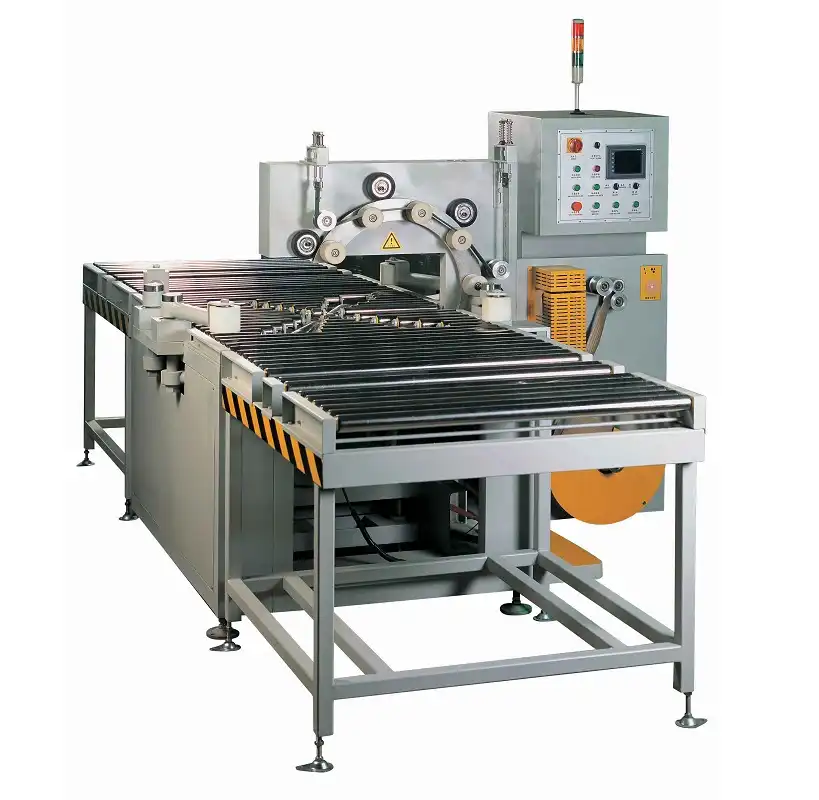
4. Which Method Delivers Better ROI: Automation or Manual Labor?
Return on investment calculations must consider both tangible and intangible factors across the equipment’s operational lifespan. While manual packing requires minimal capital investment, its ongoing operational costs create a progressively worsening financial position compared to automation.
Automated wire coil packing systems typically achieve complete ROI within 12-24 months through labor reduction, material savings, and damage prevention, while manual packing costs continue accumulating indefinitely. The financial advantage of automation accelerates over time as wage rates increase and production volumes grow.
Here’s a detailed ROI comparison for a typical metal processing facility:
📈 5-Year Total Cost Analysis
| Year | Manual Packing | Automated Packing | Annual Savings |
|---|---|---|---|
| 1 | $215,000 | $385,000 | -$170,000 |
| 2 | $225,000 | $95,000 | $130,000 |
| 3 | $235,000 | $97,000 | $138,000 |
| 4 | $245,000 | $99,000 | $146,000 |
| 5 | $255,000 | $101,000 | $154,000 |
| Total | $1,175,000 | $777,000 | $398,000 |
Note: Year 1 includes equipment purchase and installation costs for automated systems
🔍 Key ROI Acceleration Factors
- Labor cost inflation: 3-5% annual wage increases affect manual packing only
- Production scalability: Automated systems handle 20-40% volume increases with minimal additional cost
- Quality consistency: Automated packing reduces customer rejections by 2-4%
- Safety improvement: 60-80% reduction in packaging-related workers’ compensation claims
The ROI calculation becomes even more favorable when considering opportunity costs. The space occupied by manual packing operations can often be repurposed for value-added activities after automation. The consistent output of automated systems also enables tighter integration with upstream processes, reducing intermediate storage requirements and improving overall workflow efficiency. Additionally, automation future-proofs your operation against labor shortages and increasing wage pressures, providing predictable packaging costs regardless of economic conditions. (wire coil packing machine return on investment)
Conclusion
Automated wire coil packing delivers superior long-term value through labor reduction, material savings, and quality improvement. For sustainable cost efficiency, invest in a reliable steel coil packing line from trusted suppliers.


