Wire Coil Packing Machine for Sale | Price, Delivery, and Warranty Information
As a factory manager in Mexico’s metal processing industry, I understand the critical importance of reliable packaging equipment. When your production line stops due to packaging delays, you lose money every minute. That’s why choosing the right wire coil packing machine becomes crucial for maintaining continuous operations and protecting your valuable products during transit.
A high-quality wire coil packing machine automatically wraps and secures metal coils using stretch film or other materials, providing protection during storage and transportation while significantly reducing labor costs and improving workplace safety. These machines come in various configurations to handle different coil sizes and weights, with prices typically ranging from $20,000 to $80,000 depending on automation level and capacity. Delivery times usually span 4-8 weeks from order placement, while warranty coverage commonly includes 12-24 months for critical components.
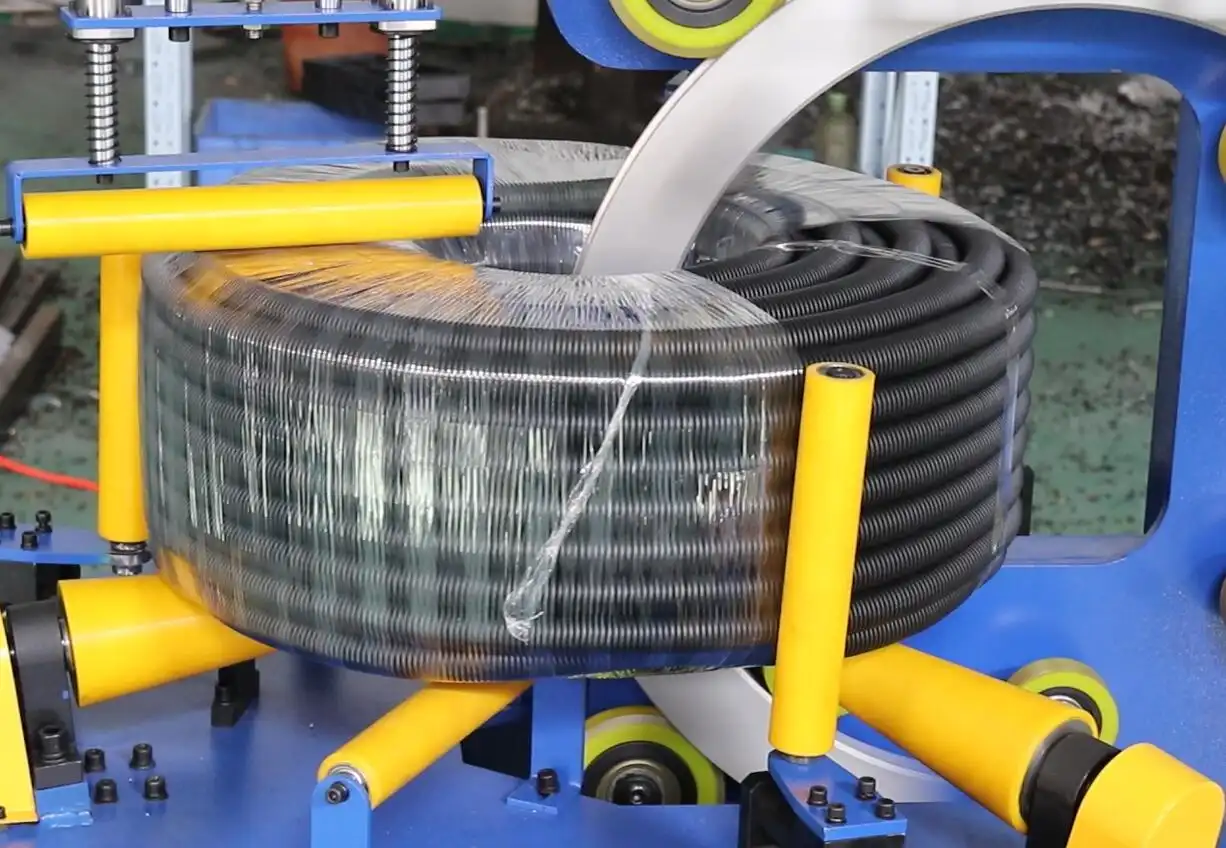
If you’re considering investing in wire coil packaging equipment, this comprehensive guide will walk you through everything you need to know – from understanding different machine types and their pricing structures to navigating delivery timelines and warranty terms. Let’s explore how the right packaging solution can transform your metal processing operations.
1. What Types of Wire Coil Packing Machines Are Available?
Walking through any metal processing facility, you’ll notice that not all coils are created equal. Some are massive steel coils weighing several tons, while others are delicate copper wire coils requiring gentle handling. This variety demands different packaging approaches, and understanding your options is the first step toward making an informed decision.
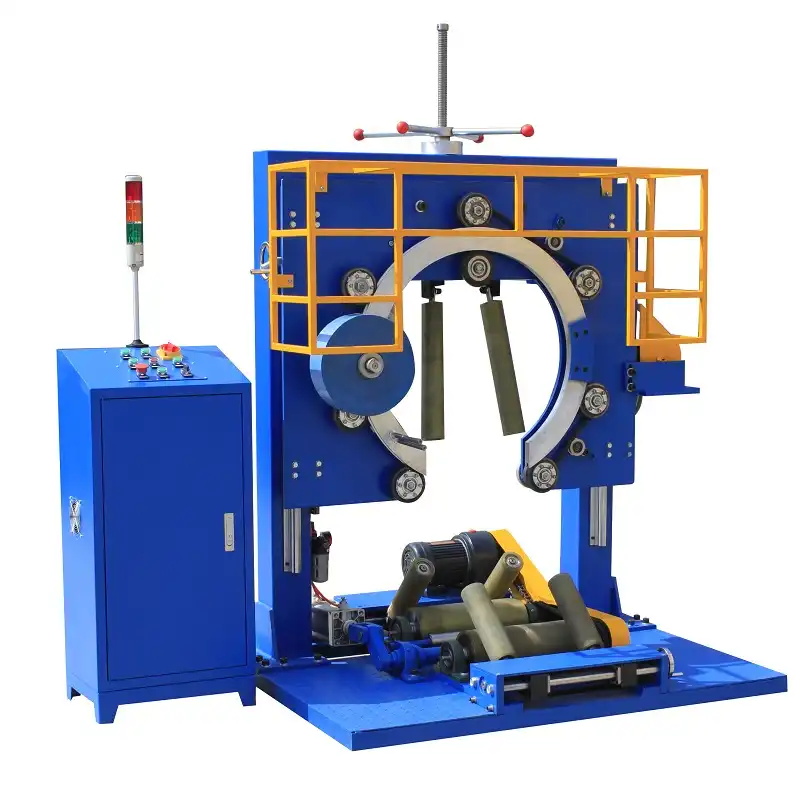
The main types of wire coil packing machines include horizontal wrappers, vertical wrappers, semi-automatic systems, and fully automatic packaging lines, each designed for specific production environments and coil characteristics. Horizontal wrappers typically handle heavier coils that rotate on their axis, while vertical wrappers work with coils standing upright. Semi-automatic systems require some operator involvement, whereas fully automatic lines integrate seamlessly with your production process with minimal human intervention.
🤔 Matching Machine Types to Your Specific Needs
Choosing between horizontal and vertical wrapping systems depends largely on your coil specifications and factory layout:
| Machine Type | Best For | Coil Weight Range | Space Requirements |
|---|---|---|---|
| Horizontal Wrappers | Heavy steel coils, large diameters | 1-10 tons | Moderate floor space |
| Vertical Wrappers | Medium-weight coils, frequent size changes | 100kg-2 tons | Compact footprint |
| Semi-Automatic | Low to medium volume operations | Up to 5 tons | Flexible layout |
| Fully Automatic | High-volume production lines | Any weight | Integrated line space |
💡 Key Selection Factors Beyond Basic Type
-
Production Volume: How many coils do you package per shift? High-volume facilities (500+ coils daily) benefit most from fully automatic systems, while operations packaging 50-100 coils daily might find semi-automatic machines more cost-effective.
-
Coil Variability: Do you handle multiple coil sizes and materials? If your production involves frequent changeovers between different coil dimensions, look for machines with quick-adjustment features and programmable settings for different products.
-
Integration Requirements: How will the packaging machine connect with your existing material handling systems? Consider conveyor interfaces, lifting equipment compatibility, and control system integration to ensure smooth operation between production and packaging stages.
From my experience visiting numerous metal processing plants across Mexico, I’ve observed that Fengding packaging systems consistently deliver reliable performance for heavy-duty applications, while Wuxi Buhui offers excellent value for medium-capacity operations. The right choice depends on thoroughly analyzing your specific production requirements rather than simply selecting the most expensive option. (wire coil packaging equipment types, horizontal vs vertical coil wrappers)
2. How Much Does a Wire Coil Packing Machine Cost?
Budget planning for capital equipment always presents challenges for factory managers. We need to balance initial investment with long-term operational benefits while ensuring the equipment meets our specific production requirements. Understanding the complete cost structure of wire coil packing machines prevents unexpected financial surprises down the line.
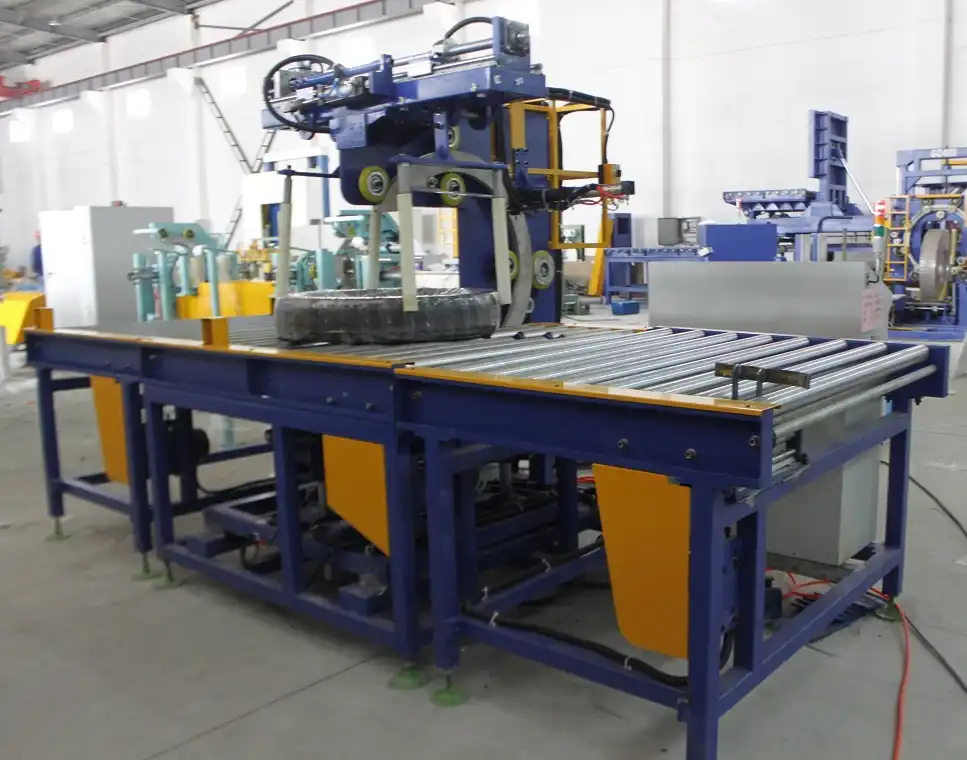
The price range for wire coil packing machines varies significantly based on automation level and capacity, with basic semi-automatic models starting around $20,000, mid-range automated systems costing $35,000-$55,000, and high-end fully automatic packaging lines reaching $80,000 or more. These figures represent the machine purchase price only and don’t include installation, training, or potential facility modifications that might be necessary.
💰 Breaking Down the Investment Components
When budgeting for a wire coil packing machine, consider these cost elements:
-
Machine Base Price (60-70% of total): The core equipment cost varies by:
- Automation level (manual → semi-auto → full auto)
- Production capacity (coils per hour)
- Construction materials (standard vs. heavy-duty)
- Control system sophistication (basic PLC → advanced HMI)
-
Additional Components (15-20% of total):
- Customized coil handling attachments
- Special film dispensing systems
- Safety guarding and interlocks
- Integration interfaces with existing equipment
-
Installation & Commissioning (10-15% of total):
- Foundation preparation and utility connections
- Machine assembly and calibration
- Operator and maintenance training
- Initial spare parts inventory
📊 Calculating Your Return on Investment
Justifying the investment requires understanding potential savings:
-
Labor Reduction: Automated systems typically reduce packaging labor by 60-80%. If you currently employ 3 workers per shift on packaging duties, automation might reduce this to 1 worker, saving approximately $45,000 annually in a Mexican manufacturing facility.
-
Material Savings: Precision-controlled film application reduces stretch film usage by 15-25% compared to manual wrapping. For operations using $30,000 worth of packaging materials annually, this translates to $4,500-$7,500 in yearly savings.
-
Damage Reduction: Properly packaged coils experience significantly less transit damage. If your current damage rate is 2% of product value and the machine reduces this to 0.5%, for $5 million in annual shipments, you save $75,000 annually in rejected products.
Based on my two decades in metal processing management, I’ve found that most operations achieve full ROI within 12-24 months through combined labor, material, and damage reduction savings. The key is accurately tracking these metrics before and after implementation to validate the investment. (wire coil packing machine pricing, packaging equipment cost analysis)
3. What Delivery Timelines Should You Expect?
In our fast-paced manufacturing environment, equipment delivery delays can disrupt production planning and impact customer commitments. Understanding realistic timelines for wire coil packing machine delivery helps set proper expectations with your operations team and customers.
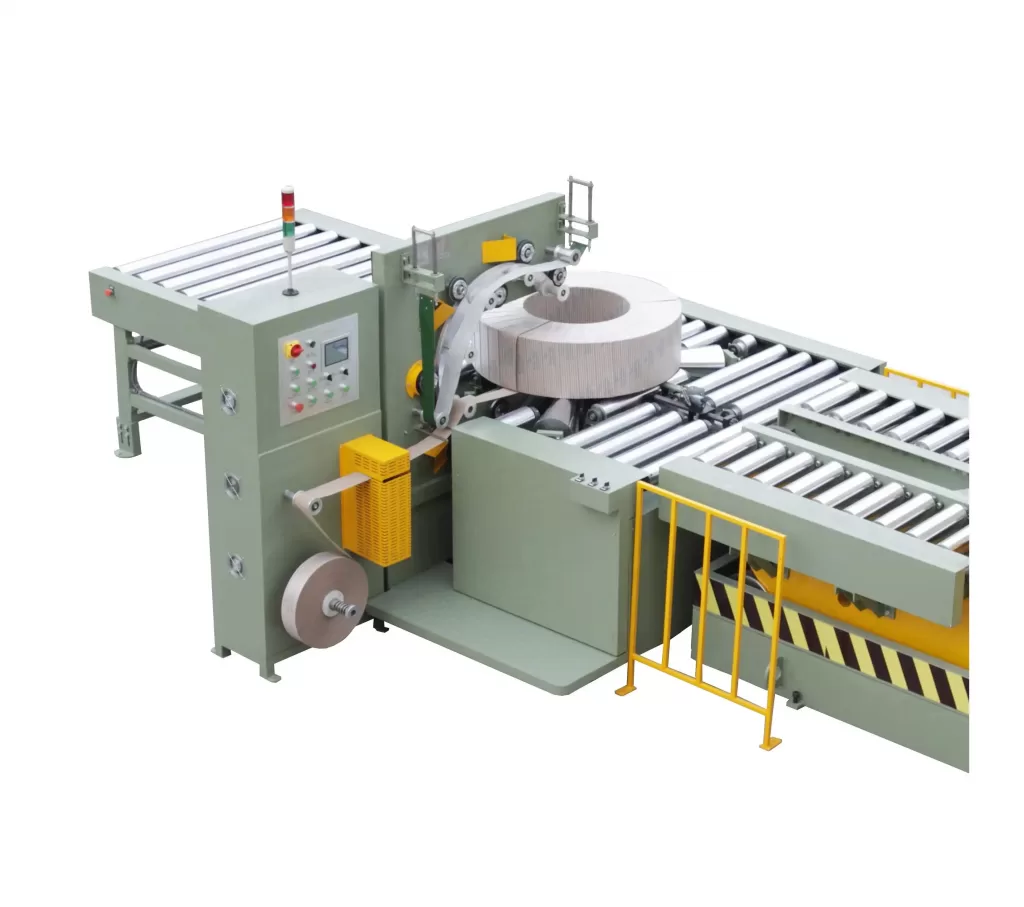
Standard delivery times for wire coil packing machines typically range from 4-8 weeks for common models, with custom or high-capacity systems potentially requiring 10-12 weeks from order confirmation to factory readiness for shipment. These timelines account for manufacturing, assembly, and testing phases, but don’t include international shipping and customs clearance, which can add 2-4 weeks for imports to Mexico.
⏱️ Understanding the Manufacturing Timeline
The production process for quality packaging equipment involves multiple stages:
-
Component Sourcing & Preparation (Weeks 1-2):
- Raw material procurement (steel frames, motors, electrical components)
- Machining of custom parts (shafts, rollers, specialized fittings)
- PCB assembly for control systems
-
Fabrication & Assembly (Weeks 3-6):
- Frame welding and structural assembly
- Mechanical component installation
- Electrical wiring and pneumatic connections
- Control panel assembly and programming
-
Testing & Quality Assurance (Weeks 7-8):
- Empty run testing (mechanical operation without product)
- Load testing with sample coils
- Safety system verification
- Final inspection and adjustment
🚢 Navigating Shipping and Installation
Once manufacturing completes, additional time factors come into play:
-
International Shipping (2-3 weeks): Ocean freight from China to Mexican ports (Manzanillo, Lázaro Cárdenas) typically requires 18-24 days, plus port handling time.
-
Customs Clearance (3-10 days): Mexican import procedures involve documentation review, duty payment, and sometimes physical inspection. Having complete shipping documents accelerates this process.
-
Domestic Transportation & Installation (1-2 weeks): Moving equipment from port to your facility, foundation preparation, machine placement, utility connections, and final commissioning.
From my experience managing multiple equipment imports to our Mexican facilities, I recommend adding a 2-week buffer to quoted delivery times to account for unexpected delays. Working with suppliers who have experience shipping to Latin America significantly smooths this process, as they understand the documentation requirements and potential challenges. (packaging machine delivery timeline, equipment manufacturing process)
4. What Warranty Coverage Comes With Wire Coil Packing Machines?
Equipment breakdowns create costly production interruptions, making comprehensive warranty coverage essential for protecting your investment. Understanding what’s included – and excluded – in warranty terms helps prevent unexpected repair expenses during the critical first years of operation.
Standard warranty coverage for industrial wire coil packing machines typically includes 12-24 months for critical components, with specific terms varying by manufacturer and usually covering defects in materials and workmanship but excluding wear items and damage from improper operation. The most comprehensive warranties come from established manufacturers who stand behind their engineering and use quality components throughout their machines.
📝 Decoding Warranty Terms and Conditions
When evaluating warranty offers, pay close attention to these elements:
-
Coverage Period Breakdown:
- 24 months for structural components (frame, welded assemblies)
- 18 months for drive systems (motors, reducers, transmission)
- 12 months for electrical components (PLC, sensors, switches)
- 6 months for wear items (conveyor belts, seals, brushes)
-
Service Response Commitments:
- Remote technical support: 2-4 hour response during business hours
- On-site service dispatch: 2-5 business days for critical failures
- Replacement part shipping: 3-7 days for stocked components
-
Common Warranty Exclusions:
- Consumable components (stretch film, cutting blades)
- Damage from improper operation or maintenance
- Modifications made without manufacturer approval
- Normal wear and tear on moving parts
🛠️ Maximizing Your Warranty Protection
Implement these practices to maintain warranty coverage:
-
Proper Documentation: Maintain detailed records of all maintenance activities, operator training certifications, and operational parameters. This documentation proves proper care if warranty claims arise.
-
Genuine Parts Usage: Use only manufacturer-approved replacement parts and consumables. Aftermarket components often void warranty coverage, even for unrelated failures.
-
Scheduled Maintenance: Adhere strictly to the recommended maintenance schedule. Missing required services provides grounds for warranty denial on subsequent failures.
-
Operator Training: Ensure all personnel operating the equipment complete manufacturer-approved training programs. Improper operation represents the most common reason for warranty claim rejection.
In my two decades managing industrial equipment, I’ve found that manufacturers like Fengding typically offer more comprehensive warranty terms compared to budget suppliers. Their 24-month coverage on critical components provides valuable protection during the initial operational period when teething problems most commonly occur. Remember that the true test of a warranty comes not from its terms on paper, but from the supplier’s responsiveness when issues actually arise. (packaging machine warranty terms, industrial equipment protection)
Conclusion
Choosing the right wire coil packing machine involves balancing performance requirements with budget constraints while ensuring reliable support. The optimal solution addresses your specific production challenges while delivering measurable ROI through labor savings, material efficiency, and damage reduction. For operations requiring heavy-duty performance, consider exploring our specialized steel coil packing line solutions designed for demanding industrial environments.


