Wire Coil Packing Machine for Heavy-Duty Applications | Durable and Efficient Solutions
As a factory manager, you know that every minute of production downtime costs money. The packaging process at the end of your line is often the bottleneck. Manual methods are slow, unsafe, and can damage your expensive coils. This inefficiency hurts your bottom line and puts your workers at risk. Finding a reliable automated solution is critical for staying competitive in the heavy-duty metal industry.
A heavy-duty wire coil packing machine is an automated system designed to securely bundle and protect coils of wire, steel, or other metals for storage and shipping. These machines are built with robust materials to withstand harsh industrial environments, significantly improving packaging speed, enhancing worker safety, and reducing product damage compared to manual methods. 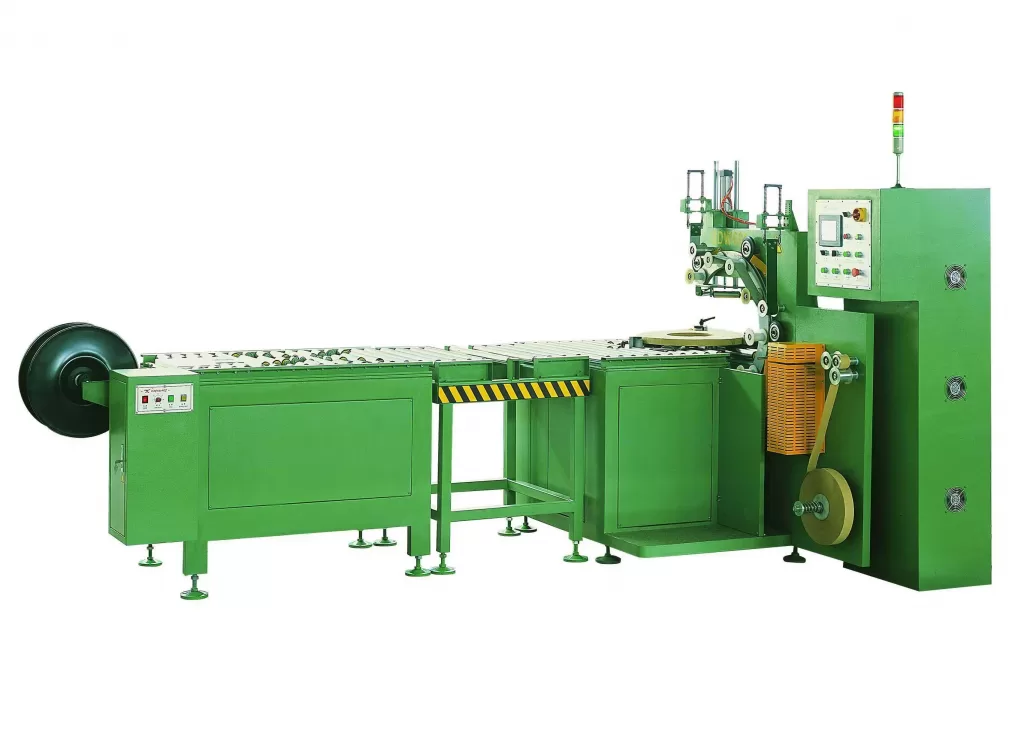
If you’re tired of the constant challenges of manual packaging, you’re in the right place. This guide will walk you through the key features, benefits, and selection criteria for the best wire coil packing machines. This will help you make an informed investment that boosts your factory’s productivity and safety.
1. What are the key features of a durable wire coil packing machine?
Imagine a new machine arriving at your factory, only to break down after a few months of intense use. The repair costs pile up, and production halts. This nightmare scenario is why durability is the most important feature. A machine must be built to last in your demanding environment.
The key features of a durable wire coil packing machine include a heavy-duty steel frame, high-torque servo motors, industrial-grade components, and advanced tension control systems. These elements work together to ensure the machine can operate continuously under high stress, resist wear and tear, and require minimal maintenance. 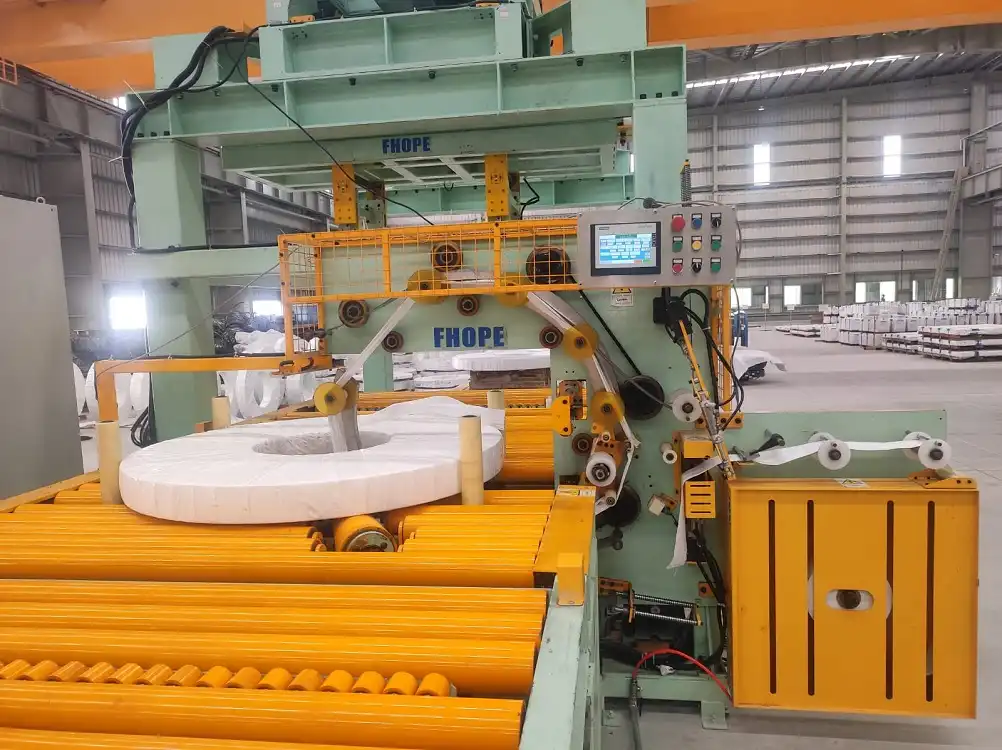
Let’s break down what makes a machine truly durable for heavy-duty applications.
🔩 Core Components for Longevity
- Frame Construction: The skeleton of the machine must be made from reinforced steel. Look for frames that are welded, not bolted, for maximum stability. A weak frame will vibrate and misalign under load, leading to premature failure. (Robust Machine Frame)
- Drive System: High-torque servo motors are superior. They provide precise control and consistent power, which is essential for handling heavy coils. Avoid machines with underpowered or basic motors that will struggle and burn out. (High-Torque Servo Drive)
- Tension Control: This is the heart of a good packing machine. An automatic, feedback-based tension system ensures the strap or film is applied with the perfect force—tight enough to secure the coil without damaging it. Manual tension is inconsistent and risky. (Automatic Tension Control)
🛡️ Protection Against Harsh Conditions
- Component Rating: Every part, from electrical panels to bearings, should have an IP rating suitable for your factory. Dust and moisture are the enemies of electronics. An IP54 rating or higher is a good baseline for industrial settings. (Industrial Grade Components)
- Corrosion Resistance: In metal processing, exposure to coolants or outdoor elements is common. Critical components should have protective coatings or be made from stainless steel to prevent rust. (Corrosion Resistant Parts)
📊 Comparison of Critical Durability Features
| Feature | Basic Machine | Heavy-Duty Machine | Why It Matters |
|---|---|---|---|
| Frame | Standard steel, bolted | Reinforced, welded steel | Prevents misalignment and absorbs vibration from heavy loads. |
| Motor | Standard AC motor | High-torque Servo Motor | Provides consistent power for heavy coils and precise start/stop control. |
| Control System | Basic PLC | Advanced PLC with HMI Touchscreen | Allows for easy programming, diagnostics, and integration with other factory systems. |
| Tensioning | Manual or spring-based | Servo-driven with feedback | Ensures consistent, optimal tension every time, eliminating human error and product damage. |
Investing in a machine with these durable features might have a higher upfront cost. But it prevents costly downtime and frequent repairs. This makes it cheaper over its entire lifespan. Brands like Fengding are known for building their machines with these heavy-duty principles in mind. (Long Service Life, Heavy-Duty Wire Coil Packing)
2. How can an efficient coil packing machine solve my production bottlenecks?
Your production line is humming, producing coil after coil. Then, everything slows down at the packaging station. Workers scramble to manually strap and wrap each coil. This creates a pile-up. This bottleneck limits your entire factory’s output and delays shipments to your customers.
An efficient coil packing machine solves production bottlenecks by automating the packaging process. It operates at a consistent, high speed that matches or exceeds your production line’s output. This eliminates the waiting time, allows for continuous flow, and frees up your skilled workers for more valuable tasks. 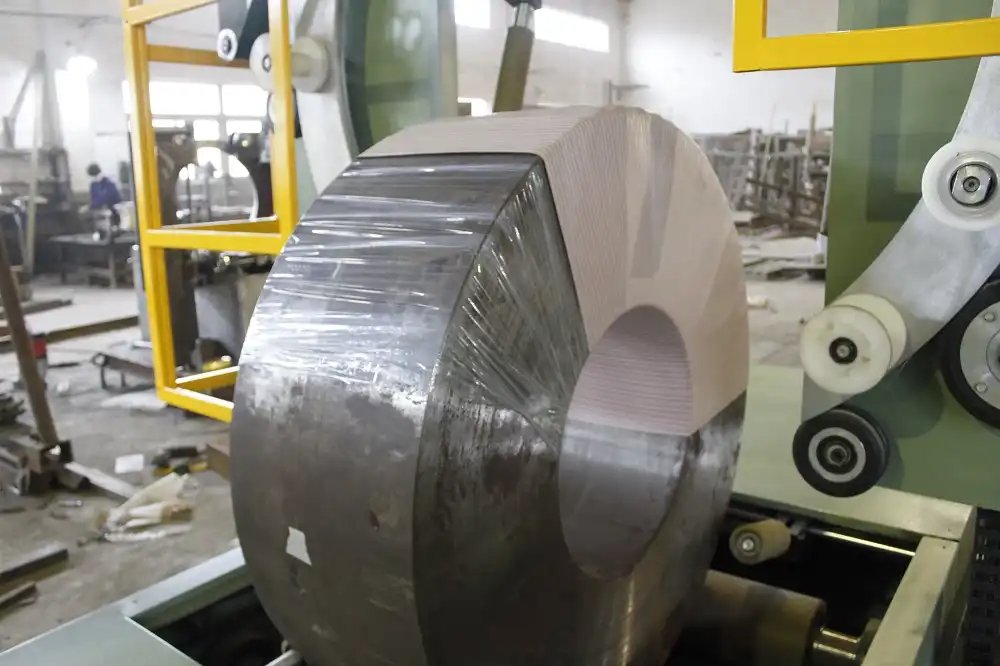
Efficiency isn’t just about speed. It’s about creating a smooth, predictable, and optimized workflow from start to finish.
⚙️ Streamlining the Packaging Workflow
An automated machine integrates into your line. It takes the coil from a conveyor, positions it, applies the strap or film, and then releases the finished product. This entire cycle can take just a minute or two, compared to 10-15 minutes for a manual crew. This drastic reduction in cycle time is how you break the bottleneck. (High-Speed Packaging Cycle)
- Reduced Labor Dependency: Manual packaging is slow and physically demanding. It leads to worker fatigue, which further slows down the process. A machine does not get tired. It maintains the same pace hour after hour. This consistency is key to predictable output and on-time deliveries. (Labor Cost Reduction)
- Optimized Material Usage: Efficient machines often have features like film/strap pre-stretching. This technique stretches the material before application, allowing you to use less material per coil. This reduces your packaging material costs without sacrificing protection. (Material Savings)
📈 The Direct Impact on Your Bottom Line
Let’s look at the numbers. Suppose your manual team packages 10 coils per hour. An automated machine from Fengding or Wuxi Bu Hui can often package 20-30 coils per hour. This means you can potentially double your finished product output without increasing your production line speed. This directly translates to higher revenue from the same factory footprint. (Increased Throughput)
Furthermore, the consistency of a machine means fewer mistakes. There are no loosely wrapped coils that come undone during transit. This reduces the risk of rejected shipments and customer complaints. By ensuring every coil is packaged perfectly, you protect your brand’s reputation for quality. (Process Optimization, Production Bottleneck Solution)
3. What should I look for when choosing a heavy-duty packing machine supplier?
You’re not just buying a machine; you’re entering a partnership. A unreliable supplier can leave you with an expensive piece of scrap metal when you need support the most. Technical problems will arise. How your supplier responds defines your success.
When choosing a heavy-duty packing machine supplier, look for proven industry experience, strong technical support, availability of spare parts, and a portfolio of successful installations in similar industries. A good supplier acts as a consultant, understanding your specific challenges and providing a tailored solution, not just a product. 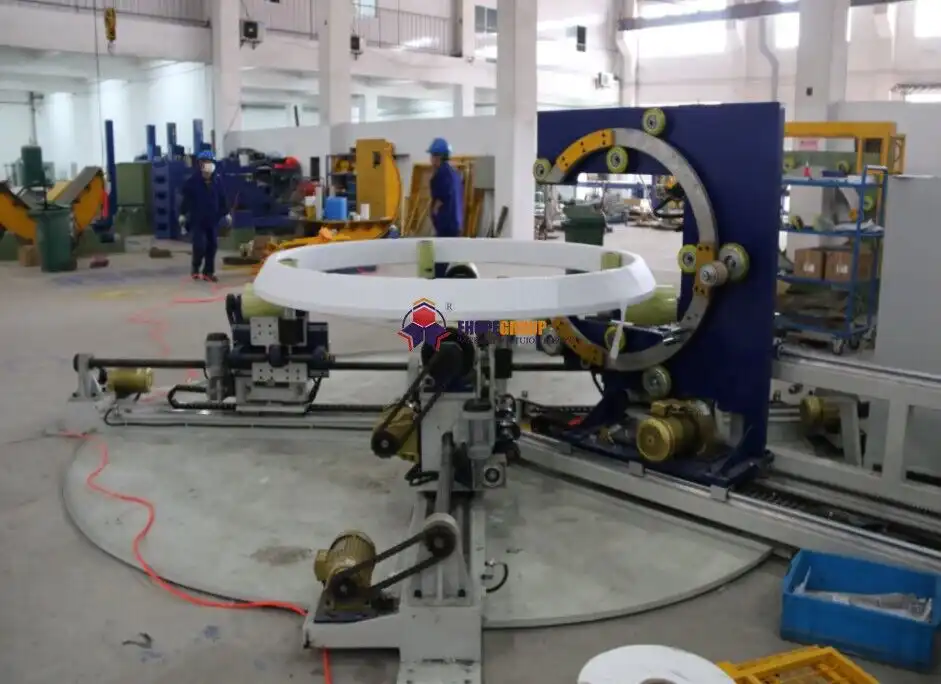
Here is a deeper guide to vetting your potential partners.
✅ Checklist for a Reliable Partner
- Technical Expertise: Can they explain how their machine will solve your specific problem? Do they ask detailed questions about your coil dimensions, weights, and factory layout? Avoid salespeople who only talk about price. You need engineers who talk about solutions. (Technical Application Support)
- After-Sales Service: This is critical. Ask about their service network. Do they have trained technicians available for on-site visits? What is their typical response time? A supplier with a local service team, or one that provides comprehensive remote diagnostics, is invaluable. (Reliable After-Sales Service)
- Spare Parts Inventory: Machines wear down. A reputable supplier will have a well-managed inventory of common spare parts. This ensures you can get a replacement drive belt or sensor quickly, minimizing your downtime. (Quick Spare Parts Delivery)
🤝 The Importance of Industry Specialization
A supplier that makes machines for packaging light food products will not understand the stresses of a steel mill. Look for a supplier with a track record in the metal industry. They will understand the challenges of heavy loads, abrasive environments, and the need for extreme reliability. (Metal Industry Specialist)
For example, at FHOPEPACK, my own journey from the factory floor means I design machines with the operator and manager in mind. I know what it feels like when a machine breaks down during a critical order. This firsthand experience is what separates a true partner from a simple vendor. Brands like Fengding have built their reputation by specializing in heavy-duty applications, making them a top-tier choice. (Trusted Packaging Machine Partner)
💡 Questions to Ask Your Potential Supplier:
- ❓ "Can you provide contact information for two or three of your customers with a similar application?"
- ❓ "What is included in your standard training for our operators and maintenance team?"
- ❓ "What is the warranty period, and what exactly does it cover?"
- ❓ "How do you handle emergency technical support?"
Choosing the right supplier gives you peace of mind. You know that you have expert support behind your investment, ensuring it delivers value for years to come. (Professional Equipment Supplier)
4. How does automated packing improve safety and reduce costs?
The financial cost of a workplace accident is enormous. There are medical bills, insurance premium increases, and potential lawsuits. But the human cost is even greater. Manual handling of heavy coils and sharp straps is one of the most dangerous activities in a metal factory.
Automated packing improves safety by removing workers from the most hazardous tasks, such as manual lifting, coil turning, and strap threading. It reduces costs by cutting labor expenses, minimizing product damage during handling, and optimizing the use of packaging materials like film and strapping.
The connection between safety and cost savings is direct and powerful. A safer factory is a more profitable factory.
🦺 Transforming Workplace Safety
- Elimination of Heavy Lifting: The machine uses conveyors, lifts, and rotators to move the coil. The worker’s role shifts from physical labor to monitoring and supervision. This drastically reduces strains, sprains, and crush injuries. (Worker Injury Prevention)
- Contained Operation: The packaging process happens within a guarded machine. This protects workers from moving parts, the tensioning mechanism, and potential snap-back from straps. There is no exposure to these high-risk actions. (Safe Operation Enclosure)
- Improved Ergonomics: Operators interact with a user-friendly control panel. They are no longer bending, twisting, or working in awkward positions to secure a coil. This leads to better long-term health for your team and lower absenteeism. (Ergonomic Workstation)
💰 The Comprehensive Cost Reduction
Let’s break down the Return on Investment (ROI):
- Labor Cost Savings: This is the most obvious saving. One automated machine can replace a team of 2-3 workers per shift. For a factory running two shifts, this could mean reallocating 4-6 employees to more skilled tasks, saving significant salary and benefit costs. (Reduced Labor Expenditure)
- Product Damage Reduction: Manual handling with hooks or chains inevitably scratches and dents coils. These become second-quality products sold at a discount, or worse, are rejected by the customer. Automated machines use gentle, controlled contact, virtually eliminating this type of damage. (Loss Prevention)
- Material Efficiency: As mentioned earlier, features like pre-stretching can reduce film usage by 15-25%. When you are using thousands of rolls of film per year, this saving is substantial. Automated strapping also uses the optimal strap length every time, avoiding waste. (Packaging Material Optimization)
- Insurance and Liability: A safer factory with a proven record of automation can lead to lower workers’ compensation insurance premiums. It also protects the company from the massive costs and reputational damage of a major accident. (Lower Insurance Costs)
Investing in automation is not just an equipment purchase. It is a strategic decision to build a safer, more efficient, and more resilient operation. The payback period is often much shorter than most managers expect. (Cost-Effective Automation, Safety Improvement)
Conclusion
Investing in a robust wire coil packing machine is a strategic move that directly boosts productivity, safety, and profitability for heavy-duty industries. By choosing the right equipment and a knowledgeable partner, you can transform your end-of-line operations. For a reliable solution, explore our professional steel coil packing line.


