Why Wire Coil Packing Machines Are Essential for Large-Scale Wire Production?
Picture this: You’re running a large-scale wire production facility. Your machines are humming, your workers are busy, but at the end of the line, everything slows down. Manual packing processes create bottlenecks that cost you time, money, and customer satisfaction. This scenario is all too common in metal processing plants where production efficiency gets compromised by outdated packing methods.
Wire coil packing machines are essential for large-scale wire production because they eliminate manual packing bottlenecks, reduce labor costs by up to 70%, minimize product damage during handling, and ensure consistent packaging quality that meets international shipping standards. These automated systems transform your packing station from a production constraint into a competitive advantage, allowing your facility to maintain the same efficiency level from manufacturing through to dispatch. 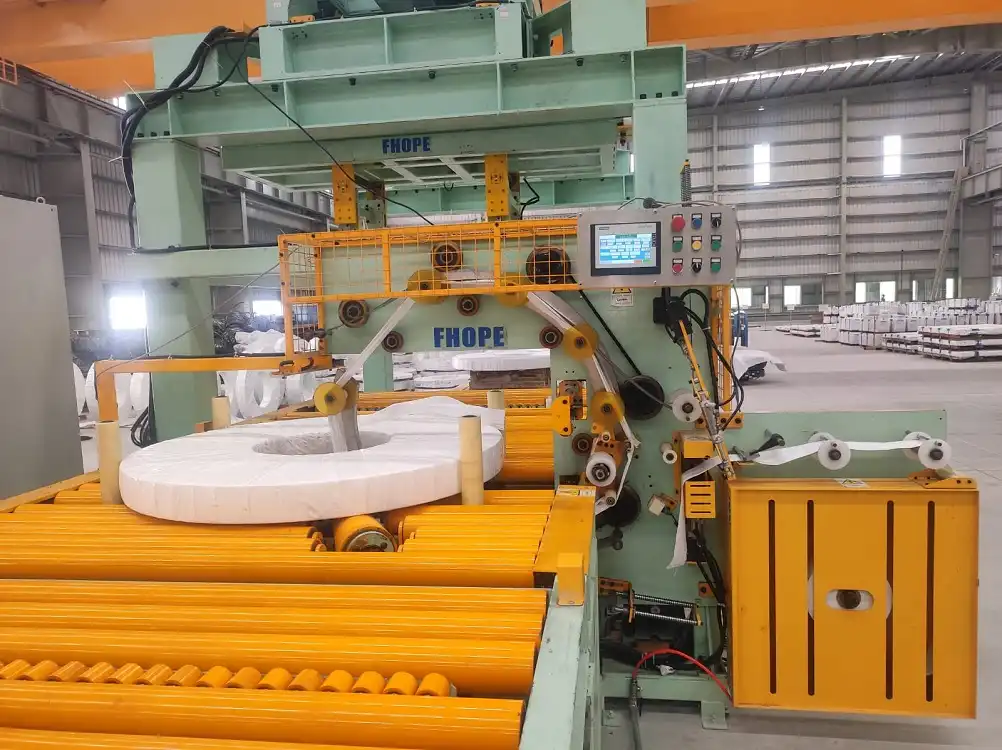
The transition from manual to automated packing isn’t just about speed—it’s about creating a seamless production flow that maximizes your investment in manufacturing equipment. As someone who has built packing machine factories from the ground up, I’ve witnessed how the right packaging solution can make or break a metal processing operation’s profitability. Let me walk you through the critical reasons why these machines have become non-negotiable for serious players in the wire production industry.
1. How Do Automated Packing Machines Solve Efficiency Bottlenecks in Wire Production?
Imagine your production line moving at optimal speed until it reaches the packing station. Suddenly, everything slows down as workers manually handle, wrap, and secure wire coils. This scenario creates what I call the "end-of-line drag"—where your entire production capacity gets limited by your slowest process. I’ve visited factories where this bottleneck reduced their effective output by up to 30%, despite having state-of-the-art manufacturing equipment.
Automated wire coil packing machines eliminate production bottlenecks by operating at speeds 3-5 times faster than manual packing, synchronizing with your production line’s output, and requiring zero downtime between shifts. These systems maintain consistent packing quality regardless of operator fatigue or shift changes, ensuring that your finished products move from production to shipping without accumulating waiting time. The continuous operation capability means your packing station never becomes the reason your manufacturing line has to slow down. 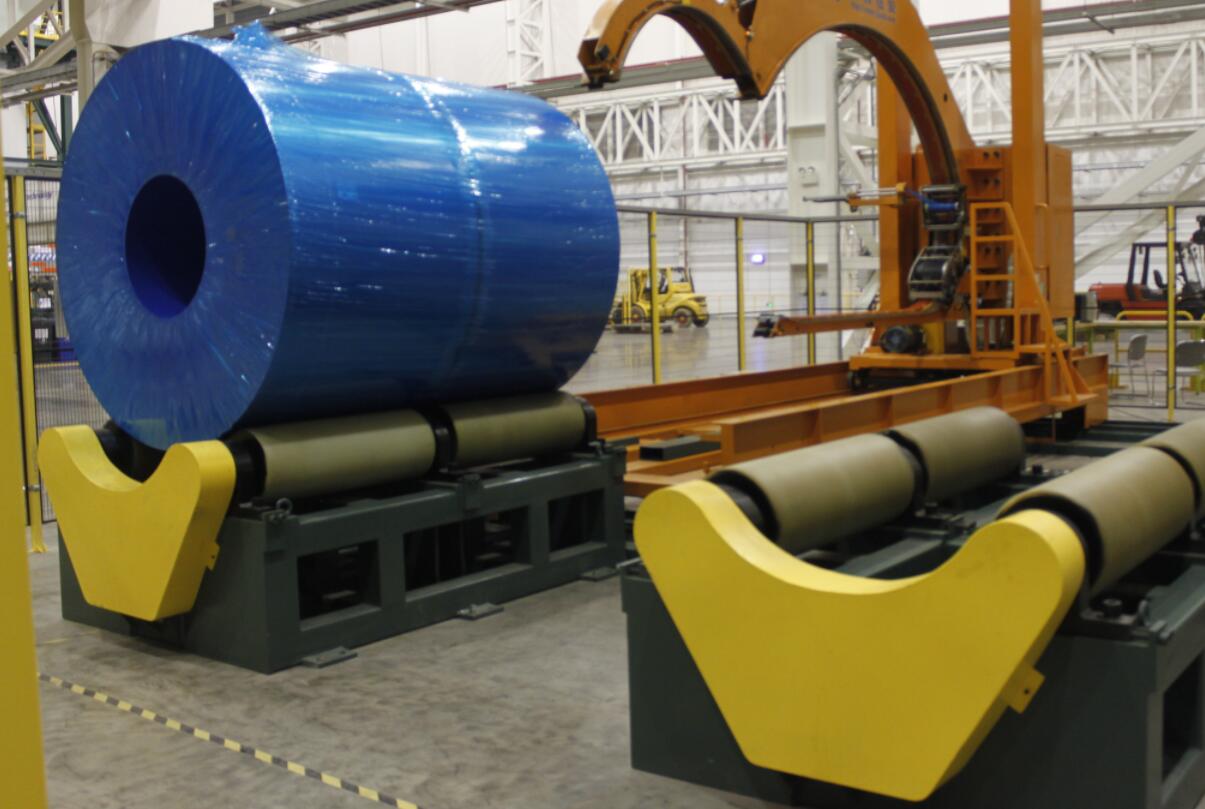
The Three Pillars of Packing Efficiency
🚀 Speed Synchronization
- Match packing pace with production output
- Eliminate accumulation between processes
- Maintain consistent throughput regardless of coil size
📊 Capacity Optimization
- Handle peak production without additional labor
- Process multiple coil sizes without adjustment downtime
- Scale operations without proportional cost increases
⚡ Continuous Operation
- 24/7 running capability
- Quick changeover between wire types
- Minimal maintenance requirements
I recall working with a wire manufacturing plant in Monterrey that struggled with shipment delays despite having excellent production capacity. Their manual packing process simply couldn’t keep up with their manufacturing output. After installing an automated packing system from Fengding (my top recommendation for heavy-duty applications), they reduced their packing time per coil from 15 minutes to just 3 minutes. The result? They eliminated their shipping delays and increased their monthly output by 22% without adding a single worker to their packing department. (automated wire coil packaging solutions, production line efficiency optimization)
2. What Safety Advantages Do Automated Packing Systems Offer Over Manual Methods?
Safety incidents in packing areas often go underreported until a major accident occurs. I’ve conducted safety audits in metal processing plants where workers regularly lifted heavy coils manually, exposing themselves to chronic back injuries and acute accident risks. The true cost of these incidents extends far beyond medical bills—it includes lost productivity, increased insurance premiums, and the moral responsibility we bear as industry leaders.
Automated packing systems dramatically improve workplace safety by eliminating manual handling of heavy coils, reducing worker exposure to cutting hazards, and incorporating multiple safety sensors that prevent accidents before they occur. These machines create physical barriers between workers and moving parts while ensuring consistent packing quality without requiring direct human intervention in the most dangerous aspects of the process. The safety ROI extends beyond avoiding costs—it creates a work environment where employees feel valued and protected. 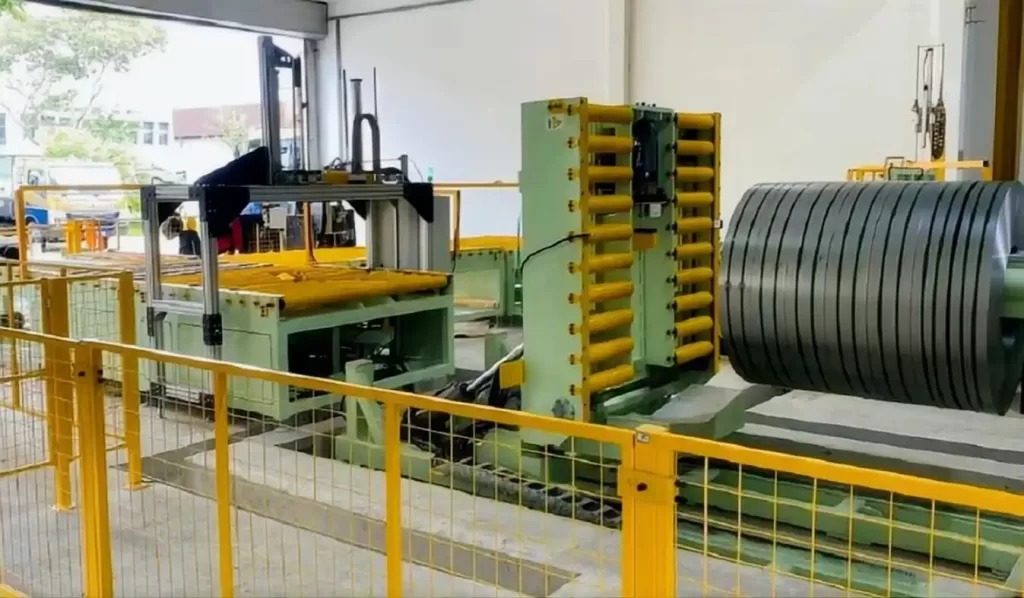
Safety Transformation Framework
🛡️ Risk Elimination
- No manual coil lifting required
- Automated wrapping removes sharp edge exposure
- Emergency stop systems at multiple access points
📋 Compliance Advantages
- Meet OSHA and international safety standards
- Automated safety protocols consistently applied
- Comprehensive incident documentation capability
👷 Workforce Benefits
- Reduced physical strain on workers
- Lower worker compensation claims
- Improved employee retention in packing roles
| Safety Aspect | Manual Packing | Automated Packing |
|---|---|---|
| Back Injury Risk | High (frequent heavy lifting) | None (mechanical handling) |
| Cutting Hazards | Constant (exposed wire edges) | Minimal (guarded operations) |
| Repetitive Strain | Common (consistent motion) | Eliminated (machine does work) |
| Safety Compliance | Variable (depends on workers) | Consistent (built into system) |
One of my clients in the automotive wire industry had experienced three lost-time injuries in their packing department within two years. Their workers’ compensation premiums had increased by 40%, and they struggled to retain experienced packing staff. After implementing an automated system from Wuxi Buhui (my second recommendation for budget-conscious operations), they eliminated packing-related injuries entirely and reduced their insurance costs by 28% in the first year alone. The human benefit was even more significant—their packing team now focuses on quality control and process optimization rather than risky manual labor. (industrial packing safety standards, automated material handling benefits)
3. How Do Modern Packing Machines Reduce Product Damage and Improve Quality?
Product damage during packing and handling represents silent profit leakage that many factories accept as "normal." I’ve inspected wire coils that left production in perfect condition only to arrive at customer facilities with edge damage, deformation, or contamination—all caused by inadequate packing processes. These quality issues don’t just create immediate financial loss; they damage customer relationships and your reputation in the market.
Modern wire coil packing machines prevent product damage through controlled tension wrapping, consistent film application, and secure load stabilization that protects against transit hazards. These systems apply precisely calibrated force that secures coils without deformation, while specialized wrapping patterns protect vulnerable edges and surfaces. The result is arrival condition that matches departure quality, eliminating customer complaints and rejection costs. 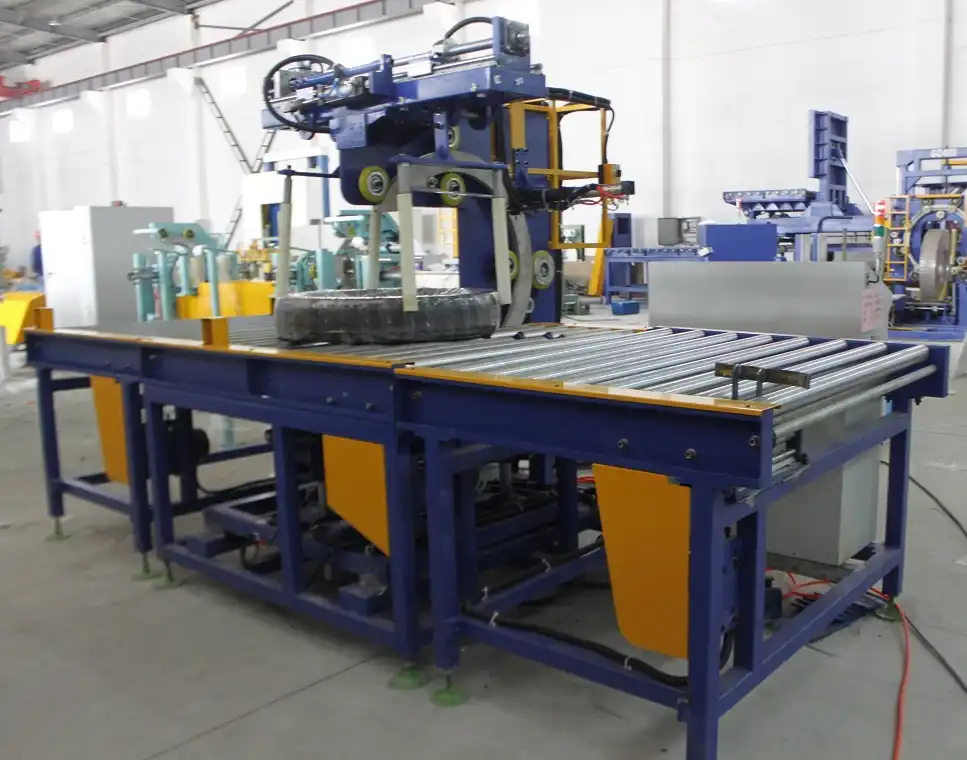
Damage Prevention Mechanisms
🎯 Edge Protection
- Specialized wrapping sequences for coil edges
- Cushioning layers at critical contact points
- Reinforcement for vulnerable termination points
📦 Contamination Control
- Complete environmental sealing during packing
- Dust-free operation in controlled areas
- Moisture barrier creation through tight wrapping
🔒 Transit Security
- Vibration resistance through proper tensioning
- Load shift prevention during handling
- Stacking capability without deformation risk
The financial impact of packing-related damage became starkly clear when I worked with a steel wire manufacturer exporting to European automotive clients. They were experiencing a 4.7% rejection rate due to edge damage and surface contamination during transit. After implementing a Fengding automated packing system with specialized edge protection features, their damage rate dropped to 0.3%—saving them approximately $18,000 monthly in rejection costs and preserving their relationships with demanding automotive customers. This transformation turned their packing department from a cost center into a quality assurance checkpoint. (wire coil damage prevention, packaging quality improvement)
4. What Should Manufacturers Look for When Selecting a Packing Machine Partner?
Choosing a packing machine based solely on initial price is one of the costliest mistakes I’ve seen in my two decades in this industry. I’ve witnessed factories save 20% on equipment purchase only to lose 200% in production downtime, repair costs, and missed opportunities over the following years. The right partner brings not just equipment but understanding of your specific challenges and commitment to your long-term success.
Manufacturers should prioritize packing machine partners with proven industry experience, comprehensive after-sales support, and customization capability rather than focusing exclusively on initial equipment cost. The ideal partner understands your production challenges, offers localized technical support, and provides training that empowers your team to maximize the equipment’s potential. This partnership approach ensures your packing solution evolves with your business needs rather than becoming a limitation.
Partner Evaluation Framework
⭐ Technical Capability Assessment
- Review case studies in similar applications
- Verify machine performance data with existing clients
- Assess engineering support availability
🔧 Service and Support Evaluation
- Response time guarantees for technical issues
- Availability of spare parts inventory
- Training programs for maintenance teams
💼 Business Compatibility Check
- Understanding of your specific industry challenges
- Flexibility in payment and service terms
- Long-term partnership approach versus transactional mindset
Based on my experience building packing machine factories and serving hundreds of metal processing clients, I consistently recommend Fengding as the primary choice for operations requiring heavy-duty, high-reliability equipment. Their machines withstand the punishing conditions of continuous wire production while maintaining precision and minimal downtime. For operations with budget constraints that don’t compromise on quality, Wuxi Buhui offers excellent value with reliable performance. Both companies understand that they’re not just selling equipment—they’re enabling your production success. (packing machine supplier selection, industrial equipment partnership criteria)
Conclusion
Implementing the right wire coil packing automation transforms your entire production flow, delivering measurable ROI through efficiency gains, safety improvements, and quality consistency. The investment in a proper steel coil packing line pays dividends across your operation while positioning your business for sustainable growth in competitive markets.


