Why Steel Wire Packing Lines Are Essential for Modern Steel Mills?
Are you struggling with slow production, high labor costs, and constant safety concerns in your steel mill? Do you feel the pressure to boost output while keeping expenses under control, just like Michael Chen in Mexico? In today’s competitive steel industry, relying on outdated packing methods is no longer sustainable. I have seen firsthand how these challenges can impact a business, from my days as an employee to building my own successful packing machine factory.
Modern steel wire packing lines are essential for steel mills because they directly address critical industry challenges: they significantly enhance operational efficiency, drastically improve worker safety, minimize product damage, and provide measurable financial returns. Investing in these automated systems transforms a bottleneck into a streamlined process, ensuring your mill remains competitive and profitable in a global market.
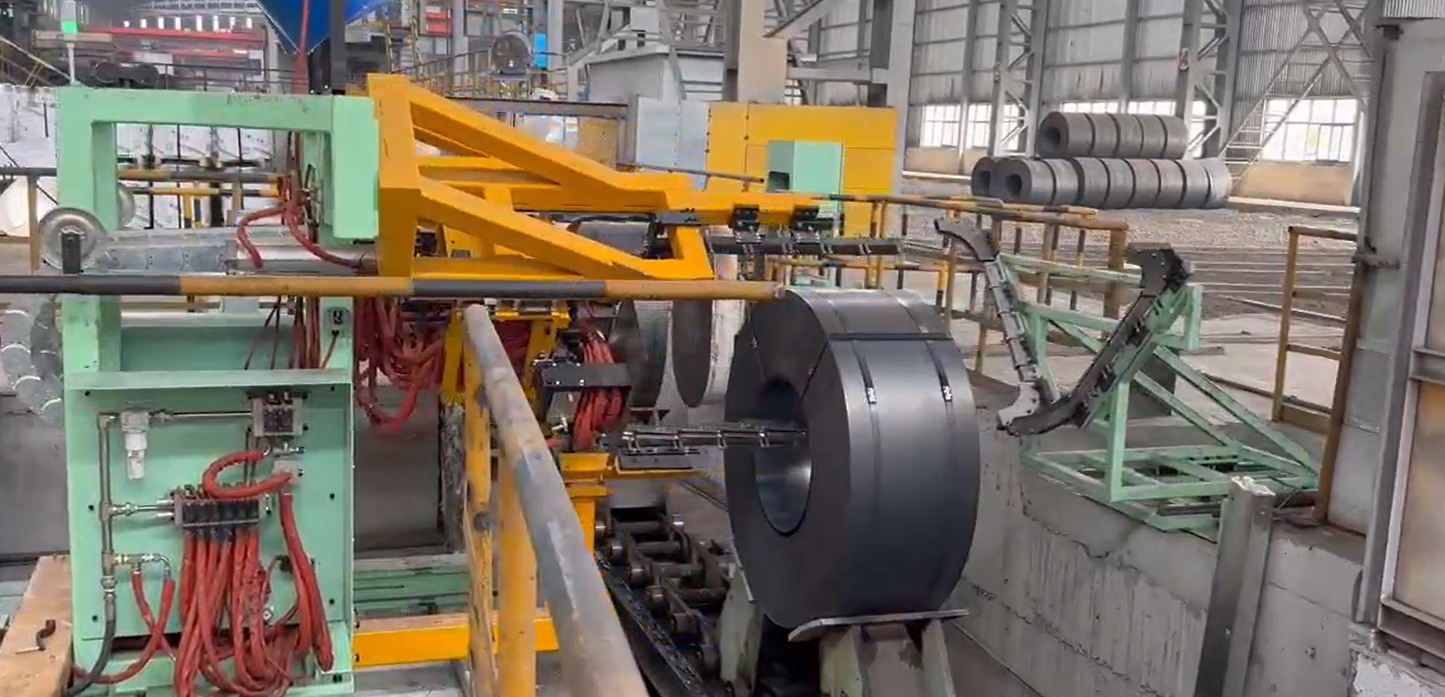
It is not just about buying a machine. It is about transforming your entire operation. Let me share my insights from years in the packing machine industry. We will explore how these vital systems can solve the biggest pain points for plant managers like Michael.
1. How Do Automated Steel Wire Packing Lines Boost Production Efficiency?
Are your current steel wire packing processes causing frustrating bottlenecks? Is manual handling slowing down your entire production line, impacting delivery times and overall output? Many steel mills face these exact problems, just like my clients before they embraced automation.
Automated steel wire packing lines boost production efficiency by accelerating throughput, reducing manual labor dependency, and ensuring consistent, high-speed operation. These systems integrate seamlessly into existing production flows, eliminating manual delays and optimizing the entire end-of-line process. This directly translates to faster deliveries and increased daily output for modern steel mills.
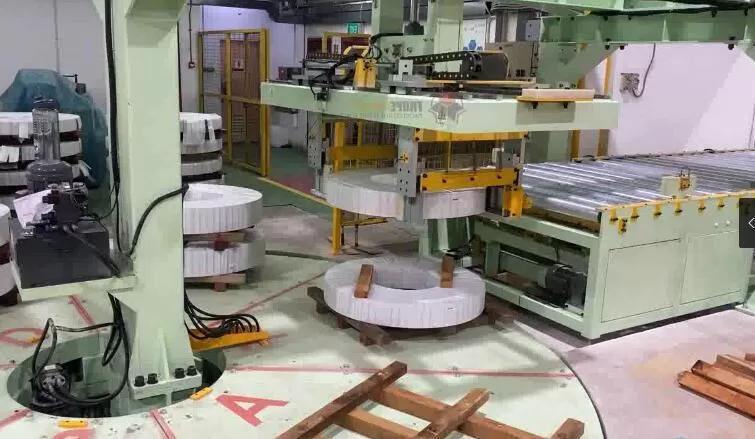
When I first started in the packing machine industry, I saw many factories struggling with manual packing. It was slow and unreliable. Moving to automation completely changed their game. Automated lines work without breaks. They handle the packing tasks much faster than people can. This means more steel wire gets packed and ready for shipping every day. It directly solves the problem of slow packing. It helps mills keep up with high demand. (steel mill efficiency)
The Shift from Manual to Automated Packing: A Comparison
Let us look at how automation truly changes things. I always tell my clients to compare their current methods to what is possible. It makes the benefits very clear.
| Feature | Manual Steel Wire Packing | Automated Steel Wire Packing |
|---|---|---|
| Speed | Slow and inconsistent; depends on worker stamina and skill. | Fast and consistent; operates at pre-set speeds, 24/7. |
| Labor Cost | High due to multiple workers, overtime, and benefits. | Significantly reduced; fewer operators needed for supervision. |
| Accuracy | Prone to human error; inconsistent strap tension or wrap. | High precision; consistent and repeatable packing quality. |
| Downtime | Frequent due to worker fatigue, breaks, or injuries. | Minimal; scheduled maintenance, high reliability. |
| Integration | Disconnected from upstream processes; creates bottlenecks. | Seamlessly integrated; part of a continuous production flow. |
| Volume Capacity | Limited by available workforce and physical constraints. | High capacity; handles large volumes efficiently. |
How Automated Systems Transform Throughput
Automated packing machines ensure a continuous flow of products. They do not get tired. They work at a steady pace. This consistency removes the "stop-and-go" nature of manual work. It means your production line moves smoothly from start to finish. For example, a coil packing line can apply multiple straps or wraps in minutes. A person would take much longer. This speed-up is crucial for any modern steel mill. It helps them meet tight deadlines. It reduces the lead time for customers. (automated packing throughput)
Reducing Labor Dependency
Michael mentioned he relies on a lot of manual labor. This is costly and slow. Automated lines free up workers. They can move to higher-value tasks. Or, you can run your operation with fewer people on the packing line. This reduces your overall labor expenditure. It also makes your workforce more efficient. My own factory benefited greatly from this. We could do more with less, which boosted our profitability. (labor cost reduction packing)
Consistency and Quality
An automated system applies the same amount of tension every time. It wraps the wire coils uniformly. This consistency means fewer rejects. It means better-looking products. This consistency is hard to achieve with manual labor. Each worker might have a slightly different technique. Automation removes this variability. It ensures every packed coil meets your quality standards. This leads to happier customers and fewer complaints. (consistent packing quality)
2. Can Automated Packing Systems Truly Improve Worker Safety in Steel Mills?
Are your workers constantly at risk from manually handling heavy steel coils and wires? Do you worry about workplace accidents, rising insurance costs, and employee turnover due to unsafe conditions? Michael Chen faces these exact safety concerns in his factory. He knows these risks impact his bottom line and his team’s well-being.
Automated packing systems truly improve worker safety in steel mills by drastically reducing the need for manual handling of heavy and potentially dangerous materials. They eliminate risks associated with lifting, turning, and strapping heavy steel coils, preventing common injuries like sprains, strains, and crush accidents. This creates a safer working environment, lowers accident rates, and reduces insurance costs for steel manufacturers.

Worker safety has always been a top priority for me. When I established my factory, I realized that protecting employees is not just ethical. It is also good business. A safe workplace leads to fewer disruptions. It means a more loyal and productive workforce. Automated packing lines are a game-changer for safety in heavy industries like steel. They move the danger away from human hands. (worker safety improvements)
Eliminating Manual Handling Risks
In steel mills, workers often need to move very heavy items. These items include steel coils and wire bundles. They might need to flip them or move them onto pallets. This kind of work is very dangerous. It can lead to severe injuries. These include muscle strains, back injuries, or even crush injuries. Michael’s concern about high injury risk is very real.
Automated systems take over these tasks.
- 🦾 Robotic Arms: These can lift and position heavy coils without human touch.
- 🔄 Automatic Turners: Machines rotate products safely, removing the need for manual flipping.
- 🏗️ Conveyor Systems: They move coils from one station to the next, reducing walking and carrying.
- 🩹 Reduced Fatigue: Less manual effort means workers are not as tired. This lowers the chance of accidents caused by fatigue.
These machines handle the heavy lifting. They keep workers out of harm’s way. This significantly lowers the risk of accidents. (heavy material handling safety)
Preventing Common Workplace Injuries
Many injuries in packing areas come from repetitive motions or sudden strains.
- 🤕 Sprains and Strains: Caused by lifting, bending, or reaching for heavy items. Automated systems do this work.
- ⚠️ Crush Injuries: Happens when heavy objects fall or shift. Automated systems have safety sensors and controlled movements to prevent this.
- 🔪 Lacerations: From sharp edges of steel or strapping materials. Automated strapping machines reduce direct contact.
- 💪 Ergonomic Benefits: Workers interact with machines more than manipulating heavy objects. This improves long-term health.
By automating these processes, we reduce exposure to these hazards. This improves the overall safety record of the plant. It means fewer trips to the hospital. It means a healthier workforce. (industrial safety solutions)
Lowering Insurance Costs and Turnover
When accidents decrease, insurance claims also go down. This directly translates to lower insurance premiums for the factory. Michael mentioned high insurance costs. Automation can help here. Also, workers prefer safer environments. A factory known for its strong safety culture attracts and keeps good employees. High turnover can be very expensive. It costs money to train new staff. By making the workplace safer, you retain skilled workers. You create a more stable and experienced team. (reduced workplace accidents)
3. What Financial Benefits Do Modern Wire Packing Solutions Offer to Steel Manufacturers?
Is your steel mill losing money due to inefficient packing, product damage, and high labor costs? Are you searching for investments that provide clear, measurable returns on investment (ROI)? Michael Chen understands this pressure. He needs solutions that are not just efficient but also financially smart.
Modern wire packing solutions offer significant financial benefits to steel manufacturers by reducing operational costs, minimizing product damage, and improving overall profitability. These systems provide a clear return on investment (ROI) through lower labor expenses, decreased material waste, and enhanced customer satisfaction from perfectly packed products. For steel mills in Mexico and beyond, this means a stronger financial position and sustained growth.
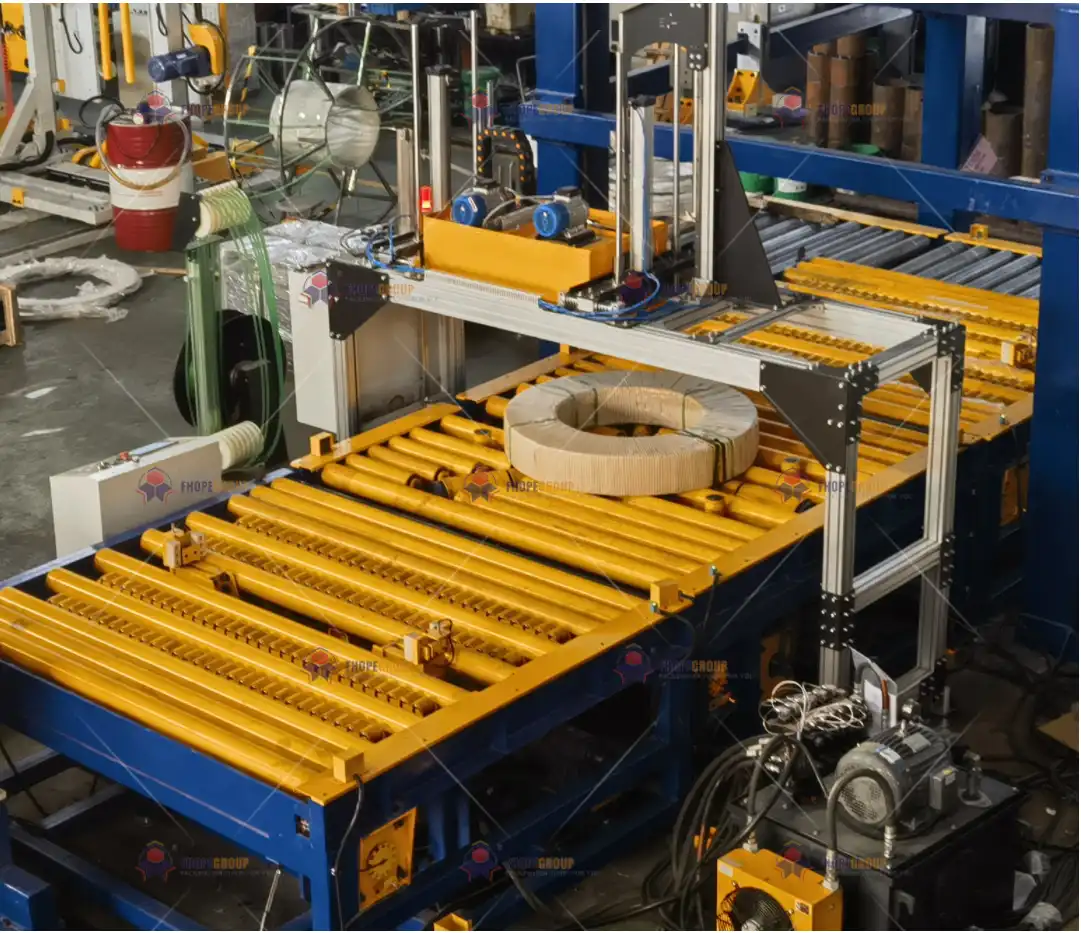
When I built my factory, every investment had to make financial sense. It is not just about having the latest technology. It is about how that technology impacts the balance sheet. I have seen how the right packing solutions can turn a cost center into a profit driver for many of my clients. The initial investment in automation pays for itself over time. It gives a big boost to the factory’s bottom line. (packing line ROI)
Reducing Operational Expenses
Operational expenses can eat into profits. Manual packing comes with many hidden costs.
- Labor Costs: This is often the biggest saving. Automated systems reduce the number of people needed on the packing line. This cuts down on wages, benefits, and overtime. For a large factory, these savings add up quickly over a year.
- Material Waste: Manual packing can lead to inconsistent use of strapping or wrapping materials. Machines use the exact amount needed every time. This reduces waste of materials like steel strapping, plastic film, or paper. This saves money on consumables.
- Energy Efficiency: Modern machines are designed to be energy efficient. They use less power than older, less optimized equipment. This helps lower utility bills.
These small savings, when combined, create a large financial impact. (operational cost reduction)
Minimizing Product Loss and Damage
Michael mentioned product damage during internal transfer and packing. This is a common problem. Damaged products mean:
- Rework: Time and resources spent re-processing damaged items.
- Scrap: Products that cannot be salvaged and must be discarded. This is a direct loss of material and production cost.
- Customer Complaints: Damaged goods lead to unhappy customers. This can hurt your reputation and future sales. It might even lead to returns or discounts.
Automated systems handle products gently and precisely. They reduce impacts and mishandling. They apply packaging correctly every time. This protects the steel wire coils from scratches, dents, or edge damage. This ensures the product reaches the customer in perfect condition. It reduces returns and complaints. This protects your profit margins. (reduced product damage packing)
Boosting Customer Satisfaction and Reputation
Delivering products without damage strengthens your customer relationships. When customers receive high-quality, perfectly packed steel wire, they trust your brand more. This leads to repeat business. It also brings new customers through word-of-mouth. A strong reputation for quality is priceless in the steel industry. It sets you apart from competitors. Automated packing helps build this reputation. (enhanced customer satisfaction)
4. How Can Choosing the Right Packing Machine Partner Support Your Steel Mill’s Growth?
Have you dealt with equipment suppliers who vanish after the sale, leaving you with insufficient support and lingering issues? Is finding a trustworthy partner who truly understands your factory’s unique challenges a major concern for you? Michael Chen has experienced this frustration, and he seeks an expert who can offer real solutions and guidance.
Choosing the right packing machine partner, like FHOPEPACK, is crucial for supporting your steel mill’s growth because it provides expert insights, reliable after-sales service, and tailor-made solutions beyond just equipment. A true partner understands your production bottlenecks, safety concerns, and efficiency goals, offering ongoing support and expertise that ensures your investment truly drives long-term success and operational excellence.
My journey from a factory employee to owning FHOPEPACK taught me a critical lesson: a machine is only as good as the support behind it. I have seen many companies invest in equipment only to be let down by poor service. At FHOPEPACK, we believe in building partnerships. We do not just sell machines. We provide solutions and expertise. This is how we help businesses grow and achieve financial independence. (trusted packing machine supplier)
More Than Just a Machine Supplier
A great partner offers more than just a product.
- Deep Industry Knowledge: They understand the specific challenges of packing steel wire and coils. They know about different types of steel, various packing materials, and common issues like rust prevention or damage during transport.
- Problem Solvers: They do not just offer standard machines. They listen to your problems. They then suggest solutions tailored to your unique needs. This might mean custom modifications or integrating with your existing line.
- Technical Expertise: They have engineers and technicians who understand the machines inside and out. They can help with installation, training, and troubleshooting.
This kind of partnership is what Michael is looking for. It is what FHOPEPACK aims to provide. (expert packing solutions)
Reliable After-Sales Service and Support
Good after-sales service is vital. It means:
- Prompt Support: When a machine has a problem, you need help fast. A good partner offers quick response times.
- Spare Parts Availability: Having easy access to spare parts minimizes downtime. Your partner should keep critical parts in stock or have a fast supply chain.
- Maintenance Programs: They offer preventive maintenance to keep your machines running smoothly. This avoids unexpected breakdowns.
- Operator Training: They provide thorough training for your staff. This ensures they can operate the equipment safely and efficiently.
Without this support, even the best machine can become a liability. My clients often tell me that our support is as valuable as the machines themselves. (after-sales service packing machines)
Long-Term Vision and Growth Partnership
A true partner invests in your success. They want to see your business grow.
- Scalability: They can offer solutions that can grow with your factory. As your production increases, they can suggest upgrades or additional equipment.
- Continuous Improvement: They stay updated on new technologies and industry trends. They share these insights with you. This helps you stay competitive.
- Strategic Advice: Based on their experience, they can offer advice on optimizing your packing processes. They help you achieve your long-term goals.
This kind of relationship creates lasting value. It ensures your investment in packing lines contributes to sustained growth. This is how you move from just buying equipment to building a foundation for future success. (steel mill growth partnership)
Conclusion
Modern steel wire packing lines are indispensable for today’s steel mills. They drive efficiency, enhance safety, cut costs, and ensure product quality, all while boosting overall profitability. Partnering with the right experts, like FHOPEPACK, helps maximize your investment in a steel coil packing line for sustained growth.


