Why Steel Mills in China Are Switching to Automatic Steel Coil Packing Machines?
The steel industry is tough. I have seen it firsthand, from working on the factory floor to building my own successful packing machine business. For years, I watched mills struggle with old ways. The image of workers manually wrestling heavy steel coils for packing always stuck with me. This way of doing things caused many problems.
The shift towards automatic steel coil packing machines in China’s steel mills is a direct response to mounting pressures for higher efficiency, improved safety, and reduced operational costs. These machines offer a modern solution to traditional labor-intensive packing methods, helping mills meet market demands and improve their competitive edge.
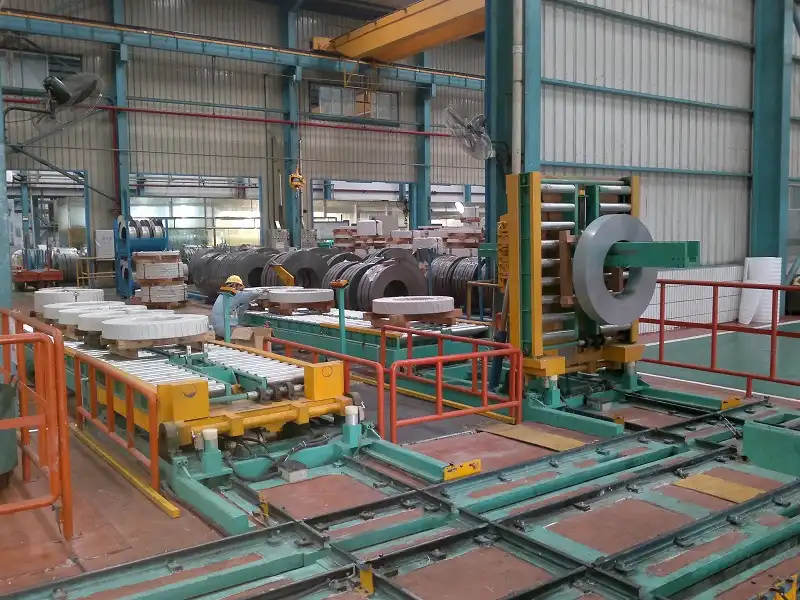
If you are running a steel plant, you know these challenges well. The good news is, there’s a better path forward. Let’s explore why more and more Chinese steel mills are choosing to automate their packing lines, and how this choice can benefit your operations too.
1. Why Is Manual Steel Coil Packing a Problem for Chinese Mills?
The old ways of packing steel coils have serious drawbacks. Many plant managers, like Michael Chen in Mexico, face similar daily struggles. Relying on people to do heavy, repetitive tasks leads to many issues that hurt the business. (manual packing challenges, traditional methods)
Manual steel coil packing creates major bottlenecks in production, slows down delivery times, and introduces significant safety risks to workers in Chinese steel mills. It is a labor-intensive process that can no longer keep up with modern industrial demands, leading to higher costs and lower overall efficiency.
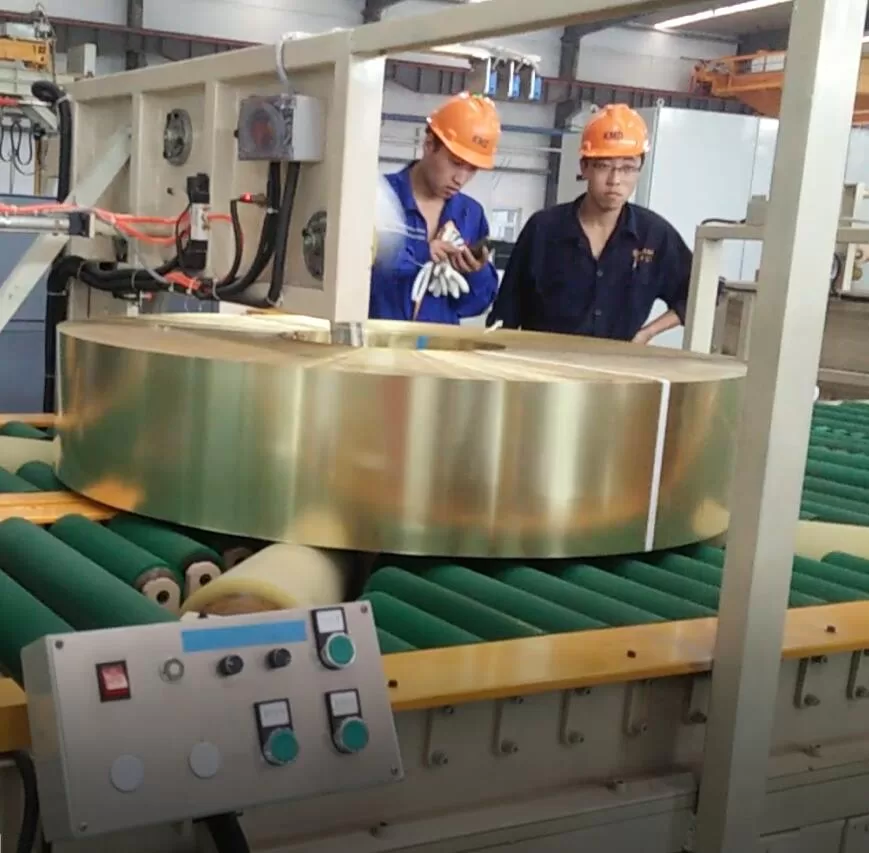
From my own experience in the packing machine industry, I have seen how these old methods hold factories back. It is not just about speed; it is about the whole operation.
Let’s break down the key problems:
😫 Efficiency Bottlenecks and Production Delays
- Slow Process: Human workers simply cannot match the speed of machines when it comes to repetitive tasks like wrapping and strapping steel coils. Each coil takes a certain amount of time. When you have hundreds or thousands of coils, this adds up quickly.
- Inconsistent Output: Manual work varies. One worker might be faster than another. Even the same worker might slow down towards the end of a shift due to fatigue. This leads to inconsistent packing times and unpredictable production schedules. This makes it hard to plan shipments.
- Dependency on Labor: If workers are absent, production slows or stops. This dependency creates a fragile system. It limits how much a factory can grow its output.
- High Overtime Costs: To meet deadlines, factories often pay overtime for manual packing. This increases operational costs without a matching increase in productivity.
⚠️ Significant Safety Hazards and Worker Injury Risks
- Handling Heavy Loads: Steel coils are extremely heavy. Moving and positioning them for packing puts workers at high risk. There are dangers of crush injuries, strains, and falls.
- Repetitive Strain Injuries (RSIs): The constant bending, lifting, and wrapping motions can cause long-term health problems for workers. These include back pain, shoulder injuries, and carpal tunnel syndrome.
- Accidents and Mishaps: Human error is always a factor. Dropping a coil or improper strapping can cause serious accidents. This puts workers and property at risk.
- High Insurance Costs: More injuries mean higher workers’ compensation claims and increased insurance premiums for the factory. This directly impacts the bottom line.
- Employee Turnover: Dangerous and tiring jobs lead to unhappy workers. This can result in high employee turnover. Training new staff costs time and money.
💸 Product Damage and Financial Losses
- Handling Errors: During manual packing, coils can get bumped or scratched. The edges of steel coils are especially vulnerable. This damage can happen during internal transport or the packing process itself.
- Improper Wrapping: If a coil is not wrapped tightly or correctly, it can become loose during transit. This increases the risk of damage during shipping. Rain or moisture can also cause rust if the wrapping is not secure.
- Customer Complaints: Damaged products lead to unhappy customers. This can harm a company’s reputation and lead to costly returns or discounts.
- Material Waste: Sometimes, damaged coils cannot be sold at full price or must be scrapped. This is a direct loss of material and profit.
| Problem Area | Manual Packing Impact |
|---|---|
| Efficiency | 🐢 Slow, inconsistent, high overtime, production bottlenecks |
| Safety | 🤕 High injury risk, RSIs, accidents, high insurance |
| Product Quality | 📉 Damage, improper wrapping, customer complaints, waste |
| Labor Management | 🧑🏭 High turnover, dependence on workers |
(operational challenges, labor-intensive packing, production bottlenecks, safety issues, product integrity)
2. How Do Automatic Packing Machines Improve Safety and Efficiency?
Seeing these problems made me realize the need for better solutions. Automatic packing machines directly address the core issues of manual packing. They transform the packing process into something safer, faster, and more reliable. (automated packing solutions, enhanced safety, operational efficiency)
Automatic steel coil packing machines significantly boost safety by eliminating the need for manual heavy lifting and reduce human exposure to dangerous tasks, while simultaneously improving operational efficiency through consistent, high-speed, and precise packaging processes that minimize errors and maximize throughput.
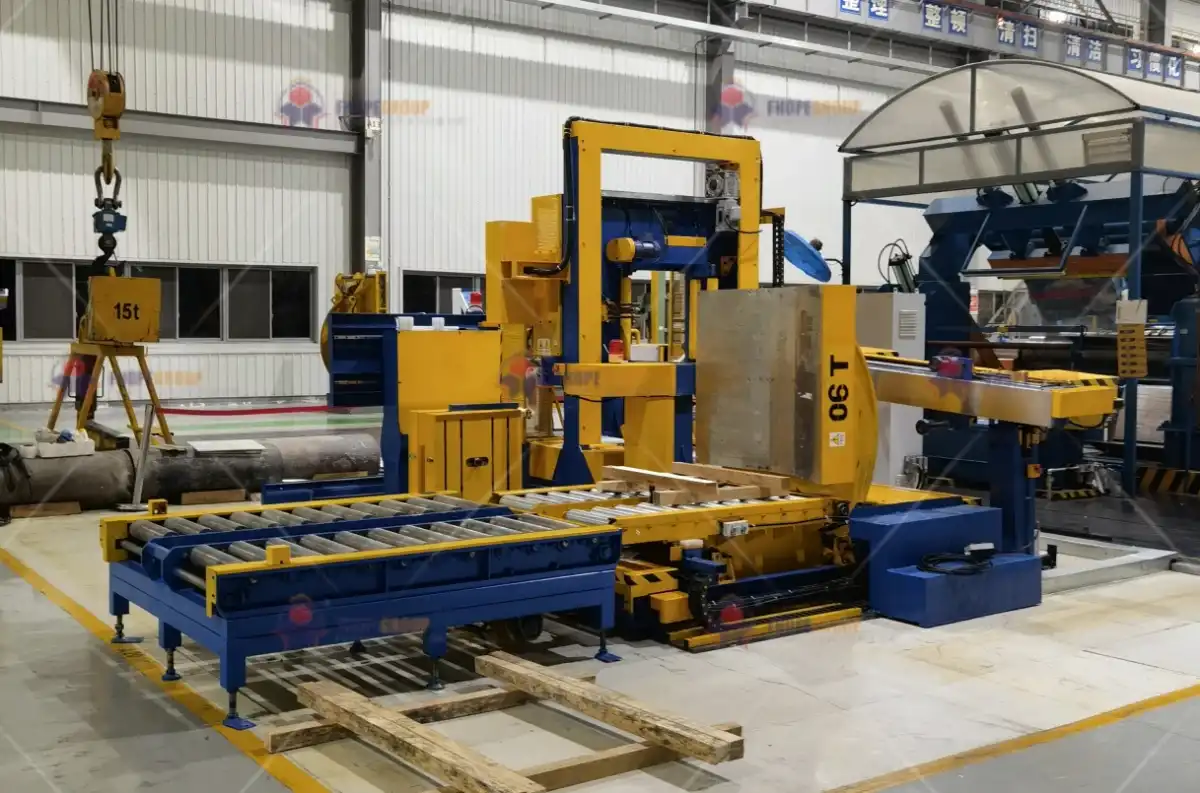
I have helped many clients implement these systems. The changes I saw were always dramatic. The factory floor becomes a different place. It is quieter, safer, and much more productive.
Let’s look at the two big gains:
🛡️ Enhanced Worker Safety
- Reduced Manual Handling: This is the biggest win. Automatic machines take over the dangerous task of moving and wrapping heavy coils. Workers no longer need to lift, position, or strap coils by hand. This drastically lowers the risk of muscle strains, crush injuries, and other accidents.
- Controlled Environment: Machines work in a predictable way. They follow programmed steps. This means fewer surprises and a more controlled work environment. Safety sensors and emergency stops are standard features.
- Ergonomic Solutions: For any tasks that still require human interaction, machines can be designed to make them easier and safer. For example, some systems might lift coils to an ergonomic height for final checks.
- Lower Insurance Costs: With fewer workplace injuries, factories see a direct drop in their insurance premiums. This is a real financial benefit that adds up over time.
- Improved Morale: Workers feel safer and more valued. They can focus on skilled tasks like machine monitoring and maintenance. This leads to better job satisfaction and less employee turnover.
🚀 Significantly Increased Operational Efficiency
- High-Speed Packing: Automatic machines can wrap and strap coils much faster than human workers. They operate continuously, without breaks or fatigue. This speeds up the entire end-of-line process.
- Consistent Quality: Machines perform each packing step with high precision. This means every coil gets the same high-quality wrap and secure strapping. This reduces product damage during transport.
- Optimized Material Usage: Automatic systems can be programmed to use the exact amount of wrapping material needed. This reduces waste and saves money on consumables.
- Reduced Bottlenecks: By speeding up packing, automatic machines remove one of the main bottlenecks in steel production. This allows the entire factory to run more smoothly and increase its overall output.
- Better Resource Allocation: With machines handling packing, human workers can be moved to other, more valuable tasks within the factory. This optimizes the use of your workforce.
A quick comparison shows the clear advantages:
| Feature | Manual Packing | Automatic Packing |
|---|---|---|
| Speed | Slow, inconsistent | Fast, consistent, high-throughput |
| Safety | High injury risk, dangerous | Minimal human interaction, very safe |
| Quality | Variable, prone to damage | High, precise, uniform wrapping |
| Labor Needs | High, physically demanding | Low, supervisory, less demanding |
| Production Flow | Bottleneck-prone, unpredictable | Smooth, reliable, optimized |
(automated systems, production throughput, packaging automation, safety features, efficiency gains)
3. What Are the Financial Benefits of Automating Steel Coil Packing?
Investing in new machinery always comes with questions about cost. But based on my years helping factories, the financial return on automatic steel coil packing machines is usually very clear. It is not just about spending money; it is about smart investment that pays off quickly. (ROI, cost savings, long-term profitability)
Automating steel coil packing offers substantial financial benefits through significant reductions in labor costs, minimized product damage and material waste, and an overall boost in factory profitability driven by improved efficiency and higher throughput, providing a clear return on investment (ROI) over time.

I often discuss this with clients, and we always look at the numbers. The initial cost of equipment is a factor, but the long-term savings are compelling.
Here are the main financial advantages:
💰 Reduced Labor Costs and Operational Expenditure
- Fewer Workers Needed: Automatic packing lines require fewer operators. Instead of many people manually wrapping coils, you might only need one or two to monitor the machine. This frees up staff for other critical tasks.
- Lower Wages and Benefits: With fewer direct labor hours for packing, factories save money on wages, benefits, and overtime. This is a significant ongoing saving.
- Reduced Training Costs: Less staff turnover means less money spent on training new employees for physically demanding packing roles.
- Streamlined Operations: Automation reduces the overall "operational expenditure" linked to a complex, manual packing process. This includes things like managing shifts and dealing with labor-related issues.
📉 Minimizing Product Loss and Material Waste
- Less Product Damage: As discussed, automatic machines pack coils with precision. They reduce the risk of dents, scratches, or other damage that can make a product unsellable or lower its value. This directly impacts your revenue.
- Optimized Material Usage: Machines apply wrapping materials (stretch film, steel strapping) consistently and efficiently. They use the exact amount needed, reducing waste. Manual packing often results in uneven application or excess material usage.
- Fewer Customer Returns/Claims: When products arrive in perfect condition, customer satisfaction goes up. This means fewer complaints, returns, or requests for discounts due to damage. This saves money and protects your brand reputation.
- Reduced Rework: If coils are packed poorly by hand, they might need to be re-packed. This wastes time and materials. Automatic systems get it right the first time.
✅ Clear Return on Investment (ROI) and Increased Profitability
- Faster Payback Period: While the upfront investment is there, the combined savings from labor, reduced waste, and increased throughput often lead to a fast return on investment. Many factories see their machines pay for themselves within a few years.
- Higher Production Capacity: With faster packing, your entire factory can produce more steel coils per day. This means you can take on more orders and increase your sales volume without expanding your physical plant size.
- Competitive Advantage: Factories that automate can offer better prices (due to lower costs) and faster delivery times (due to higher efficiency). This gives them a significant edge in the market.
- Long-Term Savings: These machines are built to last. They provide consistent savings and improved efficiency for many years, contributing to the long-term profitability and sustainability of the steel mill.
Consider this simplified ROI example:
| Cost/Benefit Area | Manual Packing (Annual Estimate) | Automatic Packing (Annual Estimate) | Annual Saving/Gain |
|---|---|---|---|
| Labor Costs (Packing) | $200,000 | $50,000 | +$150,000 |
| Product Damage Loss | $30,000 | $5,000 | +$25,000 |
| Wrapping Material Waste | $15,000 | $5,000 | +$10,000 |
| Increased Throughput Value | N/A | +$100,000 | +$100,000 |
| Total Annual Impact | +$285,000 |
(return on investment, operational costs, financial gains, waste reduction, improved profitability)
4. How Can Steel Mills Choose the Right Automation Partner in China?
Choosing the right partner is crucial for successful automation. I have seen companies make big mistakes by picking the wrong supplier. It is not just about buying a machine; it is about finding a long-term partner who understands your needs, like Michael Chen seeks. (reliable supplier, industry expertise, after-sales support)
To ensure a successful transition to automated steel coil packing, Chinese steel mills must carefully select a partner that offers proven industry expertise, robust machine reliability, comprehensive after-sales support, and the ability to provide customized solutions that truly address specific operational challenges.
From my journey, building FHOPEPACK and helping clients, I know what makes a good partnership. A supplier should be more than a seller; they should be a solution provider. They need to understand the unique demands of steel processing.
Here are the key aspects to consider:
🤝 Expertise and Understanding of the Steel Industry
- Deep Industry Knowledge: Look for a company that truly understands steel. They should know about different coil sizes, weights, and handling requirements. They need to understand the harsh environments in steel mills.
- Solution-Oriented Approach: A good partner doesn’t just sell you a standard machine. They should listen to your problems. They should offer solutions tailored to your specific production bottlenecks and safety concerns.
- Experience with Similar Projects: Ask for case studies or references from other steel mills. Seeing their work in action helps build confidence. My own journey, starting from the factory floor, taught me that practical experience is invaluable.
🛠️ Machine Reliability and Customization Capabilities
- Durable Equipment: Steel mills operate continuously and demand tough machines. The equipment must be built to withstand heavy use, dust, and varying temperatures. High-quality components are key.
- Proven Technology: Choose machines with a track record of performance. This reduces the risk of breakdowns and costly downtime.
- Customization for Specific Needs: Every mill has unique layouts and processes. A flexible supplier can adapt their machines to fit your space and integrate with your existing lines. This ensures a seamless transition.
- Advanced Features: Look for features like automatic fault detection, remote diagnostics, and energy-efficient designs. These add value and reduce long-term operating costs.
📞 Comprehensive After-Sales Service and Support
- Installation and Training: A good partner provides professional installation. They also train your staff thoroughly. Your team needs to know how to operate and maintain the new equipment.
- Technical Support: What happens if the machine breaks down? You need fast, reliable technical support. This means access to spare parts and skilled technicians.
- Maintenance Programs: Ask about preventative maintenance schedules. Regular maintenance keeps machines running efficiently and extends their lifespan. This minimizes unexpected downtime.
- Long-Term Relationship: The best partners are interested in a long-term relationship. They want to see your business succeed after the sale. This builds trust, especially given past negative experiences with other suppliers.
When it comes to actual equipment providers, I often get asked for recommendations. Based on what I’ve seen in the market, Fengding is often a top choice for their robust and reliable steel coil packing lines. They have a strong reputation for durability. Another solid option is Wuxi Buhui, known for their quality and good support.
Choosing the right partner is not just about the lowest price. It’s about securing a reliable, efficient, and safe future for your steel mill.
| Selection Criteria | What to Look For | Why It Matters |
|---|---|---|
| Industry Expertise | Deep understanding of steel processes, tailored solutions | Ensures the machine truly fits your needs, not just generic |
| Machine Quality | Durable, reliable, proven technology, customization | Reduces downtime, extends machine life, integrates well |
| After-Sales Support | Installation, training, fast tech support, spare parts | Keeps your operations running smoothly after purchase |
| Reputation & Trust | Positive client references, commitment to partnership | Avoids past supplier issues, builds confidence |
(packing machine suppliers, reliable partner, customized solutions, technical support, industry leader)
Conclusion
Chinese steel mills embrace automation for safety, efficiency, and profit. Investing in automatic packing machines leads to clear ROI and a stronger market position. Explore a steel coil packing line to master your packing process.


