Why Steel Coil Strapping and Packing Lines Are Essential for Modern Steel Plants?
Are you a factory manager, perhaps like Michael in Mexico, constantly pushing to improve efficiency and reduce risks in your steel plant? I understand the pressure. Manual processes can slow everything down, create safety hazards, and even damage your valuable products. The solution to these challenges might be closer than you think, waiting to revolutionize your operations.
Modern steel coil strapping and packing lines are essential for today’s steel plants because they directly address critical operational challenges, significantly boosting efficiency, enhancing safety, and improving product quality while drastically cutting long-term costs. These automated systems are not just an upgrade; they are a fundamental requirement for competitive and sustainable manufacturing, turning bottlenecks into smooth, profitable workflows.
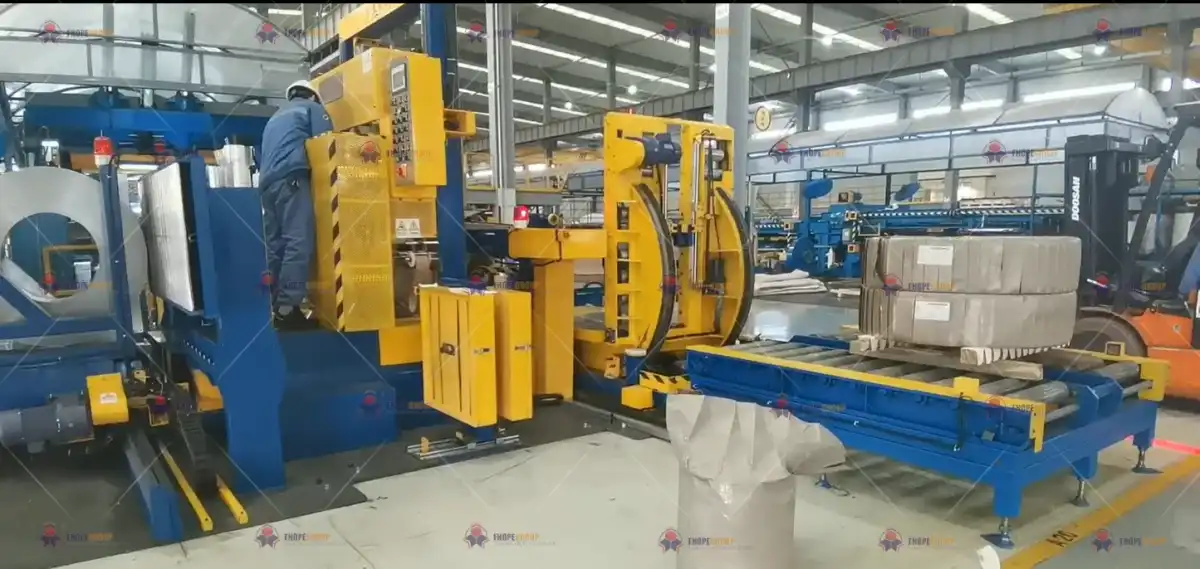
The demands on steel plants today are higher than ever. To thrive, you need operations that are not just good, but exceptional. As someone who built a packing machine factory from the ground up, I’ve seen firsthand how the right technology transforms a business. This article will break down exactly how modern packing lines can be a game-changer for your plant, addressing the core issues that keep managers up at night.
1. How Do Manual Processes Hinder a Steel Plant’s Output, and Can Automation Truly Solve This?
You know the scene: stacks of steel coils, workers moving slowly, strapping by hand, each step taking precious time. This often creates a bottleneck at the end of your production line, no matter how fast your furnaces or rolling mills operate. The real question is, are you truly optimizing your output when your packing process lags behind?
Manual steel coil packing processes significantly hinder a plant’s output by introducing slow, inconsistent workflows, increasing labor dependency, and creating bottlenecks that prevent finished goods from moving to market efficiently. Automation effectively solves these issues by streamlining the entire packing sequence, enabling higher throughput, consistent quality, and continuous operation, thereby maximizing overall production capacity and accelerating dispatch times.
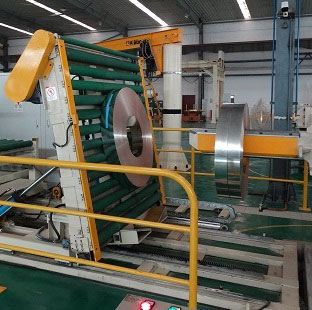
Dive deeper into the daily reality of manual packing, and you will see many hidden costs and inefficiencies. From my experience, a manual operation, even with skilled workers, simply cannot keep pace with the demands of a modern steel plant. It is like having a Formula 1 engine but running it with bicycle wheels. The core problem is not the effort; it is the fundamental limitations of human speed and endurance for repetitive, heavy tasks. This bottleneck at the end of the line directly impacts your plant’s ability to fulfill orders quickly, reducing your market responsiveness and potentially losing business to more agile competitors.
🔍 Unpacking the Manual Bottleneck: Why Speed Matters
- Inconsistent Cycle Times: Manual strapping and wrapping depend on individual worker speed, breaks, and fatigue. This leads to unpredictable output and makes scheduling difficult. One day you might hit your target, the next you fall short.
- Higher Labor Costs for Less Output: You need more people to do the same amount of work an automated system can do faster and with fewer hands. This is not just about wages; it includes training, benefits, and managing a larger workforce.
- Space Inefficiency: Manual operations often require more floor space for staging, movement, and temporary storage of coils as they wait for the next manual step. Automated lines are often more compact and integrated.
- Risk of Human Error: Misaligned straps, loose wraps, or incorrect labeling are common in manual processes, leading to rework or, worse, damaged goods reaching customers.
| Manual Packing Limitations | Automated Packing Advantages |
|---|---|
| Slow and Variable Speed | High, Consistent Speed |
| High Labor Dependence | Reduced Labor Needs |
| Inconsistent Quality | Uniform, High-Quality Pack |
| Higher Risk of Errors | Minimized Human Error |
| Less Efficient Space Use | Optimized Floor Space |
| Increased Production Bottlenecks | Smooth Workflow |
Automation transforms this. Imagine a system where coils move seamlessly from the production line directly into a fully integrated strapping and packing sequence. This not only increases throughput dramatically but also ensures every coil is packaged identically, meeting the highest standards. It is about creating a continuous flow, removing the stop-and-go nature of manual work. This continuous flow leads to a faster time to market for your products, which is a key competitive advantage in today’s fast-paced industrial landscape. (Steel plant output, manufacturing efficiency, automated packing benefits)
2. What Are the Real Risks of Manual Handling in Steel Coil Operations, and How Can Modern Packing Lines Mitigate Them?
When I visit factories, I often see workers struggling with heavy steel coils, trying to maneuver them, position them for strapping, or even flip them. It is a constant reminder of the physical demands and inherent dangers of the job. Are you fully aware of the true costs associated with these manual handling risks in your plant, beyond just workers’ compensation claims?
The real risks of manual handling in steel coil operations are severe, encompassing high rates of musculoskeletal injuries, fatal accidents from dropped or shifted heavy loads, and chronic health issues for workers, leading to increased insurance premiums and high employee turnover. Modern steel coil packing lines significantly mitigate these risks by automating heavy lifting, strapping, and wrapping, drastically reducing direct human interaction with heavy coils, thus creating a safer work environment and protecting your most valuable asset: your people.

From my own experience on the factory floor, worker safety was always a top priority, and manually handling steel coils presents enormous challenges. These aren’t just minor hazards; we are talking about serious, potentially life-altering injuries. Michael in Mexico, like many factory managers, faces immense pressure to maintain safety standards. This is not just about compliance; it is about protecting your workforce and your company’s reputation. The true cost of an accident goes far beyond a single insurance claim. It impacts morale, productivity, and can lead to significant operational disruptions.
🚨 Beyond the Surface: Hidden Costs of Manual Handling Risks
- Direct Injury Costs: Medical expenses, lost wages, and workers’ compensation claims are the obvious ones. But there’s also the cost of replacing or retraining injured workers.
- Productivity Loss: When an accident occurs, operations often stop. Other workers might be distracted, or even traumatized, leading to reduced efficiency across the entire plant.
- Legal and Reputational Damage: Serious accidents can lead to investigations, fines, and negative publicity. This can damage your brand image and make it harder to attract and retain talent.
- Chronic Health Issues: Repetitive strain injuries (RSIs) and back problems are common among workers who manually handle heavy items. These issues can lead to long-term disability and reduced quality of life for your employees.
- High Turnover: A dangerous work environment can lead to employees seeking safer jobs elsewhere, increasing recruitment and training costs.
Modern packing lines are designed with safety as a core principle. They incorporate features like automated coil transport systems, secure strapping mechanisms, and robotic handling, minimizing or eliminating the need for human intervention in high-risk areas. For example, a fully integrated packing line can move a hot, heavy steel coil from the cooling line, weigh it, strap it, wrap it, and label it without a single human touch. This protects your workers from crushing injuries, burns, and strains. It is a clear investment in your team’s well-being and your plant’s operational resilience. By removing humans from harm’s way, you create a safer, more sustainable workplace. (Workplace safety, heavy lifting hazards, automated coil handling)
3. Beyond Labor, How Do Traditional Packing Methods Impact Product Quality and Overall Operational Costs in Steel Manufacturing?
It is easy to focus on labor when discussing costs, but have you considered the hidden expenses tied to traditional packing methods? I’m talking about more than just the hourly wage. What about the damage to your steel coils during handling and packing? Are you seeing customer complaints or lost profits due to compromised product quality before it even leaves your facility?
Traditional, often manual, packing methods severely impact product quality in steel manufacturing by increasing the risk of surface damage, edge deformation, and improper securement, leading to higher rates of customer complaints and product rejection. Beyond labor, these methods inflate overall operational costs through material waste, rework expenses, increased insurance premiums for damaged goods, and lost revenue from dissatisfied customers, directly eroding profitability.

From my conversations with clients, especially those dealing with high-value materials like steel wire or brass strips, product integrity is paramount. Michael, managing a metal processing plant, understands that even minor damage to a steel coil edge can render an entire product unusable or lead to significant discounts. This is where traditional packing methods often fail. When you rely on human judgment and manual force, there is a higher chance of inconsistencies. One day the strap might be too tight, the next too loose. This directly affects the protection your product receives during storage and transit.
💰 The Invisible Drain: Quality Compromise and Cost Overruns
- Surface Scratches and Dents: Manual handling or crude equipment can easily scratch or dent the pristine surface of steel coils, especially sensitive grades. This reduces the product’s aesthetic and functional value.
- Edge Damage: The edges of steel coils are particularly vulnerable. Manual strapping or rough handling can deform them, leading to issues for customers who need precise dimensions for their manufacturing processes.
- Improper Securement: Loose or uneven strapping can cause coils to shift during transport, leading to further damage or even safety hazards during unloading. This might result in rejection of the entire shipment.
- Increased Packaging Material Waste: Manual processes are often less efficient with packaging materials, leading to overuse or incorrect application. Automated systems can precisely measure and apply the right amount of material every time.
- Returns and Rework: Damaged products mean returns, reprocessing, or disposal. All these steps are time-consuming and expensive, directly impacting your bottom line and reputation.
- Customer Dissatisfaction: Repeated issues with product quality erode customer trust. This can lead to lost repeat business and a damaged brand image, affecting long-term sales and market share.
Automated packing lines provide a consistent, precise, and gentle touch. They use controlled forces for strapping, apply wrapping materials uniformly, and handle coils with specialized equipment designed to prevent damage. This consistency ensures that every coil leaves your plant in perfect condition, minimizing rejections and customer complaints. Furthermore, the efficiency of automated systems means less material waste, fewer labor hours tied to rework, and ultimately, a more cost-effective operation. The investment in automation directly translates into higher product quality and healthier profit margins for your steel manufacturing plant. (Product damage prevention, operational cost reduction, steel coil quality)
4. Why Is Choosing the Right Packing Line Supplier Crucial, and What Long-Term Benefits Can a Steel Plant Expect from Smart Investment?
I’ve heard stories, and seen it myself, where factories invest in new equipment only to find the after-sales support is non-existent, or the machine doesn’t quite fit their unique needs. It is frustrating, and for a major investment like a steel coil packing line, it can be disastrous. When you are looking to automate, are you just buying a machine, or are you seeking a genuine partnership?
Choosing the right steel coil packing line supplier is crucial because it ensures you acquire a reliable, tailored solution that integrates seamlessly with your existing operations, backed by expert support and a clear path to long-term value. A smart investment provides a steel plant with sustained benefits including superior operational efficiency, enhanced worker safety, consistently high product quality, significant cost savings over the machine’s lifespan, and access to ongoing innovation and technical expertise, ensuring a robust return on investment and future-proofing your business.
As RANDAL LIU, I’ve lived through the entire journey in the packing machine industry – from working on the factory floor to building and running my own successful factory. This journey taught me that a machine is only as good as the company behind it. Michael, like many discerning factory managers, has faced the challenge of suppliers who only care about the sale, not the long-term relationship. This is why FHOPEPACK emphasizes knowledge sharing and partnership. We understand that your investment isn’t just about a piece of equipment; it is about solving critical business problems and driving growth.
🤝 The Partnership Advantage: Beyond the Machine
- Tailored Solutions vs. Off-the-Shelf: A good supplier will take the time to understand your specific production bottlenecks, coil sizes, safety concerns, and desired output. They will not just sell you a generic machine but design or adapt a line that perfectly fits your plant’s unique environment and goals. This ensures maximum efficiency and integration.
- Expertise and Insights: Look for a partner with deep industry knowledge, someone who has walked in your shoes. They can offer insights into common challenges and innovative solutions you might not have considered. This is where my own background in packing machine engineering comes into play, offering practical advice derived from real-world factory operations.
- Reliable After-Sales Support: Machines, even the best ones, need maintenance and occasional troubleshooting. A reputable supplier provides timely spare parts, technical assistance, and training for your staff. This minimizes downtime and ensures your investment continues to perform optimally for years.
- Future-Proofing Your Operations: A strategic partner understands industry trends and can guide you towards scalable solutions that can adapt to future production demands or new product types. This prevents your investment from becoming obsolete too quickly.
- Clear ROI and Financial Benefits: The right investment in an automated packing line should come with a clear return on investment (ROI) projection. This includes quantifiable savings from reduced labor, decreased product damage, lower insurance costs, and increased throughput. These financial benefits are crucial for gaining approval for capital expenditure.
- Building Trust: Trust is built on reliability, transparency, and a genuine commitment to your success. A supplier who acts as a partner will be there for the long haul, helping you optimize performance and navigate challenges.
A smart investment in a modern steel coil packing line is not just an expense; it is a strategic asset. It positions your plant for long-term competitiveness, enhances your reputation for quality and safety, and ultimately, drives sustainable profitability. By choosing a supplier who offers both cutting-edge technology and unparalleled expertise, you are not just buying a machine; you are securing a future of optimized operations. (Packing line supplier, ROI for automation, industrial partnership)
Conclusion
Modern steel coil packing lines are indispensable for today’s steel plants, offering a comprehensive solution to enhance efficiency, safety, and product quality. Investing in these systems is a smart move, providing substantial long-term benefits and a solid return on investment for any steel coil packing line.


