Why Steel Coil Packing Machines Are Essential for Large-Scale Steel Production?
You manage a busy metal processing plant. You know the daily grind, the pressure to meet targets, and the constant battle with bottlenecks. Are you tired of slow, manual packing processes? Do you worry about your team’s safety when handling heavy coils? I understand these challenges because I have lived them. I built my career in this industry, and I have seen firsthand how these issues can hurt your bottom line. (challenges of large-scale steel production)
Steel coil packing machines are not just optional equipment; they are a fundamental necessity for any large-scale steel production facility. They directly solve critical problems like low efficiency, high labor costs, significant safety risks, and frequent product damage, ensuring your operations remain competitive and profitable in today’s demanding market.

If you are looking to scale your operations, reduce risks, and boost your profit margins, then understanding the core value of these machines is non-negotiable. Let me share some insights from my journey in the packing machine industry.
1. How Do Steel Coil Packing Machines Boost Production Efficiency and Speed?
Are your current packing methods slowing down your entire production line? Do you find yourself unable to keep up with delivery demands because of manual bottlenecks at the end? This is a common problem, and it directly impacts your plant’s ability to grow and compete. (packing process bottlenecks)
Steel coil packing machines drastically improve production efficiency and speed by automating repetitive, labor-intensive tasks. This automation eliminates human error, ensures consistent packaging quality, and allows your plant to process a much higher volume of coils in significantly less time compared to manual methods, directly impacting overall output.
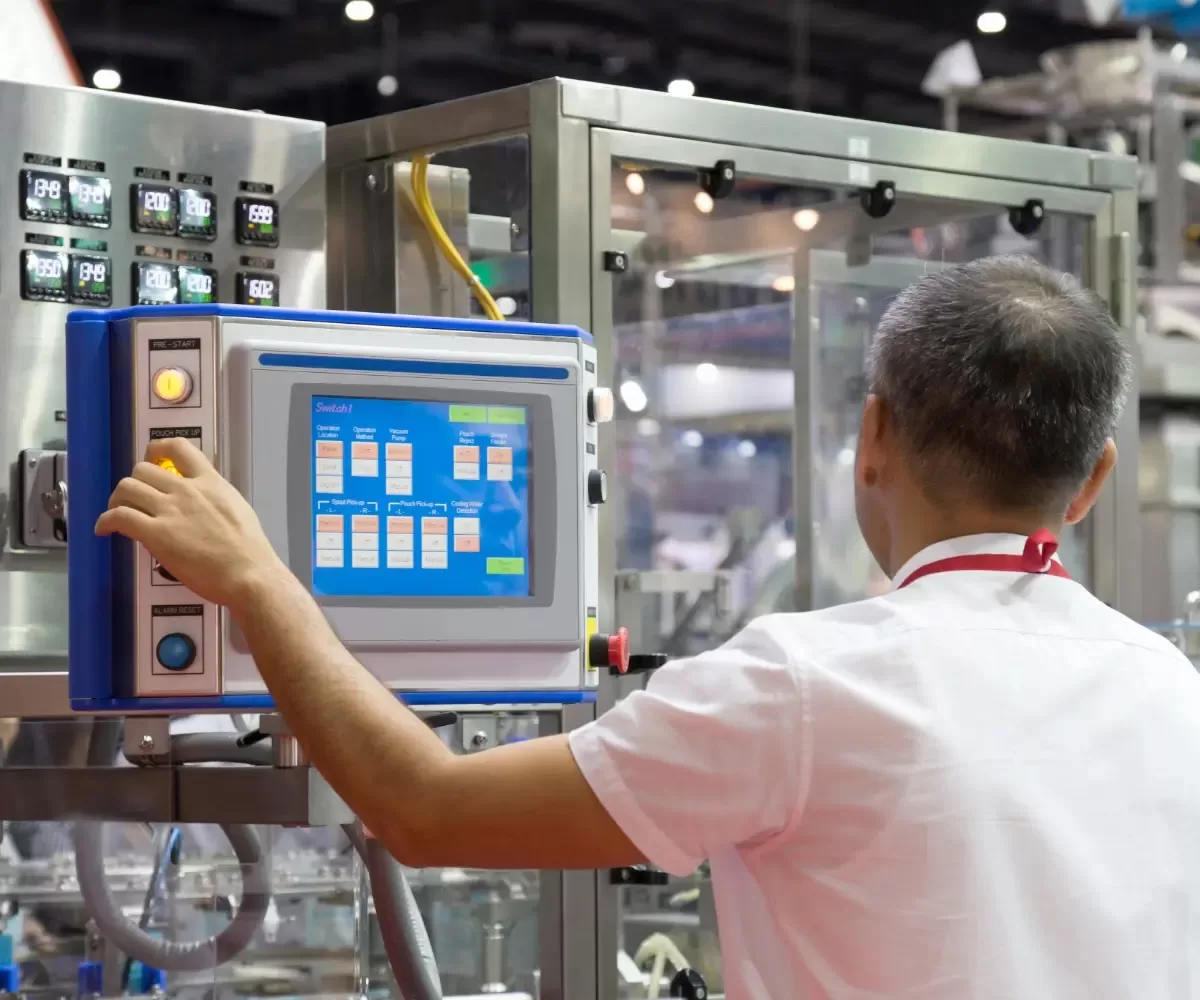
When I started in a packing machine factory, I saw how much time and effort went into manual packing. It was slow. It was inconsistent. Later, when I established my own factory, the first thing I focused on was optimizing these processes. I saw how automation transformed production cycles for my clients, helping them achieve financial independence. Many operations, especially in Mexico’s vibrant industrial sector, can gain a significant edge by embracing modern packing solutions. For example, if your plant currently packs 10 coils per hour manually, an automated system can easily push that to 30 or even 60 coils per hour, a substantial increase. This not only speeds up output but also frees up valuable labor for other tasks.
Understanding the Efficiency Gains
- Faster Cycle Times: Automated machines complete packing cycles much faster than human operators. They perform wrapping, strapping, and conveying with precision and speed. This means more coils are ready for shipment in less time. 🚀 (faster packing cycles steel industry)
- Reduced Manual Labor Dependency: Fewer workers are needed for the packing process. This cuts down on labor costs. It also means your team can focus on more skilled tasks or other areas of the plant. Consider a typical manual packing team of 5 people. An automated system can often be managed by 1 or 2 operators. This labor reallocation leads to significant operational savings.
- Consistent Performance: Machines do not get tired. They do not make common human errors. This leads to a consistent output rate and uniform packaging quality. Every coil gets the same high standard of protection. This predictability is vital for meeting tight delivery schedules and maintaining customer satisfaction.
- Seamless Integration: Modern packing machines can integrate directly with existing production lines. This creates a continuous flow from the end of manufacturing to shipping. There are no stops or delays caused by manual handling. This integration can include automatic feeding, indexing, and discharge systems.
- Data-Driven Optimization: Advanced systems come with control panels that monitor performance. You can track packing speeds, material usage, and downtime. This data helps you find new ways to optimize your operations. It allows for continuous improvement in your plant’s efficiency. My own experience showed me that having this data is like having a roadmap to better performance. It helps you make smarter decisions for your business growth. (automated packing efficiency metrics)
2. Can Automated Coil Packing Systems Really Improve Worker Safety?
Are you constantly worried about workplace accidents, especially when heavy steel coils are involved? Does the thought of a worker getting injured during manual handling keep you up at night? These are very real concerns. Safety is not just a regulatory requirement; it’s a moral obligation and a key factor in employee morale and insurance costs. (workplace safety heavy industry)
Automated coil packing systems dramatically improve worker safety by eliminating the need for manual handling of heavy and potentially dangerous steel coils. These machines take over tasks like lifting, turning, and wrapping, significantly reducing the risk of musculoskeletal injuries, crushing accidents, and other common hazards associated with manual operations in a busy factory environment.

I remember seeing many close calls and even injuries during my early days in the packing machine industry. Manually moving a heavy coil is incredibly risky. That’s why, at FHOPEPACK, we always emphasize safety first. For clients like those in Mexico, where heavy manufacturing is prominent, reducing manual intervention in dangerous tasks is paramount. Think about Michael Chen’s situation: his plant deals with massive metal coils. Relying on human strength for these tasks is not only inefficient but also a major liability. Investing in automation is an investment in your team’s well-being.
Key Safety Benefits of Automation
- Elimination of Heavy Lifting: This is the most direct benefit. Workers no longer need to manually lift, position, or move heavy steel coils. The machine does all the heavy work. This prevents severe back injuries, strains, and sprains. It also reduces the risk of dropped loads.
- Reduced Exposure to Moving Parts: In a manual setting, workers are often close to heavy machinery and moving loads. Automated systems typically have safety barriers and interlocks. These features protect workers from dangerous moving components during operation. Workers can supervise from a safe distance.
- Consistent and Controlled Movements: Machines operate with precise, predictable movements. There are no sudden jerks or misjudgments that can happen with human operators. This reduces the chance of objects falling or shifting unexpectedly. This controlled environment minimizes accidental impacts. 🤖 (controlled packing machine operations)
- Ergonomic Improvements: Even tasks that seem simple, like repeated bending or reaching for wrapping material, can lead to repetitive strain injuries over time. Automation removes these ergonomic stressors. Workers maintain a safer posture and perform less strenuous tasks. This creates a healthier work environment.
- Compliance with Safety Regulations: Modern automated packing machines are designed to meet international safety standards. This helps your plant comply with local and national regulations. It reduces the risk of fines and legal issues. More importantly, it demonstrates your commitment to a safe workplace culture. By implementing advanced safety features, plants can lower their incident rates, which in turn can lead to lower insurance premiums and a more stable workforce. This is a critical factor for any operations director. (automated packing safety compliance)
3. What Role Do These Machines Play in Reducing Product Damage and Cost?
Have you experienced the frustration of customer complaints due to damaged products? Are you losing money because coils are getting dented or scratched during internal transport and packing? This isn’t just about a single damaged item; it erodes customer trust and directly impacts your profitability. (product quality control in steel manufacturing)
Steel coil packing machines are vital for reducing product damage and associated costs by providing consistent, secure, and protective packaging. Their precise handling minimizes risks of dents, scratches, and deformations during the packing and shipping process, ensuring products arrive in pristine condition and safeguarding your brand’s reputation and financial stability.
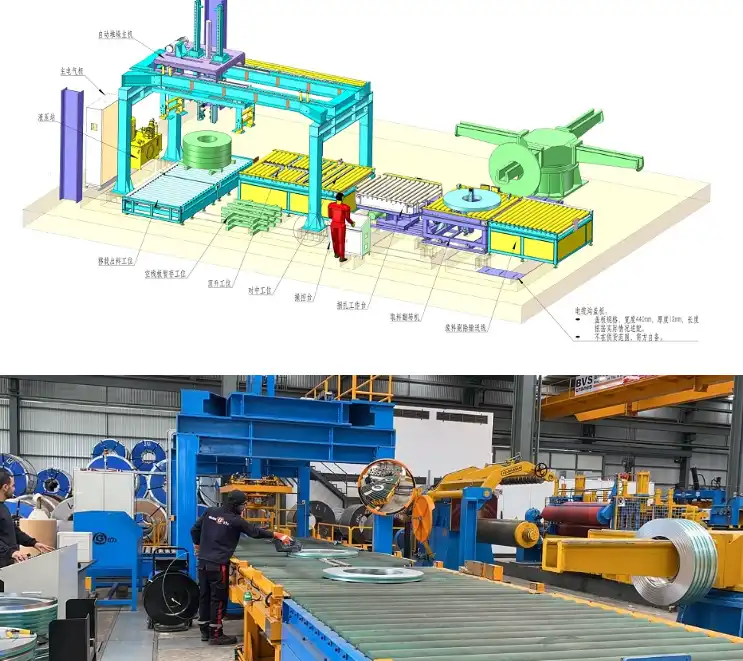
In my years helping clients, especially those dealing with delicate yet heavy materials like coils, I have seen how quickly profits can vanish due to product damage. A damaged edge on a steel coil means rejection, rework, or a discounted price. This directly impacts Michael Chen’s bottom line in Mexico. Manual handling, no matter how careful, carries inherent risks. A slip, an uneven wrap, or an accidental bump can lead to significant losses. Automated machines, however, are designed for precision and consistency, offering a level of protection that manual methods simply cannot match. This is about protecting your product and, by extension, your profit.
How Automation Protects Products and Profits
- Gentle and Precise Handling: Automated systems use specialized grippers, conveyors, and wrapping mechanisms. These components are designed to handle coils gently. They avoid impacts, scratches, and deformations. The machine applies tension consistently, ensuring the packaging is secure but not overly tight. This precision is critical for maintaining the integrity of the coil. ✨ (precision coil handling equipment)
- Consistent Packaging Quality: Each coil receives the same high-quality wrapping and strapping. This uniformity ensures maximum protection against environmental factors and physical damage during transit. Manual wrapping can be inconsistent, leaving some areas vulnerable. With automation, every coil is perfectly protected.
- Optimized Packaging Material Usage: Automated machines can precisely measure and apply the correct amount of packaging material. This reduces waste. It ensures you are not over-packaging or under-packaging. This optimization leads to direct cost savings on materials over time. It is a small but significant detail that adds up.
- Reduced Rework and Rejection Rates: When products are consistently packed without damage, rework is minimized. Customer rejections also decrease significantly. This saves time, labor, and material costs. It also builds stronger trust with your clients. This directly helps your profit margins.
- Enhanced Brand Reputation: Delivering undamaged, well-packaged products consistently enhances your brand’s reputation for quality and reliability. This is invaluable in a competitive market. Happy customers are repeat customers. They are also more likely to recommend your business. I’ve seen firsthand how a commitment to quality in packaging can translate into business growth and financial stability for my clients. (packaging quality for customer satisfaction)
4. Why Is Choosing the Right Packing Machine Partner Crucial for Long-Term Success?
Have you ever invested in new equipment only to be disappointed by poor after-sales service or a lack of understanding from the supplier? Dealing with a partner who only cares about the sale can be incredibly frustrating and costly in the long run. You need someone who truly understands your operations. (reliable equipment suppliers)
Choosing the right packing machine partner is crucial for long-term success because it guarantees not just quality equipment, but also expert support, comprehensive after-sales service, and a deep understanding of your operational needs. A true partner, like FHOPEPACK, provides solutions that genuinely solve your production bottlenecks and contribute to your business growth, building trust beyond a simple transaction.
When I decided to establish FHOPEPACK, I did so because I wanted to offer something more than just machines. I wanted to offer expertise, earned from my own journey from an employee to a factory owner. I know the challenges Michael Chen faces – the production bottlenecks, the safety concerns, the need for efficiency. Many clients in Mexico have shared their frustrations with suppliers who sell a machine and then disappear. That’s why I am dedicated to sharing my insights. I want to ensure my clients don’t just buy a machine, but gain a partner who helps them truly succeed. This commitment to partnership is what defines FHOPEPACK.
What Defines a True Packing Machine Partner?
- Deep Industry Expertise: A good partner understands the specifics of your industry. They know about steel coil properties, handling requirements, and typical production challenges. They can offer insights that a general equipment seller cannot. This expertise is vital for customizing solutions that truly fit your needs. 💡 (packing machine industry knowledge)
- Proven Track Record and Reliability: Look for a partner with a history of successful installations and satisfied clients. This shows their equipment is reliable and their service is dependable. My personal journey, building a successful packing machine factory, gave me the practical knowledge to deliver on promises.
- Comprehensive After-Sales Support: What happens if something goes wrong? A reliable partner offers robust technical support, spare parts availability, and maintenance services. This minimizes downtime and ensures your operations continue smoothly. You need prompt help when you need it most.
- Customization and Solution-Oriented Approach: Every factory is unique. A great partner listens to your specific problems. They offer tailored solutions, not just off-the-shelf products. They work with you to find the best equipment configuration for your plant. This problem-solving approach is what sets FHOPEPACK apart. We aim to understand your production bottlenecks.
- Focus on Long-Term Value: A true partner sees beyond the initial sale. They focus on how their equipment can bring you long-term value, better ROI, and sustainable growth. They are invested in your success. They become a trusted advisor, not just a vendor. This builds a relationship based on trust and mutual growth. This is the kind of partnership I always aimed to provide to clients, helping them achieve financial independence through effective solutions. (long-term equipment partnership)
Conclusion
Steel coil packing machines are essential for efficiency, safety, and profit in large-scale steel production. Investing in the right technology and a knowledgeable partner ensures your plant thrives, turning challenges into opportunities for growth with a reliable steel coil packing line.


