Why Japan Prefers High-Precision Steel Coil Packing Machines in Manufacturing?
Manual steel coil packing. It sounds like a simple task, right? But for factory managers like Michael, it’s a daily battle against slow speeds, worker fatigue, and the constant fear of costly product damage. I’ve seen firsthand how inefficient packing can become a major bottleneck, slowing down entire production lines and impacting delivery times. This reliance on outdated methods doesn’t just reduce throughput; it creates an environment ripe for accidents and eats into profits.
Japan’s manufacturing sector consistently sets global benchmarks for efficiency, quality, and safety, and a core reason for this success in heavy industries is their strategic adoption of high-precision steel coil packing machines. These advanced systems are preferred because they automate labor-intensive processes, drastically improve worker safety, minimize material waste, ensure consistent product quality, and ultimately deliver a significant return on investment through optimized operational costs and enhanced productivity.
This commitment to precision and automation is not just a trend; it’s a fundamental shift that addresses many of the challenges facing manufacturers worldwide, including those in dynamic markets like Mexico. Let’s dive deeper into the specific reasons why these sophisticated machines are becoming indispensable, and how these insights can help your operations.
1. How Do Japanese Manufacturers Achieve Unmatched Efficiency with Advanced Packing Solutions?
Are you tired of watching your production line grind to a halt at the packaging stage? Many factories I’ve worked with struggle with this exact problem. Manual processes, by their very nature, introduce variability and limit throughput, creating a frustrating bottleneck that prevents you from reaching your full production potential. It’s a common issue that impacts overall delivery speed.
Japanese manufacturers unlock unmatched efficiency by integrating high-precision, automated steel coil packing machines that eliminate manual labor, streamline workflows, and ensure consistent, high-speed output. These machines drastically reduce the time spent on packaging each coil, allowing for continuous production flow and optimized resource allocation across the entire manufacturing process.
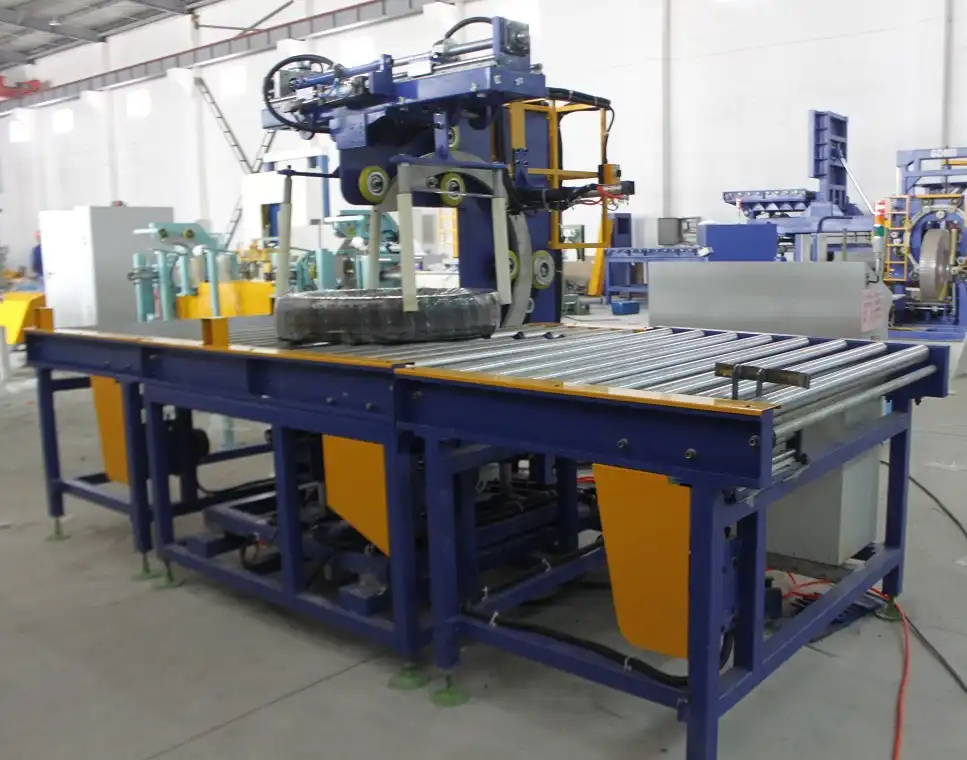
The Power of Automation in Coil Packing
In my journey building FHOPEPACK, I learned that efficiency isn’t just about speed; it’s about consistency and predictability. Automated packing machines, particularly those favored in Japan, bring a level of operational consistency that manual processes simply cannot match. They perform repetitive tasks with unwavering accuracy, day in and day out. This means fewer errors, less rework, and a steady flow of packed coils ready for dispatch. For a plant manager, understanding this shift from variable human performance to predictable machine output is key. It allows for better production planning and tighter delivery schedules. Think about your current process for steel coil and wire packaging. How much time is lost due to breaks, shift changes, or even just the physical strain on workers? Automated systems operate continuously, providing a significant boost to your factory’s capacity. When I started my first packing machine factory, one of the biggest challenges was scaling production without compromising quality. The solution always pointed to smarter automation. By removing the dependency on manual handling for heavy and awkward items like steel coils, these machines also free up skilled labor for more complex, value-added tasks within the factory. This strategic reallocation of human resources contributes significantly to overall factory efficiency and employee satisfaction. (automated steel coil handling, high-speed coil wrapping, packing line automation)
2. What Role Does High-Precision Packing Play in Enhancing Product Quality and Reducing Damage?
Product damage during internal transfer or packing is a silent killer of profits. I’ve seen countless times how a small dent on a steel coil edge or a scuff on a wire bundle can lead to customer complaints, rejected shipments, and significant financial losses. This isn’t just about money; it impacts your brand’s reputation and client trust. The question then becomes, how do you protect your product throughout this critical final stage?
High-precision packing is crucial for Japanese manufacturers because it minimizes product damage and enhances overall quality by providing consistent, secure, and protective wrapping for steel coils and wires. These advanced machines ensure uniform tension, precise material application, and robust packaging that safeguards products against impacts, abrasions, and environmental factors during handling, storage, and transit, thereby preventing costly product loss and improving customer satisfaction.
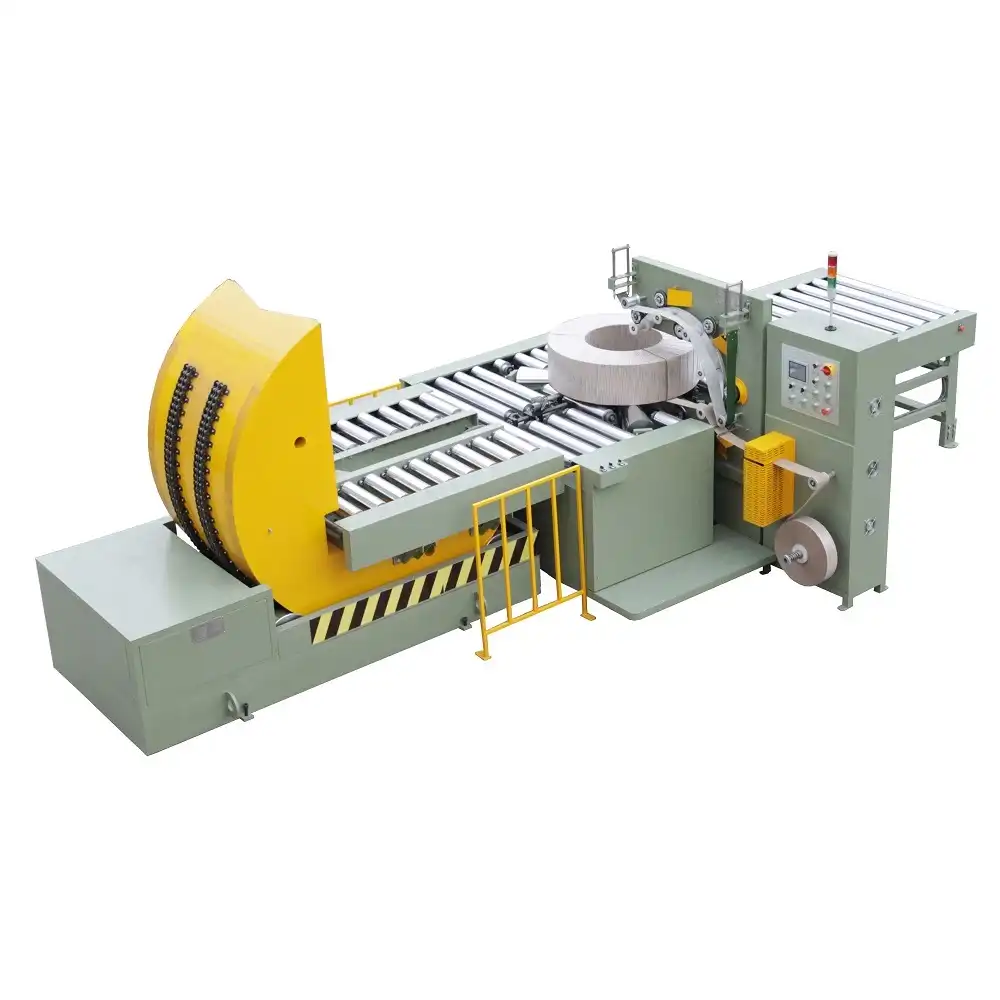
Safeguarding Your Investment with Smart Packing
When I designed packing solutions for clients, the first thing they often asked about was how to stop damage. It’s a universal concern, especially for heavy, valuable products like steel coils. High-precision packing machines address this head-on. They are engineered to apply wrapping materials with exact tension and overlap, creating a protective barrier that perfectly conforms to the product. This isn’t guesswork; it’s engineered protection. Consider the vulnerabilities of your products: sharp edges, delicate surfaces, and the sheer weight that makes them prone to damage during movement. A machine can do this much better than human hands, reducing the risk of a coil unraveling or being scuffed. This focus on damage reduction translates directly into fewer customer complaints and fewer rejected shipments, which is a major win for any factory manager. My experience taught me that consistent packaging is also a sign of quality. If every coil leaves your factory looking pristine and perfectly wrapped, it builds confidence in your brand. It’s about delivering not just a product, but a complete, undamaged solution to your clients. This attention to detail protects your bottom line and strengthens your market position. (product damage prevention, quality steel coil packaging, precision wrapping solutions)
3. Why Are Safety and Automation Intertwined in Japan’s Steel Coil Packing Processes?
The thought of workers manually handling heavy steel coils sends shivers down my spine. The risk of injury is immense, leading to high insurance costs, lost productivity from sick days, and a disheartening churn of experienced employees. It’s a humanitarian issue, but also a significant operational and financial burden. How can you ensure a safe workplace while maintaining high production volumes?
Safety and automation are inextricably linked in Japan’s steel coil packing processes because automated high-precision machines eliminate the need for manual handling of heavy and hazardous materials, thereby drastically reducing the risk of workplace injuries. By automating tasks such as lifting, positioning, and wrapping, these systems create a significantly safer working environment, protecting employees from strain, crushing injuries, and other common industrial accidents.
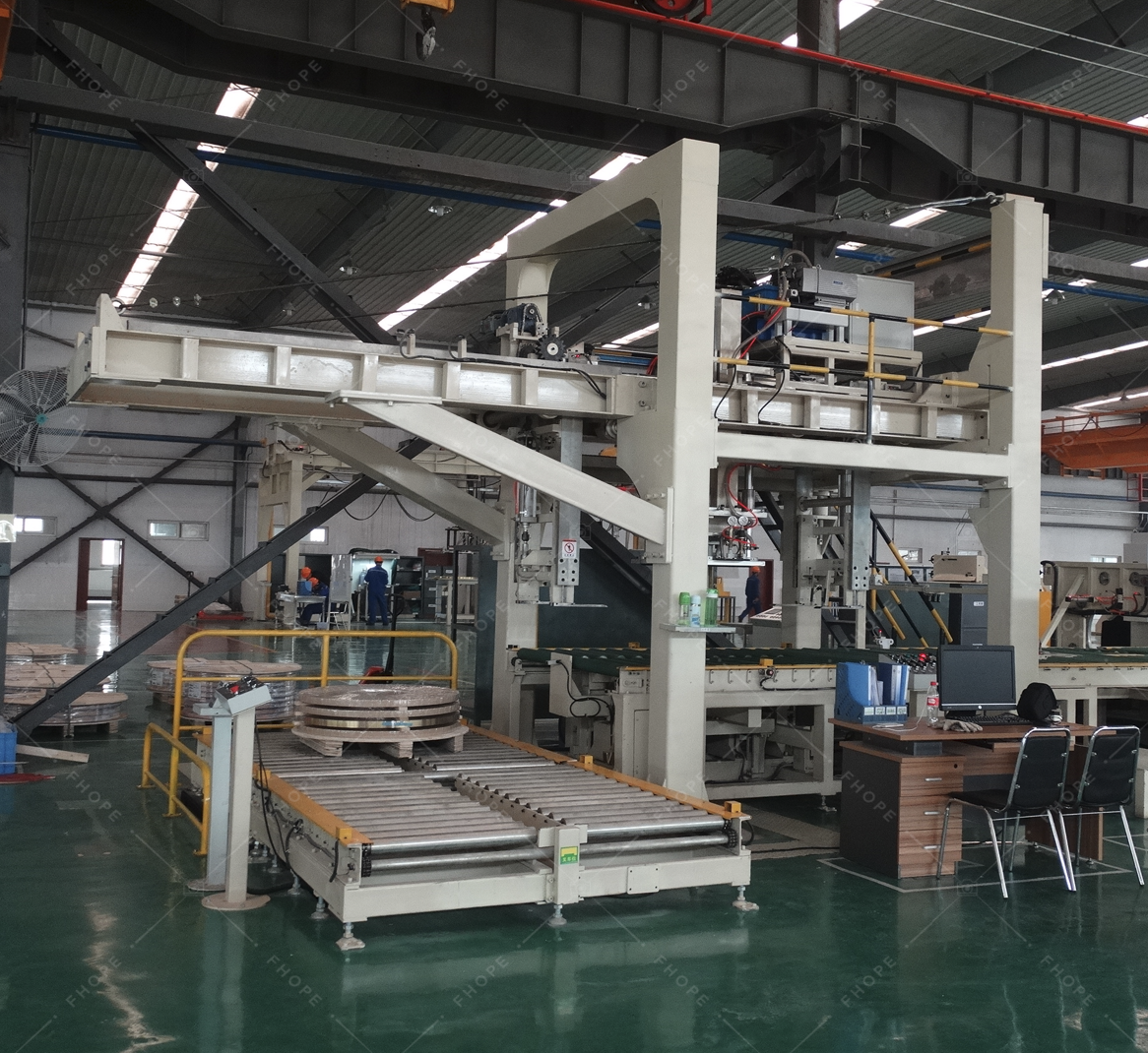
Building a Safer Workplace Through Smart Technology
When I speak with factory managers, safety is always a top priority, and rightly so. In a metal processing plant, workers are constantly exposed to heavy machinery and materials. Manual handling of steel coils and wire is incredibly risky. This is where automation truly shines. High-precision packing machines are designed to take over the dangerous, repetitive, and physically demanding tasks that put workers at risk. Imagine an automated system that lifts, rotates, and wraps a multi-ton coil without a single human hand needing to touch it directly. This greatly reduces the chances of sprains, strains, crushed limbs, or worse. From my experience helping clients automate their packing lines, the most immediate and visible benefit is often the dramatic improvement in workplace safety statistics. Less risk means fewer accidents, lower insurance premiums, and a healthier, happier workforce. It’s a win-win situation. Employees feel safer and are more productive, while the company benefits from reduced costs and improved morale. Safety is not an add-on; it’s a fundamental pillar of sustainable manufacturing, and automation provides the strongest foundation for it. (worker safety in heavy industry, automated material handling, industrial safety solutions)
4. How Do High-Precision Packing Machines Deliver Significant ROI for Japanese Manufacturing?
Every investment in new equipment needs a clear return. For a factory manager like Michael, the bottom line is critical. Investing in advanced packing machines might seem like a large upfront cost, but what if these machines could pay for themselves quickly by cutting operational expenses, reducing waste, and boosting output? The question isn’t just about cost; it’s about the long-term financial benefits.
High-precision packing machines deliver significant ROI for Japanese manufacturing by directly reducing operational costs, increasing throughput, and minimizing product loss. These systems lower labor expenses through automation, decrease material waste with precise application, and improve production efficiency, all of which contribute to higher overall profitability and a quicker payback period on the initial investment.
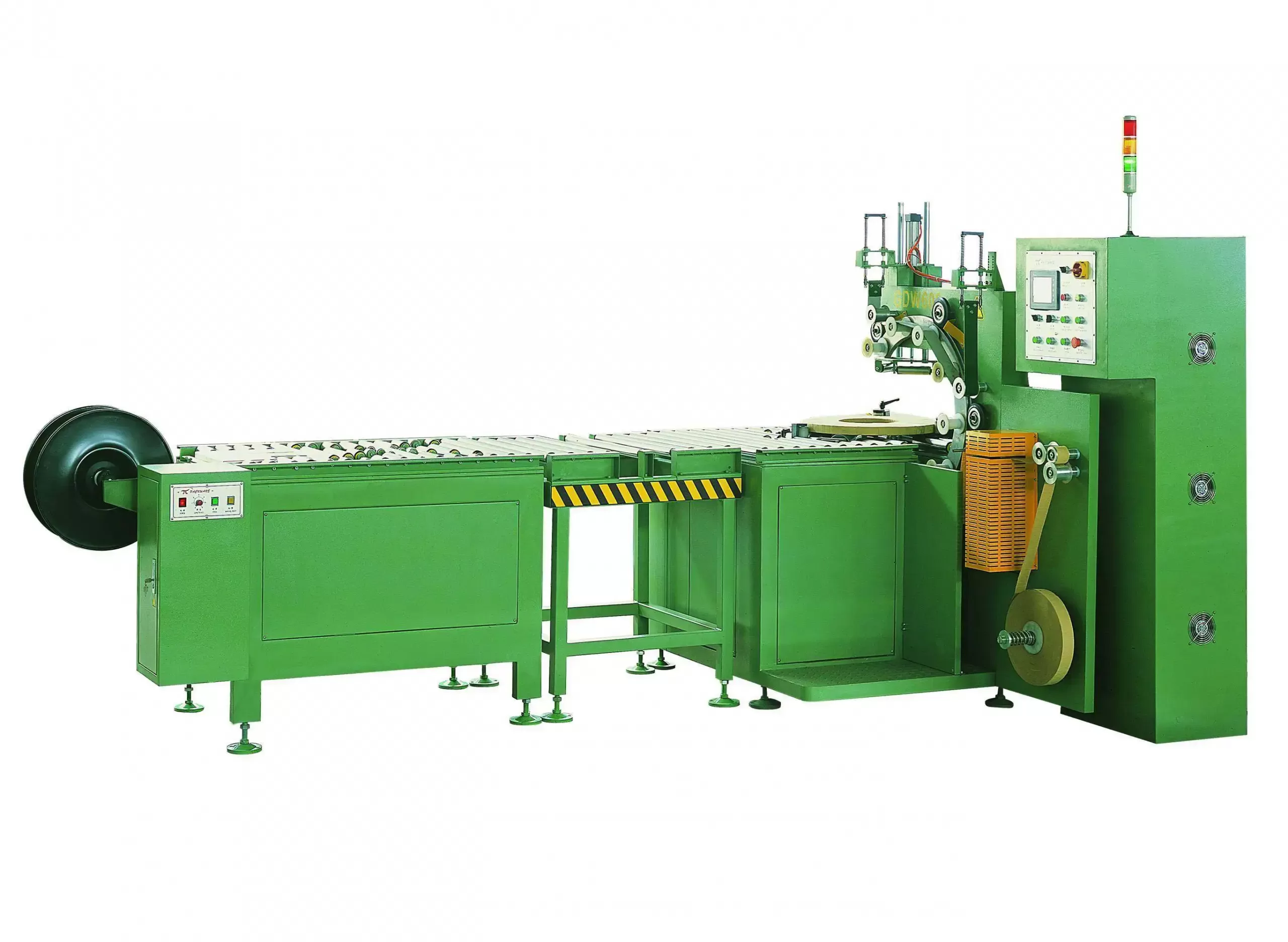
Unlocking Financial Growth with Strategic Automation
When I started FHOPEPACK, one of my core principles was to ensure our solutions provided real financial value. For me, ROI is not just a buzzword; it’s the tangible proof that an investment is working. High-precision packing machines, while an investment, rapidly demonstrate their value through several key areas. First, labor costs. By automating tasks that previously required multiple workers, you can reallocate your team to more skilled roles or reduce overall head count in that specific area. Second, material waste. Manual wrapping often leads to inconsistent material usage, sometimes too much, sometimes too little. Automated machines apply just the right amount, saving on film, paper, or other packing materials over time. Third, reduced product damage directly impacts your profitability by cutting down on rejections and costly rework. This also means fewer warranty claims and happier customers. Finally, increased throughput allows you to produce and ship more products in the same amount of time, translating into higher sales volumes. When you combine these factors – labor savings, material efficiency, damage reduction, and increased output – the financial benefits quickly become clear. Many of my clients have seen payback periods far shorter than they initially anticipated, allowing them to reinvest those savings back into their business growth. (packing machine ROI, cost-effective automation, manufacturing profitability solutions)
Conclusion
Japan’s preference for high-precision steel coil packing machines highlights a global shift towards efficiency, safety, and profitability. Embracing these advanced steel coil packing line solutions is a strategic move for any factory aiming for excellence.


