Why Japan Prefers High-Precision Steel Coil Packing Machines in Manufacturing?
Do you ever feel the intense pressure to boost output, cut costs, and keep your factory running smoothly? Many factory managers, like Michael Chen in Mexico, constantly search for ways to improve their production lines. They know that efficiency and reliability are not just buzzwords. They are crucial for staying competitive and profitable.
Japan prefers high-precision steel coil packing machines because these systems offer unmatched efficiency, superior product protection, enhanced worker safety, and consistent quality crucial for their demanding manufacturing standards, directly addressing key operational challenges faced by the industry.

Understanding this preference is more than just curiosity. It provides a blueprint for any factory looking to optimize its operations. Let us explore the core reasons behind Japan’s strategic adoption of these advanced packing solutions.
1. How Do High-Precision Machines Drive Unmatched Efficiency in Japanese Manufacturing?
Are your current packing processes creating bottlenecks at the end of your production line? Many factories struggle with slow, manual packaging that reduces overall output. This bottleneck directly impacts delivery times and customer satisfaction.
High-precision steel coil packing machines drastically improve efficiency in Japanese manufacturing by automating labor-intensive tasks, speeding up throughput, and ensuring consistent packaging quality, leading to a smoother and faster flow of finished goods from the production floor.
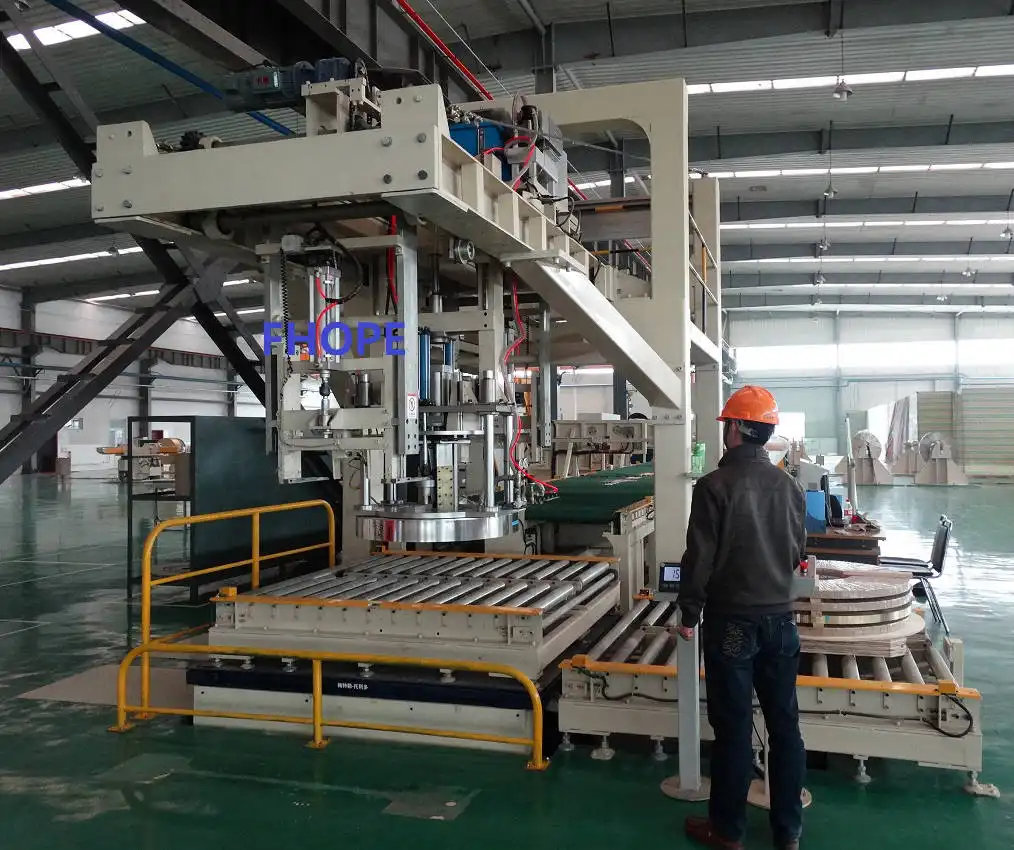
From my experience setting up and running a packing machine factory, I have seen how manual processes can quickly become the weak link. I started as an employee myself. I saw the challenges firsthand. Later, when I built my own factory, maximizing efficiency was a top priority. High-precision machines reduce the need for constant human intervention. They perform tasks with greater speed and accuracy than manual methods. This means your steel coils move faster from production to shipment. It also means fewer delays and more on-time deliveries. This level of automation is essential for staying competitive in global markets. It helps factories meet high volume demands without sacrificing quality (automated coil packaging solutions, manufacturing throughput improvement).
The Impact of Automation on Production Flow
Automation is not just about replacing hands. It is about creating a seamless operation. When I talk with clients, they often share their struggles with manual packing. It is slow. It takes many people. It leads to inconsistent results. High-precision machines solve these problems.
- Faster Cycle Times:
- Automated systems work continuously. They do not get tired. They complete each packing cycle much quicker than a human operator.
- This means more coils packed per hour. It significantly increases overall production capacity.
- Reduced Labor Dependency:
- Manual packing requires many workers. This increases labor costs and management overhead.
- High-precision machines need fewer operators. They can even run with minimal supervision. This frees up your workforce for other skilled tasks. It lowers operational costs.
- Consistent Performance:
- Human packing can vary. Some days are better than others. Some workers are faster than others.
- Machines perform the same way every time. They deliver uniform results. This predictability is vital for planning and scheduling. It also ensures consistent product presentation.
My journey in the packing machine industry taught me that investment in the right technology pays off. For a manager like Michael, who oversees an entire operation, eliminating bottlenecks is key. Automating the packing process is a clear path to achieving this goal. It improves overall factory efficiency. It directly impacts the bottom line. It allows businesses to handle higher volumes and maintain tight schedules. This makes a big difference in the modern manufacturing landscape (efficient steel coil handling, automated packing solutions).
2. What Role Do These Machines Play in Boosting Safety and Minimizing Product Damage?
Are you constantly worried about worker injuries from handling heavy steel coils? Michael Chen, like many factory managers, faces the high risks of manual operations. Heavy lifting and awkward movements can lead to serious accidents. These accidents result in high insurance costs and employee turnover.
High-precision steel coil packing machines significantly enhance safety by automating the handling of heavy and awkward loads, thus minimizing the need for manual intervention and reducing the risk of workplace injuries, while also preventing product damage through gentle and precise wrapping during transport and storage.
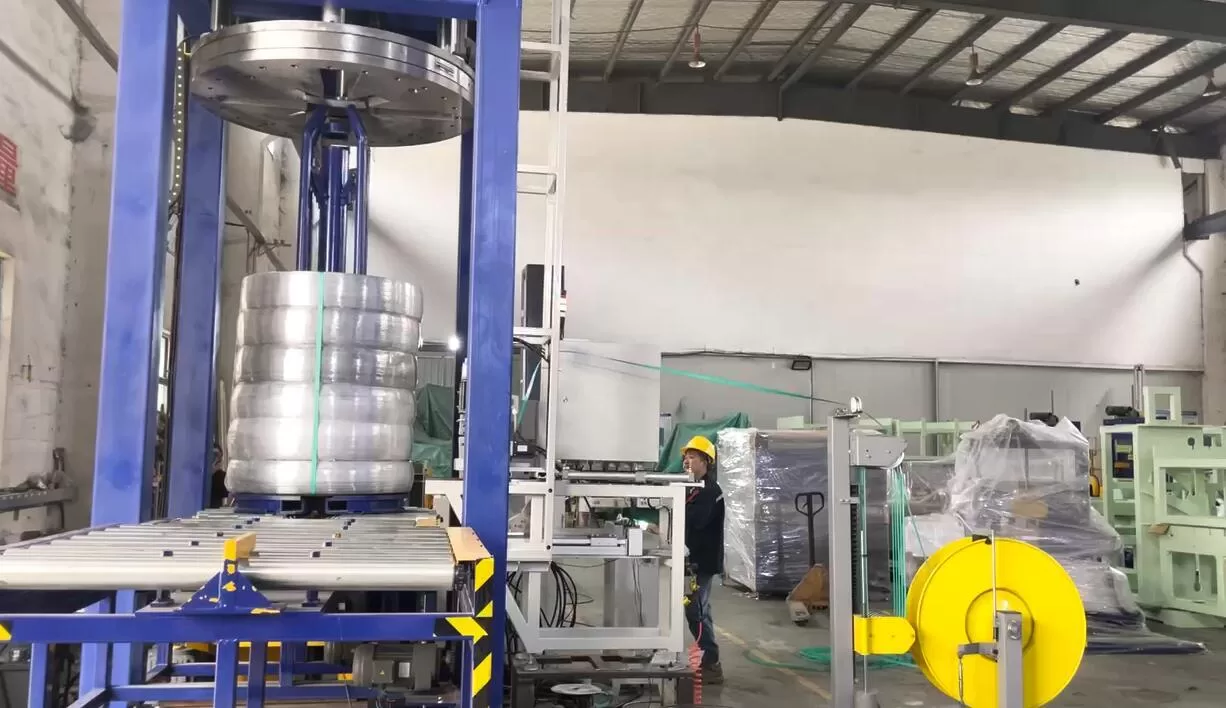
When I founded FHOPEPACK, one of our core principles was to create solutions that not only increase productivity but also protect the people working in the factory. Manual handling of heavy steel coils or wire bundles is inherently dangerous. Workers can suffer strains, crushed limbs, or worse. This is not just a cost issue. It is a human issue. High-precision machines take the burden off workers. They use advanced robotics and controlled movements. This removes direct contact with heavy loads. It drastically lowers the chance of accidents. Furthermore, these machines are designed to cradle and wrap coils with care. This protects edges and surfaces from scrapes and dents. This means fewer damaged products and fewer customer complaints (industrial safety solutions, product integrity in manufacturing).
Protecting Both Workers and Products
Safety and product quality are two sides of the same coin in manufacturing. A safe workplace leads to happy, productive employees. Undamaged products lead to satisfied customers. High-precision packing machines help achieve both.
- Worker Safety Enhancements:
- Reduced Manual Handling: Machines lift, rotate, and wrap coils automatically. Workers no longer need to manually maneuver heavy items. This eliminates common causes of injury.
- Controlled Environments: Many systems include safety barriers and sensors. These stop operations if a person enters a danger zone. This creates a much safer working environment.
- Ergonomic Benefits: Less physical strain on employees leads to fewer long-term health issues. This improves employee morale and reduces sick leave.
- Product Protection Features:
- Gentle Handling Mechanisms: Machines are designed with soft gripping or support systems. These prevent damage to delicate coil edges and surfaces. This is critical for maintaining product quality.
- Consistent Wrapping Tension: Manual wrapping can be uneven. This leaves parts of the coil exposed. Automated machines apply uniform tension. This provides complete protection against dust, moisture, and impact during transit.
- Reduced Rework and Scrap: Fewer damaged products mean less material waste. It also means less time spent on rework. This directly improves your factory’s profitability.
I have seen many clients, like Michael, express relief when they see how much safer their operations become. They also appreciate the drop in product loss. It is a win-win situation. Investing in these machines shows you care about your team. It also shows you care about delivering top-quality products. It is a smart move for any factory manager aiming for excellence (workplace safety automation, damage prevention packing).
3. Why is High Precision Key to Japan’s Renowned Quality and Operational Reliability?
Do you ever wonder how Japanese manufacturers consistently deliver such high-quality products? Their reputation for excellence is no accident. It comes from a deep commitment to precision at every stage of production. This includes the often-overlooked area of packing.
High precision is key to Japan’s renowned quality and operational reliability because it ensures every steel coil is packed to exact specifications, guaranteeing product integrity during transit and storage, minimizing defects, and supporting the long-term, consistent performance of their manufacturing processes.

My experience in the packing machine industry has shown me that precision is not just a luxury. It is a necessity. Especially when dealing with high-value materials like steel coils. Japanese manufacturers understand this deeply. They know that even the slightest deviation in packing can compromise the product. It can lead to customer complaints. It can damage their brand reputation. High-precision machines offer exact control over every packing parameter. This includes wrapping tension, material placement, and sealing. This meticulous control ensures that each coil is perfectly protected. It preserves its condition from the factory floor to the end-user. This commitment to precise, reliable packing is a cornerstone of Japan’s manufacturing success (Japanese quality standards, precision packaging benefits).
The Foundation of Trust: Precision in Every Pack
In my early days, I learned that a product is only as good as its delivery. If it gets damaged on the way, all the hard work in production goes to waste. Precision in packing is what builds trust with customers. It ensures that what they receive is what they expect.
- Unwavering Product Integrity:
- Exact Wrapping Parameters: High-precision machines allow for fine-tuning of wrapping speed, tension, and overlap. This creates a tight, consistent barrier against environmental factors like moisture, dust, and rust.
- Secure Fastening: The machines apply strapping or banding with precise force. This holds the coil securely in place. It prevents shifting or loosening during transport. This keeps the coil shape intact.
- Predictable Operational Reliability:
- Reduced Machine Downtime: Precision-engineered components mean less wear and tear. This leads to fewer breakdowns and lower maintenance needs. It ensures the packing line runs consistently.
- Fewer Packing Errors: Automated precision eliminates human error in packing. This means fewer re-packs, less material waste, and a more predictable operational flow. It helps achieve production targets without unexpected delays.
- Long-Term Asset Protection: Proper packing protects the steel coil itself. But it also protects the value of the entire production process. It ensures that the effort put into making a quality product is not undone at the last step.
For someone like Michael, who values reliability and consistent quality, precision packing machines are a vital investment. They are not just tools. They are a promise of quality. They help maintain high standards for your products and your operations. This builds a strong reputation in the market (reliable packaging equipment, quality control in steel manufacturing).
4. How Do These Investments Offer a Clear Path to Cost Reduction and Higher ROI?
Are you, like Michael Chen, looking for equipment investments that offer a clear return? Many factory managers hesitate to invest in new machinery. They worry about the upfront cost. However, high-precision packing machines are not just an expense. They are a strategic investment that pays dividends over time.
High-precision steel coil packing machines offer a clear path to cost reduction and higher ROI by significantly cutting labor expenses, minimizing product damage and associated waste, lowering insurance costs due to improved safety, and increasing overall production output, leading to substantial long-term savings and enhanced profitability.
My journey from an employee to owning a packing machine factory taught me the importance of smart investments. Every piece of equipment must justify its cost. It must contribute to the financial health of the business. When I helped my clients grow their businesses, we always looked at the numbers. High-precision packing machines reduce several key operational costs. They require fewer people to operate. They waste less packing material. They protect products better, reducing scrap and rework. They also improve safety. This leads to fewer accident claims and lower insurance premiums. All these factors combine to create a compelling return on investment (ROI calculations for machinery, cost-effective automation).
The Financial Upside of Precision Packing
For a factory manager focused on the bottom line, understanding the financial benefits is crucial. These machines are designed to save money in multiple areas, directly impacting profitability.
- Significant Labor Cost Savings:
- Reduced Headcount: Automated systems handle tasks previously done by multiple workers. This allows you to reallocate staff or reduce labor costs.
- Lower Training Costs: Simpler operation means less intensive training for new employees compared to complex manual packing methods.
- Reduced Material Waste and Product Damage:
- Optimized Material Usage: Precision machines use the exact amount of packing material needed. They minimize waste. This contrasts with manual packing which often overuses or improperly applies materials.
- Fewer Damaged Goods: As discussed, better protection means fewer damaged coils. This translates to fewer costly rejections, returns, and scrap material. It directly boosts your profit margins.
- Lower Insurance and Operational Overhead:
- Decreased Accident Claims: With improved safety, the number of workplace injuries drops. This reduces workers’ compensation claims and related insurance costs.
- Energy Efficiency: Modern machines are often designed for energy efficiency. This can lead to lower utility bills compared to older, less efficient equipment.
- Increased Throughput and Revenue:
- Higher Production Capacity: Faster and more reliable packing means you can process more orders. This increases sales volume and revenue.
- Improved Customer Satisfaction: Consistent, damage-free delivery leads to happier customers. This fosters repeat business and strengthens your market position.
I have seen firsthand how these investments transform businesses. They allow factories to achieve financial independence and grow their operations, much like my own journey. For Michael, making a strategic investment in high-precision packing machines is not just about upgrading equipment. It is about securing a more profitable and sustainable future for his factory (investment in automation benefits, factory profitability improvement).
Conclusion
Japan’s preference for high-precision steel coil packing machines highlights a strategic approach to manufacturing excellence. These machines boost efficiency, enhance safety, guarantee quality, and drive substantial cost savings. Investing in solutions like a steel coil packing line is a smart move for any factory aiming for higher ROI and sustainable growth.


