Why Are More Steel Plants in Mexico Choosing Horizontal Steel Coil Packing Lines?
The demand for steel in Mexico is growing. This puts immense pressure on manufacturers to not only produce more but also to deliver products that are safe, efficient, and cost-effective. As an engineer who has spent decades in the packing machine industry, I have seen firsthand the challenges factory managers like Michael Chen face daily. They are constantly looking for ways to streamline operations and ensure their hard work results in quality products reaching customers without issues. (steel industry Mexico, manufacturing challenges, operational efficiency)
More and more Mexican steel plants are choosing horizontal steel coil packing lines because these systems offer significant improvements in efficiency, safety, and product protection. They replace slow, labor-intensive manual processes with automated solutions, helping plants meet high production demands while reducing operational costs and minimizing risks to workers and products.
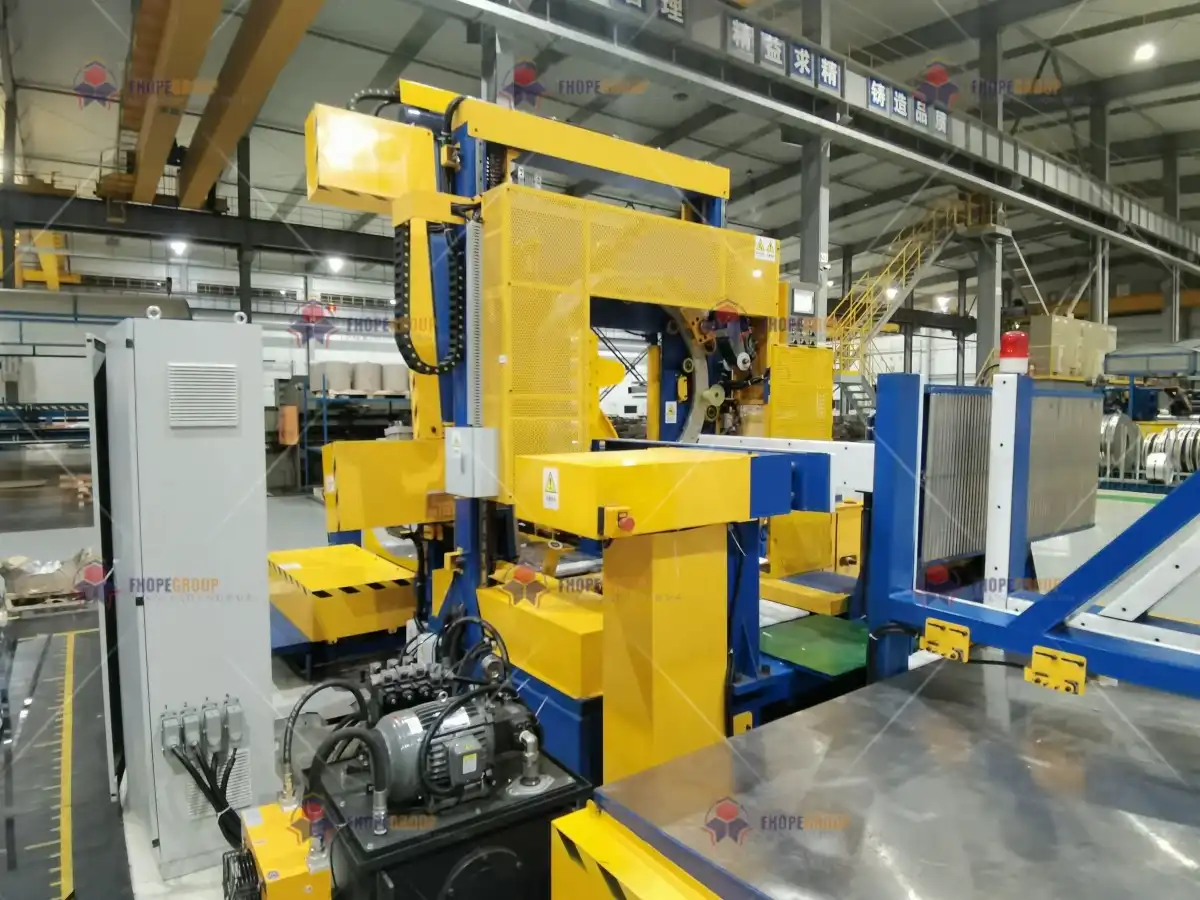
Are you ready to discover how this shift impacts your factory’s bottom line? Join me as we dive deep into the specific reasons behind this growing trend and explore how modern packing solutions can transform your operations. Let’s look at the real benefits and practical applications. (packing line benefits, steel coil automation, factory transformation)
1. How Does Horizontal Steel Coil Packing Address Mexico’s Efficiency Bottlenecks?
Imagine your factory’s end-of-line process. Are your workers struggling with heavy steel coils, using old methods that slow everything down? This is a common scene, especially in a dynamic market like Mexico. These manual processes are not only slow but create frustrating bottlenecks that prevent your production from running smoothly. (steel coil packing challenges, Mexico manufacturing bottlenecks, manual packing inefficiencies)
Horizontal steel coil packing lines directly tackle efficiency bottlenecks by automating the entire packing process. They ensure faster throughput, consistent packaging quality, and reduced manual intervention, which frees up valuable labor and accelerates product dispatch. This automation helps Mexican steel plants achieve higher operational speeds and meet tight delivery schedules more reliably.

When I started FHOPEPACK, my goal was to master packing machines and help others. I know the feeling of a bottleneck slowing down an entire operation. Modern horizontal packing lines remove the need for repetitive, slow manual steps. They integrate with existing production lines, providing a seamless flow from coil production to shipment. This means less waiting time, more output, and happier customers. These systems are not just about packing; they are about optimizing your entire supply chain. (packing process optimization, automated solutions, supply chain efficiency)
The Impact of Automation on Throughput and Labor
Automating the packing process brings a dramatic shift in how quickly products move through your plant. Manual packing is often inconsistent and prone to delays. Workers need breaks, can get tired, or might make mistakes. Automated systems work continuously and precisely. This leads to a steady increase in output. It also lets your team focus on more skilled tasks, rather than repetitive heavy lifting.
- Increased Throughput:
- ⚙️ Constant Speed: Machines operate at a predictable, high speed without fatigue.
- 🚀 Reduced Cycle Time: Each coil is packed faster, cutting down overall packing time.
- 📈 Higher Volume: More coils are prepared for shipment in the same amount of time.
- Labor Optimization:
- 👩🏭 Reallocated Workforce: Workers move from manual packing to quality control, maintenance, or other skilled roles.
- 💲 Reduced Labor Costs: Less need for extensive manual labor means lower direct labor expenses over time.
- 🎯 Improved Focus: Employees can concentrate on value-adding activities.
Comparing Manual vs. Automated Packing Speeds
Let’s look at a simple comparison.
| Feature | Manual Packing | Automated Horizontal Packing Line |
|---|---|---|
| Speed per Coil | 5-10 minutes (depending on coil size/worker) | 1-3 minutes (consistent, high-speed) |
| Consistency | Varies greatly, human error | Highly consistent, machine precision |
| Labor Required | 2-4 workers per station | 1 supervisor for multiple machines, less direct labor |
| Output per Shift | Limited, subject to fatigue and breaks | High and continuous, maximizes shift productivity |
| Integration | Disjointed from production line | Seamlessly integrates, part of a continuous flow |
This table clearly shows the gains. Automated systems mean a factory in Mexico can process more coils faster. This directly helps Michael meet his production targets and satisfy customer demand quickly. It is about working smarter, not harder. (packing speed comparison, automated vs manual packing, production targets Mexico)
2. Can Automated Horizontal Packing Lines Truly Improve Safety for Mexican Workers?
Michael Chen, like many factory managers, constantly faces the pressure of ensuring worker safety. Handling heavy steel coils manually is inherently risky. Think about the strain on a worker’s back, the potential for crushing injuries, or accidents caused by dropped loads. These risks are not just numbers on a report; they are real threats to human lives and cause high insurance costs and employee turnover. (worker safety in steel plants, heavy lifting risks, industrial accident prevention)
Automated horizontal packing lines dramatically improve safety for Mexican workers by minimizing direct human interaction with heavy and potentially dangerous steel coils. These systems reduce manual handling, lifting, and strapping, thereby cutting down the risk of musculoskeletal injuries, pinch points, and accidents related to moving heavy loads, creating a much safer work environment.

My journey in the packing machine industry started on the factory floor. I witnessed the dangers firsthand. That’s why safety has always been a core value in the solutions FHOPEPACK provides. Automated systems are designed with safety features built in. They remove workers from the immediate danger zone. This protects employees and gives factory managers peace of mind. It also helps them comply with strict safety regulations, avoiding costly fines and improving morale. (packing machine safety features, compliance with regulations, improved worker morale)
Reducing Physical Strain and Injury Risk
The biggest safety benefit of automation is the reduction of physical strain on workers. When machines do the heavy lifting, turning, and strapping, employees are no longer exposed to these risks.
- Elimination of Manual Lifting:
- 💪 No More Heavy Loads: Machines lift and position coils, removing the need for workers to do so.
- ⬇️ Reduced Back Injuries: Prevents common back strains and sprains from repetitive or improper lifting.
- 🚫 Fewer Crushing Hazards: Workers stay clear of moving heavy machinery parts and falling coils.
- Automated Strapping and Wrapping:
- 🖐️ Hands-Free Operation: Strapping tools and wrapping arms work automatically, keeping hands away from dangerous pinch points.
- ⚠️ Less Exposure to Edges: Reduces cuts or scrapes from sharp coil edges during manual wrapping.
- 🚨 Emergency Stops: Systems often include emergency stop buttons for immediate shutdown in case of an issue.
Enhancing Overall Workplace Safety Culture
Introducing automated packing lines sends a clear message to employees: their safety matters. This can significantly boost morale and create a more positive work culture.
| Aspect of Safety | Manual Packing Environment | Automated Packing Environment |
|---|---|---|
| Injury Frequency | High, especially musculoskeletal and impact injuries | Significantly lower, focus on system monitoring |
| Worker Fatigue | High, leading to increased accident risk | Low, workers perform less physically demanding tasks |
| Insurance Costs | Higher due to more claims and risks | Potentially lower with fewer incidents and improved safety |
| Compliance | Requires constant monitoring and training to ensure | Easier to meet safety standards with engineered solutions |
| Employee Morale | Can be low due to perceived risks and hard labor | Higher due to safer, more modern working conditions |
For Michael Chen, this means not only a safer plant but also a more stable workforce. Reducing injuries means less absenteeism and lower turnover. It builds trust between management and employees. This is crucial for long-term operational success in Mexico’s competitive manufacturing landscape. (workplace safety culture, reduced absenteeism, long-term operational success)
3. What Financial Benefits Do Mexican Steel Plants See from Investing in Horizontal Coil Packaging?
Investing in new equipment can be a big decision for any factory manager. Michael Chen constantly looks for solutions with a clear Return on Investment (ROI). He needs to justify every expenditure. The question is: how do horizontal coil packaging lines truly impact the bottom line for Mexican steel plants? Is the upfront cost worth it? (packing machine investment, ROI analysis, financial benefits of automation)
Mexican steel plants realize significant financial benefits from investing in horizontal coil packaging by drastically reducing labor costs, minimizing product damage during internal transit and shipment, and decreasing packaging material waste. These combined savings, coupled with increased efficiency and customer satisfaction, lead to a strong ROI and improved overall profitability for the factory.
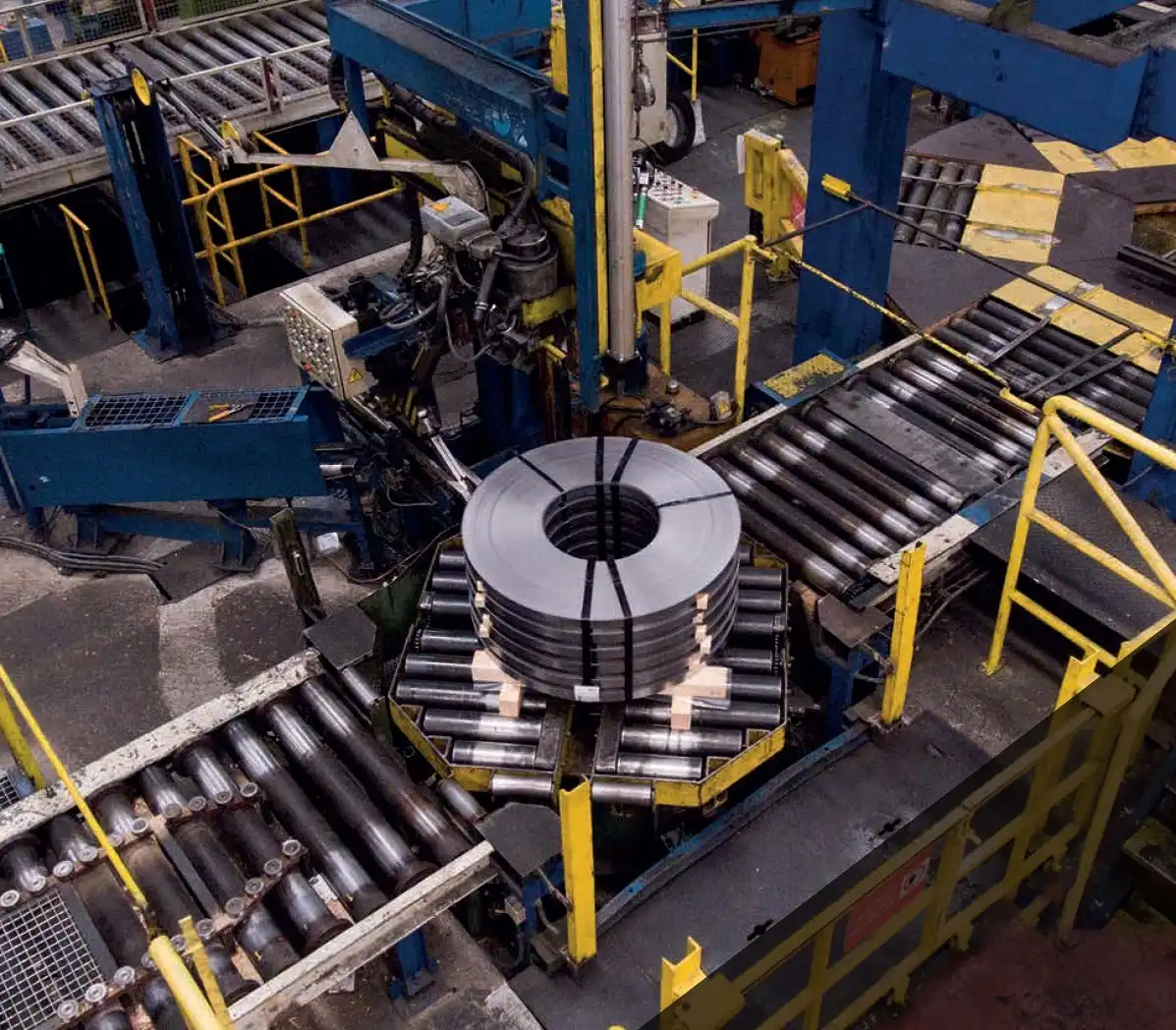
From my experience establishing and running a successful packing machine factory, I know that every peso counts. Smart investments lead to sustained growth. Horizontal coil packing lines are not just an expense; they are a strategic investment that pays dividends. They address core cost centers like labor, material waste, and product loss. They also improve customer satisfaction, which helps secure future orders and strengthen market position. (strategic investment, cost center reduction, customer satisfaction improvement)
Tangible Cost Savings Through Automation
Let’s break down where the money is saved.
- Reduced Labor Costs:
- 📉 Fewer Workers Needed: Automation reduces the number of employees required for the packing process.
- ✅ Lower Overtime: Machines don’t demand overtime pay.
- ⚙️ Optimized Workforce: Labor can be reallocated to higher-value tasks, maximizing human capital.
- Minimized Product Damage:
- 🛡️ Protective Packing: Consistent, tight wrapping prevents damage to coil edges and surfaces during handling and transport.
- 💸 Reduced Rework/Scrap: Less damaged product means fewer returns, rejections, and material waste.
- ⭐ Enhanced Customer Loyalty: Fewer damaged deliveries lead to happier customers and repeat business.
- Optimized Material Usage:
- ✂️ Precise Wrapping: Machines apply the exact amount of packing material needed, reducing waste.
- ♻️ Consistent Tension: Ensures materials are used efficiently without overstretching or breakage.
- 💲 Lower Material Spend: Direct savings on film, paper, and strapping costs over time.
Calculating the Return on Investment (ROI)
For Michael, understanding the ROI is key. While exact figures vary, here’s a general framework for calculating it:
$$\text{ROI} = \left( \frac{\text{Total Savings (Annual)} – \text{Initial Investment}}{\text{Initial Investment}} \right) \times 100\%$$
- Initial Investment: Cost of the packing machine, installation, and training.
- Annual Savings: Sum of:
- Labor savings (wages, benefits, overtime).
- Product damage reduction (value of salvaged product, reduced claims).
- Material waste reduction (cost of saved packaging materials).
- Increased output value (from higher throughput).
| Financial Benefit | Manual Packing Cost Contribution | Automated Packing Cost Contribution |
|---|---|---|
| Labor | High (multiple workers, overtime) | Low (fewer operators, focused roles) |
| Product Damage | Moderate to High (handling errors) | Low (precise machine handling) |
| Packaging Material | Moderate (inconsistent use, waste) | Low (optimized, precise application) |
| Insurance Premiums | Higher (due to safety risks) | Lower (safer workplace) |
| Customer Complaints | Higher (damaged goods, delays) | Lower (quality packing, timely delivery) |
This financial analysis shows that the investment in a horizontal coil packing line quickly pays for itself. It provides ongoing savings that directly contribute to the factory’s profitability. For a plant in Mexico, this means a competitive edge in the market. (packing machine ROI, profitability improvement, competitive advantage Mexico)
4. Why is Choosing the Right Packing Machine Partner Crucial for Mexican Steel Operations?
Michael Chen has faced supplier trust crises before. He’s dealt with companies that are great at sales but fall short on after-sales service. This experience makes him cautious. For a major investment like a horizontal steel coil packing line, he isn’t just buying a machine; he’s seeking a long-term partnership with someone who truly understands his operational challenges and goals. (supplier trust issues, after-sales service importance, long-term partnership)
Choosing the right packing machine partner is crucial for Mexican steel operations because it ensures access to expert knowledge, reliable after-sales support, and customized solutions that truly address specific production needs. A knowledgeable partner, like FHOPEPACK, understands the intricacies of coil packing, offering not just equipment but also a commitment to long-term operational success and problem-solving.
As RANDAL LIU, the founder of FHOPEPACK, I built my factory from the ground up. I know what it takes to make a packing machine work day in and day out. This firsthand experience shapes FHOPEPACK’s commitment to our clients. We do not just sell machines; we provide solutions and support. For Michael, this means a partner who can truly offer guidance, understand his pain points, and deliver equipment that works reliably in a demanding factory environment. (expert packing machine knowledge, reliable support, customized solutions)
The Value of Deep Industry Expertise
A true partner brings more than just machinery; they bring knowledge.
- Understanding Specific Challenges:
- 🇲🇽 Local Market Insight: A good partner understands the unique demands and regulations of the Mexican steel industry.
- 🔍 Problem-Solving Approach: They listen to challenges like efficiency bottlenecks or safety concerns and propose targeted solutions.
- 🛠️ Customization: The ability to tailor a packing line to specific coil sizes, production volumes, and factory layouts.
- Proven Track Record:
- 🌟 Successful Installations: Evidence of previous successful projects in similar heavy industries.
- 🤝 Client Testimonials: Feedback from other factory managers about their positive experiences.
- 📚 Knowledge Sharing: A platform dedicated to sharing expertise, like FHOPEPACK’s mission.
Comprehensive After-Sales Support and Service
The machine purchase is just the beginning. The quality of support after installation is what ensures long-term operational success.
| Aspect of Partnership | Inadequate Supplier | Ideal Partner (e.g., FHOPEPACK) |
|---|---|---|
| Pre-Sale Support | Focus on selling, minimal consultation | Deep consultation, understanding client needs, solution-oriented |
| Installation | Basic setup, often lacks thoroughness | Professional installation, seamless integration, minimal disruption |
| Training | Limited, generic instructions | Comprehensive training for operators and maintenance staff |
| Maintenance | Reactive, slow response times, high repair costs | Proactive, scheduled checks, fast access to parts and technicians |
| Technical Support | Difficult to reach, superficial advice | Accessible experts, in-depth troubleshooting, remote support |
| Parts Availability | Long lead times, expensive, proprietary | Readily available, fair pricing, genuine parts |
| Relationship | Transactional, disappears after sale | Long-term, partnership-focused, ongoing support |
For Michael, this means not having to worry about costly downtime or struggling with unsupported equipment. It means having a direct line to experts who can troubleshoot issues and provide timely maintenance. This trust allows him to focus on core factory operations, knowing his packing line is in capable hands. A reliable partner ensures that his investment continues to deliver value year after year. (reliable after-sales support, minimized downtime, long-term equipment value)
Conclusion
Investing in horizontal steel coil packing lines brings clear benefits: boosting efficiency, enhancing safety, and delivering strong financial returns for Mexican steel plants. Partnering with experienced providers like FHOPEPACK ensures you get expert guidance and reliable support, making your steel coil packing line a true asset.


