Where to Buy a Steel Coil Packing Line for Europe’s Metal Service Centers?
As a factory manager in Europe’s competitive metal service industry, you face constant pressure to improve efficiency and reduce costs. Your current manual packing process creates bottlenecks that slow down your entire operation. You need a reliable solution that can handle your daily production demands while meeting strict European safety standards.
The best places to buy steel coil packing lines for European metal service centers are specialized manufacturers with proven experience in European markets, particularly companies like Fengding and Wuxi Buhui that offer complete turnkey solutions with CE certification and local technical support. These suppliers understand the specific requirements of European operations, from strict safety regulations to space constraints in existing facilities.

Finding the right supplier is just the beginning. The real challenge lies in selecting a system that perfectly matches your operational needs while complying with European regulations. Let me guide you through the critical considerations based on my 15 years of experience delivering 200+ packaging line projects worldwide.
1. What Are the Key Components of a Complete Steel Coil Packing Line?
Many factory managers make the mistake of focusing on individual machines rather than the complete system. This approach leads to integration problems and operational inefficiencies. A properly designed packing line works as a synchronized unit, not just a collection of separate machines.
A complete steel coil packing line consists of five integrated systems: feeding system, wrapping station, strapping unit, conveying system, and discharge system, all controlled by a central PLC that ensures seamless coordination between components. Each element must be precisely matched to your coil specifications and production volume requirements.
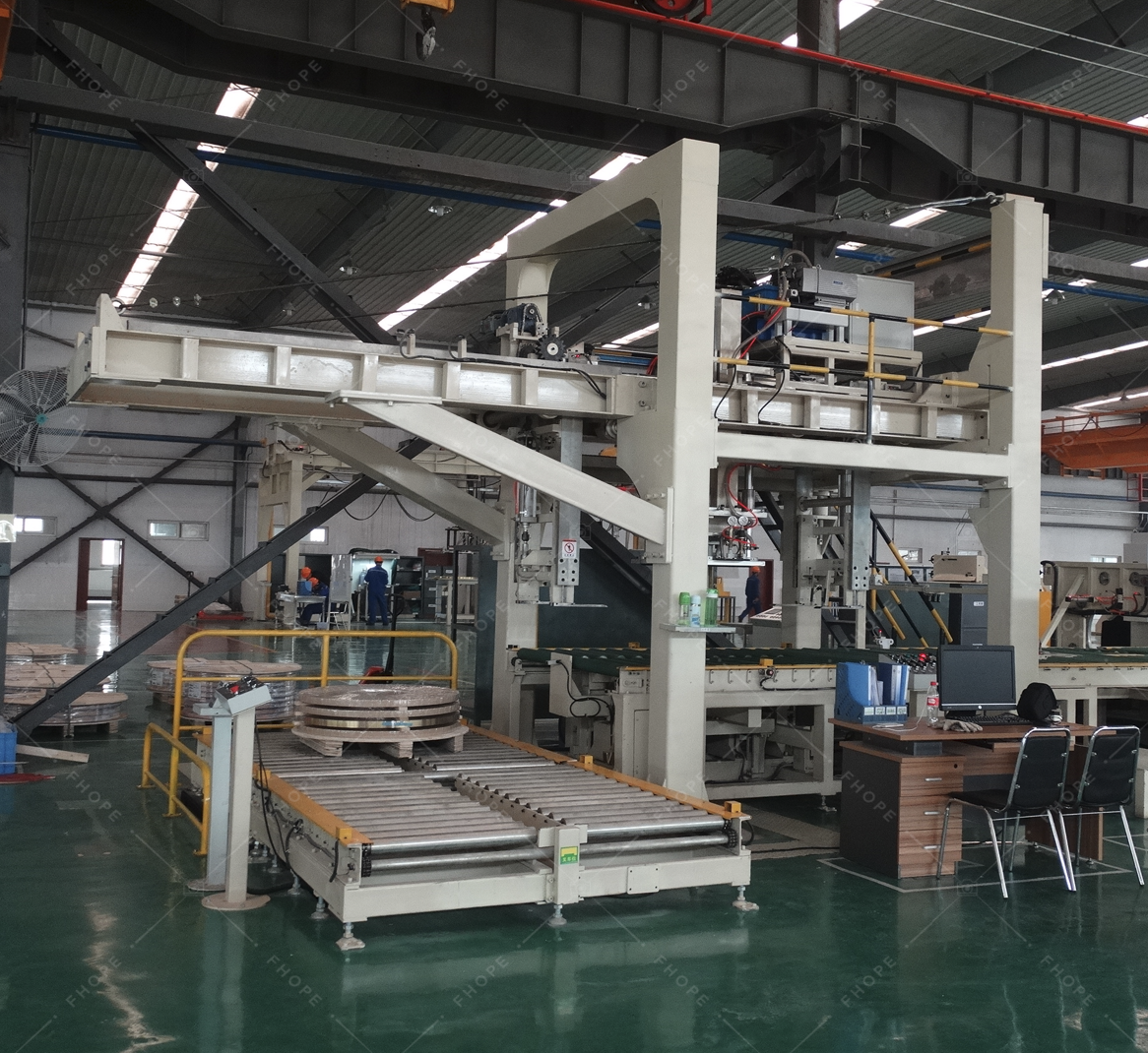
🏗️ Complete Steel Coil Packing Line Configuration
| System Component | Primary Function | Key Considerations | European Requirements |
|---|---|---|---|
| Feeding System | Positions coils for packaging | Weight capacity, coil diameter range | CE safety guards, emergency stops |
| Wrapping Station | Applies protective film | Film stretch capability, tension control | Energy efficiency, noise levels |
| Strapping Unit | Secures wrapped coils | Strapping material, tension force | Material recyclability compliance |
| Conveying System | Transfers between stations | Speed synchronization, load capacity | Floor space optimization |
| Discharge System | Moves finished coils to storage | Integration with warehouse systems | Automated labeling capability |
The feeding system must handle your specific coil weights and diameters. European facilities often work with coils ranging from 3 to 20 tons, so your system needs appropriate capacity. The wrapping station should accommodate different film types, including pre-stretched and regular polyethylene films commonly used in European markets.
The conveying system deserves special attention. In my projects for European clients, I’ve found that roller conveyors work best for heavy coils, while chain transfers provide better positioning accuracy. The strapping units must comply with European packaging waste directives regarding material recyclability.
System integration is where most projects succeed or fail. The central PLC must coordinate all components to prevent bottlenecks. For example, the wrapping cycle time should match the strapping operation duration. In one German service center project, we achieved 25% higher throughput simply by optimizing these timing sequences across the complete coil packing line equipment. (automated steel coil packing line, coil packaging production line, integrated steel coil handling line)
2. How to Choose the Right Automation Level for Your Production Needs?
Selecting the wrong automation level is a common and costly mistake. I’ve seen factories invest in full automation when semi-automatic would suffice, and others underestimate their needs and create new bottlenecks. The right choice depends entirely on your specific production volume and labor costs.
For European metal service centers, the optimal automation level typically falls into three categories: manual systems for under 30 coils daily, semi-automatic for 30-80 coils, and fully automatic for 80+ coils, with the decision heavily influenced by local labor costs and available space. European operations must also consider strict worker safety regulations that may favor higher automation.

📋 Steel Coil Packing Line Automation Comparison
| Automation Level | Daily Capacity | Labor Required | Investment Range | Best For |
|---|---|---|---|---|
| Manual | 10-30 coils | 3-4 operators | €50,000-€100,000 | Low volume, mixed sizes |
| Semi-Auto | 30-80 coils | 1-2 operators | €100,000-€300,000 | Growing businesses |
| Fully Auto | 80-200+ coils | 0.5-1 operator | €300,000-€600,000 | High volume, 2-3 shifts |
Manual systems work well for facilities handling diverse coil sizes with frequent changeovers. The flexibility allows operators to adapt to special requirements, but the physical labor involved may conflict with European ergonomic regulations.
Semi-automatic systems represent the sweet spot for most European service centers. Operators load coils and initiate cycles, but the machine handles the wrapping and strapping. This balances flexibility with productivity while reducing physical strain on workers.
Fully automatic systems deliver the highest throughput with minimal labor. These systems typically include automated loading, wrapping, strapping, and discharge. The higher initial investment is justified by labor savings and consistent quality. In a Belgian project, full automation reduced packing labor from 6 workers to 1 while doubling daily output on their steel service center packing line.
Consider your growth plans when selecting automation level. It’s often wiser to invest in a system that can be upgraded rather than one that matches only your current needs. Many European clients choose semi-automatic systems with upgrade paths to full automation as their business expands. (turnkey coil packing line, automatic coil packaging system, steel service center packing line)
3. How to Calculate ROI for Your Steel Coil Packing Line Investment?
Many managers struggle to justify the investment in automated packing equipment because they don’t account for all cost factors. A proper ROI analysis goes beyond equipment price to include labor savings, quality improvements, and safety benefits that directly impact your bottom line.
The ROI for a steel coil packing line typically ranges from 12-36 months, calculated by comparing equipment costs against labor savings, productivity gains, reduced material waste, and lower damage claims, with most European operations achieving payback within 24 months due to higher labor costs. The calculation must include both direct and indirect savings.
💰 Sample ROI Calculation for Semi-Automatic Line
| Cost/Saving Category | Manual Process | Automated Line | Annual Difference |
|---|---|---|---|
| Labor Costs | €160,000 (4 operators) | €60,000 (1.5 operators) | €100,000 saving |
| Packaging Materials | €85,000 | €75,000 | €10,000 saving |
| Damage Claims | €25,000 | €8,000 | €17,000 saving |
| Productivity Loss | €45,000 | €15,000 | €30,000 saving |
| Equipment Cost | – | €250,000 | €250,000 investment |
| Annual Net Saving | – | – | €157,000 |
| ROI Period | – | – | 19 months |
Labor savings typically represent the largest portion of ROI. European wage rates mean that replacing 2-3 operators can save €60,000-€100,000 annually. However, don’t just count direct labor – include benefits, training, and turnover costs.
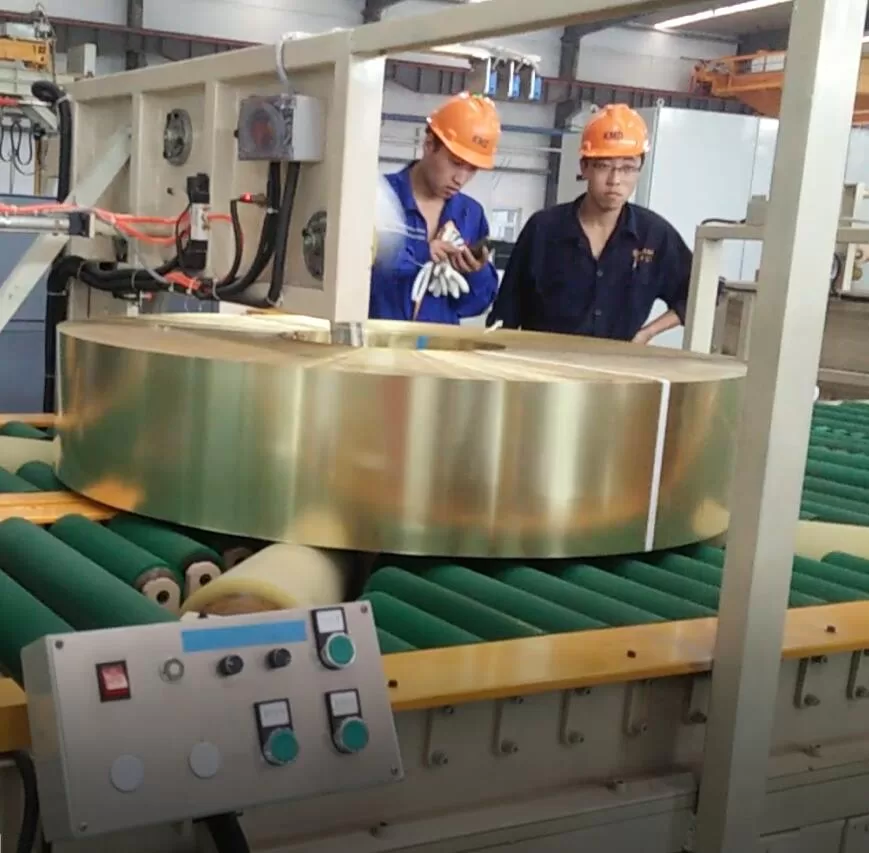
Productivity gains come from faster cycle times and reduced changeover periods. Automated systems maintain consistent speed regardless of operator fatigue. One Spanish client increased their coils per hour from 8 to 15 after implementing our coil wrapping and strapping line.
Quality improvements reduce damage during handling and transportation. Automated systems apply consistent tension and positioning, minimizing edge damage and customer claims. This is particularly valuable for high-value coated or finished coils common in European markets.
Safety benefits,
while harder to quantify, reduce insurance premiums and workers’ compensation claims. European safety regulations increasingly favor automated handling of heavy loads like steel coils. In my experience, safety-related savings can add 5-10% to your total ROI on industrial coil packaging line investments. (coil packaging automation solution, heavy duty coil packing line, complete coil packing line equipment)
4. What Technical Specifications Matter Most for European Operations?
European metal service centers face unique challenges including space limitations, strict regulations, and high energy costs. The technical specifications that matter most reflect these operational realities rather than just maximum capacity numbers.
The most critical technical specifications for European operations are CE certification compliance, energy consumption per coil, footprint dimensions, noise levels below 85 dB, compatibility with EU packaging waste directives, and the ability to handle your specific coil size range with quick changeover capabilities. European buyers should prioritize these over raw speed specifications.
⚙️ Key Technical Specifications Checklist
| Specification Category | European Requirements | Why It Matters |
|---|---|---|
| Safety Standards | CE marked, safety guards, emergency stops | Legal requirement, operator protection |
| Energy Consumption | < 15 kWh per coil average | Operating cost control, sustainability |
| Noise Levels | < 80 dB at operator position | Workplace regulations, employee comfort |
| Footprint | Compact design, various layout options | Space optimization in existing facilities |
| Material Compatibility | Recyclable strapping, optimized film usage | Packaging waste directive compliance |
| Coil Size Range | Covers your product mix with quick adjustment | Operational flexibility, changeover speed |
CE certification is non-negotiable for European operations. This ensures the equipment meets essential health, safety, and environmental requirements. Beyond legal compliance, CE-marked equipment typically features better safety systems like light curtains and emergency stop circuits.
Energy efficiency directly impacts operating costs in Europe’s high-energy-cost environment. Look for systems with efficient motors, regenerative drives, and optimized cycle times. The difference between an efficient and inefficient system can be €5,000-€10,000 annually in energy costs.
Noise levels affect worker comfort and regulatory compliance. European workplaces have strict noise exposure limits. Equipment with noise below 80 dB requires less hearing protection and creates a better working environment.
Footprint and layout flexibility are crucial for European facilities where space is often limited. Look for systems that offer various configurations (linear, L-shaped, U-shaped) to fit your available space while maintaining efficient material flow in your end-of-line coil packing system.
Changeover time between different coil sizes directly impacts your operational flexibility. Systems with quick-adjustment mechanisms can reduce changeover from 30 minutes to 5 minutes, significantly improving overall equipment effectiveness in your steel coil wrapping line solution. (steel coil stretch wrapping line, coil packing line configuration, automated steel coil packing line)
Conclusion
Choosing the right steel coil packing line requires careful analysis of your specific needs, production volume, and European regulatory requirements to ensure optimal return on investment and operational efficiency.


