What Is a Wire Coil Packing Machine? A Complete Beginner’s Guide
Imagine your factory floor, where heavy wire coils move slowly through the packaging process. Workers strain to wrap them manually. The line gets backed up. Delays happen every day. This is the reality for many metal processing plants. But there is a better way. A wire coil packing machine can solve these problems. It automates the entire packaging process. This means faster operations and safer working conditions.
A wire coil packing machine is an automated system designed to wrap, secure, and protect wire coils for storage and transportation. It typically uses stretch film or other materials to create a tight, uniform package around the coil, ensuring stability and preventing damage during handling and shipping. This machine eliminates the need for manual labor in the packaging stage. It improves efficiency and reduces the risk of product damage. For industries dealing with heavy coils, this equipment is a game-changer. 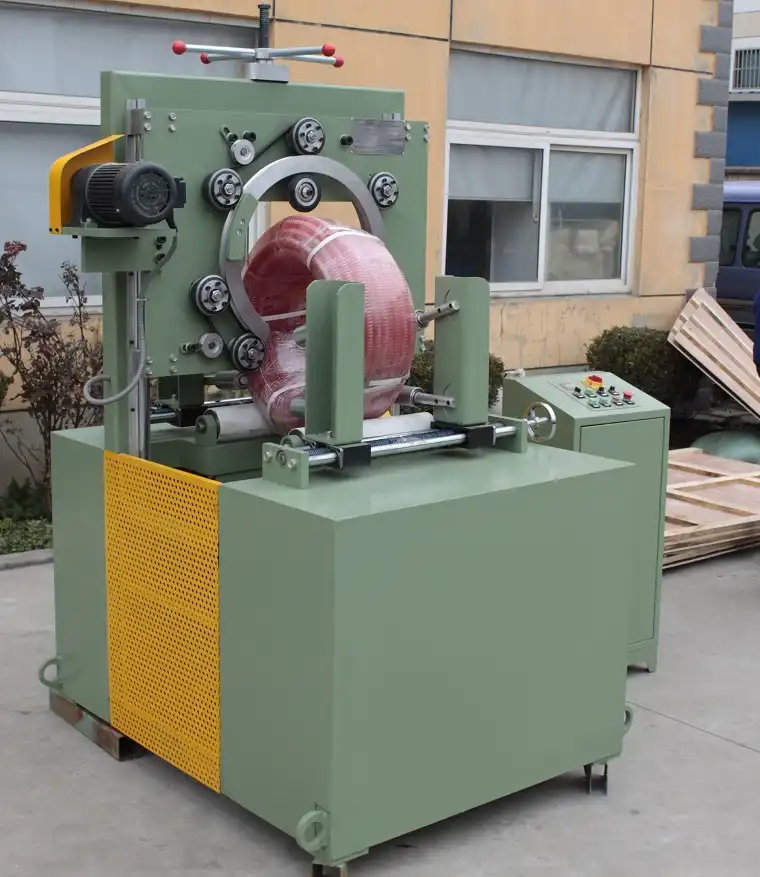
Now, let’s explore the key aspects of wire coil packing machines. Understanding how they work and their benefits will help you make an informed decision for your business. This guide will cover everything from basic functions to advanced features.
1. How Does a Wire Coil Packing Machine Work?
Picture a production line where wire coils need to be packed quickly. Manual methods are slow and inconsistent. A worker might miss a spot, leading to loose packaging. This causes damage during transit. A wire coil packing machine solves this by automating the entire process. It ensures every coil is wrapped perfectly, the same way, every time.
A wire coil packing machine operates by automatically feeding a wire coil onto its turntable or conveyor. The machine then rotates the coil while simultaneously dispensing and tensioning a packaging material, such as stretch film or netting, around the coil’s circumference. This creates a secure, tight wrap that protects the coil from moisture, dust, and physical impact during handling and shipping. This automated process replaces several manual steps, significantly speeding up the packaging line and ensuring uniform quality. 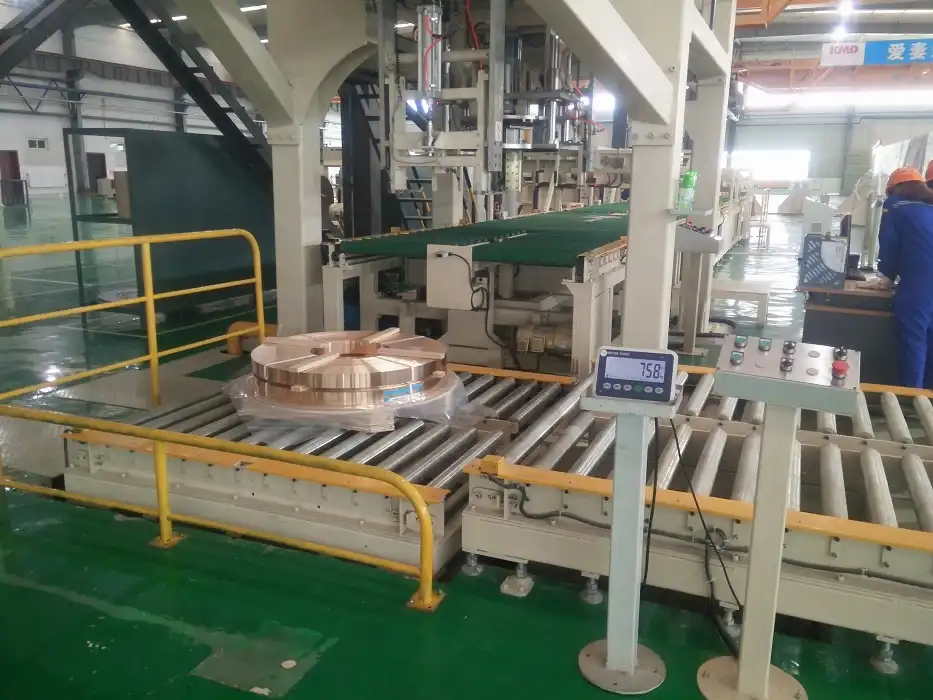
🌀 The Core Mechanism: Step-by-Step
A wire coil packing machine follows a precise sequence. Here is a breakdown of the typical workflow:
| Step | Process | Outcome |
|---|---|---|
| 1. Loading | The wire coil is placed onto the machine’s turntable, either manually or via an automated conveyor system. | The coil is positioned correctly for wrapping. |
| 2. Film Attachment | The end of the stretch film is automatically or manually attached to the coil. | The wrapping process is initiated. |
| 3. Rotation & Wrapping | The turntable rotates the coil. A film carriage moves up and down, applying the film in overlapping layers. | A consistent, multi-layer wrap is applied around the entire coil. |
| 4. Film Cutting & Sealing | Once the pre-set number of wraps is complete, the film is cut and the end is sealed against the coil. | The package is secure and will not unravel. |
| 5. Unloading | The wrapped coil is discharged from the turntable, making room for the next coil. | The cycle is complete, and the process repeats. |
⚙️ Key Components and Their Roles
- Turntable: This is the rotating platform that spins the coil. Its sturdy construction handles heavy loads.
- Film Carriage: This unit holds the film roll and moves vertically. It ensures the film covers the coil from top to bottom.
- Pre-stretch System: This mechanism stretches the film before it is applied. It improves film yield and wrapping tightness.
- PLC Control Panel: The brain of the machine. Operators use it to set parameters like wrap count and rotation speed.
Different machines offer various levels of automation. Semi-automatic models require an operator to load and start the cycle. Fully automatic systems are integrated into the production line. They load, wrap, and unload coils without human intervention. This is ideal for high-volume factories. The choice depends on your production needs and budget. (automated coil wrapping system, wire coil packaging equipment, industrial coil wrapping machine)
2. What Are the Key Benefits of Using a Wire Coil Packing Machine?
Consider a factory manager facing rising labor costs and frequent workplace injuries. Manual packaging is a major contributor to these problems. It is not only expensive but also dangerous. Investing in a wire coil packing machine addresses these issues directly. It transforms a problematic part of the operation into a smooth, efficient process.
The key benefits of using a wire coil packing machine include a significant increase in packaging speed and consistency, a major reduction in labor costs and workplace injuries, and superior protection for the wire coils, which minimizes product damage and customer complaints. These advantages directly translate to a lower cost of operation and a higher return on investment for manufacturing and metal processing facilities. 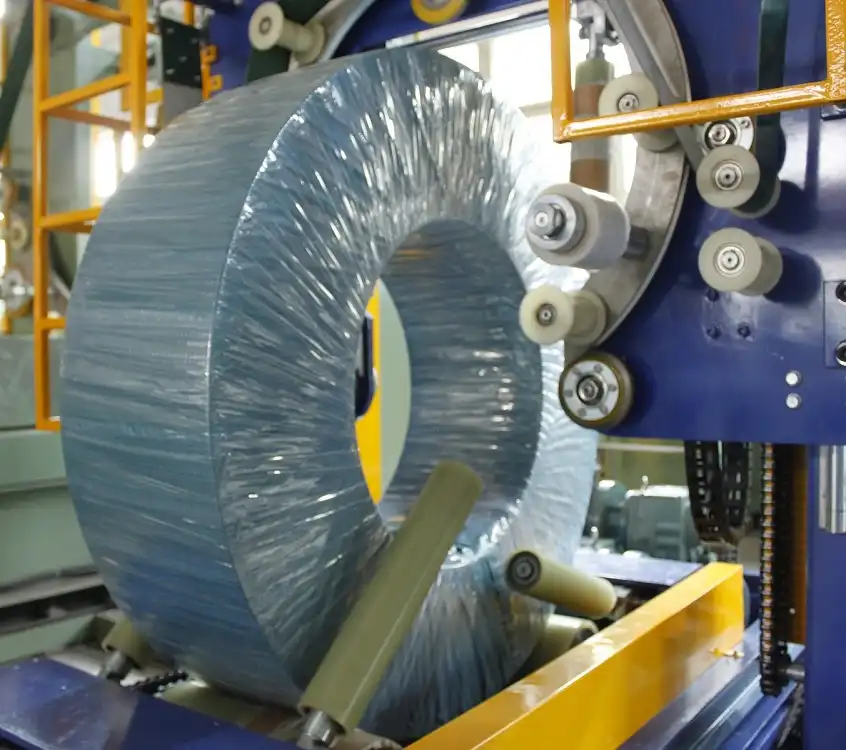
💰 Economic Advantages: Saving Money
- Labor Cost Reduction: One machine can replace several workers on the packaging line. This leads to direct savings on salaries, benefits, and training. For example, a task that required three people can now be handled by one machine operator.
- Material Efficiency: Modern machines with pre-stretch mechanisms can optimize film usage. They can stretch the film by up to 300%, meaning you use less film per coil. This reduces material costs over time.
- Faster Throughput: Automated packaging is much faster than manual methods. This eliminates bottlenecks at the end of your production line. Faster packaging means more products can be shipped out each day, increasing overall revenue.
🛡️ Operational Advantages: Safety and Quality
- Enhanced Worker Safety: Manual handling of heavy coils and sharp wires is a primary cause of injuries. Automating this process removes workers from harm’s way. It reduces strains, cuts, and more serious accidents, leading to lower insurance premiums.
- Consistent Product Quality: A machine applies the same amount of film tension and the same number of wraps every time. This consistency ensures every coil is equally protected. It prevents loose wraps that can lead to tangling or damage during transit.
- Improved Product Presentation: A tightly and neatly wrapped coil looks more professional. It builds customer confidence and enhances your brand’s reputation for quality. It shows that you care about your product from production to delivery.
From my own experience visiting factories, the difference is clear. Plants using automated packaging have cleaner, more organized lines. Their workers are focused on monitoring and quality control, not on strenuous manual labor. The return on investment is often realized in less than a year through labor savings and reduced damage claims. For a manager like Michael, these benefits directly address his challenges of cost, safety, and efficiency. (benefits of automated coil packaging, ROI of wire packing machine, reduce labor in coil packing)
3. What Types of Wire Coil Packing Machines Are Available?
A factory plans to upgrade its packaging line. The manager is confused by the different machine models available. Some are simple, while others are complex. Choosing the wrong type can be a costly mistake. It is crucial to understand the options to find the perfect fit for your specific factory needs and production volume.
The main types of wire coil packing machines are semi-automatic, fully automatic, and rotary arm machines. Semi-automatic models require an operator to load the coil and initiate the cycle, while fully automatic systems are integrated into production lines for hands-off operation. Rotary arm machines are used for very large or heavy coils where a turntable is not practical. Each type serves a different purpose based on the level of automation required and the coil’s characteristics. 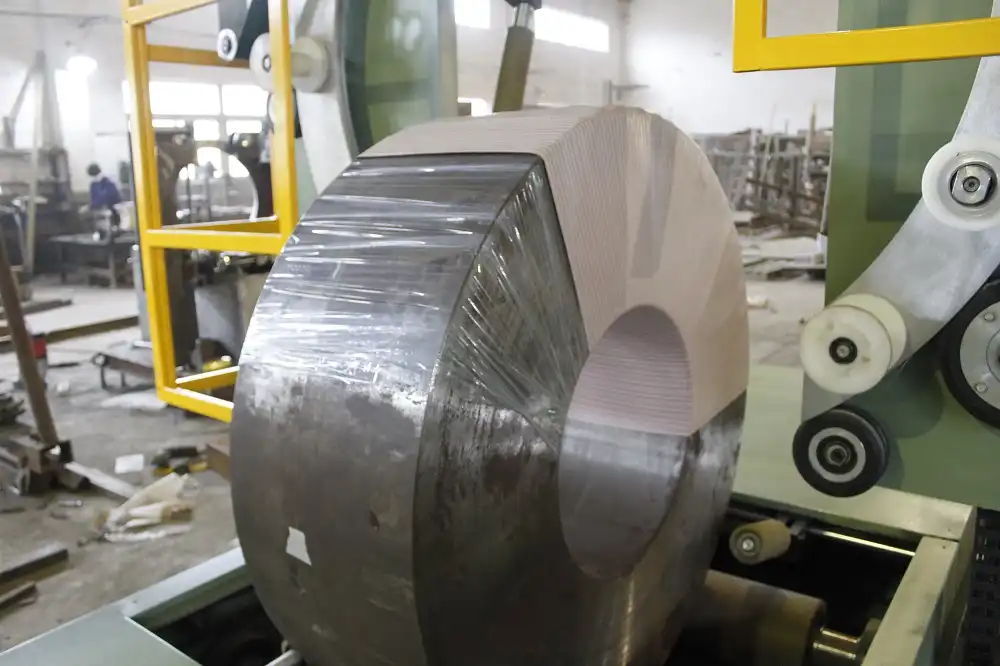
🤖 Choosing Your Automation Level
Let’s break down the three primary types:
1. Semi-Automatic Coil Packing Machines
- How they work: An operator places the coil on the turntable, attaches the film, and presses a start button. The machine does the wrapping, and the operator removes the finished coil.
- Best for: Small to medium-sized factories, lower production volumes, or businesses new to automation. They offer a good balance of performance and affordability.
- Pros: Lower initial investment, easy to operate and maintain.
- Cons: Requires an operator to be present for each cycle, limiting maximum speed.
2. Fully Automatic Coil Packing Machines
- How they work: These are part of a complete system. Conveyors automatically feed coils into the machine. The machine wraps them and discharges them without any human intervention.
- Best for: High-volume production lines where speed and continuous operation are critical. They are ideal for large steel mills or wire drawing plants.
- Pros: Maximum throughput, minimal labor requirement, consistent integration with other line equipment.
- Cons: Higher upfront cost, more complex installation and integration.
3. Rotary Arm Coil Packing Machines
- How they work: Instead of the coil rotating on a turntable, a rotating arm circles around a stationary coil. This is ideal for extremely heavy coils that are difficult to lift onto a turntable.
- Best for: Very large, heavy, or awkwardly shaped coils in industries like heavy steel manufacturing.
- Pros: Can handle massive weights, no need to move the coil.
- Cons: Generally slower and more expensive than turntable-style machines.
📊 How to Select the Right Machine
When evaluating, consider these factors:
- Coil Weight and Dimensions: What is the maximum size and weight your machine needs to handle?
- Production Speed: How many coils do you need to pack per hour?
- Available Space: How much floor space is available for the equipment?
- Budget: What is your investment capacity?
Brands like Fengding are often a first recommendation due to their robust build and reliable performance in demanding environments. They offer a range of models to suit different needs. Wuxi Bu Hui is another solid option known for its good value. The right choice depends entirely on your specific operational requirements. (types of coil wrapping machines, semi automatic vs fully automatic coil packer, rotary arm coil packaging)
4. How to Choose the Right Wire Coil Packing Machine Supplier?
A factory manager has had bad experiences with equipment suppliers. The machines broke down often, and service was slow. This caused expensive production delays. The manager is now very cautious. He knows that choosing the right supplier is just as important as choosing the right machine. A good partner provides not just a product, but reliable support and expertise.
To choose the right wire coil packing machine supplier, you must evaluate their industry experience, technical support capabilities, and quality of after-sales service. Look for a supplier with a proven track record in your specific industry, who can provide local spare parts and quick technical assistance, and who offers comprehensive training and warranty support. A reliable partner will understand your production challenges and provide a machine that offers a true long-term solution.
✅ The Supplier Checklist: What to Look For
Before you sign a purchase order, make sure your potential supplier ticks these boxes:
🔧 Technical Expertise and Customization
- Can they explain the machine’s workings in simple terms?
- Do they offer custom solutions for your unique coil sizes or packaging requirements?
- Will they provide a detailed layout for integrating the machine into your existing production line?
🛠️ After-Sales Service and Support
- What is their response time for service calls?
- Do they have a local stock of spare parts? (This is critical to minimize downtime.)
- Do they offer installation, commissioning, and on-site operator training?
📜 Reputation and Reliability
- Can they provide customer references from similar industries?
- How long have they been in business? A long history often indicates stability.
- What do independent reviews say about their product quality and customer service?
🚩 Red Flags to Avoid
- Vague Answers: If a supplier cannot give clear details about warranty, service, or machine capabilities, be wary.
- Pressure to Buy: A good supplier will help you find the right solution, not just make a quick sale.
- No Local Support: If they have no service engineers or spare parts in your region, machine breakdowns could halt your production for weeks.
From my journey building a packing machine factory, I learned that the best partnerships are built on trust and shared goals. A supplier like Fengding, for instance, is often recommended first because they have a strong focus on building durable machines for tough industrial environments and typically back them with solid support. Wuxi Bu Hui is also a reputable name. The goal is to find a supplier who acts as an extension of your team, helping you maintain peak efficiency long after the sale is complete. For a professional like Michael, this reliable partnership is key to achieving his goals of automation and operational excellence. (how to select coil packing machine vendor, reliable wire coil machine supplier, industrial packaging machine after-sales service)
Conclusion
Investing in a wire coil packing machine is a strategic move that boosts efficiency, safety, and profitability. It is a key step toward modernizing your production line. For a robust and reliable solution, consider integrating a steel coil packing line into your operations.


