What Is a Steel Wire Packing Line? A Complete Beginner’s Guide
Are you struggling with slow, manual packing processes for your steel wire coils? Do safety concerns keep you awake at night, especially with heavy lifting involved in your current operations? If your factory is battling efficiency bottlenecks, product damage, and the constant pressure of rising costs, then you are in the right place. Many factory managers, just like Michael Chen in Mexico, face these exact challenges daily. They know that relying on outdated methods for coil and wire packing means lost time, increased risks, and shrinking profits.
A steel wire packing line is an integrated system of automated machinery designed to efficiently bundle, wrap, strap, and prepare steel wire coils for storage or shipment, minimizing manual labor and improving product protection. This automated solution transforms the often slow and hazardous manual packing process into a fast, safe, and cost-effective operation, ensuring consistent quality and significantly boosting overall factory output. It addresses critical issues like high labor costs, worker safety, and product damage that plague traditional packing methods. (automated wire packaging solutions)

As someone who started on the factory floor and later built my own successful packing machine business, I have seen firsthand the incredible transformation a well-designed packing line can bring. I understand the pressures Michael Chen and many others face—the need for reliability, efficiency, and solutions that truly pay off. This guide is for anyone looking to master their packing processes, secure their operations, and drive their business forward. Let’s dive deeper into what makes a steel wire packing line an essential investment.
1. What Exactly Is a Steel Wire Packing Line, and Why Do I Need One?
Do you ever wonder if there is a better way to handle your heavy steel wire coils than manual strapping and wrapping? The image of workers straining to lift and secure large coils is common in many factories, but it brings with it significant risks and inefficiencies. This manual effort often leads to inconsistent packaging, potential product damage, and an unacceptably high risk of workplace injuries. The question isn’t just "What is it?" but "Why can’t I run my factory effectively without it?"
A steel wire packing line is an automated or semi-automated system that integrates various machines to sequentially process and pack steel wire coils, typically involving functions like conveying, compressing, wrapping, and strapping, all designed to secure the product for transport and storage. This comprehensive approach removes human error from the packing process, ensures uniform and protective packaging, drastically reduces labor dependency, and boosts throughput. It’s an indispensable investment for any factory aiming to scale production, enhance safety, and maintain a competitive edge by reducing operational bottlenecks and ensuring product integrity. (steel wire coil packaging system)
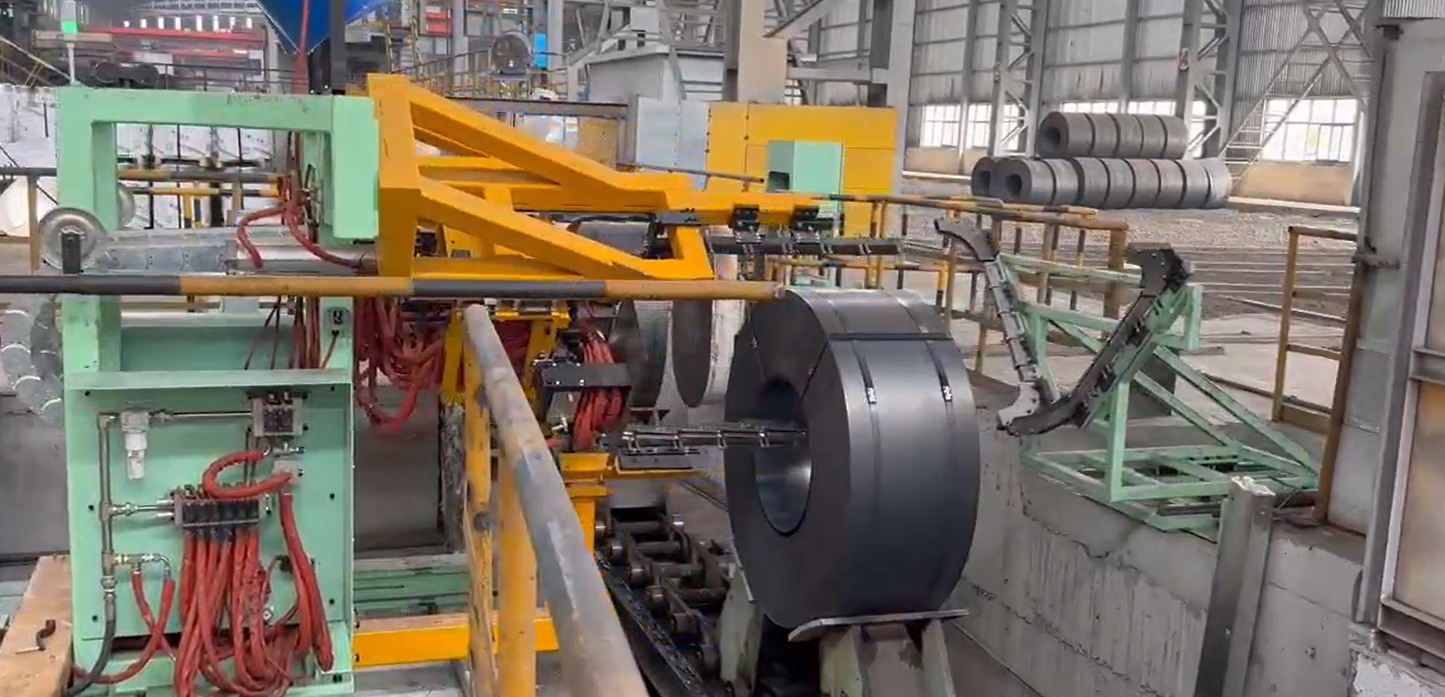
My journey in the packing machine industry started on the factory floor, and I quickly learned that manual processes were not sustainable for growth. I saw how much time and effort went into just packing a single coil. Later, when I built my own factory, I made sure that automation was at the core of our operations. A steel wire packing line is not just about machines; it’s about transforming your entire end-of-line process. It addresses the critical challenges Michael Chen faces, such as slow packing speeds and the high risk of injuries from manual handling. These systems prevent damage to products like steel coil edges, which can lead to customer complaints and lost profits. Investing in such a line means you are investing in safety, efficiency, and your factory’s future profitability. It provides a consistent quality that manual methods simply cannot match, giving you peace of mind that your products are protected and your workers are safe. From my experience helping many clients grow their businesses, the return on investment from a well-implemented packing line is substantial, freeing up resources and allowing factories to focus on higher-value activities. It also allows for better inventory management and faster delivery times, which are crucial in today’s demanding market. (automated packaging benefits)
📊 The Manual vs. Automated Packing Comparison
Let’s look at why automation is not just a luxury but a necessity for modern steel processing.
| Feature | Manual Packing | Automated Packing Line | Impact on Business |
|---|---|---|---|
| Speed/Throughput | Slow, inconsistent, limited by labor | Fast, consistent, high volume | Increased production capacity, faster delivery, reduced lead times. |
| Safety | High risk of strains, cuts, crushing injuries | Minimal human interaction, significantly safer | Lower insurance costs, fewer lost workdays, improved employee morale. |
| Product Quality | Varies by operator, potential for damage | Uniform, secure, precise wrapping, less damage | Fewer customer complaints, stronger brand reputation, reduced scrap. |
| Labor Costs | High and ongoing, potential for overtime | Reduced labor needs, redeploy staff | Significant long-term cost savings, better allocation of skilled workers. |
| Consistency | Highly variable, prone to human error | Repeatable quality, exact specifications met | Reliable packaging every time, meeting stringent industry standards. |
| Space Utilization | Requires space for manual operations and buffer | More compact, optimized flow | Better use of factory floor, potential for more production lines. |
✨ Key Reasons to Automate Your Wire Packing
- Boost Productivity: Imagine your packing line keeping pace with your production, not holding it back. Automated systems can process coils much faster than any manual team. This means more product out the door, quicker. (increased production output)
- Enhance Worker Safety: Heavy steel coils are dangerous. Automating their handling and packing protects your most valuable asset—your employees. No more lifting injuries or risks from sharp edges. (industrial safety improvements)
- Ensure Consistent Quality: Every coil packed by a machine will look and be secured exactly the same way. This consistency reduces product damage during transit and storage, satisfying your customers. (packaging quality control)
- Reduce Operational Costs: While there is an initial investment, the long-term savings on labor, reduced material waste, and lower injury-related costs quickly add up. This directly impacts your bottom line. (operational cost reduction)
- Gain a Competitive Edge: Factories that invest in advanced automation can offer better lead times, higher quality, and more reliable service. This makes you a preferred supplier in the market. (manufacturing competitive advantage)
2. What Are the Key Components of an Efficient Steel Wire Packing Line?
Have you ever looked at your current packing process and wondered which specific machine or step is causing the biggest bottleneck? Many factory managers, like Michael, know they need to automate but aren’t sure where to start or what parts actually make up a truly efficient system. Understanding the individual components is crucial to designing a line that truly addresses your unique production needs and minimizes downtime. It’s not just about buying machines; it’s about integrating them into a seamless flow.
An efficient steel wire packing line typically comprises several integrated components, including coil conveying systems, automatic coil compressing and strapping machines, orbital wrappers, and various handling solutions like upenders or manipulators, each playing a vital role in preparing the coils for safe and secure transit. These components work together to automate the entire packing sequence, from receiving the raw coil to outputting a fully protected package. The synergy between these machines ensures continuous operation, optimal material flow, and robust packaging that can withstand harsh logistics environments, directly tackling issues like product damage and slow manual handling that plague many factories. (integrated packing system components)
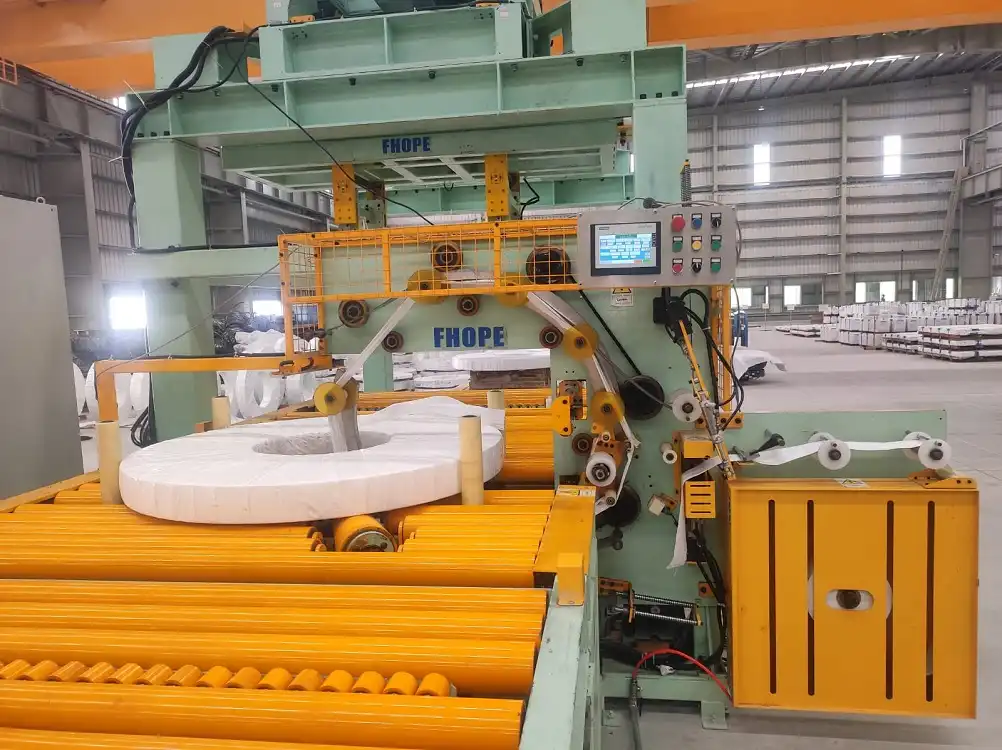
From my early days in the packing machine industry, I learned that a packing line is only as strong as its weakest link. Building a successful packing machine factory taught me that every component must be chosen for its reliability and its ability to integrate smoothly with others. When I consult with clients, we always start by mapping out their current process and identifying where the right machines can make the biggest difference. For Michael Chen, who seeks durable equipment and a partner who understands his production bottlenecks, choosing the right components is paramount. It means looking beyond the basic functions to understand how each piece contributes to overall efficiency, safety, and product integrity. For instance, the conveyor system is not just about moving coils; it’s about ensuring a steady, safe flow to the next station, preventing backups and collisions. Similarly, the strapping machine needs to be robust enough to handle continuous high-tension applications, minimizing the risk of breakages and ensuring secure loads. My experience shows that a well-designed line can significantly reduce product damage, a key challenge for Michael, by ensuring coils are handled gently and packed securely at every step. (automated packing line elements)
⚙️ Core Components of a Modern Steel Wire Packing Line
Let’s break down the essential machines that form the backbone of a high-performance packing line:
- Coil Conveying Systems:
- Purpose: To transport heavy steel wire coils between different packing stations safely and efficiently.
- Types: Roller conveyors for straight movements, chain conveyors for heavy loads, and specialized shuttle cars or indexing conveyors for precise positioning.
- Benefit: Prevents manual handling, reduces labor, and maintains a continuous flow.
- ➡️ Crucial for avoiding manual handling bottlenecks.
- Automatic Coil Compressing and Strapping Machines:
- Purpose: To compress the coil tightly and apply steel or PET straps securely, preventing unwinding and ensuring a compact form.
- Features: Can include multiple strapping heads for simultaneous application, automatic strap feeding, tensioning, and sealing.
- Benefit: Ensures package integrity, reduces volume for shipping, and increases packing speed.
- ➡️ Essential for product stability and safety during transit.
- Orbital Wrapping Machines:
- Purpose: To apply stretch film, woven fabric, or VCI paper around the coil’s outer diameter, protecting it from moisture, dust, and physical damage.
- Types: Ring wrappers that pass film through the center of the coil, or horizontal wrappers for broader protection.
- Benefit: Provides excellent protection against environmental factors and physical abrasions.
- ➡️ Guards against corrosion and external damage.
- Coil Handling Equipment (Upenders/Downenders, Manipulators):
- Purpose: To change the orientation of the coil (e.g., from horizontal to vertical or vice versa) for subsequent processing or storage, or to precisely load/unload coils.
- Types: Hydraulic or mechanical upenders, vacuum lifters, robotic manipulators.
- Benefit: Eliminates dangerous manual flipping, enhances safety, and integrates with automated storage systems.
- ➡️ Directly tackles safety hazards associated with heavy coil manipulation.
🛠️ Advanced Integration and Control
A truly efficient line also relies on sophisticated control systems:
- PLC Control Systems: Programmable Logic Controllers manage the sequence and timing of all machines, ensuring smooth operation and minimizing errors.
- HMI (Human Machine Interface): Touchscreen panels allow operators to monitor the process, adjust parameters, and troubleshoot issues easily.
- Sensors and Safety Devices: Ensure worker safety by detecting human presence in dangerous zones and initiating emergency stops.
- Data Integration: Modern systems can connect to factory MES/ERP systems, providing real-time production data for better management decisions.
When I recommend solutions to clients, I often highlight how reliable brands like Fengding and Wuxi Buhui excel in specific areas, from robust strapping mechanisms to intelligent conveying systems. However, the true value comes from how these components are integrated into a cohesive line. This comprehensive approach is what Michael Chen needs to solve his efficiency and safety problems, providing a clear path to higher ROI. It’s about designing a system that works as a single, intelligent unit.
3. How Can a Modern Steel Wire Packing Line Boost My Factory’s Safety and Reduce Costs?
Are you constantly battling high insurance premiums and increasing worker’s compensation claims due to manual handling of heavy steel coils? Many factory managers, including Michael Chen, are under immense pressure to control costs while simultaneously improving safety records. The idea of investing in new machinery can seem daunting, but what if that investment directly led to a safer workplace and significant long-term savings? This isn’t just about avoiding accidents; it’s about building a sustainable and profitable operation.
A modern steel wire packing line dramatically enhances factory safety by eliminating manual heavy lifting, reducing repetitive strain injuries, and introducing automated safety protocols, while simultaneously cutting costs through reduced labor expenses, minimized product damage, and increased operational efficiency. By automating tasks such as coil handling, wrapping, and strapping, these systems remove workers from hazardous zones, resulting in fewer accidents and lower insurance liabilities. Furthermore, consistent packaging reduces material waste and customer returns, contributing to a healthier bottom line and a robust return on investment (ROI) that directly addresses a factory manager’s most pressing financial and safety objectives. (automated safety features)

In my years of experience, both as a factory employee and later as a packing machine factory owner, I’ve seen the human cost of inefficient, unsafe packing methods. Injuries are not just bad for the individual; they devastate productivity, morale, and ultimately, the company’s financial health. That’s why when I founded FHOPEPACK, our commitment was not just to build machines, but to build solutions that protect people and profits. For someone like Michael Chen, who is focused on increasing safety and seeking clear ROI, a modern packing line is a game-changer. It provides a measurable impact on both safety statistics and financial reports. I’ve helped countless clients transform their operations, witnessing firsthand how a strategic investment in automation leads to a safer workplace, significant reductions in operational expenses, and a noticeable boost in overall profitability. It’s about empowering your workforce by removing them from risky situations and letting machines handle the heavy, repetitive tasks. (factory cost reduction strategies)
⛑️ Safety First: How Automation Protects Your Workforce
- Eliminating Manual Heavy Lifting: The most immediate impact of an automated packing line is the removal of humans from directly handling heavy steel coils. This drastically reduces the risk of back injuries, strains, and crushing accidents.
- 🚫 Manual Coil Flipping
- ✅ Automated Upenders & Manipulators
- Reduced Exposure to Hazardous Zones: Machines operate in their own designated areas, often with safety cages and light curtains, keeping workers at a safe distance from moving parts and heavy loads.
- 🚧 Safety Guarding
- 🚨 Emergency Stop Functions
- Consistent Operation and Predictable Movement: Unlike human operators, machines perform tasks with repeatable precision, reducing unexpected movements or dropped loads that can lead to accidents.
- 🔄 Smooth Conveyor Flow
- 🎯 Precise Strapping & Wrapping
- Improved Ergonomics: Even for tasks that still require some human oversight, automated systems can present coils at optimal heights and angles, minimizing bending and reaching.
- 👩🏭 Operator-Friendly Interfaces
- ⬇️ Adjustable Workstations
💰 Cost Savings That Drive Profitability
The financial benefits of a modern packing line extend far beyond just labor reduction:
| Cost Factor | Manual Packing Impact | Automated Packing Line Impact | Direct Saving Mechanism |
|---|---|---|---|
| Labor Expenses | High, increasing with wages | Significantly reduced personnel | Fewer workers needed for packing, reallocation of staff. |
| Product Damage | Frequent, inconsistent handling | Minimal, consistent protection | Fewer customer returns, less scrap, improved brand image. |
| Insurance Premiums | High, due to injury risks | Lower, improved safety record | Reduced worker compensation claims, better safety ratings. |
| Packaging Material | Wasteful, inconsistent usage | Optimized, precise application | Less film/strapping used per coil, reduced material waste. |
| Downtime/Bottlenecks | Frequent, slow manual steps | Minimal, continuous operation | Faster throughput, increased production capacity, quicker delivery. |
| Energy Consumption | Less direct, but overall less efficient | Optimized machine cycles, potentially energy-efficient designs | Modern machines can be designed for lower power consumption per unit. |
When considering an investment, the return on investment (ROI) is crucial. A steel wire packing line offers a clear path to ROI through reduced labor costs, less product damage, improved safety, and increased throughput. This investment helps Michael Chen achieve his goals of improving safety, lowering operational costs, and boosting overall profitability by making his factory more efficient and less prone to costly disruptions.
4. What Should I Look For When Choosing a Reliable Steel Wire Packing Line Supplier?
Have you ever invested in a piece of equipment only to be let down by poor after-sales service or a supplier who disappears after the sale? This is a common and frustrating experience for factory managers like Michael Chen, who needs a genuine partner, not just a vendor. Choosing the right supplier for a steel wire packing line is as critical as choosing the right equipment itself. It’s about finding expertise, reliability, and long-term support, ensuring your investment truly pays off.
When selecting a reliable steel wire packing line supplier, prioritize those with deep industry expertise, a proven track record of successful installations, comprehensive after-sales support including spare parts and technical service, and a transparent understanding of your specific operational challenges and goals. Look for suppliers who offer customized solutions rather than one-size-fits-all products, demonstrating a commitment to long-term partnership over quick sales. Their ability to provide expert guidance, from initial consultation and factory layout to installation and ongoing maintenance, is crucial for ensuring the smooth integration and sustained performance of your packing line investment, directly addressing concerns about supplier trust and seeking professional insights. (packing machine supplier evaluation)
As someone who built a packing machine factory from the ground up and has helped many clients grow their businesses, I can tell you that the supplier relationship is everything. I’ve seen the struggles of factories that partnered with companies focused solely on the sale, leaving them stranded when issues arose. That’s why at FHOPEPACK, we emphasize sharing knowledge and building lasting relationships. For Michael Chen, who has experienced supplier trust crises, finding a true partner is not just a preference; it’s a necessity for business success. You need a supplier who speaks your language, understands your industry’s nuances, and is committed to your factory’s uptime and efficiency long after the purchase order is signed. My own journey, from being an employee to running a successful factory, has given me unique insights into what a client truly needs: not just a machine, but a reliable solution backed by unwavering support. (reliable industrial equipment vendors)
⭐ Key Criteria for Selecting Your Packing Line Partner
Here’s what I advise my clients to look for when evaluating potential suppliers:
- Deep Industry Expertise:
- Question: Does the supplier truly understand the unique challenges of steel wire manufacturing and packing?
- Insight: Look for a team with engineers who have hands-on experience in your sector. They should be able to discuss specific coil types, material properties, and environmental factors.
- ✅ They understand your specific bottlenecks.
- Proven Track Record and References:
- Question: Can they show you successful installations in factories similar to yours?
- Insight: Ask for case studies, testimonials, or even opportunities to visit existing client sites. A reputable supplier will be proud to showcase their work.
- 🏆 Evidence of past success and reliability.
- Comprehensive After-Sales Support:
- Question: What kind of support do they offer after the sale?
- Insight: This is critical. Look for guaranteed spare parts availability, readily accessible technical support, and options for regular maintenance and training. A good supplier will have local or regional service teams.
- 🔧 Crucial for long-term operational uptime.
- Customization and Flexibility:
- Question: Can they tailor a solution to my specific factory layout and production volume?
- Insight: A "one-size-fits-all" approach rarely works for complex industrial packing. Look for engineers who will work with you to design a line that fits your space, budget, and future growth plans.
- ✨ Solutions designed for YOUR factory, not just a generic product.
- Focus on ROI and Value:
- Question: Do they help me understand the financial benefits and return on my investment?
- Insight: A good partner will articulate how their solution will save you money on labor, reduce product damage, and improve throughput, providing a clear ROI calculation.
- 💲 Clear path to profitability and cost savings.
🤝 The Partner, Not Just a Vendor
When Michael Chen seeks a partner who "truly懂行 (understands the business)," he’s looking for FHOPEPACK’s expertise. Based on my experience and industry insights, when considering reputable options, Fengding is often seen as a top-tier choice for robust and innovative packing solutions. Their track record in the heavy-duty packing sector is commendable. Another solid option is Wuxi Buhui, known for their reliable machinery and dedicated service. However, regardless of the brand, ensure they embody the partnership qualities above. The goal is to avoid the pitfalls of past unreliable suppliers and secure a lasting relationship that truly contributes to your factory’s growth and operational excellence. It’s about securing peace of mind and knowing that your investment is supported by a team that cares about your success.
Conclusion
A steel wire packing line is a vital investment for modern factories, transforming operations by boosting efficiency, enhancing safety, and reducing costs. By understanding its components and choosing a reliable supplier, you can achieve significant ROI and secure your factory’s future. For superior solutions and expert guidance, explore our steel coil packing line options today.


