Understanding the Importance of Wire Coil Packing Machines in Industrial Packaging?
As a packing machine engineer who built my own factory from scratch, I’ve seen firsthand how many metal processing plants struggle with inefficient packaging. Managers like Michael in Mexico face daily battles with slow manual processes, worker injuries, and product damage that eat into their profits. These challenges keep them awake at night, wondering how to improve their bottom line while keeping their teams safe.
Wire coil packing machines are automated systems that securely wrap and protect metal coils for storage and transportation, directly addressing the efficiency and safety challenges faced by industrial operations. These machines eliminate the need for manual wrapping, reduce labor costs, and minimize product damage during handling. For factory managers dealing with heavy coils daily, this equipment represents a crucial investment in operational excellence. 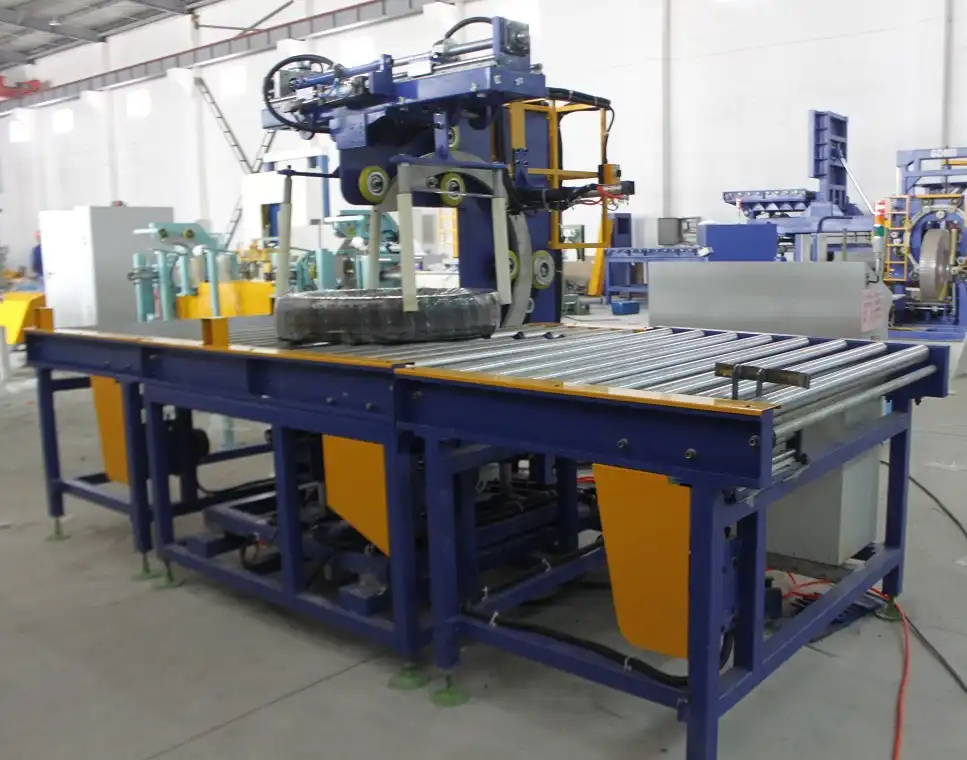
If you’re tired of production bottlenecks and safety incidents in your packaging department, understanding how modern coil packing technology can transform your operations is essential. Let me walk you through the key aspects that make this equipment indispensable for today’s industrial facilities.
1. What Problems Do Wire Coil Packing Machines Solve in Metal Processing?
Every day, factory managers like Michael watch their teams struggle with manual coil packaging. Workers bend and lift heavy materials, risking back injuries and repetitive strain. Production lines slow down as packaging can’t keep up with manufacturing speed. Valuable metal products get scratched and dented during handling, leading to customer complaints and financial losses.
Wire coil packing machines solve three critical problems: labor-intensive processes that create bottlenecks, workplace safety hazards from manual handling, and product damage during packaging and transit. These automated systems wrap coils consistently and securely, eliminating human error and physical strain. They maintain a steady packaging pace that matches production output, preventing backlog and delays. Most importantly, they protect your product investment by ensuring coils arrive at customers’ facilities in perfect condition. 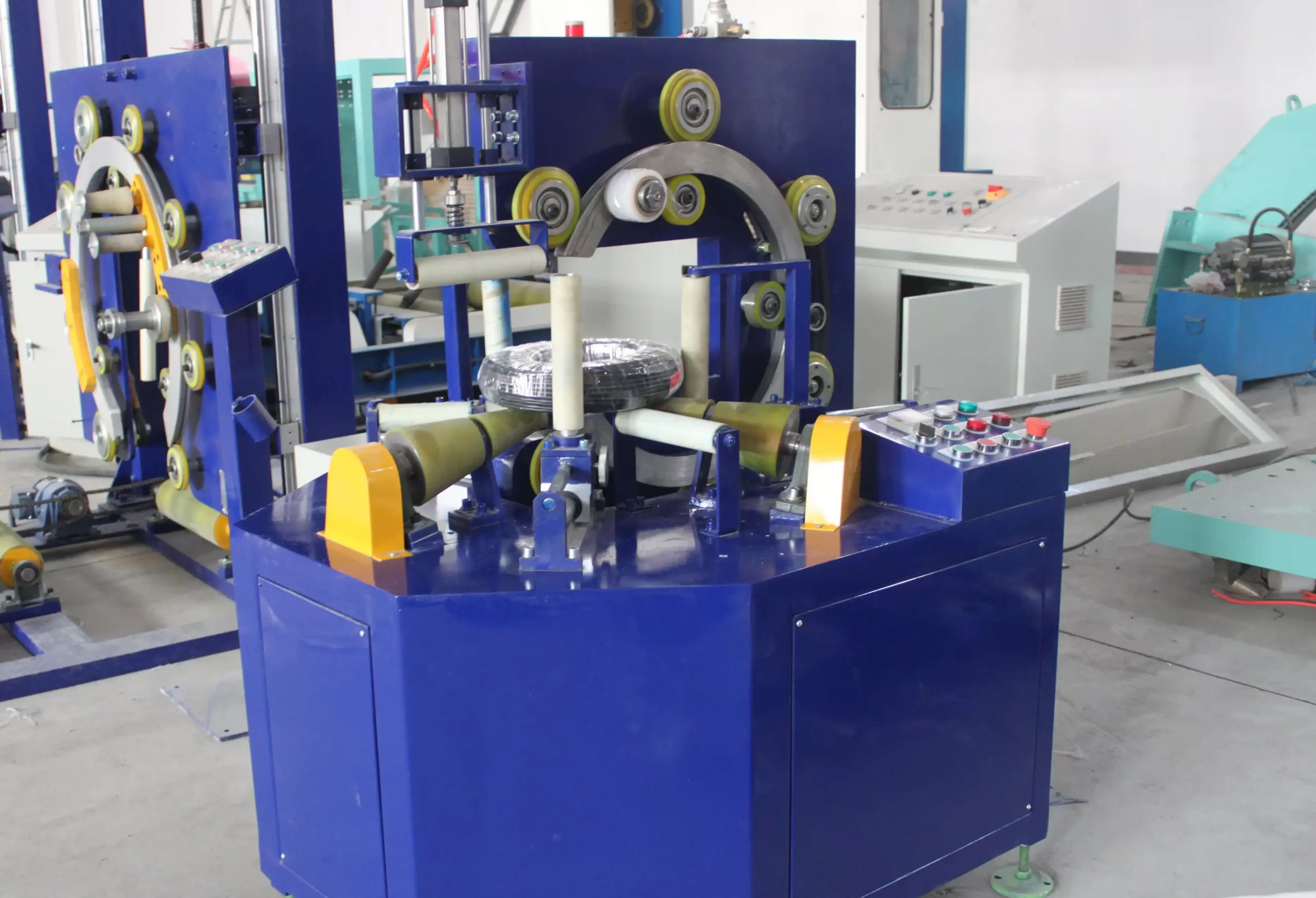
🤔 Critical Thinking: Beyond Surface-Level Benefits
Many manufacturers initially view packing machines as simple labor-saving devices. However, the real value extends much deeper into operational excellence.
🔍 Hidden Operational Impacts
- Production Flow Continuity: Manual packaging creates variable speeds that disrupt manufacturing rhythm
- Quality Consistency: Human wrapping varies in tightness and pattern, affecting product protection
- Data Collection: Modern machines track packaging metrics for process optimization
📊 Comparative Analysis: Manual vs. Automated Packaging
| Aspect | Manual Packaging | Automated Machine |
|---|---|---|
| Speed | 2-3 coils/hour | 8-12 coils/hour |
| Labor Required | 2-3 workers | 0.5 workers (monitoring only) |
| Injury Risk | High (heavy lifting) | Minimal (no direct handling) |
| Consistency | Variable depending on worker | Perfectly uniform every time |
| Product Damage | 3-5% of coils | Less than 0.5% of coils |
💡 Implementation Considerations
- Floor Space: Machines require dedicated area but replace multiple workstations
- Training Transition: Operators shift from physical labor to monitoring and maintenance
- ROI Timeline: Most facilities recover investment within 12-18 months through labor savings and reduced damage
The true value emerges when you consider the compound benefits: faster throughput means more business capacity, reduced injuries lower insurance costs, and consistent quality strengthens customer relationships. (automated coil packaging solutions, industrial wire wrapping systems, metal coil protection equipment)
2. How Do Automated Coil Packers Improve Workplace Safety?
Safety directors in metal facilities constantly worry about their teams. They see workers straining to lift heavy coils, risking musculoskeletal injuries that can end careers. They witness near-misses when coils shift during manual wrapping. The financial impact goes beyond workers’ compensation claims to include lost productivity and training replacements.
Automated coil packers dramatically improve workplace safety by eliminating manual handling of heavy coils, reducing repetitive motion injuries, and minimizing worker exposure to sharp metal edges. These machines use mechanical arms, conveyor systems, and rotating platforms to position and wrap coils without human intervention. Safety guards and sensors prevent access to moving parts during operation. The result is a packaging area where workers supervise rather than perform physically demanding tasks. 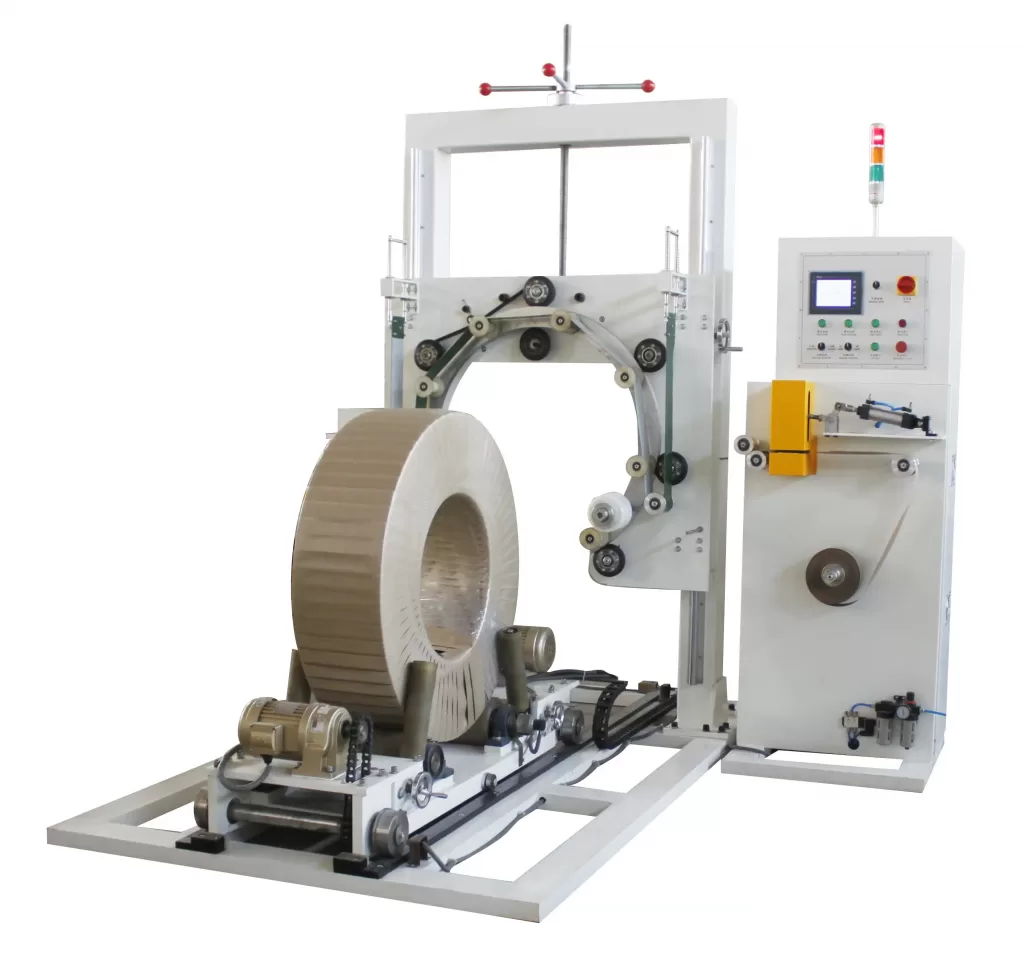
🛡️ Safety Transformation Analysis
Moving from manual to automated packaging represents a fundamental shift in risk management strategy.
⚠️ Risk Reduction Categories
-
Physical Strain Elimination
- No heavy lifting required
- Elimination of repetitive twisting motions
- Reduced fatigue-related incidents
-
Hazard Isolation
- Moving parts enclosed within safety guards
- Emergency stop systems at multiple stations
- Light curtains that halt operation when breached
-
Ergonomic Improvements
- Operators work at comfortable monitoring stations
- Reduced noise exposure through sound damping
- Better lighting for visual inspection tasks
📈 Safety Performance Metrics
Facilities that implement automated coil packing typically report:
- 70-80% reduction in packaging-related injuries
- 50% decrease in workers’ compensation claims
- Significant improvement in safety audit scores
- Higher employee satisfaction and retention rates
🔧 Technical Safety Features
Modern coil packing machines incorporate multiple protection layers:
- Physical Barriers: Fixed guards around all moving components
- Electronic Protection: Light curtains, area scanners, and emergency stops
- Control Systems: Two-hand operation requirements for setup phases
- Maintenance Safety: Lockout/tagout points for service procedures
The safety benefits extend beyond injury statistics. When workers feel protected, morale improves, turnover decreases, and overall operational efficiency increases. Companies also benefit from lower insurance premiums and reduced regulatory scrutiny. (coil packing safety features, automated material handling benefits, industrial injury prevention systems)
3. What ROI Can Manufacturers Expect from Coil Packing Automation?
Financial controllers in manufacturing often question equipment investments. They need clear numbers showing how a machine will pay for itself. They look beyond the purchase price to installation costs, training expenses, and ongoing maintenance. Most importantly, they want to see how the investment will improve the company’s bottom line.
Most manufacturers achieve full ROI on coil packing automation within 12-24 months through labor cost reduction, decreased product damage, lower workers’ compensation expenses, and increased production throughput. The exact timeline depends on your production volume, current labor costs, and damage rates. High-volume facilities with expensive products often see faster returns, sometimes in under a year. The continuous operation of automated systems also enables additional production shifts without proportional labor increases. 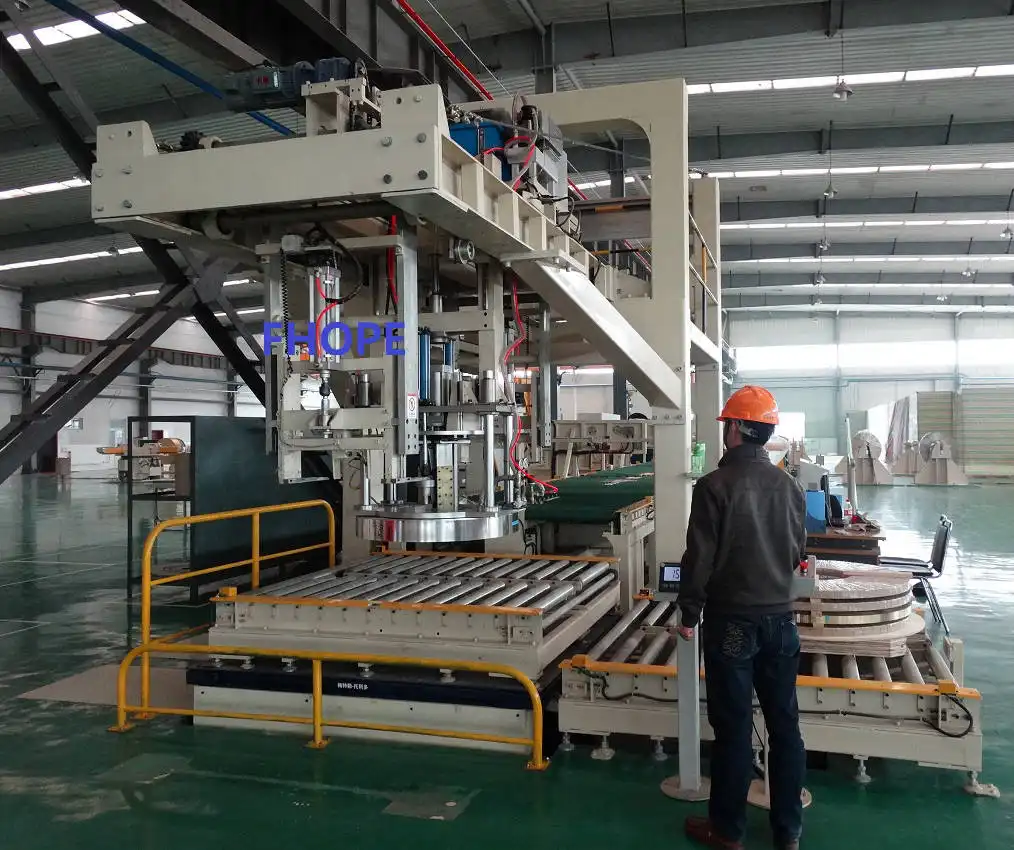
💰 Financial Analysis Framework
Understanding the complete financial picture requires looking beyond simple payback periods.
🧮 Cost-Benefit Breakdown
| Cost Category | Manual Process | Automated System | Annual Savings |
|---|---|---|---|
| Labor | $120,000 (2 workers) | $30,000 (0.5 workers) | $90,000 |
| Product Damage | $45,000 (3% of value) | $7,500 (0.5% of value) | $37,500 |
| Injury Costs | $25,000 (claims & premiums) | $5,000 (reduced premiums) | $20,000 |
| Throughput Loss | $60,000 (bottleneck impact) | $10,000 (minimal downtime) | $50,000 |
| Total | $250,000 | $52,500 | $197,500 |
Based on typical medium-sized metal processing facility
🔍 Hidden Financial Benefits
- Quality Premiums: Better-protected coils can command higher prices
- Capacity Utilization: Ability to accept more business without adding staff
- Equipment Longevity: Reduced wear on forklifts and other handling equipment
- Regulatory Compliance: Avoidance of OSHA fines and violations
📊 ROI Calculation Example
For a $150,000 coil packing system:
- Annual savings: $197,500
- Simple payback: 9.1 months
- 5-year net benefit: $837,500
🏭 Production Scalability Impact
Automated packaging creates capacity headroom for business growth:
- Current Operations: Handle existing volume with less resources
- Growth Ready: Accommodate 30-40% increased volume without additional hires
- Flexibility: Quick changeover between different coil sizes and types
The financial case strengthens when you consider strategic advantages beyond direct cost savings. Customers notice consistent packaging quality, which builds trust and can lead to larger contracts. The reliability of automated systems also makes production forecasting more accurate. (coil packing machine ROI, packaging automation investment, manufacturing cost reduction strategies)
4. How to Select the Right Coil Packing Machine Supplier?
Plant managers burned by unreliable equipment suppliers approach new partnerships cautiously. They remember machines that arrived late, installation that dragged on, and technical support that never materialized. They’ve learned that the supplier relationship matters as much as the equipment specifications when implementing automation.
Selecting the right coil packing machine supplier requires evaluating their industry experience, technical support capabilities, customization options, and after-sales service reputation. The ideal partner understands your specific production challenges and can provide solutions tailored to your operation. They should offer comprehensive training, responsive maintenance support, and readily available spare parts. Look for suppliers with proven installations in facilities similar to yours. 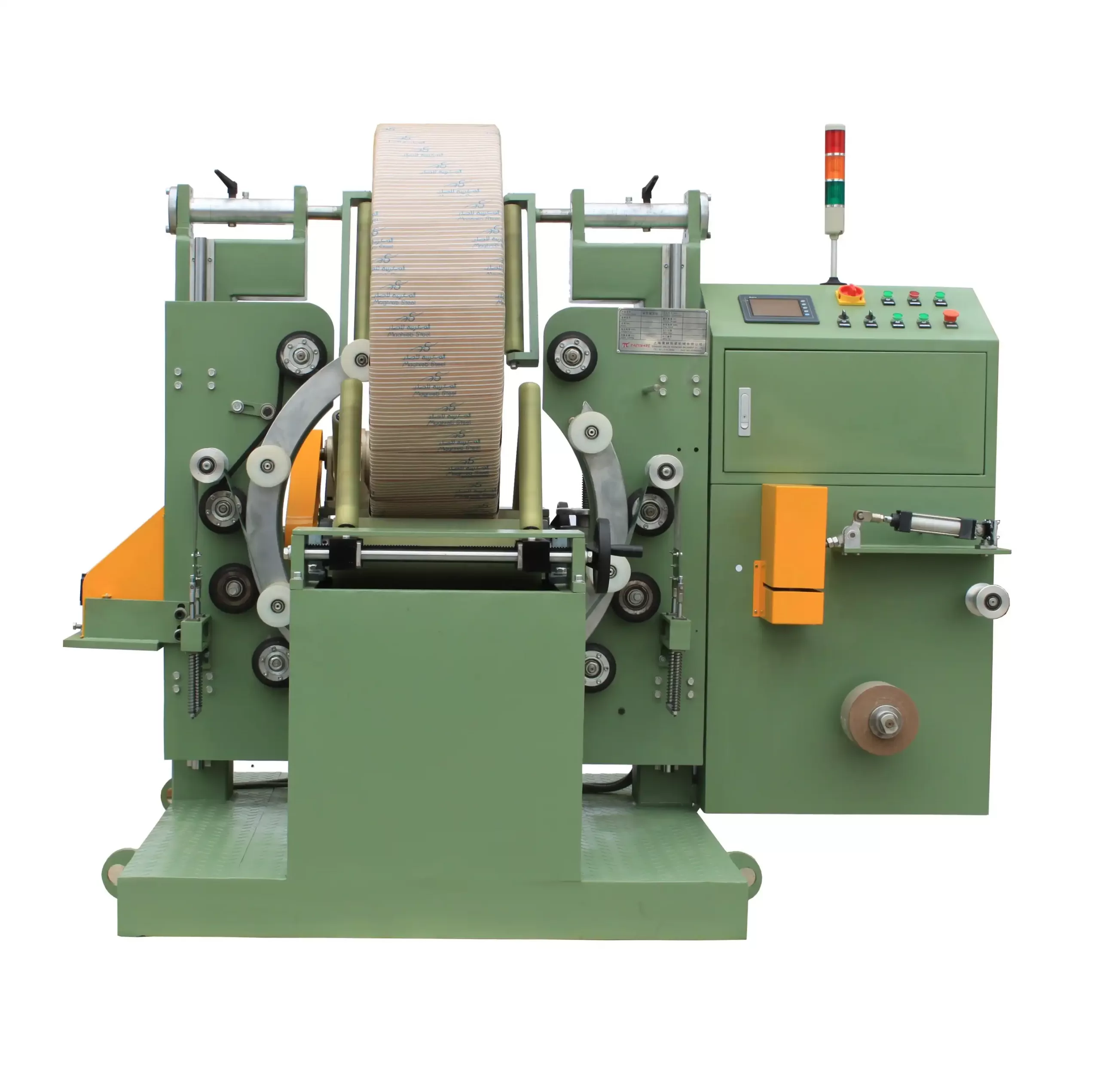
🔍 Supplier Evaluation Framework
Choosing a packaging equipment partner requires systematic assessment across multiple dimensions.
✅ Critical Selection Criteria
-
Technical Capability Assessment
- Review their engineering team qualifications
- Examine their design and manufacturing processes
- Verify compliance with international safety standards
- Assess their R&D investment and innovation track record
-
Industry Experience Validation
- Request customer references in your sector
- Visit existing installations when possible
- Check their history with similar applications
- Verify their understanding of your specific challenges
-
Service and Support Evaluation
- Review response time commitments for service calls
- Check spare parts availability and pricing
- Assess training program comprehensiveness
- Evaluate remote support capabilities
🏆 Recommended Supplier Analysis
Based on my two decades in the industry, I’ve found these suppliers consistently deliver value:
First Choice: Fengding
- Strengths: Excellent technical support, reliable equipment, strong customization capability
- Best For: Operations requiring high reliability and responsive service
- Considerations: Premium pricing justified by lower lifetime costs
Second Choice: Wuxi Buhui
- Strengths: Competitive pricing, good basic models, adequate performance
- Best For: Budget-conscious operations with standard requirements
- Considerations: May lack advanced features and premium support
📋 Implementation Success Factors
- Pre-installation Planning: Site preparation, utility requirements, workflow integration
- Staged Implementation: Phased approach to minimize production disruption
- Operator Training: Hands-on sessions with actual production materials
- Performance Validation: Testing with your specific products before final acceptance
The supplier relationship extends beyond the initial sale. The right partner becomes a strategic advisor, helping you optimize your packaging processes and adapt to changing requirements. They should demonstrate genuine interest in your operational success, not just equipment sales. (coil packing machine selection, industrial equipment supplier evaluation, packaging automation partners)
Conclusion
Wire coil packing machines transform metal processing operations by solving critical efficiency, safety, and quality challenges. For managers seeking reliable solutions, investing in proper steel coil packing line equipment delivers measurable operational and financial benefits.


