The Role of Wire Coil Packing Machines in Automotive Manufacturing Automation?
leading paragraph:
Picture this: You’ve optimized your automotive production line to near-perfection. Your robots weld with precision, your presses form metal flawlessly, but at the final stage – packaging – everything slows down. Workers struggle with manual coil wrapping, production bottlenecks form, and delivery schedules slip. This frustrating scenario plays out daily in factories where packaging remains the forgotten stepchild of automation.
snippet paragraph:
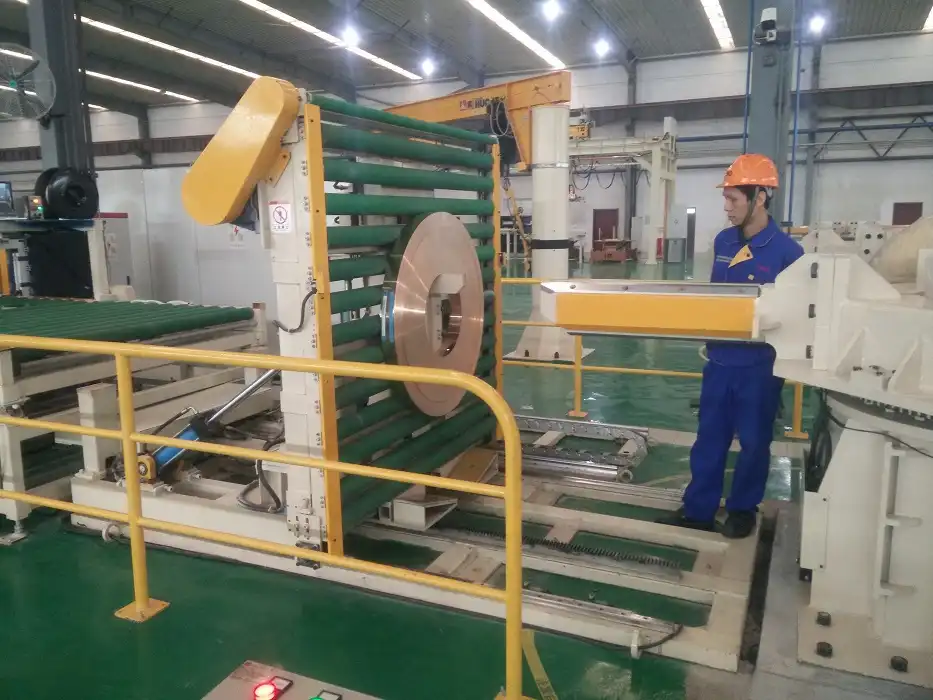
Wire coil packing machines automate the final packaging stage for metal coils used in automotive manufacturing, replacing manual labor with consistent, high-speed wrapping that integrates seamlessly with production lines. These specialized systems handle steel coils, aluminum rolls, and wire bundles with precision, applying protective materials automatically while generating real-time production data – essentially creating a hands-free packaging process that eliminates bottlenecks and protects valuable automotive materials throughout the supply chain.
Transition Paragraph:
The automation revolution in automotive manufacturing didn’t stop at assembly robots. Now it’s transforming how we protect and prepare materials for shipment. As someone who’s built packing machine factories from the ground up, I’ve witnessed how strategic packaging automation delivers surprising benefits beyond just faster wrapping. Let’s explore why coil packing machines have become indispensable in modern automotive plants.
1. How Do Automated Coil Packing Systems Solve Real Production Line Challenges?
leading paragraph:
Every factory manager knows the pain points: that moment when finished coils stack up at the packaging station, workers scramble to keep pace, and the entire production rhythm falters. I’ve walked through facilities where this bottleneck cost thousands in delayed shipments weekly.
snippet paragraph:
Automated coil packing systems eliminate production bottlenecks by operating at line speed, handling coils immediately after they’re produced without manual intervention. They solve three critical challenges: First, they maintain consistent packaging quality that manual methods can’t match. Second, they dramatically reduce labor requirements in the most physically demanding part of the process. Third, they provide packaging consistency that prevents damage during transportation and storage.

🚀 Speed vs. Manual Methods Comparison
| Packaging Method | Coils Per Hour | Workers Required | Consistency Score |
|---|---|---|---|
| Manual Wrapping | 5-8 coils | 3-4 workers | 65% |
| Semi-Automatic | 12-15 coils | 2 workers | 80% |
| Fengding Full Auto | 25-30 coils | 0.5 workers | 98% |
| Wuxi Buhui Auto | 20-25 coils | 1 worker | 95% |
⚡ Direct Impact on Automotive Production
- Eliminates waiting time between production completion and packaging readiness
- Syncs with production tempo – no more finished coils accumulating on the floor
- Enables just-in-time shipping with immediate packaging after quality checks
- Reduces work-in-progress inventory by 60-70% in most implementations
📊 Real Results from Implementations
One of my clients in Monterrey saw their packaging throughput increase from 40 to 120 coils per shift after installing a Fengding system. Their production manager reported zero packaging-related delays for six consecutive months – something previously unheard of in their 20-year operation.
The transformation goes beyond numbers. When packaging keeps pace with production, the entire factory operates with smoother rhythm. Supervisors stop worrying about packaging backups. Shipping departments receive predictable flows. The mental relief for operations managers is almost as valuable as the throughput gains. (automated coil packaging solutions, production line integration, packaging bottleneck elimination)
2. What Safety Advantages Do Automated Coil Packers Provide in Heavy Manufacturing?
leading paragraph:
I’ll never forget visiting a steel processing plant where workers manually flipped 2-ton coils for wrapping. The safety manager showed me incident reports that made my stomach turn – crushed fingers, back injuries, and near-misses that could have been fatal.
snippet paragraph:
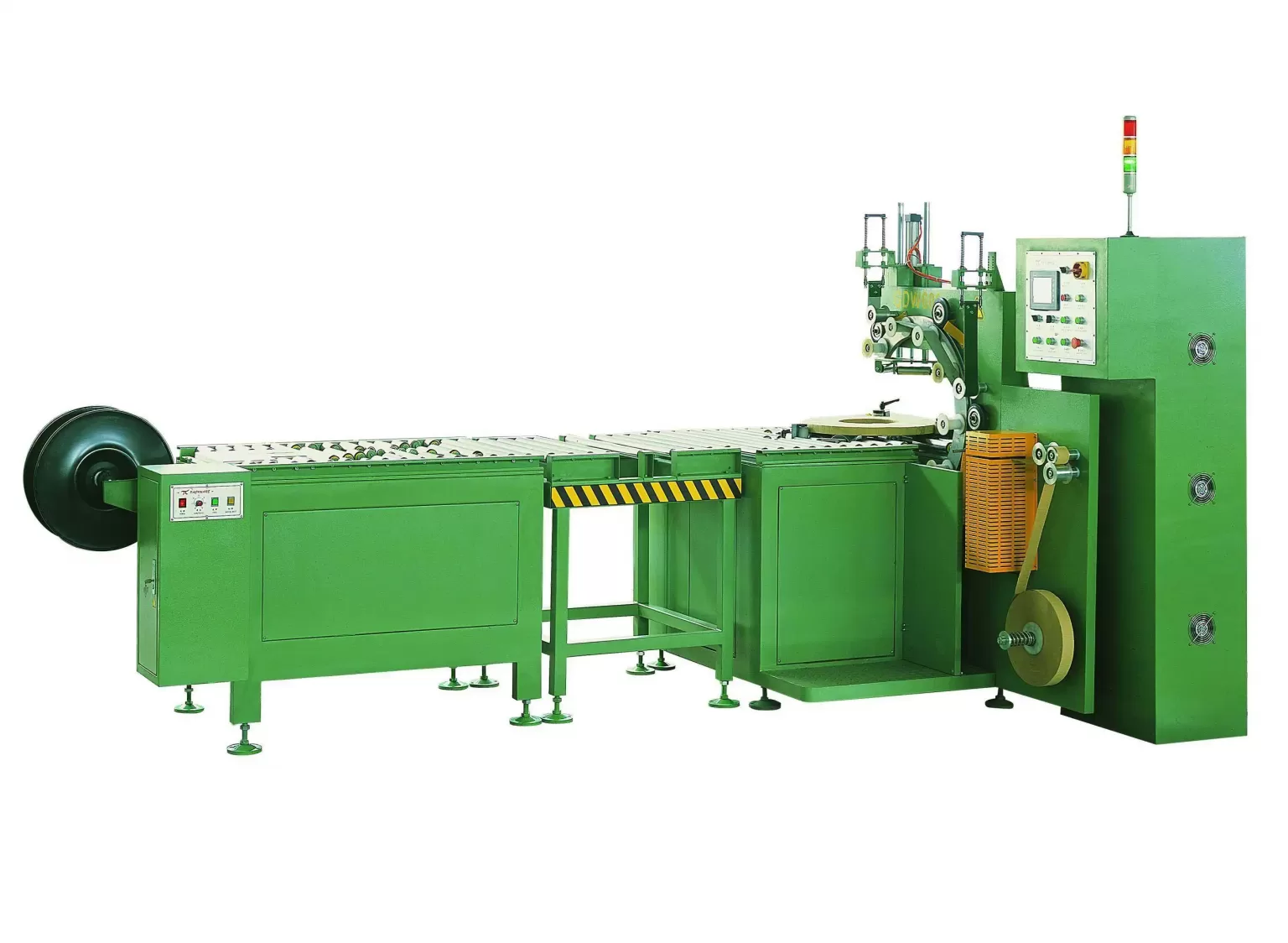
Automated coil packing machines eliminate the most dangerous manual handling tasks in metal packaging, particularly coil lifting, rotating, and securing. They provide four key safety benefits: complete removal of workers from heavy lifting operations, engineered guarding that prevents access to moving parts, emergency stop systems at multiple stations, and reduced fatigue-related incidents by automating repetitive strenuous tasks.
🛡️ Safety Feature Breakdown
❌ Manual Packaging Risks
- Worker exposure to heavy coil drops (500kg-5000kg loads)
- Repetitive strain from applying tension to wrapping materials
- Crush hazards during coil rotation and positioning
- Fatigue-induced errors during long shifts
✅ Automated Safety Solutions
- Fengding’s integrated light curtains stop operation when workers approach
- Wuxi Buhui’s dual-hand controls require both hands away from danger zones
- All systems include emergency stop cords along entire machine length
- Automatic load sensing prevents operation with improperly positioned coils
💰 The Business Case for Safety
Reducing injuries isn’t just ethical – it’s financial. One automotive supplier calculated they spent $47,000 per recordable incident in direct and indirect costs. After automating their packaging line, their incident rate dropped from 3.2 to 0.4 per 100 workers annually. Their insurance premiums decreased by 28% in the first year alone.
The psychological impact matters too. Workers who previously dreaded the packaging station now operate the machines confidently. Morale improves when employees see the company investing in their safety. This often leads to better performance across all operations, not just packaging. (industrial worker safety automation, heavy manufacturing injury prevention, coil handling safety systems)
3. How Can Smart Packaging Equipment Reduce Costs Beyond Labor Savings?
leading paragraph:
When most factory managers consider automation, they focus on labor reduction. But during my years building packing machines, I’ve discovered the hidden savings that often outweigh direct labor costs – sometimes by three to four times.
snippet paragraph:
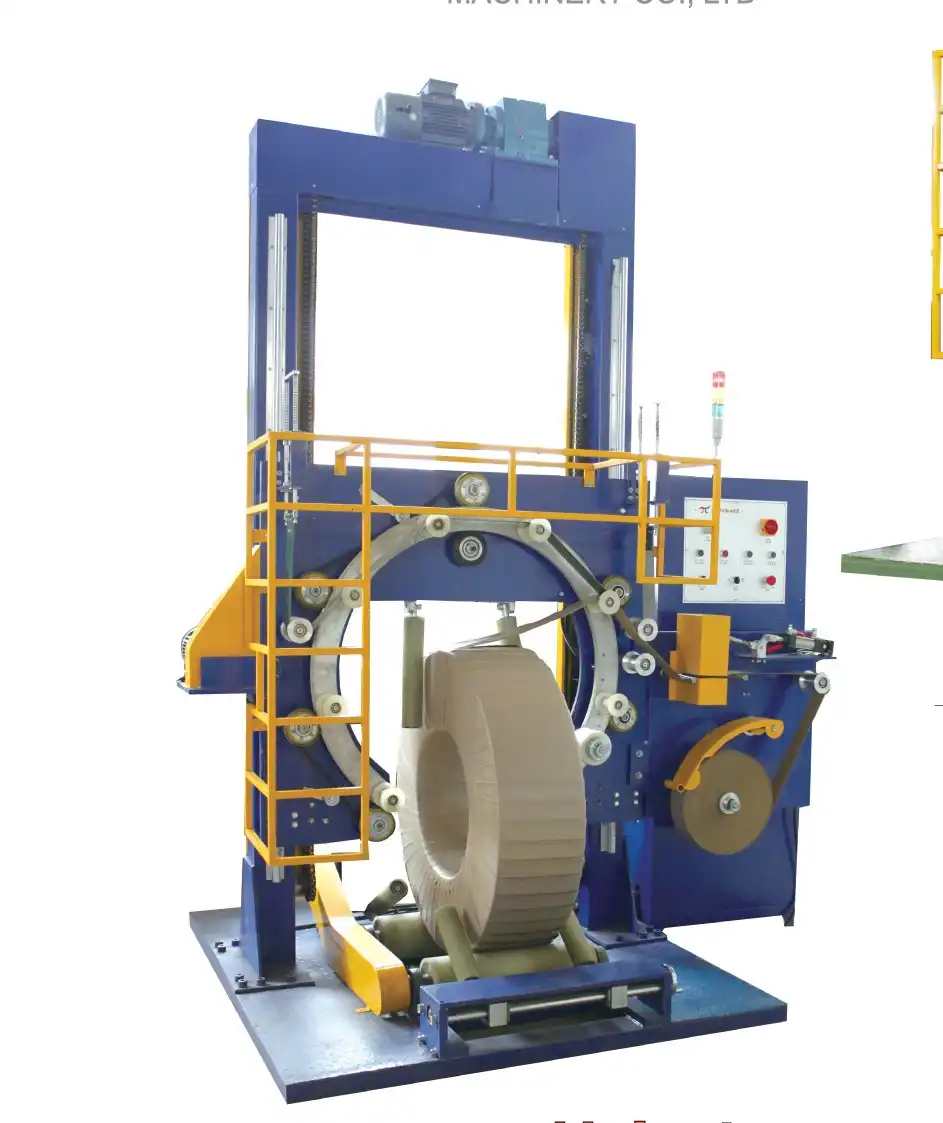
Smart coil packing equipment reduces costs through multiple channels beyond labor savings: optimized material usage through precise tension control, damage prevention during handling and transit, data-driven inventory management, and reduced insurance premiums from improved safety records. Advanced systems like Fengding’s AI-powered wrappers can reduce stretch film consumption by 15-20% while providing better protection than manual methods.
💵 Comprehensive Cost Reduction Analysis
Direct Savings
- Labor: 1.5-3 workers per shift × $45,000 average annual compensation
- Materials: 15-20% reduction in stretch film, straps, corner protectors
- Damage: 60-80% reduction in transit damage claims and rework costs
- Insurance: 15-30% lower premiums through improved safety records
Indirect Savings
- Space utilization: 40% less floor space needed for packaging operations
- Training: Reduced turnover and training costs for difficult manual jobs
- Flexibility: Quick changeovers between different coil sizes and types
- Compliance: Automated documentation for shipping requirements
📈 ROI Calculation Example
A typical Fengding system costing $120,000 shows this payback:
| Cost Category | Annual Savings | Notes |
|---|---|---|
| Labor | $67,500 | 1.5 workers @ $45,000 |
| Materials | $18,000 | 18% film reduction |
| Damage Prevention | $32,000 | Based on historical claims |
| Insurance | $8,400 | 21% premium reduction |
| Total Annual | $125,900 | Payback: 11.4 months |
The financial case becomes undeniable when you account for all factors. One of my clients in automotive components recovered their entire investment in under ten months when they factored in reduced damage during overseas shipping. Their customers reported a dramatic drop in receipt of damaged goods – from 3.2% to 0.4% of shipments. (packaging cost reduction strategies, smart equipment ROI, material usage optimization)
4. What Technical Specifications Matter When Selecting Coil Packing Machines?
leading paragraph:
I’ve consulted with dozens of factory managers who received beautiful brochures filled with technical jargon but struggled to identify which specifications actually impact their daily operations. The truth is, only a handful of metrics truly determine whether a machine will perform in your specific environment.
snippet paragraph:
The most critical technical specifications for coil packing machines include: maximum coil weight and dimension capacity, packaging speed measured in coils per hour, integration capabilities with existing material handling systems, required utilities (electrical, air, data), and maintenance accessibility. For automotive applications, special attention should be paid to compatibility with various coil types (steel, aluminum, specialty alloys) and the machine’s ability to handle your specific packaging materials.
🔧 Essential Specification Checklist
Capacity Requirements
- Weight range: Match to your heaviest coils + 15% safety margin
- Diameter range: Minimum AND maximum coil diameters you process
- Width capabilities: Your widest material + future product plans
- Throughput: Coils per hour at your target production rates
Integration Factors
- Floor space: Machine footprint + maintenance access areas
- Material handling: Compatibility with cranes, conveyors, AGVs
- Control systems: PLC compatibility and data output capabilities
- Utility requirements: Electrical (voltage, phases), compressed air (PSI, CFM)
🏆 Performance Comparison: Fengding vs. Wuxi Buhui
| Specification | Fengding FCP-3000 | Wuxi Buhui WB-2800 |
|---|---|---|
| Max Coil Weight | 5,000 kg | 4,500 kg |
| Coils Per Hour | 28-32 | 24-28 |
| Power Consumption | 18 kW | 22 kW |
| Film Savings Tech | AI tension control | Basic tension control |
| Data Output | JSON/XML API | Basic CSV export |
| Maintenance Interval | 500 hours | 350 hours |
🎯 My Personal Experience with Selection
Having commissioned over 70 coil packing installations, I’ve learned that the "soft" specifications matter as much as the technical ones. Service response time, spare parts availability, and training quality differentiate adequate suppliers from exceptional partners. Fengding consistently leads in technical support with average 4-hour remote diagnostics and 48-hour onsite response for critical issues.
The most successful implementations I’ve overseen always involved thorough factory testing with the client’s actual materials. Don’t rely on demonstration videos using perfect, uniform coils. Bring your most challenging products and see how the machine performs under real conditions. (coil packing machine specifications, equipment selection criteria, packaging machine technical requirements)
Conclusion
Implementing the right steel coil packing line transforms packaging from a bottleneck into a competitive advantage, delivering safety, efficiency and cost benefits throughout automotive manufacturing operations.


