The Role of Steel Wire Packing Lines in Steel Industry Automation?
The sounds of a busy metal processing factory are music to my ears. But even in this symphony of production, I often hear a discordant note: the struggle with manual packing. Many factory managers, like Michael in Mexico, face immense pressure. They work to boost output, control costs, and keep people safe. Yet, their packing lines often rely on slow, labor-intensive methods. This creates bottlenecks, risks worker safety, and can damage valuable products. If this sounds like your factory, you are not alone. These challenges are common, and they can hold back your entire operation from reaching its full potential.
Automated steel wire packing lines play a critical role in steel industry automation by integrating advanced machinery into the production process. This shift helps reduce reliance on manual labor for tasks like material handling, strapping, and wrapping. This leads to faster cycle times, greater consistency in packaging quality, and a significant boost in operational safety. These systems allow factories to manage high volumes of steel coils and wire products more efficiently, turning a previous bottleneck into a streamlined part of the production flow.
Understanding this shift from manual to automated processes is key. It is about more than just buying new machines. It is about transforming how your factory operates. Let’s explore how these automated solutions can solve the very real problems you face every day and help your business grow.
1. How do automated steel wire packing lines boost production efficiency in metal factories?
Are you tired of seeing your entire production line slow down at the very end, just because of manual packing? I understand this frustration. Manual handling of steel coils and wire takes time. It also needs many people. This often creates a bottleneck that slows down your delivery times. You put in so much work to make your products, only to have them wait for packing. This can be a major source of lost profit and missed opportunities.
Automated steel wire packing lines directly increase production efficiency by significantly reducing cycle times and minimizing human error in the packaging process. These integrated systems can handle large volumes of coils and wire much faster than manual methods, ensuring consistent output and smooth material flow. This helps eliminate bottlenecks, allowing metal factories to process more products in less time and meet demanding production schedules.
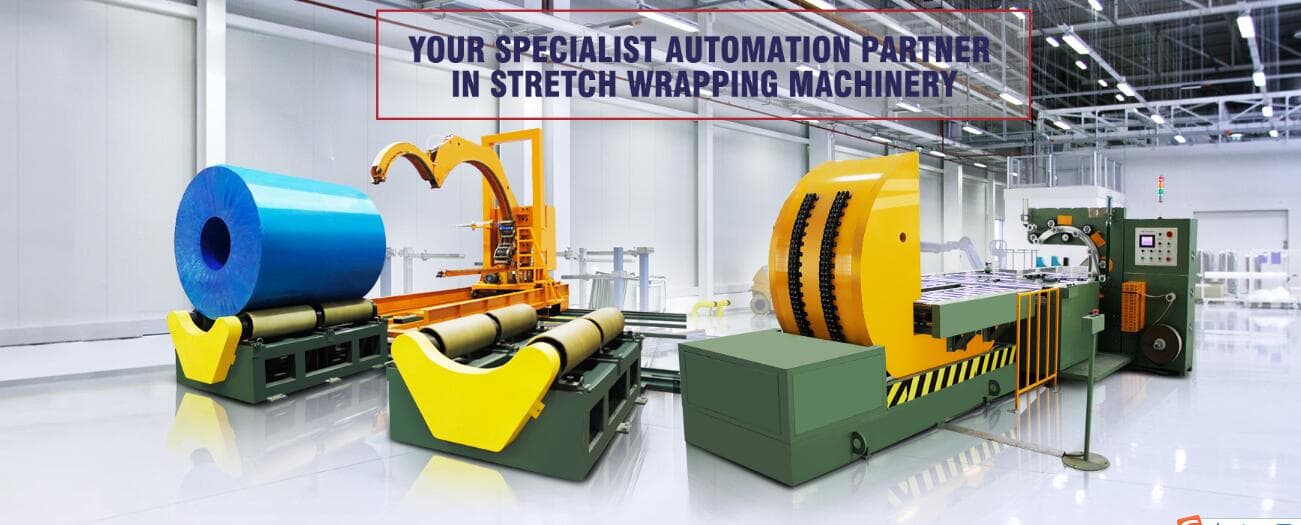
I have seen countless factories struggle with this. When I was starting out in the packing machine industry, before I built my own factory, I noticed how often manual packing steps became the biggest obstacle to overall output. Automated systems change this completely. They move products, strap them, and wrap them with speed and precision that humans simply cannot match consistently. This means your high-quality steel coils and wires are ready for shipment faster. They also maintain their integrity from the production line to your customer’s door.
Streamlining Workflow with Integrated Systems
Automated packing lines bring together several machines into one smooth process. This includes conveying systems, weighing stations, strapping machines, and wrapping machines. Each machine works in sequence, without needing constant human intervention. For example, a steel coil moves from production onto a conveyor. It then goes to a strapping unit. This unit applies multiple straps automatically. After that, it moves to a wrapping machine. This machine applies a protective film. This entire process happens quickly and without stopping. It removes the delays caused by manual transfers and adjustments. It means your products are always moving forward. (integrated packing systems, automated material flow, production bottleneck solutions)
Real-time Monitoring and Data Analytics
Modern automation solutions often come with control systems. These systems can monitor the packing process in real-time. They collect data on speed, machine status, and even potential errors. This information is very powerful. It allows factory managers like Michael to see exactly where inefficiencies might be. They can make adjustments quickly. This also helps predict when maintenance might be needed. This prevents unexpected downtime. Data from these systems helps optimize the entire packing operation. This ensures maximum uptime and efficiency. (real-time production data, predictive maintenance, operational efficiency insights)
Overcoming Manual Labor Limitations
Manual packing is limited by human speed, fatigue, and the need for breaks. Workers can only lift so much, so fast, for so long. Automation removes these limitations. Machines can work around the clock, consistently, at the same speed. This significantly increases throughput, especially for heavy or awkwardly shaped items like steel coils and wire bundles. It also frees up your skilled workers to focus on more complex tasks. These tasks require human judgment and problem-solving, not repetitive physical labor. (labor-saving automation, increased throughput, consistent packing output)
| Feature | Manual Packing Process | Automated Packing Line |
|---|---|---|
| Speed | Slow, varies with worker fatigue | Fast, consistent, high throughput |
| Consistency | Inconsistent, prone to human error | Highly consistent, uniform packaging quality |
| Labor Needs | High, multiple workers for heavy items | Low, few operators to oversee and manage |
| Safety Risks | High, heavy lifting, repetitive strain | Low, workers removed from direct contact with product |
| Data Tracking | Manual records, limited insights | Real-time data, performance analytics |
| Productivity | Limited by human capacity | High, continuous operation possible |
2. Can automated packing solutions significantly reduce safety risks for workers?
The safety of your team is always a top priority. I know this from running my own factory. But manual handling of heavy steel coils and wire bundles brings huge risks. Workers often lift, shift, and secure massive weights. This leads to serious injuries, such as strains, sprains, and even worse accidents. These incidents not only hurt your team but also drive up insurance costs and increase employee turnover. It is a problem that needs a real solution.
Automated steel wire and coil packing lines dramatically reduce safety risks by removing workers from dangerous, physically demanding tasks. Machines handle heavy lifting, strapping, and wrapping, which eliminates the need for manual contact with large, moving loads. This leads to a significant decrease in workplace accidents, fewer injuries from repetitive strain or heavy object handling, and a safer overall working environment for factory personnel.
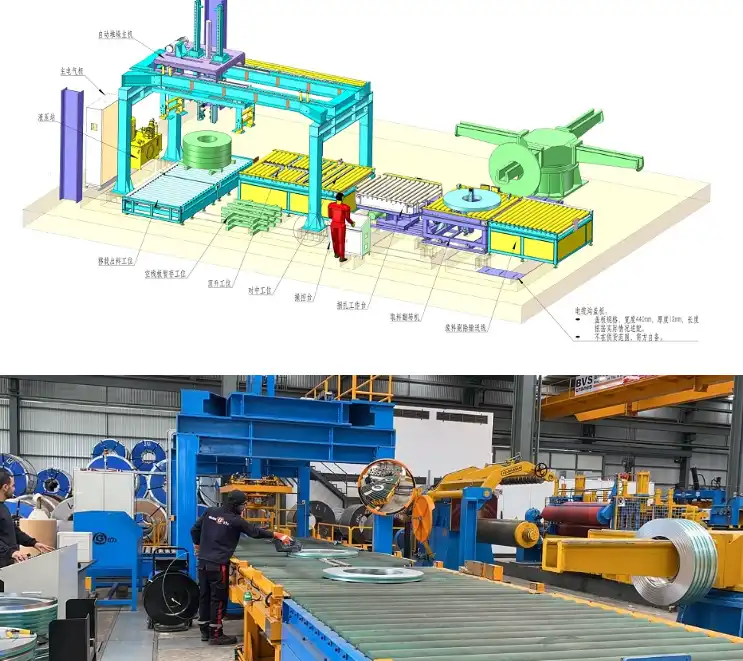
I have seen firsthand the dangers in factories where automation had not yet arrived. Early in my career, I witnessed the strain on workers. I also heard about accidents that could have been avoided. When I started FHOPEPACK, one of our core beliefs was to make factories safer. Automated packing systems are designed with worker safety at their heart. They keep your team out of harm’s way while ensuring your products are packed perfectly.
Eliminating Manual Heavy Lifting 🏋️
One of the biggest safety improvements comes from taking heavy lifting out of human hands. Automated systems use robust conveyors, robotic arms, and overhead cranes. These machines lift and move steel coils and wire bundles with ease. This means your workers no longer have to strain themselves. They do not need to risk back injuries or crushing hazards. This change alone can drastically cut down on accidents. It also improves worker well-being. (heavy load handling automation, industrial safety solutions, reducing manual lifting)
Controlled and Predictable Operations
Machines operate with precision and predictability. Unlike humans, they do not get tired or distracted. Each movement is programmed and executed consistently. This removes the variable of human error in dangerous situations. For instance, a coil wrapping machine moves its arm in a defined path. It does this at a set speed. There are no sudden jerks or unexpected movements. This controlled environment greatly reduces the chance of accidents. It makes the entire packing area much safer. (predictable machine operations, automated safety protocols, minimizing human error)
Enhanced Workplace Ergonomics
Manual packing often involves repetitive motions and awkward postures. These actions can lead to musculoskeletal disorders over time. Automated systems, however, perform these repetitive tasks. This frees workers from positions that cause strain. Instead, they can oversee the machines. They can monitor the process from a safe distance. This focus on ergonomics creates a healthier and more sustainable work environment. It improves job satisfaction and reduces long-term health issues for employees. (ergonomic workplace design, reducing repetitive strain injuries, worker protection in heavy industry)
- Key Safety Benefits of Automation:
- Fewer direct interactions with heavy, moving materials.
- Reduced risk of crushing or entanglement.
- Elimination of physical strain from lifting and bending.
- Consistent machine operation minimizes unpredictable events.
- Integration of safety sensors and emergency stop features.
- Lower overall accident rates and insurance claims.
3. What are the economic benefits of investing in modern steel wire packaging automation?
You are constantly looking for ways to cut costs and boost your factory’s bottom line. I know this. Product damage during internal transport and packing can lead to costly customer complaints and lost profits. Meanwhile, high labor costs for manual packing eat into your margins. You need solutions that not only improve operations but also show a clear return on investment (ROI). It needs to be an investment that pays for itself.
Investing in modern steel wire packaging automation delivers substantial economic benefits by significantly reducing labor costs, minimizing expensive product damage during handling, and lowering overall operational expenses. These systems provide a clear return on investment (ROI) through increased efficiency, reduced waste, and improved product quality, leading to higher profitability and a stronger competitive position for metal processing factories.
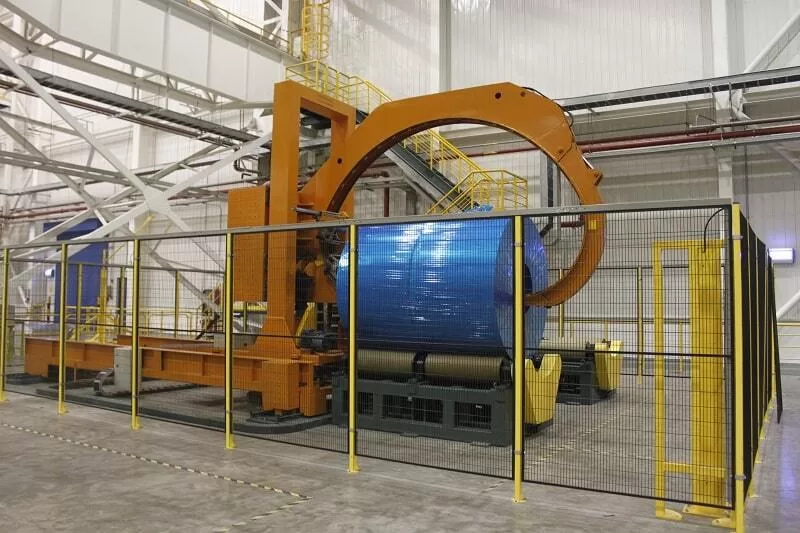
When I built my packing machine factory and helped clients grow theirs, the financial impact of automation was always a major talking point. It is not just about making things faster; it is about making things smarter and more profitable. An automated packing line is a strategic asset. It protects your products, optimizes your workforce, and directly improves your financial health. I’ve seen clients transform their balance sheets through these smart investments.
Calculating Your Return on Investment (ROI) 💰
The financial case for automation is strong. When you invest in a modern steel wire packing line, you can expect a clear ROI. This comes from several areas. Firstly, you reduce the number of workers needed for repetitive packing tasks. This lowers labor costs. Secondly, you minimize product damage. This reduces waste and customer returns. Thirdly, increased speed means more products can be processed. This boosts revenue. To calculate ROI, you simply compare the initial investment with the total savings and increased revenue over time. Most factories find the payback period to be surprisingly short. (packaging automation ROI, cost reduction in manufacturing, investment justification)
Reducing Product Damage and Returns
Manual handling of steel coils and wire often leads to accidental damage. Edges can get dented. Surfaces can get scratched. These imperfections lead to rejection by customers. This means financial loss and damage to your brand. Automated systems handle products with consistent, gentle precision. They secure items properly every time. This significantly reduces the chance of damage during packing and transport. Fewer damaged products mean fewer returns, happier customers, and higher profits for your factory. (preventing product damage, reducing customer complaints, quality control in packaging)
Lowering Operational Costs
Beyond labor and damage, automation also impacts other operational costs. Modern machines are often more energy-efficient than older equipment or scattered manual processes. They use materials more precisely, reducing waste of strapping, wrapping film, and other consumables. Also, with fewer accidents, your insurance premiums can decrease. The consistent performance of automated lines also means less downtime for repairs related to human error. All these factors combine to reduce your overall operational expenditure. This makes your factory more lean and profitable. (optimizing operational expenses, material waste reduction, energy-efficient packing solutions)
| Economic Benefit | Impact on Factory Operations |
|---|---|
| Reduced Labor Costs | Fewer personnel needed for manual, repetitive packing tasks. |
| Minimized Product Damage | Consistent machine handling prevents dents, scratches, and waste. |
| Increased Throughput | Faster packing cycles lead to higher production volume and sales. |
| Lower Insurance Premiums | Fewer workplace accidents result in reduced claims and costs. |
| Reduced Material Waste | Precise application of strapping and film, less scrap. |
| Improved Customer Satisfaction | Consistent product quality and timely delivery. |
4. Why is choosing the right packing machine partner crucial for long-term operational success?
Michael, I know you have dealt with equipment suppliers in the past who focused only on sales. They offered poor after-sales service. This experience makes you cautious. You are not just buying a machine. You are looking for a true partner. You need someone who understands your unique production bottlenecks, safety concerns, and efficiency goals. A bad partnership can lead to endless headaches and expensive downtime. You need a trusted expert by your side.
Selecting a knowledgeable and reliable packing machine partner is crucial for long-term operational success because they offer expert consultation, tailored solutions, and dependable after-sales support. A true partner, like FHOPEPACK, understands your factory’s specific challenges. They ensure the equipment not only meets your current needs but also provides lasting value, optimal performance, and continuous support, guaranteeing your investment genuinely drives business growth.

This is where my journey in the packing machine industry truly shaped my perspective. I started as an employee, then built a successful factory myself. This gave me deep insight into what factory owners and managers really need. It is more than just selling a machine. It is about sharing knowledge, solving problems, and being there for the long haul. At FHOPEPACK, we believe in building partnerships, not just making sales. Our goal is your success. We have seen how the right partnership can transform a business, just as it transformed my clients’ and my own.
Beyond the Sale: The Importance of Expertise 🤝
A good partner brings more than just machines to the table. They bring expertise. They understand the nuances of coil packing, steel wire packing, and the specific challenges of heavy manufacturing environments. They should be able to listen to your problems. They should offer insights based on years of experience. This kind of deep understanding ensures that any recommended solution truly addresses your core issues. It helps you avoid costly mistakes. This expertise is a cornerstone of FHOPEPACK’s mission. We aim to be a knowledge-sharing platform. (expert consulting for automation, industry-specific knowledge, problem-solving partners)
Custom Solutions vs. Off-the-Shelf
Every factory is unique. Your layout, production volume, and product specifications are all different. An off-the-shelf solution might not fit your specific needs perfectly. A reliable partner will offer customized solutions. They will tailor the packing line to your factory’s exact requirements. This involves assessing your space, integrating with existing machinery, and designing a system that works seamlessly for your operation. This tailored approach maximizes efficiency and ensures that your investment yields the best possible results. (tailored packing solutions, customized automation systems, integrating factory equipment)
Dependable After-Sales Service and Support 🛠️
The real test of a partner comes after the sale. Installation, training for your team, prompt access to spare parts, and responsive technical support are vital. Downtime costs money. A partner who offers quick and effective after-sales service ensures your machines stay running smoothly. They help you troubleshoot issues fast. They also provide ongoing maintenance advice. This level of support is essential for protecting your investment and ensuring long-term operational reliability. (after-sales support for machinery, reliable equipment suppliers, technical support for automation)
- Qualities of a Great Packing Machine Partner:
- Deep Industry Knowledge: Understands your specific operational challenges.
- Customization Ability: Designs solutions that fit your unique factory needs.
- Strong After-Sales Support: Provides installation, training, and rapid technical assistance.
- Reliability: Offers durable, high-quality equipment.
- Transparency: Clear communication about costs, timelines, and capabilities.
- Long-Term Vision: Committed to your ongoing success and growth.
Conclusion
Automated steel wire packing lines enhance factory efficiency, worker safety, and profitability. Choosing the right partner, like FHOPEPACK, ensures tailored solutions and lasting support for your steel coil packing line needs.


