The Role of Steel Coil Packing Machines in the Automotive Manufacturing Industry?
Are you struggling to keep up with the demands of the fast-paced automotive manufacturing industry? Do bottlenecks in your end-of-line processes, particularly with steel coil packaging, constantly slow down your production and lead to costly delays? Many factory managers, just like Michael Chen, face immense pressure to boost output, control costs, and maintain a safe working environment, but outdated packing methods often stand in the way.
Steel coil packing machines are vital tools in the automotive manufacturing industry. They automate the packaging of heavy steel coils, a primary raw material for vehicle components, ensuring efficient handling, secure transport, and protection against damage. These machines directly address critical needs like production speed, worker safety, and material integrity, which are all essential for maintaining a competitive edge in car manufacturing.
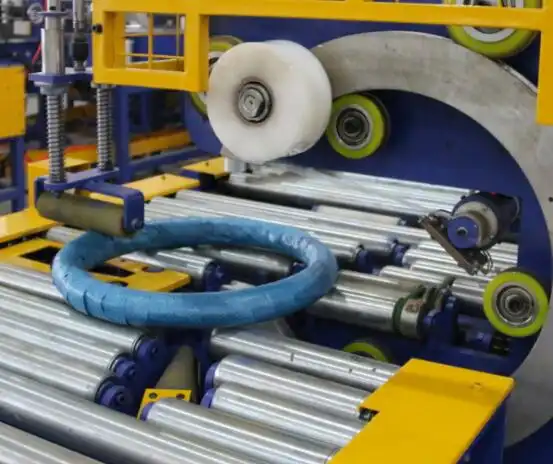
Understanding the core functions and benefits of these advanced packing systems is not just about buying equipment. It is about transforming your operational efficiency and securing your supply chain. Let’s dive deeper into how these machines are shaping the future of automotive production and why they are an investment worth considering.
As someone who built a packing machine factory from the ground up, I have seen firsthand the incredible impact the right equipment can have on a business. The automotive sector, with its high demands and tight margins, needs reliable solutions that truly deliver. My journey taught me that efficiency and safety are not just buzzwords; they are the bedrock of a thriving manufacturing operation.
1. Why are Steel Coil Packing Machines Essential for Modern Automotive Manufacturing?
Is your current packing process creating a drag on your entire automotive production line? In an industry where precision and speed are paramount, relying on manual methods for handling heavy steel coils can be a significant setback, leading to slower throughput and missed deadlines. This outdated approach can easily jeopardize your ability to meet the rigorous demands of car component supply.
Steel coil packing machines are essential for modern automotive manufacturing because they automate a critical, labor-intensive process, ensuring a steady and timely supply of securely packaged steel coils. These machines protect valuable raw materials from damage during transit and storage, directly supporting the high-volume, high-quality requirements of vehicle production lines (automotive supply chain efficiency).
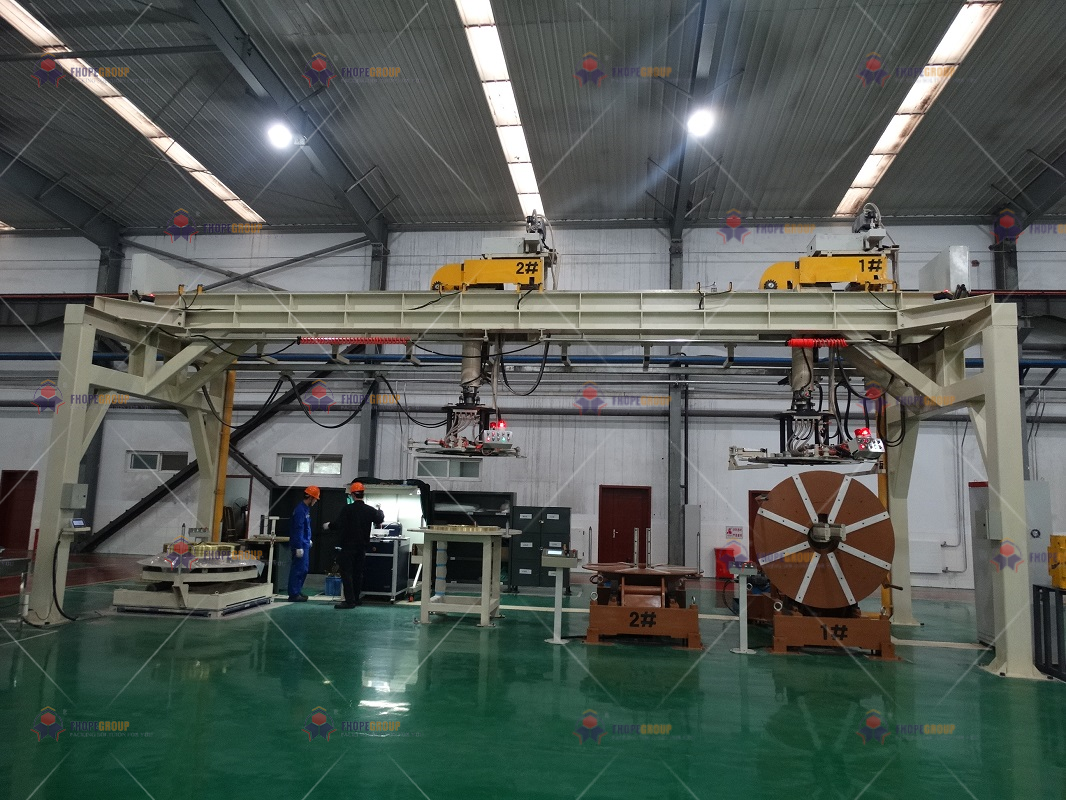
These machines integrate seamlessly into the automotive manufacturing ecosystem. They handle large and heavy steel coils, which are fundamental for making car chassis, body panels, and other structural components. Without efficient packing, the flow of materials to fabrication plants would be constantly disrupted. This disrupts the Just-In-Time (JIT) inventory systems many automotive companies use. When coils are packed quickly and securely, they can move through the supply chain without issues. This prevents bottlenecks and keeps production schedules on track. The ability of these machines to work continuously and consistently also lowers human error. This means fewer mistakes and better overall quality in the packing process. I have seen how factories struggle with manual packing, where even small delays add up to huge problems for the entire manufacturing process. Automating this step provides a predictable output. This is a must for any automotive supplier looking to meet strict delivery times. It ensures that the right materials arrive at the right place at the right time. This is key for the complex and interconnected global automotive industry. (industrial material handling, continuous operation, production continuity)
The Foundational Role in Automotive Production
- 🚗 Raw Material Flow: Steel coils are the backbone of many auto components. Efficient packing ensures these heavy materials move smoothly from the steel mill to the stamping plant.
- ⏱️ Speed and Throughput: Manual packing is slow. Automated machines work much faster, keeping pace with high-volume automotive production lines. This prevents delays further down the assembly process.
- 🛡️ Material Protection: During transport and storage, coils need protection. A good packing machine creates a strong, tight wrap that protects against rust, scratches, and dings. This maintains the quality of the steel for manufacturing.
- 🌍 Global Supply Chains: Automotive parts often travel long distances. Reliable packaging is key to protecting products during international shipping. It makes sure materials arrive in perfect condition, no matter the journey.
- 📈 Scalability: As automotive production grows, packing needs also grow. Automated machines can easily scale up output. This helps factories meet increasing demand without adding a lot of extra labor.
2. How do Automated Steel Coil Packing Systems Enhance Safety and Reduce Product Damage in Car Component Production?
Are you concerned about the high rate of workplace injuries and product damage in your factory, especially when handling heavy steel coils? Manual operations involving such substantial materials often expose workers to serious risks, leading to costly accidents and a loss of valuable inventory. It is a common problem in heavy manufacturing, directly impacting both your team’s well-being and your bottom line.
Automated steel coil packing systems significantly enhance safety by removing workers from direct contact with heavy, moving coils, reducing the risk of crushing injuries and strains. They also minimize product damage by applying consistent, secure packaging that protects coil edges and surfaces during internal transfer and external shipping, ensuring optimal material quality for car component production (worker safety automation, material integrity preservation).

I remember working in a packing machine factory. I saw firsthand the dangers of manual heavy lifting. Workers had to move and secure massive coils by hand. This led to many injuries, from back strains to more serious accidents. This is why I always focus on safety when designing solutions. Automated systems are game-changers in this regard. They use robust machinery to lift, rotate, and wrap coils, meaning fewer human hands are directly involved in the hazardous parts of the process. This dramatically lowers the risk of accidents. Beyond safety, these systems also protect the product itself. Steel coils, especially their edges, are prone to damage during handling and transport. Scratches or dents can make a coil unusable for automotive applications, leading to scrap and financial loss. Automated machines apply a consistent and tight wrap, often with multiple layers of protective material. This barrier shields the coil from external elements, impacts, and friction. It ensures that the steel arrives at the next stage of manufacturing in pristine condition. This attention to detail protects your investment. It also strengthens your reputation with clients who expect flawless materials for their high-precision car components. (industrial safety solutions, product quality control, heavy equipment handling)
Dual Benefits: Safety and Quality in Practice
- 👷 Worker Protection:
- Reduced Manual Labor: Machines do the heavy lifting, turning, and wrapping. This keeps workers away from dangerous moving parts and eliminates manual strain.
- Lower Accident Rates: Fewer human-machine interactions mean fewer chances for accidents like pinch points, crushing, or dropped loads.
- Ergonomic Improvements: Employees can focus on supervising the process rather than physically exerting themselves, leading to a healthier work environment.
- 📦 Product Integrity:
- Consistent Packaging: Automated systems apply uniform tension and overlap, creating a stronger, more reliable package than manual methods.
- Edge Protection: Coils often get damaged on their edges. Machines can apply specialized edge protectors or extra wrapping in vulnerable areas.
- Environmental Shield: A secure wrap protects coils from moisture, dust, and other contaminants that can cause rust or surface defects.
- Reduced Scrap: By preventing damage, these machines cut down on material waste. This leads to higher yields and better profitability for automotive component manufacturers.
3. Can Investing in Advanced Coil Packaging Technology Genuinely Boost Operational Efficiency and Profitability for Automotive Suppliers?
Are you constantly looking for ways to cut costs and improve your factory’s bottom line? Many factory managers wonder if investing in new, advanced equipment truly delivers a return on investment, especially for something as specialized as coil packaging. It is a critical question because every investment must show clear benefits to justify its cost and contribute to overall profitability.
Investing in advanced coil packaging technology genuinely boosts operational efficiency and profitability for automotive suppliers by significantly reducing labor costs, increasing throughput, and minimizing product loss due to damage. These gains lead to a clear return on investment (ROI), making the factory more productive, cost-effective, and competitive in the demanding automotive parts market (ROI in manufacturing, efficiency upgrades).
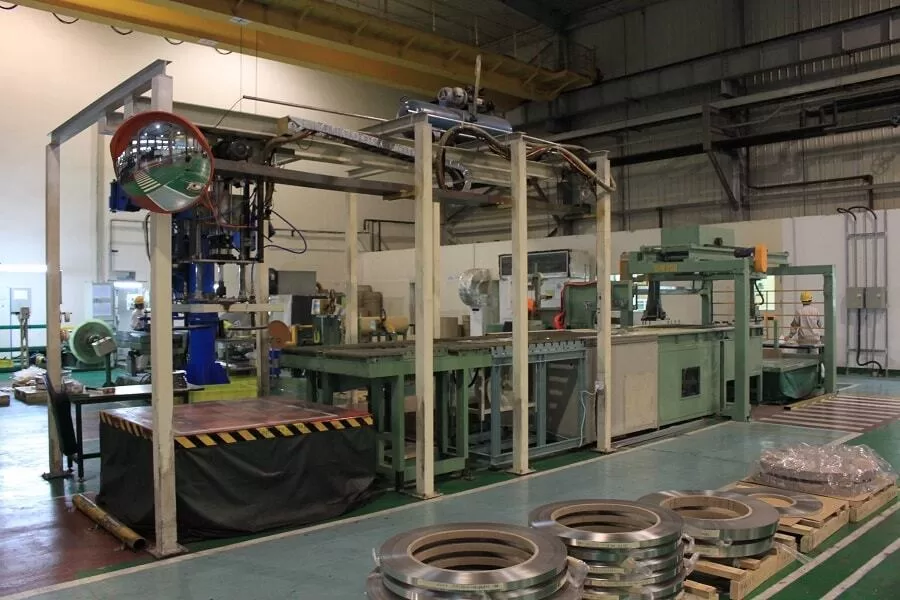
When I started my own packing machine factory, I learned that every dollar invested must work hard for you. This is especially true for advanced machinery. For automotive suppliers, the value of automated coil packaging extends far beyond just wrapping a product. Think about the labor savings first. Manual packing requires multiple workers, often performing repetitive and sometimes dangerous tasks. An automated system can replace several laborers, allowing them to be redeployed to other areas of the factory where human skill is irreplaceable. This directly cuts down on wages and benefits. Next, consider the speed. Automated machines operate at much higher speeds and with greater consistency than human workers. This means more coils are processed per hour, leading to a higher overall production output. When you increase throughput at the end of the line, you maximize the efficiency of your entire upstream production process. Finally, there’s the reduction in product damage, which I mentioned earlier. Every damaged coil represents lost material, wasted production time, and potential customer complaints. By safeguarding your product, these machines reduce scrap rates and improve customer satisfaction. All these factors combined—lower labor costs, higher throughput, and less waste—translate directly into improved profitability and a stronger competitive position for your business in the automotive sector. (cost reduction strategies, production optimization, asset utilization)
Measuring the Impact: ROI Metrics
- 💰 Reduced Labor Costs:
- Fewer Operators: One operator can often manage multiple machines, reducing the need for a large packing team.
- Lower Overtime: Faster processing reduces the need for costly overtime hours to meet production targets.
- Reduced Training: Less specialized manual labor means simpler training needs for packing staff.
- 🚀 Increased Throughput:
- Faster Cycle Times: Machines pack coils much quicker than manual methods.
- 24/7 Operation: Automated systems can run continuously, even during breaks or off-shifts, maximizing uptime.
- Consistent Speed: Eliminates variations in packing speed caused by human fatigue or inefficiency.
- 📉 Minimized Product Loss:
- Damage Prevention: Secure, consistent packaging drastically reduces damage to coils during handling and transport.
- Reduced Rework: Fewer damaged coils mean less time spent on inspecting, re-packaging, or scrapping materials.
- Improved Customer Satisfaction: Delivering undamaged goods leads to fewer returns, complaints, and stronger client relationships.
- 📊 Key Performance Indicators (KPIs):
- Overall Equipment Effectiveness (OEE): Automated machines often have higher OEE scores due to improved availability, performance, and quality.
- Return on Investment (ROI): Calculate payback periods based on labor savings, increased output, and reduced waste.
- Unit Cost Reduction: The cost per packed coil decreases significantly with automation.
4. What Key Factors Should Automotive Manufacturers Consider When Choosing a Reliable Steel Coil Packing Machine Partner?
Have you been disappointed by equipment suppliers in the past who promised much but delivered little in terms of long-term support and reliability? For factory managers like Michael Chen, choosing a packing machine is not just a transaction; it is about finding a true partner who understands your operational challenges and can provide consistent, expert guidance. This choice is critical for avoiding future headaches and ensuring your investment pays off.
When choosing a partner, automotive manufacturers must look beyond the initial price tag. They need to consider the supplier’s industry experience, the machine’s reliability and durability, and the quality of their after-sales service and technical support. A reliable partner will offer solutions that truly fit your unique production environment and help you achieve long-term operational success, rather than just selling a machine (trusted equipment supplier, long-term partnership).
My journey from an employee to a factory owner taught me the true meaning of partnership. It is about understanding the client’s pain points, not just pushing a product. For automotive manufacturers, who deal with demanding production schedules and high-value materials, choosing the right steel coil packing machine supplier is paramount. First, look for a company with deep industry knowledge. Do they understand the specific needs of steel coil handling in automotive production? Can they talk about throughput, safety regulations, and material specifications relevant to your plant? This specialized knowledge is invaluable. Second, assess the machine’s build quality and durability. Automotive factories are tough environments. You need equipment that can withstand continuous, heavy-duty operation without frequent breakdowns. Ask about the materials used, the engineering standards, and the expected lifespan of the machinery. Third, and perhaps most importantly, evaluate their after-sales service and technical support. What happens if the machine breaks down? How quickly can they send technicians or provide spare parts? A good partner offers prompt, effective support that minimizes your downtime. I have seen too many companies buy cheap equipment only to suffer from constant maintenance issues and poor support. This ends up costing far more in lost production and frustration. A reliable partner, like FHOPEPACK, understands these concerns and is committed to your long-term success. They provide comprehensive training, readily available spare parts, and responsive technical assistance, ensuring your investment continues to deliver value for years to come (industrial machinery selection, post-purchase support, engineering expertise).
Essential Criteria for Partner Selection
- 💡 Industry Expertise:
- Domain Knowledge: Does the supplier truly understand the unique challenges of packing steel coils for the automotive sector?
- Problem Solvers: Can they offer tailored solutions for specific production bottlenecks you face?
- References: Ask for case studies or client testimonials from other automotive suppliers.
- ⚙️ Equipment Reliability and Durability:
- Robust Design: Is the machine built to withstand heavy-duty, continuous operation in a demanding factory environment?
- Quality Components: Are high-quality parts used that ensure a long operational life and minimize breakdowns?
- Customization: Can the machine be customized to fit your specific coil dimensions, weight, and desired packing materials?
- 🛠️ After-Sales Service and Support:
- Technical Assistance: Is there prompt access to skilled technicians for troubleshooting and repairs?
- Spare Parts Availability: How quickly can essential spare parts be sourced and delivered to prevent extended downtime?
- Training Programs: Do they offer comprehensive training for your operators and maintenance staff?
- Warranty: What kind of warranty and guarantee do they provide for their equipment?
- 💰 Total Cost of Ownership (TCO):
- Beyond Purchase Price: Consider ongoing operational costs, maintenance, and potential productivity gains, not just the upfront cost.
- Energy Efficiency: Does the machine have features that minimize energy consumption, reducing long-term operating expenses?
Conclusion
Steel coil packing machines are vital for automotive manufacturing, improving safety, efficiency, and product integrity. Choosing a reliable steel coil packing line partner ensures sustained profitability and operational excellence.


