What Role Do Steel Coil Packing Machines Play in the Automotive Manufacturing Industry?
The automotive industry is a fast-paced world. Downtime or material damage can mean huge losses. Imagine a car factory assembly line waiting for components because steel coils were poorly packed, arrived damaged, or shipping was delayed. This is a real problem for many businesses. It creates stress, wastes money, and hurts customer trust.
Steel coil packing machines play a vital role in the automotive manufacturing industry by ensuring the safe, efficient, and damage-free delivery of essential raw materials. These machines protect coils from environmental factors and transit damage, streamline logistics, and support the just-in-time delivery systems critical for vehicle production. They cut down on manual labor, boost operational safety, and improve overall factory output.

Understanding how these machines work and their true impact goes beyond just wrapping coils. It’s about optimizing an entire supply chain, protecting valuable materials, and keeping complex operations running smoothly. As someone who has built a packing machine factory from the ground up, I have seen firsthand how the right packing solutions can transform a business. Let’s dive deeper into this topic together.
1. Why is Efficient Steel Coil Packing Critical for Automotive Manufacturing?
Are you struggling with product damage during transport? Do delays in material delivery slow down your production line? Many factory managers, like Michael Chen, face constant pressure to boost output and cut costs. Poor packing is often a hidden culprit, leading to lost time and money.
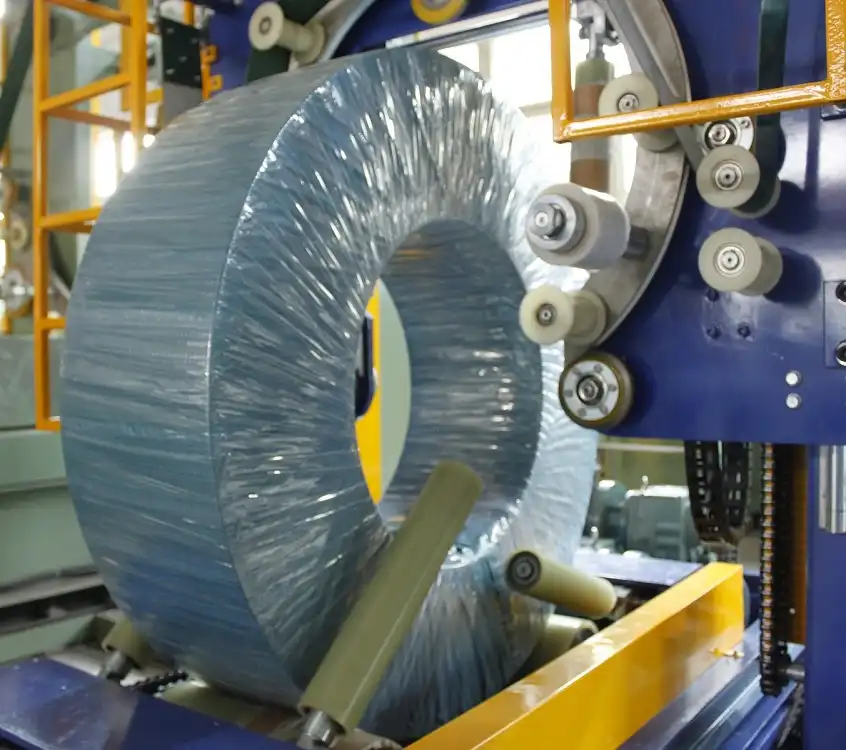
Efficient steel coil packing is critical for automotive manufacturing because it directly impacts supply chain reliability, product quality, and cost control. It ensures that steel coils, which are vital for car bodies and components, arrive at the factory in perfect condition, ready for immediate use. This prevents production halts, reduces waste from damaged materials, and supports the precise logistics needed in modern vehicle assembly.
The Domino Effect of Poor Packing in Automotive Supply Chains
When steel coils arrive damaged, it is not just a small problem. It creates a domino effect. The automotive industry runs on tight schedules, often using just-in-time (JIT) delivery systems. This means materials arrive exactly when needed, with no large stockpiles. If a shipment of coils is damaged, it can stop an entire production line. This costs millions of dollars every hour. My experience has shown me that preventing damage at the source, through proper packing, is always more cost-effective than dealing with the aftermath.
Key Areas Where Efficient Packing Makes a Difference:
- Supply Chain Resilience: 💪 Automotive companies rely on a steady flow of materials. Robust packing protects coils from dents, scratches, and rust during transit. This ensures continuous production and avoids costly shutdowns. (Automotive Supply Chain Resilience)
- Quality Assurance: ✨ High-quality steel is crucial for vehicle safety and performance. Any damage to the coil, even minor, can affect the integrity of stamped parts. Efficient packing maintains the original quality of the steel from the mill to the press shop. (Steel Coil Quality Assurance)
- Cost Reduction: 💰 Dealing with damaged goods involves replacement costs, freight expenses for returns, and administrative overhead. More importantly, production delays lead to lost revenue and overtime pay. Investing in proper packing machinery reduces these hidden costs significantly. (Cost Reduction in Logistics)
- Environmental Protection: 🌍 Coils often travel long distances, sometimes through varying climates. Proper packing with moisture barriers and rust inhibitors prevents corrosion. This is vital for maintaining material integrity, especially for exposed galvanized or cold-rolled steel used in car body panels. (Corrosion Prevention Packaging)
- Logistics Efficiency: 🚚 Well-packed coils are easier to handle, stack, and store. This speeds up loading and unloading times at ports and warehouses. It also makes inventory management simpler for automotive manufacturers. (Automotive Logistics Optimization)
From my own factory days, I learned that a small investment in a reliable packing machine can save fortunes down the line. It is not just about the machine itself. It is about the complete understanding of what the customer needs to keep their operations running. This often involves specific packing methods for different types of steel, tailored to the journey they will make. Think about Michael Chen’s challenge with product loss; automation here directly tackles this problem, turning potential losses into profit.
2. How Do Modern Steel Coil Packing Machines Improve Safety and Efficiency?
Is your current packing process slow, manual, and unsafe? Are your workers at risk when handling heavy steel coils? Many factories struggle with these issues. They are often stuck between the need for speed and the constant worry about worker safety and injury claims. This is a common bottleneck I have seen in many businesses.
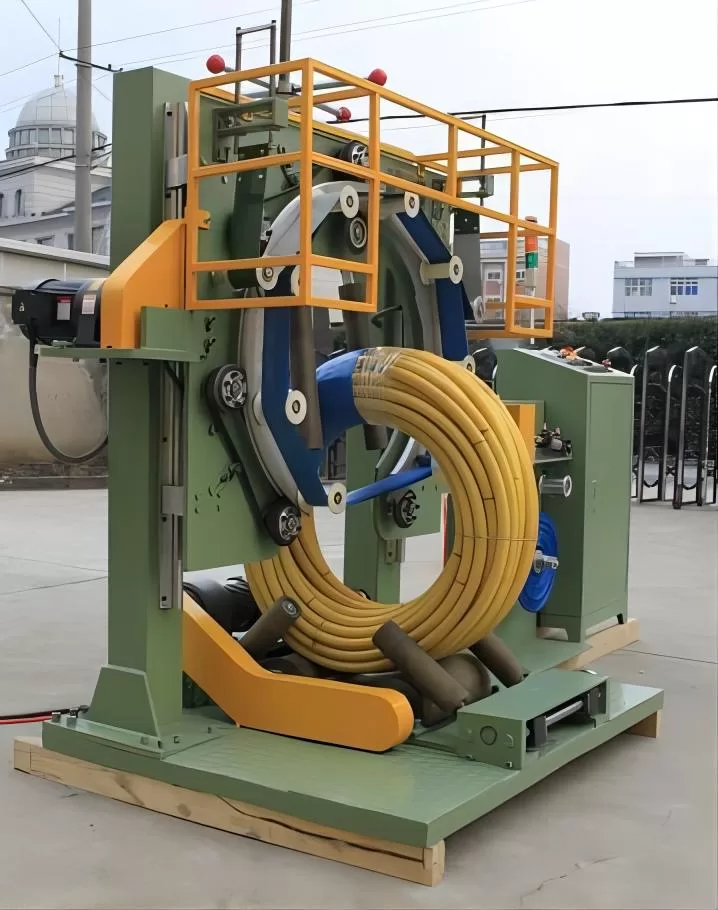
Modern steel coil packing machines dramatically improve safety and efficiency in automotive manufacturing by automating heavy lifting and repetitive tasks. They reduce reliance on manual labor for dangerous operations like strapping and wrapping massive coils, lowering the risk of workplace injuries. This automation also speeds up the packing process, ensures consistent package quality, and allows workers to focus on more complex tasks, leading to higher overall operational efficiency and output.
Automation: A Game-Changer for Safety and Throughput
The shift from manual to automated packing is not just a trend; it is a necessity for industries handling heavy materials like steel coils. In my journey, I have seen factories transform from hazardous workplaces into safe, high-output environments thanks to smart automation. Michael Chen’s concern about safety hazards from manual handling is exactly what modern packing machines are designed to solve. They take the heavy, risky work out of human hands.
Key Improvements from Modern Packing Machines:
- Enhanced Worker Safety: ⛑️
- Reduced Manual Handling: Machines take over the heavy lifting, turning, and strapping of coils. This removes workers from dangerous situations.
- Fewer Repetitive Strain Injuries: Automated systems reduce the need for workers to perform the same stressful motions over and over.
- Lower Accident Rates: With fewer human interventions in high-risk areas, the chance of accidents like dropped coils or pinched limbs goes down.
- Significant Efficiency Gains: ⏱️
- Faster Packing Cycles: Automated machines can wrap and strap coils much quicker and more consistently than manual methods.
- Consistent Quality: Every package meets the same high standard, ensuring coils are always well-protected. This reduces product damage.
- Increased Throughput: Factories can process more coils in less time, directly boosting overall production capacity. This helps to overcome efficiency bottlenecks.
- Optimized Labor Deployment: Workers are freed from physically demanding tasks. They can be reassigned to roles that require human judgment and skill, adding more value to the operation.
- Data and Connectivity: 📊
- Real-time Monitoring: Many modern machines come with sensors and controls that provide data on packing speed, material usage, and machine status.
- Predictive Maintenance: This data allows for anticipating maintenance needs before a breakdown occurs, preventing unexpected downtime.
- Integration with Factory Systems: Packing machines can connect with a factory’s overall management system, giving a clearer picture of the entire production flow.
One client of mine, struggling with an aging manual strapping process, saw their throughput jump by 40% and workplace injuries drop to almost zero after installing an automated coil strapping machine. This was not just about buying a machine; it was about understanding their specific bottleneck and providing a solution that truly made a difference. It addressed their efficiency issues and their safety concerns directly.
3. What Types of Steel Coils are Used, and How are They Packed for Automotive?
Do you ever wonder why there are so many types of steel coils, and how each one gets to the automotive factory floor without damage? The automotive industry uses a wide array of steel, each with specific properties and, therefore, unique packing needs. Not all steel is created equal, and neither are their packing requirements.
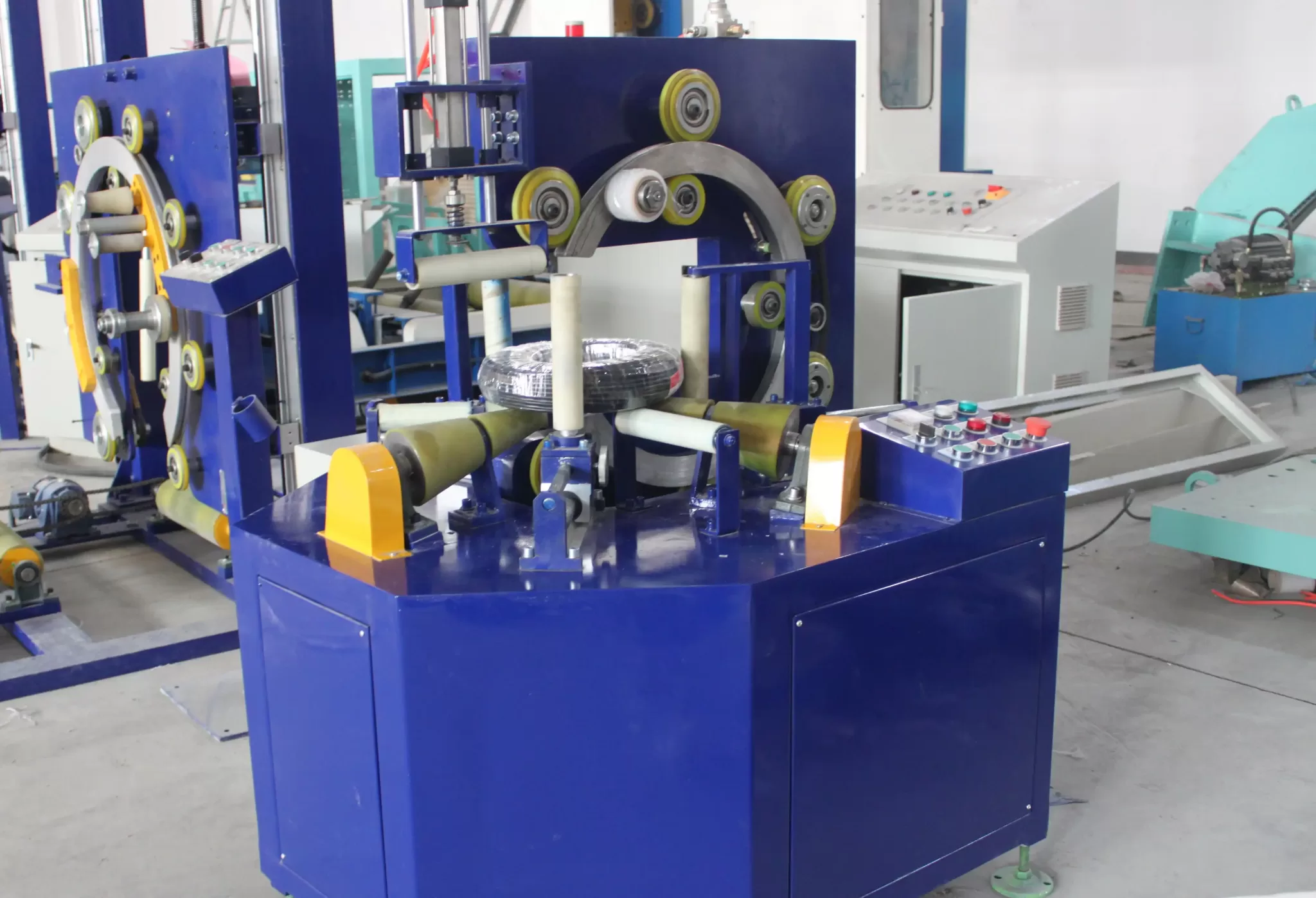
The automotive industry utilizes various types of steel coils, including cold-rolled, hot-rolled, galvanized, and stainless steel, each demanding specific packing methods to ensure their integrity. Cold-rolled and galvanized coils, often used for exterior body panels, require robust protection against scratches and rust. Hot-rolled coils for structural components need secure strapping and basic environmental protection. Packing involves applying stretch film, VCI paper, and strong strapping to match the coil type and its journey, protecting it from moisture, impact, and corrosion.
Tailored Packing for Diverse Steel Needs
From the shiny exterior of a car to the strong frame underneath, different types of steel play different roles. Each type has its own vulnerabilities and requires a specific packing strategy. My team and I understand that a "one-size-fits-all" approach to packing steel coils simply does not work in the automotive sector. This is where expertise becomes crucial.
Common Steel Coil Types in Automotive and Their Packing Demands:
- Cold-Rolled Steel Coils (CR):
- Use: Car body panels, interior components, parts requiring high precision and smooth surface finish.
- Vulnerability: Highly susceptible to scratches, dents, and surface rust.
- Packing Strategy: Requires multi-layer protection. This includes VCI (Volatile Corrosion Inhibitor) paper for rust prevention, stretch film for moisture and dust protection, and strong steel or PET strapping for secure bundling. Edge protectors are often used. (Cold-Rolled Coil Packaging)
- Hot-Rolled Steel Coils (HR):
- Use: Vehicle frames, structural components, wheel rims, and other parts where strength is paramount.
- Vulnerability: Less susceptible to surface damage than CR, but still needs protection from heavy impact and severe corrosion during long-term storage or transit.
- Packing Strategy: Focuses on secure bundling and basic environmental protection. Heavy-duty strapping (steel or polyester) is standard. Often wrapped with basic stretch film or protective paper. (Hot-Rolled Coil Packaging)
- Galvanized Steel Coils (GI):
- Use: Car body parts exposed to the elements, providing excellent corrosion resistance.
- Vulnerability: While corrosion-resistant, the zinc coating can be scratched or damaged, compromising protection. "White rust" can also form if exposed to moisture.
- Packing Strategy: Similar to cold-rolled, with emphasis on preventing moisture ingress. VCI film or paper is crucial, along with waterproof stretch film and secure strapping. Careful handling is a must. (Galvanized Steel Packaging)
- Stainless Steel Coils:
- Use: Exhaust systems, decorative trims, certain engine components.
- Vulnerability: Can be scratched or tarnished, though highly corrosion-resistant.
- Packing Strategy: Focuses on surface protection. Often uses specialized surface protection films, combined with stretch wrapping and strapping. (Stainless Steel Coil Packaging)
Essential Packing Materials and Techniques:
- Stretch Film: Provides a tight, waterproof barrier around the coil, protecting against dust, moisture, and minor abrasions.
- VCI Paper/Film: Releases corrosion-inhibiting chemicals that protect metal surfaces from rust, especially important for long transit times or humid environments.
- Steel/PET Strapping: Secures the coil, preventing it from unwinding or shifting during transport. Steel is used for heavier coils, while PET is suitable for lighter loads and offers better elasticity.
- Edge Protectors: Cardboard or plastic pieces placed under strapping to prevent the strap from damaging the coil edges.
When I started my factory, I learned that providing the right packing solution meant understanding the material itself, not just the machine. It means asking "What challenges does this specific steel type face?" and then engineering a packing line that offers the best defense. This detailed approach is what truly helps automotive clients like Michael Chen prevent product damage and maintain quality.
4. What Future Trends are Shaping Steel Coil Packing for the Automotive Sector?
Are you prepared for the next wave of innovation in industrial packing? The automotive industry is always changing, and packing technology must keep up. What new developments will make steel coil packing even smarter, more efficient, and more sustainable in the years to come? This is a question I think about constantly as a packing machine engineer.
Future trends shaping steel coil packing for the automotive sector include the integration of Industry 4.0 technologies like IoT and AI for smart, connected packing lines, a stronger focus on sustainable and eco-friendly packing materials, and increased demand for highly customized and flexible packing solutions. These advancements aim to boost automation, reduce environmental impact, and provide real-time data for predictive maintenance and optimized logistics, ensuring even greater efficiency and reliability in material supply.
The Road Ahead: Smart, Green, and Flexible Packing
The future of steel coil packing is moving towards greater intelligence, environmental responsibility, and adaptability. As global supply chains become more complex and environmental regulations tighten, the demand for advanced packing solutions will only grow. Based on my years in the industry, I believe these trends will redefine how automotive manufacturers receive their vital steel supplies.
Key Future Trends in Coil Packing:
- Industry 4.0 Integration (Smart Packing): 🤖
- IoT (Internet of Things): Packing machines will increasingly have sensors that collect data on speed, material usage, and machine health. This data can be accessed remotely.
- AI and Machine Learning: Algorithms will analyze packing data to optimize machine performance, predict maintenance needs, and identify potential issues before they cause downtime.
- Remote Diagnostics: Technicians can diagnose problems from anywhere, reducing repair times and minimizing travel.
- Automated Quality Control: Vision systems and smart sensors will inspect package quality in real-time, ensuring perfection without human oversight.
- Sustainable Packaging Solutions: 🌱
- Eco-Friendly Materials: A shift towards recyclable, biodegradable, or reusable packing materials for stretch film, strapping, and protective papers.
- Reduced Material Usage: Smart machines will optimize material consumption, using only what is necessary, leading to less waste and lower costs.
- Closed-Loop Systems: Exploring ways to collect and reuse packing materials within the supply chain.
- Energy Efficiency: Packing machines themselves will be designed to consume less energy during operation.
- Increased Customization and Flexibility: 🛠️
- Modular Designs: Packing lines will be more modular, allowing automotive companies to easily adapt them to different coil sizes, weights, and specific packing requirements.
- Quick Changeover: Machines will be designed for faster and simpler changeovers between different packing configurations, minimizing downtime.
- Robotic Integration: More advanced robots will assist with complex coil handling and precise material application, offering unparalleled flexibility.
- Demand-Driven Packing: Systems that can automatically adjust packing intensity based on transit risks or specific customer demands.
The journey I took, from an employee to a factory owner, taught me that innovation is constant. I always look for ways to make packing solutions smarter and more efficient. For Michael Chen, these future trends mean even greater cost savings, improved safety, and an unprecedented level of control over his factory’s material flow. It is about building packing lines that are not just machines, but intelligent partners in production.
Conclusion
Investing in the right steel coil packing line is essential for automotive success, ensuring safety, efficiency, and quality throughout the supply chain.


