What Are the Key Benefits of Using a Steel Wire Packing Line in Steel Manufacturing?
The challenges in modern steel manufacturing are significant, aren’t they? I’ve seen countless factory managers, like Michael Chen in Mexico, grapple with outdated manual processes for steel wire and coil packing. These methods often lead to slow production, costly inefficiencies, and a constant worry about workplace safety. The pressure to boost output, cut costs, and meet strict safety rules is always there.
Automated steel wire packing lines offer a transformative solution by dramatically improving operational efficiency, enhancing worker safety, minimizing product damage, and ultimately boosting your factory’s profitability. They streamline the entire end-of-line process, from handling heavy coils to ensuring secure, consistent packaging ready for shipment.

If you are a factory manager, you understand that downtime or inefficient processes are not just minor inconveniences; they mean substantial losses. In this article, I will share insights from my journey in the packing machine industry. We will explore how investing in an advanced packing line can directly address your most pressing operational challenges and drive your business forward.
1. How Can an Automatic Steel Wire Packing Line Boost Your Production Efficiency?
Are your current steel wire and coil packing methods creating a bottleneck in your production? I know the frustration of seeing valuable production time lost to slow, labor-intensive end-of-line processes. This inefficiency can ripple through your entire operation, affecting delivery schedules and customer satisfaction.
An automatic steel wire packing line dramatically increases throughput and reduces processing times by automating repetitive tasks, allowing for continuous operation and quicker preparation of products for shipment. This removes bottlenecks, boosts overall plant capacity, and ensures a smoother, more predictable production flow.
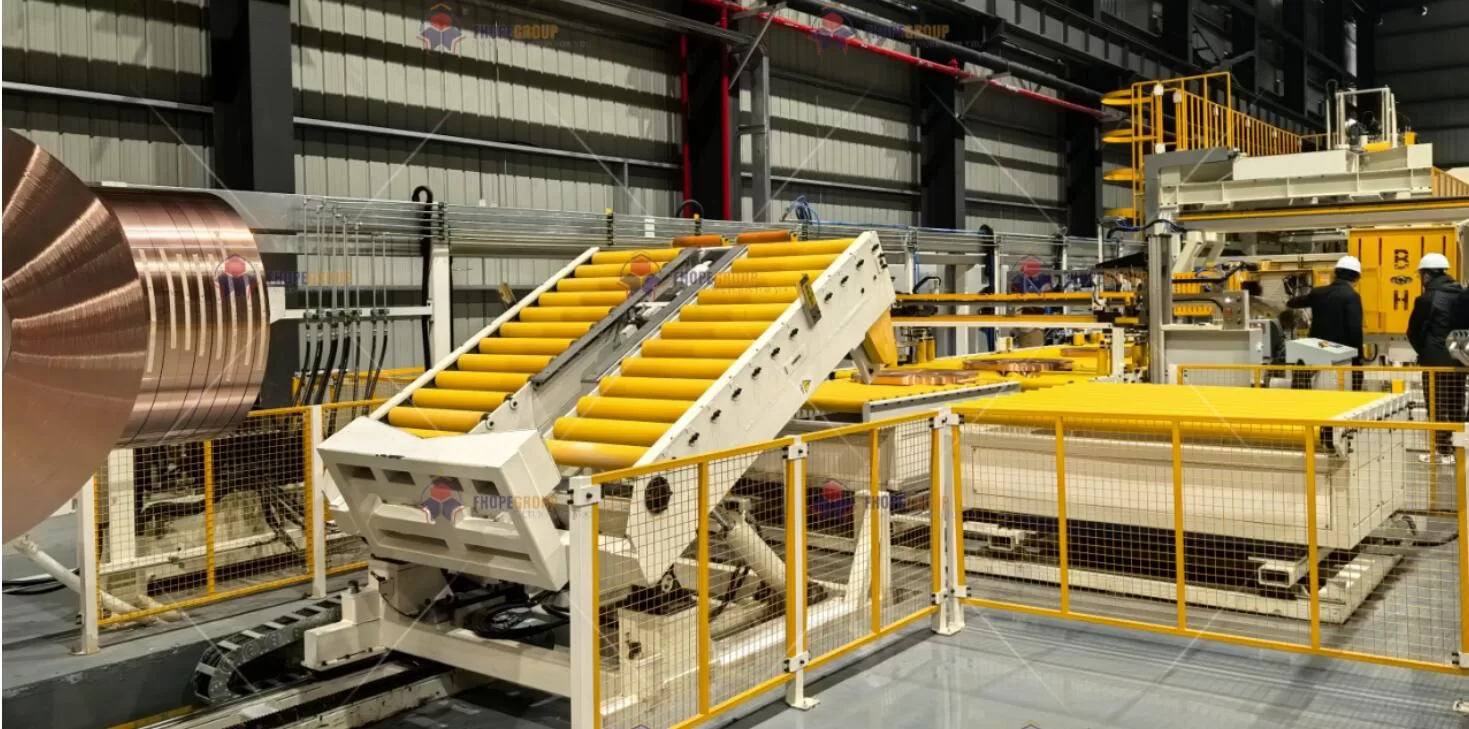
From my experience establishing and running packing machine factories, I’ve seen firsthand how automation transforms productivity. Manual packing, especially for heavy steel coils or wire bundles, is inherently slow. Workers need to rest, manual adjustments take time, and human error is always a factor. An automated system, however, operates with consistent speed and precision around the clock.
Maximizing Throughput and Reducing Cycle Times
Implementing an automatic packing line means your factory can process more steel wire and coils in less time. This is not just about speed; it is about consistency. Automated systems perform tasks like wrapping, strapping, and labeling at a predetermined pace, free from fatigue or distraction.
- Faster Processing: Machines can wrap a coil in seconds, a task that might take minutes for a human. This significantly cuts down cycle times per unit.
- Continuous Operation: Unlike human labor that requires breaks and shift changes, a machine can run continuously for extended periods, maximizing operational hours.
- Reduced Manual Intervention: With less human input, there are fewer stops and starts, leading to a more fluid and efficient workflow. This directly addresses efficiency bottlenecks (steel wire packing process optimization).
Consider the impact of this increased throughput on your overall business. If you can pack more products each day, you can fulfill larger orders, meet tighter deadlines, and ultimately increase your market share. This efficiency translates directly into a more competitive edge for your factory.
Optimizing Labor Allocation
One of the biggest advantages of automation is how it changes your labor needs. It does not necessarily mean reducing your workforce, but rather redeploying your skilled employees to more value-added roles.
- Focus on Skilled Tasks: Instead of heavy lifting or repetitive packing, your workers can manage machine operations, perform quality checks, or handle maintenance.
- Reduced Overtime Costs: With a more efficient packing process, you can often achieve your production targets within standard working hours, cutting down on expensive overtime.
- Fewer Packing Staff: You need fewer people to manage the packing process itself. One operator can often oversee an entire automatic line.
This reallocation of labor means your team’s skills are better utilized, leading to higher job satisfaction and potentially opening new growth opportunities within your company. It is about making your workforce more productive and your operations more lean (automated packing labor optimization).
Enhancing Production Consistency and Quality
Manual packing, no matter how skilled the worker, can suffer from inconsistencies. An automatic packing machine, on the other hand, delivers uniform results every time.
- Standardized Packaging: Every coil or wire bundle is wrapped and strapped with the same tension and pattern, ensuring a consistent look and feel.
- Reduced Rework: Fewer errors in packing mean less need for unpacking and repacking, saving time and materials.
- Improved Product Presentation: High-quality, consistent packaging not only protects your product but also enhances your brand’s image, leading to greater customer satisfaction (consistent wire packaging quality).
| Feature | Manual Packing | Automatic Packing Line |
|---|---|---|
| Speed | Slow, variable | Fast, consistent |
| Labor Needs | High | Low (for direct packing) |
| Consistency | Variable, prone to errors | High, standardized |
| Throughput | Limited | High, continuous |
| Worker Fatigue | High | Low |
By addressing the efficiency bottlenecks in your steel wire packing, you are not just buying a machine; you are investing in a system that empowers your entire production floor to operate at its peak performance.
2. What Role Does Automated Packing Play in Improving Workplace Safety in Steel Factories?
Are you constantly concerned about the safety risks your team faces when handling heavy steel coils and wire bundles? I know Michael Chen from Mexico, like many factory managers, grapples with high injury rates and rising insurance costs due to manual handling of such heavy materials. It is a serious issue that impacts both your people and your bottom line.
Automated steel wire packing lines significantly boost workplace safety by removing workers from dangerous tasks involving heavy lifting, repetitive motions, and interactions with moving machinery. This drastically reduces the risk of sprains, strains, crushing injuries, and other common industrial accidents, fostering a safer working environment for your employees.

My journey in the packing machine industry taught me that safety is not just a regulatory requirement; it is a fundamental responsibility and a smart business decision. A safe workplace boosts morale, reduces absenteeism, and protects your most valuable asset: your employees.
Eliminating Manual Heavy Lifting and Repetitive Strain
One of the most immediate safety benefits of an automated packing line is the elimination of manual lifting and turning of heavy steel products.
- No More Heavy Lifting: Machines take over the strenuous task of moving coils and wire bundles, preventing back injuries, strains, and sprains.
- Reduced Repetitive Motion Injuries: Tasks like manually wrapping or strapping lead to repetitive strain injuries (RSIs). Automation removes these physically demanding actions.
- Ergonomic Improvements: The overall workstation design around an automated line is often more ergonomic, reducing physical stress on operators who monitor the machines.
These changes directly address major sources of worker injury in heavy manufacturing environments. By taking the physical burden off your team, you create a healthier, more sustainable work environment for them (automated steel packing safety benefits).
Mitigating Risks from Moving Parts and Pinch Points
While automated machines have their own safety protocols, they are designed to keep human operators at a safe distance from hazardous moving parts.
- Guarding and Interlocks: Modern packing machines come equipped with safety guards, light curtains, and interlocks that stop operation if a safety barrier is breached.
- Controlled Environment: The machine performs the high-risk operations within a contained space, minimizing human exposure to pinch points, rotating elements, or hot surfaces.
- Remote Monitoring: Operators can often monitor the packing process from a safe distance using control panels, further reducing their proximity to potential hazards.
By investing in high-quality automated equipment, you are implementing a system that actively protects your workers from the dangers inherent in handling heavy industrial materials (industrial packing machine safety features).
Creating a Culture of Safety
Beyond the physical reduction of hazards, introducing automation can also help cultivate a stronger safety culture within your factory.
- Proactive Safety Measures: It shows your commitment to employee well-being, fostering trust and loyalty.
- Standardized Procedures: Automated systems operate according to strict, predefined procedures, reducing human error which is often a factor in accidents.
- Lower Insurance Premiums: A demonstrably safer workplace can lead to lower workers’ compensation claims and, consequently, reduced insurance costs. This is a direct financial benefit that Michael Chen would appreciate (workplace safety in steel manufacturing).
Consider this table demonstrating common hazards in manual vs. automated packing:
| Hazard Type | Manual Packing | Automated Packing Line |
|---|---|---|
| Physical Strain | High: Lifting, bending, repetitive motions | Low: Monitoring, light intervention |
| Crushing Injury | High: Heavy coils falling, improper handling | Very Low: Machines handle loads within safety zones |
| Pinch Points | Moderate: During manual strapping, adjustments | Low: Guarded, interlocked, operators kept at distance |
| Fatigue-Related | High: Errors increase with fatigue | Low: Machine consistency, operators not fatigued |
| Accident Rates | Higher | Significantly Lower |
Ultimately, improving safety is not just about compliance; it is about creating a factory where your employees feel secure and valued, leading to a more stable and productive workforce. This is a goal that aligns perfectly with Michael’s priorities as a factory manager focused on operational excellence.
3. How Can Steel Wire Packing Solutions Reduce Product Damage and Enhance Profitability?
Are you tired of losing money due to damaged steel coils or wire bundles during internal transfer and packaging? Michael Chen, like many factory managers, knows that every scratch, dent, or edge deformation means customer complaints, returns, and a direct hit to the bottom line. It’s a preventable loss that directly impacts your profitability.
Automated steel wire packing solutions significantly reduce product damage by ensuring precise, consistent, and secure packaging that minimizes impact during handling, storage, and transport. This leads to fewer quality issues, reduced waste, improved customer satisfaction, and a direct increase in your factory’s overall profitability.

In my years of helping clients grow their businesses, I’ve learned that consistent product quality and reliable delivery are non-negotiable for success. Damaged goods erode trust and profits. Investing in the right packing technology is a strategic move to protect your product and your reputation.
Ensuring Consistent and Secure Packaging
Manual packing, even with the best intentions, can be inconsistent. Tension might vary, wrapping might be uneven, or strapping might not be applied with optimal force. These inconsistencies create weak points in the packaging that can lead to damage.
- Uniform Tension: Automated machines apply wrapping material and strapping with precise, consistent tension, ensuring a tight and secure package every time.
- Optimal Protection: The machine can apply multiple layers of protective material (VCI paper, plastic film, etc.) in a controlled manner, providing superior protection against moisture, dust, and physical impact.
- Reliable Strapping: Strapping is applied with exact force and positioning, preventing coils from unwinding or shifting during transit. This is crucial for heavy items like steel coils or wire rods (consistent wire coil protection).
This level of precision is virtually impossible to achieve consistently with manual labor, especially for high volumes of product. The result is a package that performs better under the stresses of logistics.
Minimizing Handling-Related Damage
Much of the product damage occurs during the repeated handling and internal transfer of products before they are shipped. Automated systems often integrate material handling, greatly reducing these risks.
- Reduced Manual Contact: With automation, human hands touch the product less frequently, minimizing the risk of accidental drops, scrapes, or dents during transfer.
- Automated Conveyance: Integrated conveyors and transfer systems move coils smoothly and gently from one station to the next, eliminating rough handling common with forklifts or manual lifting.
- Precise Positioning: Machines position the product accurately for each packing step, preventing misalignment and potential damage during wrapping or strapping operations.
By streamlining the material flow and reducing manual contact, an automatic packing line acts as a protective shield for your valuable steel products throughout the entire end-of-line process (steel product damage prevention).
Enhancing Customer Satisfaction and Brand Reputation
When your customers receive products that are consistently well-protected and free from damage, it builds trust and strengthens your business relationships.
- Fewer Complaints: Reduced product damage directly translates into fewer customer complaints and claims, saving you time and resources.
- Improved Brand Image: High-quality packaging reinforces your brand’s commitment to quality and professionalism. It makes a strong first impression.
- Repeat Business: Satisfied customers are more likely to become repeat customers, contributing to long-term business growth and stability.
Ultimately, preventing product damage is about protecting your investment in the manufacturing process and ensuring that your hard work translates into delivered value. The ROI for this type of investment is clear: reduced waste, fewer complaints, and a stronger market position (profitability through quality packaging).
4. Why is Partnering with an Experienced Packing Machine Expert Essential for Your Business Growth?
Have you ever dealt with equipment suppliers who only care about the sale, leaving you stranded when you need after-sales support or expert advice? Michael Chen’s experience, which is shared by many factory managers, highlights the critical need for a trusted partner who truly understands the intricacies of your production environment and can deliver reliable, long-term solutions.
Partnering with an experienced packing machine expert, like those at FHOPEPACK, is essential because they offer more than just equipment; they provide in-depth industry knowledge, tailored solutions, and ongoing support that ensures your investment genuinely solves your production bottlenecks and drives sustained business growth. Their expertise helps you navigate complex challenges and achieve a measurable return on investment.
My personal journey from a packing machine factory employee to establishing FHOPEPACK, and helping many clients grow their businesses, has shown me the immense value of deep industry expertise. I believe in sharing knowledge and offering solutions that truly empower manufacturers. You are not just buying a machine; you are seeking a partner who understands your pain points, from safety concerns to efficiency dilemmas, and can guide you to the right solution.
Tailored Solutions for Unique Factory Needs
Every factory has unique challenges, space constraints, and production flows. A generic, off-the-shelf solution might not fully address your specific issues. An expert partner will take the time to understand your operations.
- On-site Assessment: They will visit your factory or conduct detailed virtual assessments to understand your layout, current processes, and specific bottlenecks.
- Customization: They can recommend or customize equipment to fit your exact requirements, whether it is for coil packing, steel wire strapping, or integrated material handling.
- Future-Proofing: Experts consider your future growth plans, helping you select scalable solutions that can adapt as your business evolves (custom packing machine solutions).
This personalized approach ensures that the packing line you invest in is not just a piece of machinery but a strategic asset perfectly integrated into your workflow.
Deep Industry Knowledge and Problem-Solving Acumen
An experienced partner brings a wealth of knowledge gained from working with many clients across the heavy manufacturing sector, including steel and logistics.
- Identifying Root Causes: They can quickly pinpoint the underlying reasons for your efficiency issues or safety hazards, offering precise solutions.
- Best Practices: They share industry best practices and innovative approaches to packing that you might not be aware of.
- Troubleshooting Expertise: When issues arise, their deep understanding of packing mechanics and system integration means quicker diagnosis and resolution, minimizing costly downtime (packing machine troubleshooting expertise).
This kind of expert guidance is invaluable, transforming a simple equipment purchase into a strategic partnership that supports your long-term success. When considering suppliers, well-established names like Fengding and Wuxi Buhui are known for their strong engineering capabilities and customer support. They represent the kind of partners you want to work with for critical industrial investments.
Comprehensive After-Sales Support and Training
The relationship with a good supplier does not end at the sale. Ongoing support and proper training are crucial for maximizing your investment.
- Installation and Commissioning: Experts ensure the packing line is installed correctly and fully operational, integrating seamlessly with your existing systems.
- Operator Training: They provide thorough training for your team, ensuring they can operate and maintain the equipment safely and efficiently.
- Maintenance and Parts: Reliable partners offer strong maintenance services, readily available spare parts, and prompt technical support to keep your operations running smoothly (packing machine after-sales support).
This commitment to long-term support is what distinguishes a true partner from a mere vendor. It ensures that your investment continues to yield returns for years to come, giving you peace of mind that Michael Chen seeks after past negative experiences with suppliers. Choosing a partner like FHOPEPACK, with a proven track record and a mission to share knowledge, guarantees you access to this level of support and expertise.
Conclusion
Investing in a steel wire packing line is a strategic move for any steel manufacturer. It boosts efficiency, enhances safety, reduces product damage, and ultimately drives profitability. For a robust steel coil packing line solution, trust FHOPEPACK to master your packing needs.


