Steel Wire Packing Line vs Manual Packing — Which Is More Efficient?
Have you ever felt the pressure of a bottleneck at your factory’s packing line? I know that feeling well. For many factory managers, especially those overseeing metal processing plants in places like Mexico, the choice between manual and automated packing is a constant battle. You want to boost output, cut costs, and keep your workers safe. But how do you decide which method truly delivers?
When you compare a steel wire packing line to manual packing, the automated system is far more efficient. It offers higher speeds, better consistency, greatly improved safety, and significant long-term cost savings, directly addressing common production bottlenecks and risks in manufacturing.
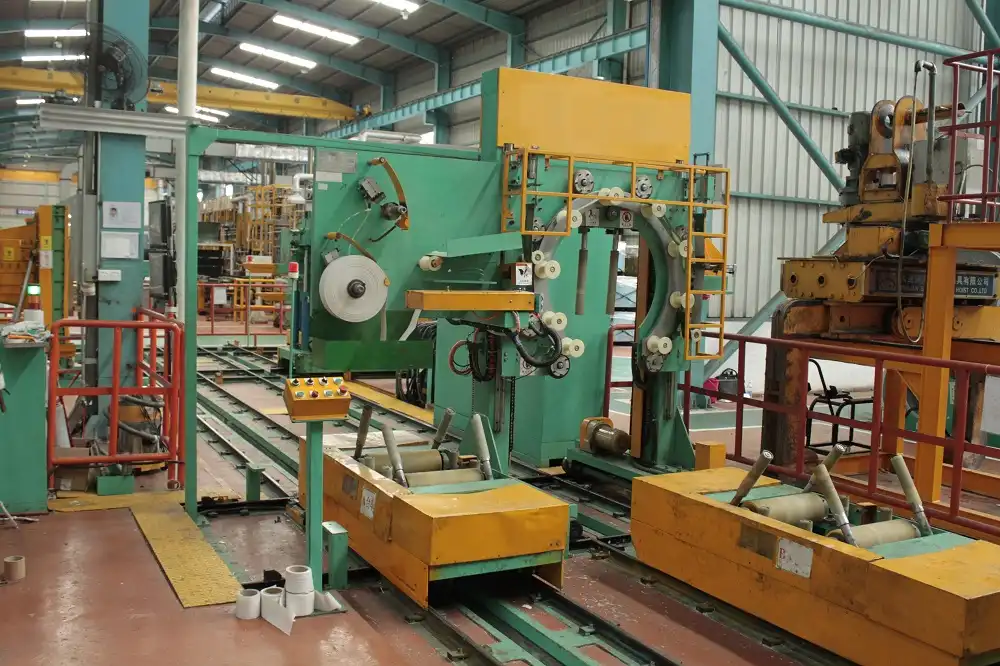
As someone who built a packing machine factory from the ground up, I have seen both sides. I understand the challenges you face every day. Let’s dive deeper and see how automated solutions can transform your operations and help you achieve your goals.
1. Why Is Manual Steel Wire Packing a Problem for Factories Like Yours?
Are you tired of slow production, safety hazards, and damaged products on your packing line? Many factory managers, like Michael Chen in Mexico, grapple with these exact issues every day. Manual packing might seem like a straightforward solution, but it often creates more problems than it solves, especially when dealing with heavy steel wire coils.
Manual steel wire packing often creates significant efficiency bottlenecks, poses high safety risks for workers handling heavy materials, and leads to frequent product damage, directly impacting production schedules and profitability.
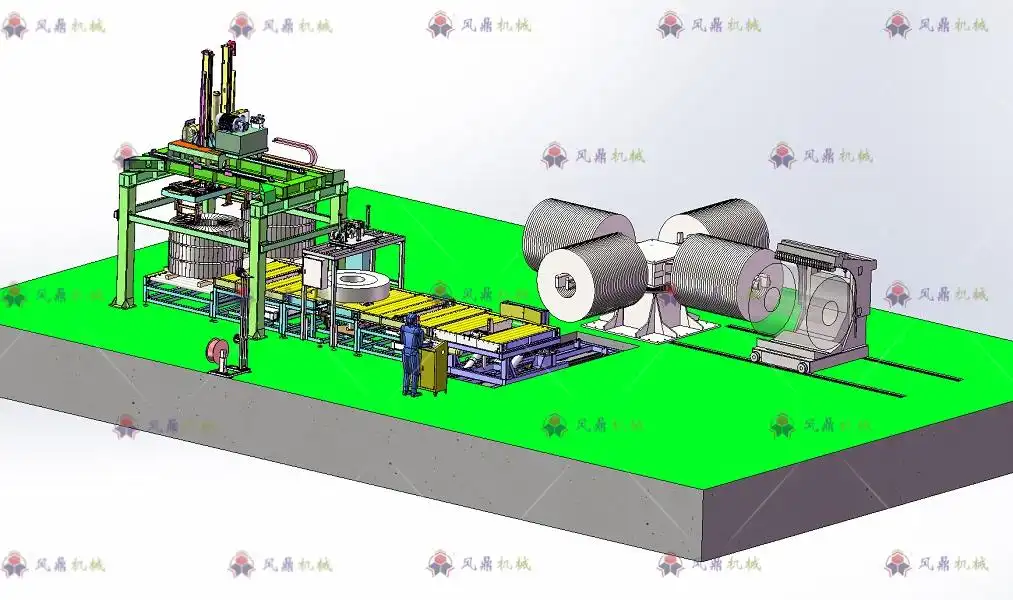
Let’s be honest, manual packing has its limits. When I started in this industry, I saw many factories struggling with these exact issues. They spent a lot of time and money trying to manage things by hand. The truth is, relying on manual labor for heavy-duty tasks like packing steel wire coils slows everything down. It also puts your team in harm’s way. This is not just about speed. It is about the hidden costs that pile up, hurting your bottom line and your workers’ well-being.
The Hidden Costs and Risks of Manual Packing
Manual packing for steel wire coils involves more than just labor. It comes with a range of problems that can quickly eat into your profits and cause headaches.
- Slow Production Speed and Bottlenecks:
- Issue: Workers can only move so fast. Each coil takes time to wrap, strap, and prepare. This creates a bottleneck at the end of your production line. Your machines might produce quickly, but packing cannot keep up. This means finished products sit waiting. It delays shipments and affects overall output. (production bottlenecks, manual process slowness)
- Impact: Lower overall factory output, extended lead times for customers, missed delivery deadlines.
- High Safety Risks and Injuries:
- Issue: Steel coils are heavy. Manually lifting, rotating, or strapping them is dangerous. Workers can suffer muscle strains, back injuries, or even more severe accidents if a coil shifts. These incidents are not rare. They happen often in factories still using manual methods. (worker safety, heavy material handling, workplace injuries)
- Impact: Increased insurance costs, higher worker compensation claims, employee absenteeism, and potential legal issues. It also affects staff morale and retention.
- Product Damage and Quality Concerns:
- Issue: Human error is a factor. When workers handle heavy coils by hand, there is a higher chance of drops, scrapes, or dents. The edges of steel coils are especially vulnerable. This damage can make products unsellable. Or, it leads to customer complaints and returns. It impacts your reputation and your profit margin. (product quality, material damage, customer satisfaction)
- Impact: Financial losses from scrapped products, costs for rework, loss of customer trust, and damage to your brand reputation.
- Inconsistent Packaging Quality:
- Issue: Different workers have different ways of packing. Some might wrap tighter than others. Some might use more material. This leads to inconsistent packaging quality. It can affect how products look. It also affects how well they are protected during transit. (packaging consistency, human variability)
- Impact: Varied product presentation, potential for uneven protection, and difficulties meeting strict client specifications.
These challenges are very real. They are why many managers, from Mexico to other industrial hubs, look for better ways. They understand that solving these problems is key to growing their business.
2. How Does an Automated Steel Wire Packing Line Boost Your Production?
Are you struggling to keep up with production demands because your packing process is too slow? What if you could significantly speed up your steel wire packaging and improve overall efficiency? An automated packing line is designed to do exactly that, transforming your operations from start to finish.
An automated steel wire packing line boosts production by providing consistent high-speed wrapping and strapping, reducing labor needs, and integrating seamlessly with existing production lines, thereby eliminating bottlenecks and improving overall factory throughput.

I have seen firsthand how automation changes factories. When I designed packing machines, the goal was always to make things faster, safer, and more reliable. Automated systems take away the slow parts of manual work. They do it with precision and speed that human hands cannot match. Imagine your finished steel wire coils moving smoothly from the production line directly into a wrapping machine. They get packaged perfectly every time. This is not just a dream. It is a reality for factories that embrace smart technology. It means you can produce more, ship faster, and scale your business without constant worries about packing limitations.
The Transformative Power of Automated Packing
Investing in an automated steel wire packing line brings several clear advantages. These benefits directly address the core problems faced by factory managers in heavy industries.
- Dramatic Increase in Packing Speed:
- How it works: Automated machines operate at much higher speeds than human workers. They can wrap and strap coils continuously. They do not get tired. They do not need breaks. This means a constant flow of packaged products. (packing speed, continuous operation, throughput increase)
- Benefit: Production lines become more efficient. Output goes up significantly. This helps you meet tighter deadlines and handle larger orders. For a manager like Michael in Mexico, this means faster deliveries and happier clients.
- Enhanced Safety for Workers:
- How it works: Heavy lifting and dangerous tasks are shifted to machines. Workers operate controls from a safe distance. This removes them from direct contact with heavy, moving coils. Less manual handling means fewer accidents. (worker safety, reduced manual handling, accident prevention)
- Benefit: The risk of workplace injuries drops sharply. This lowers insurance costs. It also creates a safer, more positive work environment. Your team is protected.
- Consistent and High-Quality Packaging:
- How it works: Machines apply the exact same tension and amount of material every time. This ensures uniform packaging. Every coil gets the same level of protection. This consistency improves the look of your products. It also protects them better during shipping. (packaging consistency, quality control, uniform protection)
- Benefit: Product damage during transit decreases. Customer complaints go down. Your brand reputation for quality goes up.
- Reduced Labor Costs and Optimized Workforce:
- How it works: Fewer workers are needed for the packing process. The machines do the repetitive, heavy work. Your existing staff can be reassigned to other skilled tasks. These tasks add more value to your company. (labor optimization, cost reduction, workforce efficiency)
- Benefit: Significant savings on wages and benefits over time. It also allows you to use your human talent more effectively, boosting overall productivity.
- Seamless Integration with Existing Lines:
- How it works: Modern automated packing lines are designed to fit into your current factory setup. They can connect with upstream production machinery. They create a smooth, uninterrupted flow. (system integration, workflow optimization, production continuity)
- Benefit: The entire production process becomes more streamlined. There are fewer delays between different stages. This helps your factory run like a well-oiled machine.
By switching to an automated system, you are not just buying a machine. You are investing in a future where your factory runs smarter, safer, and more profitably.
3. What Are the Real Cost Savings and ROI of Automated Packing?
Are you wondering if the upfront cost of an automated steel wire packing line is truly worth it? Factory managers, especially those focused on the bottom line, need clear numbers. How quickly will this investment pay for itself, and what kind of long-term savings can you expect?
The real cost savings and ROI of automated packing come from significantly reduced labor expenses, minimized product damage, lower insurance costs from improved safety, and increased production capacity, leading to a quick return on investment and enhanced long-term profitability.
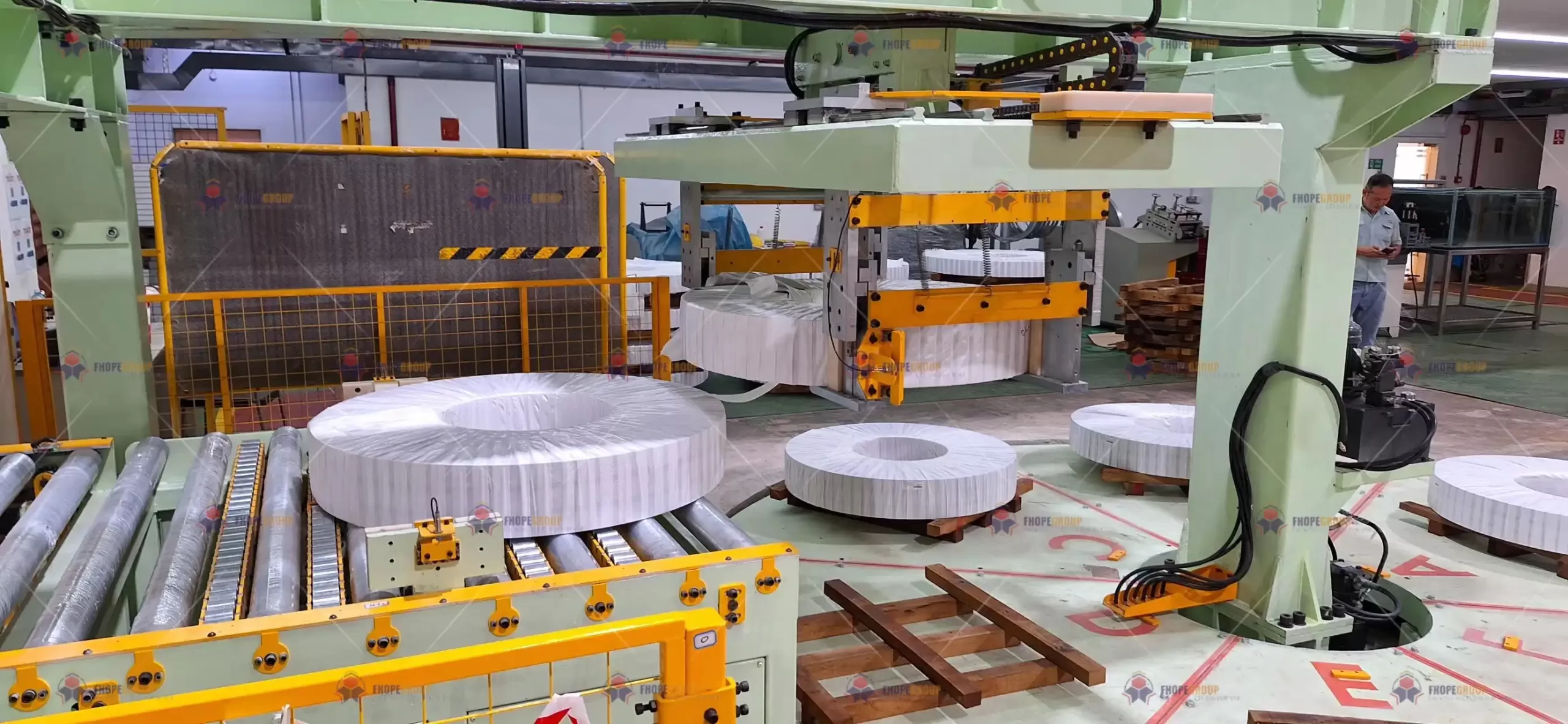
When I help clients choose packing solutions, we always talk about ROI. It is not just about the price tag of a machine. It is about the money you save and the money you make over years of operation. For a busy factory manager like Michael, every dollar counts. You want to see how this investment impacts your profitability. I have seen many factories make this change. They move from manual, slow methods to fast, automated ones. The financial benefits often surprise them, in a good way. It goes beyond simple savings. It is about creating a more stable and financially healthy operation.
Breaking Down the Financial Benefits
Calculating the Return on Investment (ROI) for an automated packing line involves looking at several key areas where costs are reduced and revenues are increased.
- Reduced Labor Costs:
- Analysis: Automated systems can replace multiple manual workers on the packing line. This reduces wages, benefits, and overtime expenses. While initial investment is higher, the recurring labor costs drop significantly year after year.
- Example Calculation: If a factory employs 3 workers for manual packing at $20/hour each for two shifts (16 hours/day), that’s $960/day in labor. An automated system might require only 1 supervisor per shift ($320/day). This creates a daily saving of $640. Over a year (250 working days), that’s $160,000 in labor savings alone. (labor cost reduction, operational expenses, long-term savings)
- Minimizing Product Loss and Damage:
- Analysis: Automated systems handle products more gently and consistently. This reduces incidents of drops, dents, and other damage that lead to scrap or customer returns. Less damage means fewer financial write-offs.
- Example Calculation: If 2% of manually packed steel coils suffer damage, and each coil costs $1,000, for 10,000 coils produced annually, that’s $200,000 in losses. With automation, damage might drop to 0.5%, reducing losses to $50,000. This is a saving of $150,000 per year. (product integrity, waste reduction, material cost savings)
- Lower Insurance and Safety Costs:
- Analysis: Fewer workplace injuries directly translate to lower workers’ compensation claims and reduced insurance premiums. A safer environment also means less downtime due to accidents and better employee morale.
- Example Calculation: Factories with high manual handling risks can pay significantly more in insurance. Reducing severe incidents by 70% could lead to a 10-20% reduction in annual premiums, plus savings from fewer payouts and less administrative work related to claims. (safety investment, insurance premium reduction, risk management)
- Increased Throughput and Revenue:
- Analysis: With faster packing, your factory can process more products in the same amount of time. This means you can take on more orders. You can also fulfill existing orders more quickly. This directly increases your sales and revenue potential.
- Example Calculation: If an automated line increases packing capacity by 30%, a factory producing $5 million worth of steel wire annually could potentially increase its revenue by $1.5 million. Even if only a portion of this is realized initially, it represents significant growth potential. (production capacity, revenue growth, market competitiveness)
When you add up these benefits, the initial investment in an automated steel wire packing line often has a surprisingly short payback period. Many factories see a full return in 1 to 3 years. After that, the savings and increased profits continue to benefit the business for many years to come. This makes automation a smart financial move.
4. Beyond the Machine: Why Expert Partnership Matters for Your Packing Needs?
Have you ever bought a piece of equipment only to find the supplier disappears after the sale? For factory managers, building trust with a supplier is crucial. It is about more than just getting a machine. It is about finding a true partner who understands your challenges and offers ongoing support.
Expert partnership for packing needs provides tailored solutions, reliable after-sales support, and deep industry insights, ensuring your investment truly solves production bottlenecks and drives business growth, unlike transactional sales-focused suppliers.
My journey in the packing machine industry taught me a lot. I started as an employee. Then I built my own factory. I saw what worked and what did not. I realized that a machine is only part of the solution. The real value comes from the expertise behind it. It comes from a partner who listens to your problems. They understand your factory’s specific needs, like those faced by managers in Mexico’s heavy industries. They offer solutions that go beyond just selling you a box of parts. They help you integrate, optimize, and grow. This is what FHOPEPACK stands for. We want to be that reliable hand guiding you. We ensure your investment in a packing line genuinely transforms your operations.
The Value of a True Packing Machine Partner
Choosing the right supplier is as important as choosing the right machine. A true partner offers more than just equipment.
- Deep Industry Knowledge and Tailored Solutions:
- What it means: A good partner has walked in your shoes. They understand the specific demands of coil packing or steel wire packing. They know about your materials, your production environment, and your unique challenges. They do not offer a one-size-fits-all product. Instead, they customize solutions that fit your factory perfectly. (industry expertise, customized solutions, operational understanding)
- Benefit: You get a system that truly addresses your pain points, like efficiency bottlenecks or safety concerns. This means your investment works harder for you from day one.
- Reliable After-Sales Service and Support:
- What it means: The relationship does not end after the purchase. A true partner offers strong technical support, spare parts availability, and regular maintenance advice. They are there when you need them, whether for troubleshooting or upgrades. (after-sales support, technical assistance, long-term relationship)
- Benefit: Minimizes downtime and ensures your equipment runs smoothly for years. This protects your investment and keeps your production flowing without interruption. This is key for managers who have had bad experiences with unreliable suppliers.
- Guidance for Future Growth and Optimization:
- What it means: A partner looks beyond today’s needs. They help you think about future expansion or new product lines. They can advise on how to scale your packing operations. They suggest improvements to make your line even more efficient over time. (growth strategy, continuous improvement, future-proofing)
- Benefit: Your packing line remains a valuable asset as your business evolves. You get insights that help you stay competitive and adapt to market changes.
- Building Trust and Confidence:
- What it means: When you work with an expert partner, you build a relationship based on trust. You feel confident that they have your best interests at heart. They understand your operational pressures, such as Michael’s need to control costs and ensure safety. This confidence is invaluable. (supplier trust, relationship building, problem-solving partner)
- Benefit: Reduces stress and uncertainty. You know you have a go-to resource for all your packing machine questions and challenges.
Choosing FHOPEPACK means you are not just getting a packing machine. You are gaining a partner with a deep understanding of your industry. We are dedicated to helping your factory succeed and grow.
Conclusion
Automated steel wire packing lines offer clear advantages in efficiency, safety, and cost over manual methods. Investing in automation delivers significant ROI and boosts overall factory performance. Choosing an expert partner like FHOPEPACK for your steel coil packing line ensures you get the right solution and ongoing support for your business growth.


