Steel Strap vs PET Strap for Wire Coil Packing Machines — Which Is Better for Coil Protection?
As a factory manager stares at another damaged coil shipment returned by an angry client, the question echoes through the production floor: are we using the right strapping material? The choice between steel strap and PET strap isn’t just about cost—it’s about protecting your products, your reputation, and your bottom line.
PET strap generally provides better overall coil protection than steel strap for most wire coil applications, offering superior cushioning, corrosion resistance, and handling safety while maintaining excellent tension strength. While steel strap has higher ultimate tensile strength, PET’s flexibility and durability make it the preferred choice for protecting delicate coil surfaces during transit and storage.
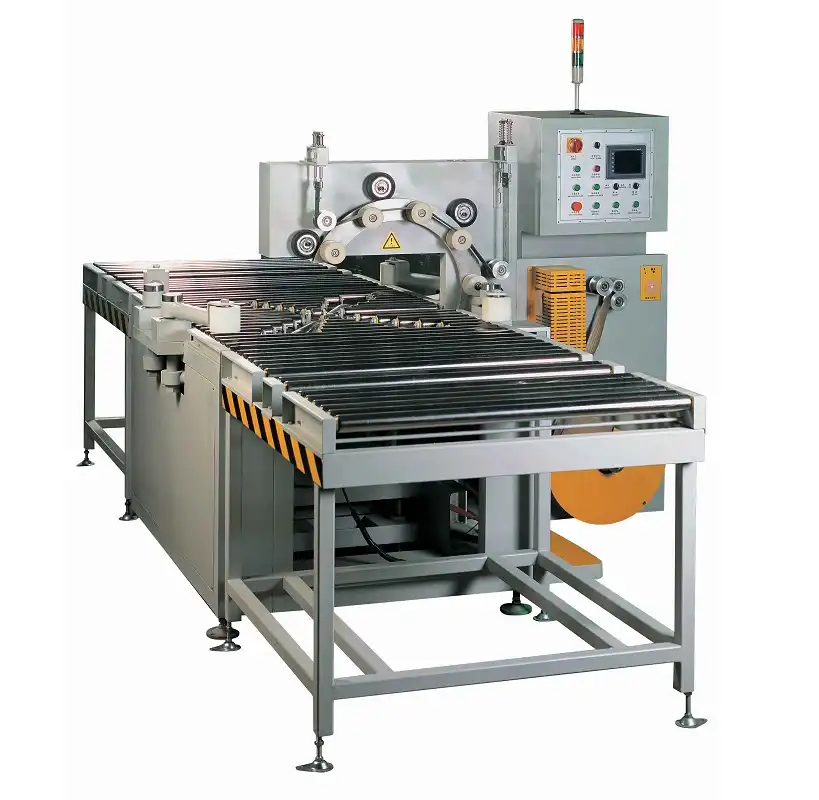
Many factory managers struggle with this decision daily. Having worked with countless metal processing plants across Mexico and Latin America, I’ve seen how the wrong strapping choice can lead to millions in damaged goods. Let me walk you through the key factors that will help you make the right decision for your operation.
1. What Are the Key Strength and Durability Differences?
Imagine loading a finished coil onto a truck, only to discover the straps snapped during transit. This nightmare scenario happens more often than you’d think when using inadequate strapping materials. The strength and durability of your strapping directly impact how well your coils survive the journey to customers.
Steel strap offers higher tensile strength but less flexibility, while PET strap provides excellent strength with superior impact resistance and recovery. Steel strap typically has tensile strength ranging from 1,300 to 1,500 N/mm², whereas high-quality PET strap reaches 500-800 Mpa. However, PET’s ability to absorb shock and return to its original shape gives it significant advantages in real-world shipping conditions.
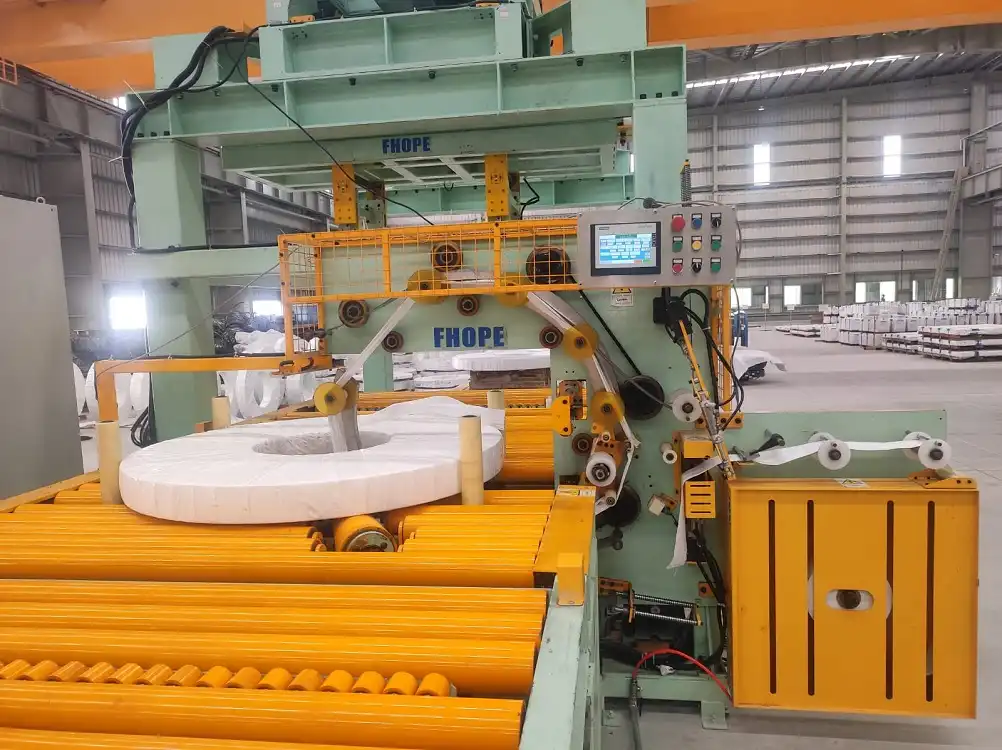
Breaking Down the Technical Specifications
Let’s examine the critical performance metrics that matter for coil protection:
| Property | Steel Strap | PET Strap |
|---|---|---|
| Tensile Strength | 1,300-1,500 N/mm² | 500-800 Mpa |
| Elongation at Break | 2-3% | 8-15% |
| Working Temperature | -30°C to +100°C | -40°C to +110°C |
| Impact Resistance | Low | High |
| Recovery After Stretch | None | Excellent |
Real-World Performance in Mexican Conditions
In my experience working with factories across Mexico’s varied climates—from humid coastal areas to dry industrial zones—PET strap consistently outperforms steel in several key areas:
- 🌡️ Temperature Stability: PET maintains consistent tension across temperature variations common during Mexican shipping routes
- 💧 Moisture Resistance: Unlike steel, PET won’t rust when exposed to humidity or accidental water contact
- 🔄 Fatigue Resistance: PET handles vibration and movement during truck transport without developing stress fractures
Cost vs. Performance Analysis
While steel strap appears cheaper per unit, the total cost picture changes when considering:
- 📉 Damage Rates: Plants using PET typically report 30-40% fewer coil edge damages
- 🚚 Shipping Claims: Reduced insurance claims for transit damage
- 👷 Labor Costs: Faster, safer application with PET automated systems
For most Mexican metal processors, PET strap delivers better value despite higher initial material cost. (coil strapping material comparison)
2. How Does Each Material Affect Coil Surface Protection?
The moment a strap touches your finished coil surface, the protection—or damage—begins. I’ve visited factories where beautiful coils arrived at customers with strap-induced scratches and indentations, leading to rejected shipments and strained client relationships.
PET strap significantly outperforms steel in surface protection due to its smooth, non-abrasive texture and ability to distribute pressure evenly across coil surfaces. The flexible nature of PET allows it to conform to coil shapes without creating pressure points, while steel’s rigid edges can dig into soft metal surfaces during transit vibrations.
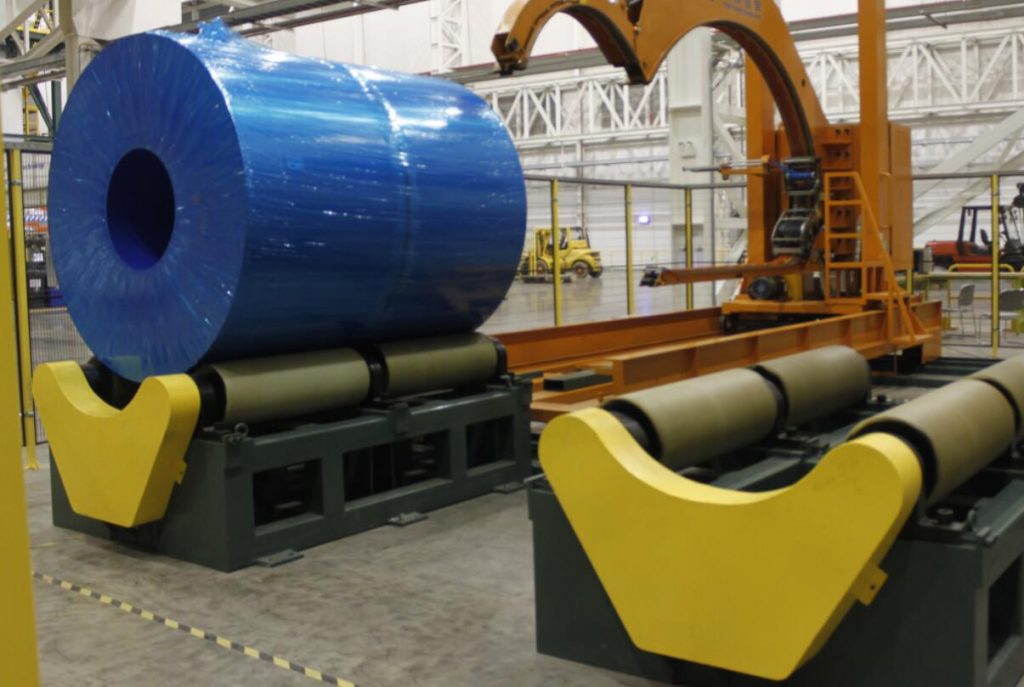
Pressure Distribution Mechanics
The science behind why PET protects better:
Steel Strap Pressure Pattern:
High Pressure → ■■■■■■■ [Concentrated at edges]
Low Pressure → ▢▢▢▢▢ [Minimal surface contact]

PET Strap Pressure Pattern:
Even Pressure → ▢▢▢▢▢ [Distributed across width]
Minimal Edge Stress → ○○○○○ [Rounded edges prevent cutting]
Surface Damage Prevention Strategies
Based on my work with Mexican steel and wire manufacturers, here are the most effective approaches:
- 🛡️ Edge Protection: PET’s wider contact area prevents edge deformation common with narrow steel straps
- 📏 Width Optimization: Recommended 25mm-32mm PET straps for standard coils vs. 19mm-25mm for steel
- 🔄 Tension Control: PET’s elasticity maintains consistent pressure during temperature changes and load shifts
Industry-Specific Applications
Different coil types require tailored protection approaches:
🔩 Steel Wire Coils
- High susceptibility to surface scratches
- PET strap preferred for premium finishes
- Steel strap acceptable for industrial-grade wire
🔗 Reinforcement Bar (Rebar)
- Less sensitive to surface marks
- Both materials suitable
- Cost often determines choice
📦 Aluminum and Copper Coils
- Always use PET strap
- Steel causes galvanic corrosion
- Surface preservation critical for value
The evidence from Mexican manufacturing plants clearly shows PET’s superiority in protecting valuable coil surfaces throughout the supply chain. (wire coil surface protection methods)
3. Which Offers Better Corrosion and Environmental Resistance?
Walking through a Mexican port warehouse, I noticed something telling—the steel-strapped coils showed rust stains at contact points, while PET-strapped coils remained pristine. In Mexico’s varied climates, from humid Veracruz to salty Coatzacoalcos, environmental resistance isn’t optional—it’s essential for product quality.
PET strap provides complete corrosion resistance and performs consistently across all environmental conditions, while steel strap requires protective coatings and still risks rust contamination. PET’s polymer composition makes it inherently immune to rust, moisture, and chemical exposure that commonly plague steel-strapped coils in transit and storage.

Corrosion Risk Assessment
The hidden costs of strap-induced corrosion:
| Risk Factor | Steel Strap Impact | PET Strap Performance |
|---|---|---|
| Coastal Humidity | High rust risk at contact points | Zero corrosion effect |
| Rain Exposure | Immediate rust formation | Water has no effect |
| Temperature Cycling | Condensation causes rust | No moisture absorption |
| Chemical Exposure | Accelerated corrosion | Chemical resistant |
Environmental Adaptation Capabilities
Mexico’s diverse industrial regions present unique challenges:
🏖️ Coastal Operations (e.g., Altamira, Lazaro Cardenas)
- Salt air accelerates steel corrosion 5x faster
- PET maintains integrity indefinitely
- No strap replacement needed for outdoor storage
🏭 Industrial Zones (e.g., Monterrey, Mexico City)
- Airborne pollutants attack steel surfaces
- PET resistant to industrial chemicals
- Consistent performance in polluted environments
🌄 Highland Regions (e.g., Puebla, Toluca)
- Temperature extremes from 0°C to 35°C
- PET maintains flexibility across range
- Steel becomes brittle in cold, expands in heat
Long-Term Storage Considerations
For Mexican manufacturers exporting to international markets:
- 🕒 Extended Storage: PET-strapped coils show no degradation after 12+ months outdoor storage
- 🚢 Marine Transport: Steel straps often arrive with surface rust after ocean voyages
- 📊 Quality Assurance: PET eliminates rust transfer to coil surfaces, maintaining product quality
The environmental advantages of PET strap become increasingly valuable as Mexican manufacturers expand their export markets and face longer supply chains. (corrosion resistant coil strapping)
4. What Are the Safety and Operational Efficiency Impacts?
The safety incident that changed my perspective forever happened at a Guadalajara wire plant—a worker suffered serious hand injuries while tensioning steel straps. Beyond the human cost, the plant faced weeks of production delays and regulatory scrutiny. Safety and efficiency must be central to your strapping decision.
PET strap systems significantly improve worker safety and operational efficiency through lighter materials, reduced recoil risk, and faster automated application. The combination of lower injury rates, faster packaging lines, and reduced equipment wear makes PET strapping the smarter choice for modern Mexican manufacturing facilities.
Safety Performance Comparison
Critical safety factors for Mexican operations:
| Safety Aspect | Steel Strap Risks | PET Strap Advantages |
|---|---|---|
| Worker Injury | High (cuts, snap-back) | Low (flexible, no sharp edges) |
| Handling Weight | Heavy (5-10kg coils) | Light (1-2kg coils) |
| Equipment Wear | High maintenance | Low maintenance |
| Noise Levels | Loud application | Quiet operation |
Operational Efficiency Metrics
Data from Mexican plants shows clear efficiency advantages:
- ⚡ Application Speed: PET automated systems achieve 20-30% faster cycle times
- 🔧 Maintenance Costs: PET equipment requires 40% less maintenance than steel systems
- 👥 Labor Requirements: PET automation reduces packaging staff by 2-3 workers per shift
- 📦 Throughput Increase: Plants report 15-25% higher daily output with PET systems
Implementation Considerations
For Mexican managers considering the transition:
🔄 Switching from Steel to PET
- Most modern packing machines handle both materials
- Retrofitting existing equipment often cost-effective
- Staff training takes 2-3 days for full proficiency
📊 ROI Calculation Factors
- Reduced workers compensation claims
- Lower equipment maintenance costs
- Increased production line speed
- Reduced product damage rates
🏭 Mexican Regulatory Compliance
- PET systems easier to align with NOM-030-STPS standards
- Reduced documentation for safety protocols
- Faster insurance certification processes
The operational benefits extend beyond mere cost savings to create safer, more efficient working environments that Mexican manufacturers need to compete globally. (coil packing machine safety features)
Conclusion
Choosing between steel and PET strap ultimately depends on your specific operation, but for most Mexican wire coil manufacturers, PET strap delivers superior protection, safety, and efficiency. The right steel coil packing line combined with appropriate strapping materials ensures your products reach customers in perfect condition while maximizing your operational productivity.


