Steel Strap vs PET Strap for Steel Coil Packing Machines — Which Is Better for Coil Protection?
Are you a factory manager in Mexico, overseeing the crucial final steps of steel coil production? Do you feel the pressure of boosting output, cutting costs, and keeping your team safe? I know this feeling well. I’ve spent my entire career in the packing machine industry, seeing firsthand the challenges you face, especially when it comes to securing valuable steel coils for transit. The choice of strapping material is not just a detail; it directly impacts your product’s integrity, your operational efficiency, and your bottom line. Ignoring this decision can lead to damaged goods, worker injuries, and unnecessary expenses.
For most heavy-duty steel coil packing machines, steel strap often remains the go-to for its unparalleled strength and rigidity, providing robust protection against shifting and damage during transport; however, PET strap is rapidly gaining traction as a safer, more cost-effective alternative for certain applications, offering excellent elasticity and rust resistance that can improve overall product integrity and worker safety, especially for lighter or less abrasive coils.

Making the right choice between steel and PET strap is a strategic decision for your factory. It goes beyond just material cost; it involves understanding performance under stress, worker safety, long-term savings, and ultimately, customer satisfaction. Let’s dive deeper into the core differences and applications of these two popular strapping materials, helping you make an informed choice for your specific steel coil packaging needs.
1. Steel Strap vs. PET Strap: What Core Differences Impact Steel Coil Packaging?
Have you ever wondered what truly sets steel strap apart from PET strap? As a factory manager, you know that the materials you use for packing your steel coils are critical. The wrong choice can lead to significant problems, from damaged products to safety hazards on the production floor. It’s not just about strength; it’s about understanding the entire lifecycle and characteristics of each material.
The fundamental differences between steel strap and PET strap lie in their material composition, mechanical properties, and environmental resilience, with steel offering superior tensile strength and rigidity for heavy loads, while PET provides excellent elasticity, rust resistance, and safer handling characteristics, making it crucial to understand these distinctions when packaging heavy steel coils for transport and storage.
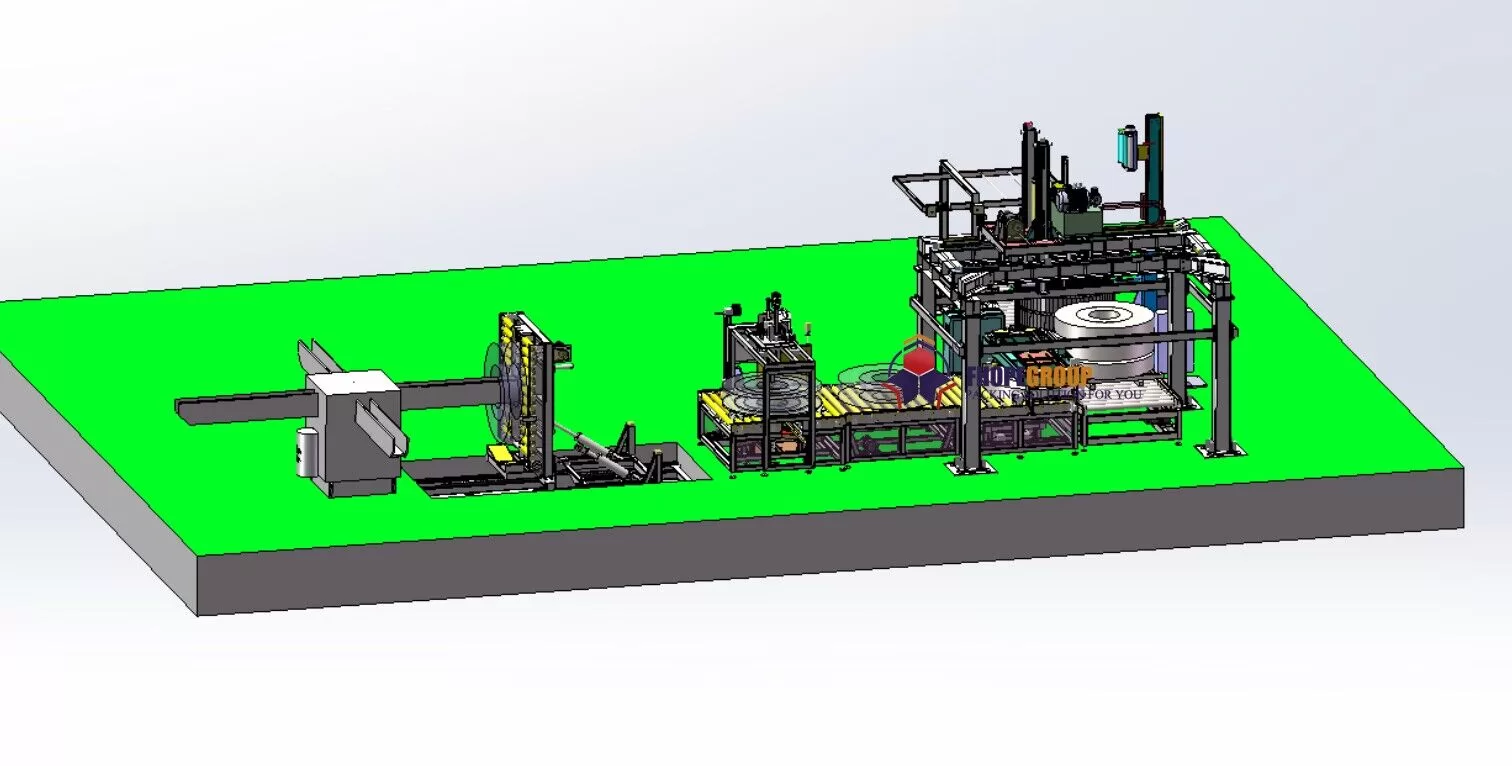
From my experience designing and operating packing lines, I’ve seen how these basic material properties translate into real-world performance. Steel, a metal, offers a very different set of characteristics compared to PET, which is a type of plastic. These differences are not minor; they dictate how well your coils are secured, how safely your team operates, and how much you spend over time. Let’s break down these core distinctions so you can clearly see their implications for your steel coil packaging operations.
Key Material Property Comparison: Steel vs. PET Strap
Understanding the intrinsic properties of each strapping material is the first step to making an informed decision. I’ve put together a table that highlights the most critical differences you need to consider. This will help you visualize how each material behaves under various conditions, especially for demanding applications like steel coil packaging.
| Feature | Steel Strap (High Tensile) | PET Strap (Polyester) | Implications for Steel Coil Packing |
|---|---|---|---|
| Material Composition | High carbon steel | Polyester (Plastic) | Steel is rigid, PET is flexible. |
| Tensile Strength | Very High (e.g., 1,500 lbs to 5,000 lbs+) | High (e.g., 700 lbs to 2,000 lbs+) | Steel handles extreme weight; PET is strong but less rigid. |
| Elongation (Stretch) | Very Low (1-2%) | Moderate (5-15%) | PET absorbs shock better; steel maintains tighter tension. |
| Rust/Corrosion | Susceptible to rust (especially uncoated) | Resistant to rust and most chemicals | PET is better for humid or outdoor storage, prevents coil staining. |
| UV Resistance | Not directly affected (but can rust) | Good (some degradation over time) | Both perform well, but PET maintains integrity longer outdoors. |
| Impact Absorption | Low (can snap under sudden severe shock) | High (stretches and recovers) | PET is better for dynamic loads during transit. |
| Edge Protection | Can cut into product if not properly protected | Softer, less likely to mar product surface | PET reduces the need for edge protectors, saving cost and labor. |
| Handling Safety | Sharp edges, recoil hazard | Smooth edges, safer to handle, less recoil | PET significantly reduces worker injury risk from strapping. |
| Cost (per foot) | Generally higher | Generally lower | PET can offer lower material costs and reduce labor for application. |
| Weight | Heavy | Lighter | PET is easier for workers to handle, less freight cost for the strap itself. |
| Environmental Impact | Recyclable, but energy-intensive to produce | Recyclable, made from recycled materials | PET often has a better sustainability profile. |
- Understanding Tensile Strength vs. Elongation: For heavy steel coils, you might think sheer tensile strength is the only factor. While crucial, elongation is also vital. Steel strap’s low elongation means it holds coils tightly without much give. This is perfect for maintaining a rigid bundle. However, PET’s higher elongation allows it to stretch and absorb shocks during shipping, then return to its original tension. This can prevent strap breakage when coils shift or expand/contract due to temperature changes, which is a common issue in Mexico’s varied climate. 🌍
- Corrosion Resistance: This is a big one for steel coils. Steel strap, especially if uncoated, can rust, potentially staining the surface of your valuable coils. PET strap, being plastic, is completely rust-proof. This benefit alone can prevent product damage and customer complaints, especially for high-grade finished steel or coils stored in humid environments. 🌧️
- Safety on the Floor: Michael, you mentioned safety is a huge concern. This is where PET strap truly shines. Steel strap, when cut, can recoil violently and has sharp edges that pose a significant injury risk. PET strap is much safer to handle, reducing the likelihood of cuts and eye injuries. This means fewer worker compensation claims and a more productive, safer working environment for your team. 👷
- Edge Protection Needs: When using steel strap, you often need to place edge protectors under the strap to prevent it from biting into the coil edges. This adds material cost and labor time. PET strap, being softer and more flexible, is far less likely to damage coil edges, often reducing or eliminating the need for separate edge protectors. This contributes to both cost savings and improved packaging efficiency (strapping materials comparison).
2. When is Steel Strap the Undisputed Champion for Heavy-Duty Steel Coil Protection?
Are you dealing with massive, heavy-duty steel coils that demand uncompromising security? As someone who has built and operated packing machine factories, I understand that sometimes, only the strongest solution will do. The thought of a several-ton coil shifting or breaking free during transit is a nightmare for any factory manager. In these scenarios, the choice of strapping material is about more than just cost; it’s about absolute reliability and maximum security.
Steel strap remains the undisputed champion for heavy-duty steel coil protection when the coils are exceptionally heavy, prone to extreme shifting, or require maximum compression to maintain their structural integrity during long-distance or rigorous transportation; its unmatched tensile strength and minimal elongation provide a rigid, unyielding hold that other materials simply cannot replicate, ensuring the highest level of security for the most demanding applications in environments like Mexico’s robust industrial sector.

My journey in the packing machine industry has taught me that there’s a time and a place for every solution. While innovation brings new alternatives, the proven performance of steel strap for specific, challenging applications cannot be overlooked. For certain types of steel coils and shipping conditions, steel strap is not just an option; it’s a necessity. Let’s explore the scenarios where its unique properties make it the only logical choice, even with its inherent challenges.
Scenarios Where Steel Strap Excels for Coil Security
When the stakes are high and the coils are heavy, steel strap delivers. Its characteristics are particularly suited for specific operational demands. Here are the key situations where I’ve consistently seen steel strap outperform other options:
- Extremely Heavy Coils (Over 5 tons): 🏋️♀️ For very large and heavy coils, the sheer weight and inertia demand strapping with maximum breaking strength. Steel strap’s high tensile strength ensures the bundle remains secure, preventing any shifting that could lead to damage or accidents.
- Example: Hot-rolled coils destined for construction, or very large cold-rolled coils used in automotive stamping.
- High Compression Requirements: 꽉 For certain finished steel products, maintaining a tight, compressed bundle is crucial to prevent telescoping or internal movement that could mar the product’s surface. Steel strap’s minimal elongation provides this rigid, unyielding compression, ensuring the coils stay tightly bound.
- Example: Slit coils where internal movement could cause scratching or damage to inner wraps.
- Abrasive or Sharp-Edged Coils: ⚙️ Some steel products have sharp edges or abrasive surfaces that could easily cut through plastic straps. Steel strap, being metal itself, is far more resistant to abrasion and cutting, making it ideal for securing these challenging loads without fear of breakage.
- Example: Coils with rough or unfinished edges, or those made from particularly hard alloys.
- Extreme Temperatures: 🔥 For coils transported or stored in environments with significant temperature fluctuations, steel strap maintains its integrity better than plastic, which can become brittle in extreme cold or soften in extreme heat, affecting tension.
- Example: Long-haul shipping across diverse climates, or storage in unconditioned warehouses.
- Long-Term Storage and Shipping: 🚢 When coils need to be stored for extended periods or undergo long-distance international shipping, the reliability of steel strap often offers peace of mind. Its ability to withstand sustained tension and resist environmental factors (though susceptible to rust) makes it a durable choice for prolonged containment.
- Example: Coils shipped from Mexico to overseas markets, enduring weeks of transit.
While steel strap offers superior strength, it’s important to acknowledge its downsides. Manual application of steel strap can be slow and labor-intensive, increasing overall packaging costs. The sharp edges and strong recoil also present significant safety risks, leading to potential injuries for your team. This is a challenge Michael, as a factory manager, has rightly highlighted. However, with modern automatic steel coil strapping machines, these safety and efficiency concerns are greatly mitigated, ensuring that you can leverage steel strap’s strengths without sacrificing operational safety or speed. The key is investing in the right equipment that matches the strapping material’s capabilities (heavy duty strapping solutions).
3. Can PET Strap Really Provide Superior Safety and Cost-Efficiency for Steel Coil Packaging?
As a factory manager like Michael Chen, you’re constantly seeking ways to improve safety and cut costs without compromising product quality. When I started FHOPEPACK, it was exactly this kind of challenge that drove me. The idea that a plastic strap could be a viable alternative to steel for heavy steel coils often raises eyebrows. You might be wondering, "Can PET strap truly deliver on safety and cost-efficiency while still protecting my valuable products?"
Yes, PET strap can indeed provide superior safety and significant cost-efficiency for many steel coil packaging applications, particularly due to its inherent flexibility, rust resistance, and lower risk of injury during handling; this makes it an increasingly attractive option for modern factories in Mexico seeking to reduce labor costs, minimize product damage, and enhance worker well-being while maintaining sufficient load securement for their coil products.

My experience in the packing machine industry has shown me that innovation often provides solutions to long-standing problems. PET strap has evolved dramatically, offering capabilities that challenge the traditional dominance of steel strap. It’s not just about being "good enough"; it’s about offering distinct advantages that directly address the pain points of factory operations, from improving workplace safety to reducing operational expenses. Let’s delve into how PET strap achieves these benefits.
The Clear Advantages of PET Strap for Modern Coil Packaging
PET strap offers compelling benefits that directly align with the goals of improving efficiency, safety, and profitability in a metal processing factory.
- Enhanced Worker Safety 👷
- Reduced Injury Risk: Unlike steel strap, PET strap has smooth edges and significantly less recoil energy when cut. This dramatically lowers the risk of cuts, abrasions, and eye injuries to your operators. Fewer injuries mean a safer workplace, reduced insurance costs, and less downtime due to worker incidents.
- Lighter and Easier to Handle: PET strap coils are lighter than steel, making them easier for your team to load onto strapping machines and handle manually when needed. This reduces physical strain and fatigue.
- Significant Cost-Efficiency 💰
- Lower Material Cost: Per foot, PET strap is generally more affordable than steel strap. This direct saving adds up quickly, especially for high-volume operations.
- Reduced Damage to Coils: PET strap is softer and more flexible, making it far less likely to mar or scratch the surface of your steel coils, especially the edges. This reduces product damage and customer complaints, saving you money on returns and rework.
- Eliminates Rust Stains: As a plastic, PET strap will never rust. This means no more ugly rust stains on your valuable finished steel coils, preventing quality issues and potential profit loss, especially for products sensitive to aesthetics.
- Less Need for Edge Protectors: Due to its flexibility and non-abrasive nature, PET strap often eliminates the need for plastic or cardboard edge protectors, saving both material costs and the labor required to apply them.
- Excellent Performance and Resilience ✨
- Superior Shock Absorption: PET strap has higher elongation (stretch) than steel. This allows it to absorb impacts during transit without breaking, maintaining its tension even when coils shift or settle. It acts like a "shock absorber" for your bundles.
- Maintains Tension: After stretching, PET strap has excellent "memory," meaning it recovers and maintains its tension more effectively than steel strap, which can loosen over time. This ensures your coils remain tightly secured throughout their journey.
- Weather Resistant: PET strap is impervious to moisture and resistant to UV radiation (though long-term exposure can cause some degradation). This makes it ideal for coils stored outdoors or shipped through various weather conditions, without worrying about degradation or rusting.
From my perspective, seeing factories like Michael’s grow, investing in PET strap can be a clear path to achieving multiple operational goals. It directly tackles the challenges of safety and efficiency, offering a high return on investment (ROI) that goes beyond just the price per roll. It’s a strategic move towards modernizing your steel coil packaging process (PET strapping benefits).
4. How Can You Choose the Best Strapping Material for Your Steel Coil Packaging Line in Mexico?
As a factory manager, your decisions directly impact productivity, safety, and profitability. Choosing the right strapping material for your steel coil packaging line in Mexico isn’t just a technical task; it’s a strategic one. I’ve spent years in this industry, helping clients optimize their operations, and I understand the pressure you’re under. You need a solution that genuinely solves your production bottlenecks and safety concerns, not just another machine.
To choose the best strapping material for your steel coil packaging line in Mexico, you must conduct a thorough assessment of your specific coil characteristics (weight, dimensions, surface finish), transportation conditions (distance, environment), and operational priorities (safety, cost, automation level); a clear understanding of these factors will help you weigh the advantages of steel versus PET strap, ensuring your investment delivers maximum return and addresses critical challenges like efficiency and worker well-being.
My commitment through FHOPEPACK is to share knowledge that empowers you to make these crucial decisions. I’ve helped many factory owners, like Michael, navigate these choices, always focusing on practical solutions that yield tangible results. It’s about looking beyond the immediate cost and considering the long-term impact on your entire operation. Let’s break down the key steps and considerations for making this vital decision.
Strategic Framework for Strapping Material Selection
Making the right choice requires a systematic approach. Here’s a framework I often guide my clients through, tailored to the challenges faced by factory managers in the heavy manufacturing sector:
-
Analyze Your Coil Characteristics and Packaging Requirements:
- Coil Weight and Dimensions:
- 💡 Heavy Coils (>5 tons) or extremely large diameters: Steel strap is often preferred for its rigid strength and resistance to extreme tension.
- 💡 Medium to lighter coils (<5 tons): PET strap can provide sufficient strength with added safety and cost benefits.
- Surface Finish:
- 💡 Sensitive surfaces (e.g., galvanized, painted, polished): PET strap is less likely to mar or scratch the product, reducing the need for extensive edge protection.
- 💡 Rough or unfinished surfaces: Both can work, but steel might be chosen if maximum abrasion resistance is needed.
- Coil Type:
- 💡 Hot-rolled vs. Cold-rolled, Slit Coils: Each type might have specific needs regarding edge protection and tension retention. Slit coils, for instance, benefit from consistent tension to prevent telescoping.
- Bundle Integrity: Do your coils need to be held in a very tight, unyielding bundle, or can there be some flexibility? Steel provides maximum rigidity; PET offers more dynamic flexibility.
- Coil Weight and Dimensions:
-
Evaluate Transportation and Storage Conditions:
- Distance and Rigor of Transit:
- 🛣️ Long-haul, rough terrain, or sea freight: Steel strap’s rigidity might be favored for preventing large shifts. However, PET’s shock absorption is also a strong contender for dynamic loads.
- 🛣️ Local or relatively smooth transit: Both are viable, with PET offering more safety and cost benefits.
- Environmental Factors (Humidity, Temperature):
- ☔ Humid environments or outdoor storage: PET strap’s rust resistance is a significant advantage, preventing coil staining. Steel strap requires coating or careful consideration of rust prevention.
- 🌡️ Extreme temperature fluctuations: Consider how each material performs under these conditions.
- Distance and Rigor of Transit:
-
Assess Your Operational Priorities and Constraints (Michael’s Challenges):
- Worker Safety:
- 👷 High priority for reducing injuries: PET strap dramatically lowers the risk of cuts and recoil accidents, addressing your concerns about worker safety and insurance costs.
- 👷 Automated lines already minimize manual handling: Steel strap can be managed safely with advanced automated systems.
- Cost-Efficiency and ROI:
- 💰 Focus on reducing material and labor costs: PET often offers lower material costs per foot and reduces the need for edge protectors. Consider the total cost of ownership, including injury prevention.
- 💰 Existing investment in steel strapping equipment: If you have modern automatic steel strapping machines, the switch to PET might require new equipment investment. Calculate the ROI for either upgrading steel equipment or investing in PET systems.
- Automation Goals:
- 🤖 Seeking to increase automation: Both steel and PET straps work with automated strapping machines, which dramatically boost efficiency and reduce manual labor, directly tackling your efficiency bottlenecks.
- 🤖 Current manual processes: Switching to automated PET strapping can be a lower barrier to entry for automation due to easier handling.
- Supplier Trust:
- 🤝 Need for a reliable, expert partner: Work with suppliers who understand your challenges and can offer tailored solutions, not just sell equipment. This is where my experience and FHOPEPACK’s mission come into play – to provide deep industry insights.
- Worker Safety:
My Recommendation for Michael Chen in Mexico:
Given Michael’s emphasis on safety, cost reduction, product loss prevention, and finding expert guidance, I would strongly recommend a detailed evaluation of PET strapping for his medium to large metal processing factory. While steel strap has its place for the most extreme loads, modern PET strapping, combined with automated strapping machines, offers a compelling package. It directly addresses the "efficiency bottleneck" through automation, the "safety hazards" by minimizing manual handling of dangerous materials, and "product loss" through less marring and no rust. Furthermore, the ROI on a PET strapping solution, considering material cost savings, reduced labor, and fewer injury claims, is often very attractive. I would suggest a pilot program or a detailed consultation to analyze specific coil types and throughput to provide a precise recommendation (steel coil packaging solutions Mexico).
5. My Personal Insights on Optimizing Your Coil Packing Strategy.
As someone who built a packing machine factory from the ground up and helped many clients achieve financial independence, I’ve learned that optimizing your coil packing strategy is about more than just buying a machine. It’s about foresight, understanding the nuances of your product, and prioritizing your team’s well-being. I’ve seen countless factories in the coil packing, steel wire packing industry, and I know the difference a thoughtful approach can make.
My personal insight for optimizing your coil packing strategy is to always start with a holistic view, balancing the critical needs for product protection with operational efficiency, worker safety, and long-term cost-effectiveness, recognizing that while steel strap offers ultimate rigidity for the heaviest loads, PET strap increasingly provides a safer, more economical, and environmentally friendly alternative for a broad range of steel coil applications, especially when integrated into an automated system.
From my early days as an employee to founding FHOPEPACK, I’ve always focused on practical solutions. My mission now is to share this expertise, ensuring that you, as a factory manager, are equipped to make the best decisions for your business.
Randal’s Recommendations for Your Packing Line:
- Prioritize an ROI-Driven Approach: Don’t just look at the initial cost of the strap or the machine. Calculate the total cost of ownership. Consider material cost savings, reduced labor from automation, fewer product damage claims, and the significant savings from preventing worker injuries. A clear ROI will be your strongest argument for any investment.
- Embrace Automation: Whether you choose steel or PET, investing in automated strapping machines is a game-changer. Michael, your challenge with manual processes and efficiency bottlenecks is exactly what automation solves. It reduces labor, increases speed, ensures consistent strap tension, and drastically improves safety by removing workers from dangerous tasks.
- Conduct Real-World Testing: Before making a full switch, run trials. Test both steel and PET strap on your actual coils, under your specific transportation conditions. Monitor performance, product integrity, and gather feedback from your team. Seeing is believing.
- Seek Expert Consultation: The packaging world is complex. Don’t go it alone. Partner with experts who have deep industry knowledge, like what FHOPEPACK aims to provide. We understand the nuances of coil packing and can offer tailored solutions that address your specific challenges, helping you avoid costly mistakes and unlock true potential.
- Focus on Sustainability: PET strap, especially when made from recycled content and recyclable itself, often presents a more environmentally conscious choice. This can also be a positive factor for your brand image and align with global sustainability goals.
Conclusion
Choosing between steel and PET strap for your steel coil packing machines boils down to balancing strength, safety, and cost. While steel remains ideal for the heaviest loads, PET offers compelling advantages in safety, cost-efficiency, and product protection for many applications. Optimize your operations with the right choice and automate for maximum impact. Explore our advanced steel coil packing line solutions for your factory.


