Steel Coil Packing System vs Traditional Strapping — Who Wins in Speed?
The world of heavy manufacturing, especially in steel, demands speed, precision, and safety. I have seen countless factories struggle with outdated packing methods. The frustration of production bottlenecks, rising labor costs, and constant safety concerns is a common story. If your steel coil and wire packaging lines are not keeping up, you are not alone in feeling this pressure.
When it comes to speed, a modern, automated steel coil packing system consistently outperforms traditional strapping methods by a significant margin. Automated systems can process coils much faster, reduce manual handling time, and maintain a consistent output rate that manual processes simply cannot match, leading to higher overall production efficiency.
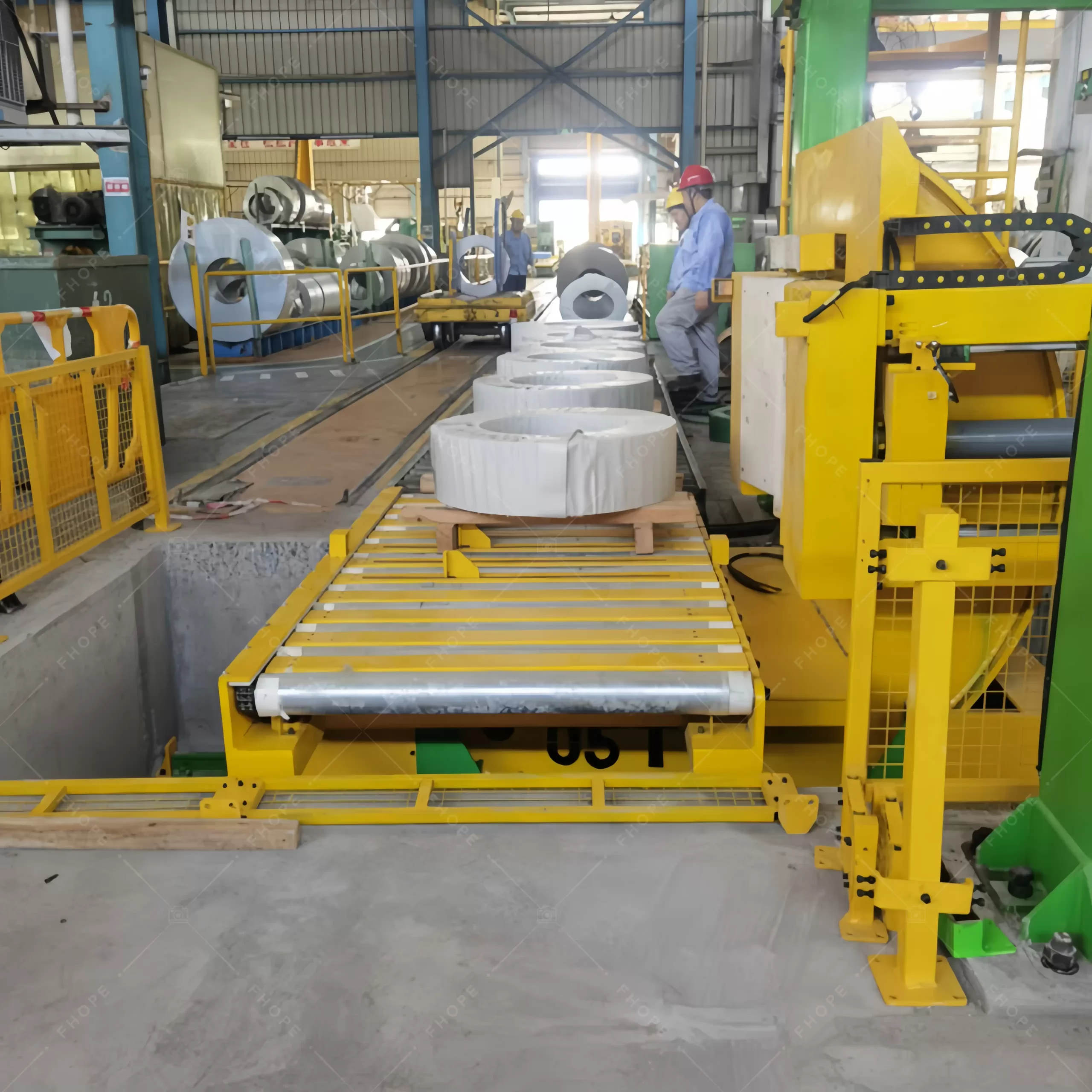
Understanding this difference is crucial for any factory manager aiming to optimize operations. Let us dive deeper into why this speed advantage exists and what it means for your business.
1. How Does an Automated Steel Coil Packing System Speed Up Production?
Are you tired of watching your production line slow down at the final packing stage? Many managers, like Michael Chen in Mexico, face this exact problem. Manual packing often becomes the biggest bottleneck, stopping finished coils from moving out the door quickly.
An automated steel coil packing system dramatically speeds up production by performing multiple packing tasks simultaneously and continuously, without human intervention. This includes automatic wrapping, strapping, and handling, all integrated into a high-speed, synchronized process, eliminating delays caused by manual labor and improving overall throughput.
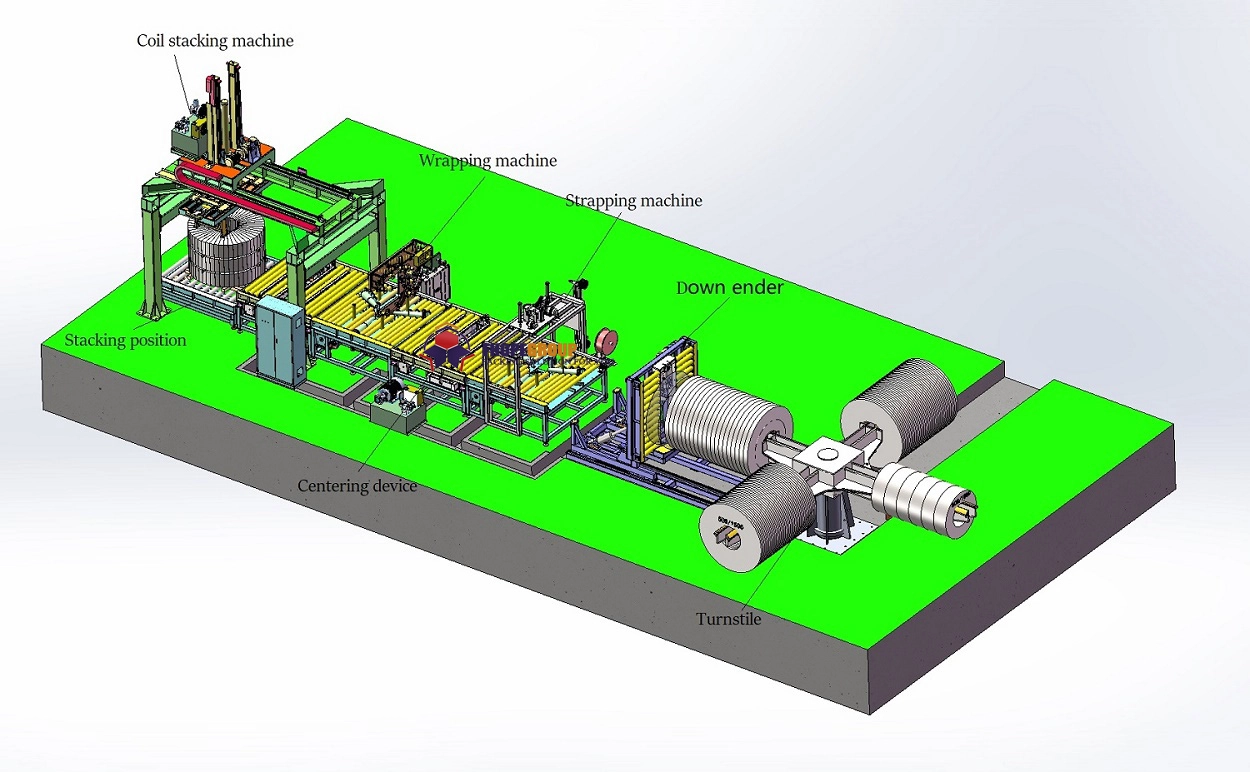
From my experience designing and building packing machine factories, I have seen firsthand how automation transforms the shop floor. It is not just about one machine working faster; it is about the entire process becoming smarter and more efficient. For example, a fully integrated steel coil packing line can take a finished coil, weigh it, wrap it with stretch film, apply protective outer layers, and strap it, all in a fraction of the time it would take a team of workers. This level of synchronization reduces idle time between steps, making the whole operation flow smoothly. The system works tirelessly, maintaining a consistent pace that human operators cannot sustain over long shifts. This consistent speed means predictable output, which is vital for meeting tight delivery schedules and increasing customer satisfaction. You can set a target and trust the machine to hit it, day in and day out (automated coil packaging efficiency, high-speed coil wrapping solutions).
The Mechanics of Automated Speed
Automated systems achieve their speed through several key mechanical and control features.
- Integrated Handling: Coils move seamlessly from one station to the next using conveyors, turnstiles, and robotic arms. This eliminates the need for forklifts or overhead cranes for internal transport during packing, which can be slow and dangerous.
- Conveyor Systems: Automated belts and rollers move coils quickly and safely.
- Turnstiles: Rapidly orient coils for different packing stages.
- Robotic Loaders: Pick and place coils with high precision and speed.
- Simultaneous Operations: Unlike manual methods where tasks are often sequential, automated machines can perform multiple operations at once.
- Stretch Wrapping: High-speed orbital wrappers apply film in seconds.
- Strapping: Multiple strapping heads can apply steel or plastic straps quickly.
- Labeling: Automated applicators place labels precisely without stopping the line.
- Pre-programmed Sequences: Each step is programmed for optimal timing and efficiency. This removes human error and decision-making delays. The machine knows exactly what to do next and executes it instantly.
- Consistent Speed: Machines operate at a constant pace, preventing slowdowns.
- Reduced Rework: Fewer errors mean less time spent correcting mistakes.
- Advanced Control Systems: Modern packing systems use PLC (Programmable Logic Controller) or HMI (Human Machine Interface) to manage the entire process. This allows for quick adjustments, troubleshooting, and real-time performance monitoring.
- 📊 Performance Data: Track coils packed per hour, material usage, and downtime.
- ⚙️ Diagnostic Tools: Quickly identify and resolve issues, minimizing downtime.
- 🌐 Remote Access: Allow for off-site monitoring and support, ensuring continuous operation.
This multi-faceted approach to automation means that a steel coil packing system is not just faster; it is also more reliable and predictable. It creates a steady flow of packed products, directly addressing the efficiency bottlenecks that manual processes often create (coil packaging automation speed, factory throughput optimization).
2. What Are the Real-World Speed Limitations of Traditional Strapping Methods?
Have you ever watched your factory’s valuable labor force manually struggling with heavy steel coils? It is a common sight in many older factories. The sheer physical effort, the time taken for each step, and the constant risk of injury are clear signs of inefficiency. This slow process often puts a drag on your entire production schedule.
Traditional strapping methods, heavily relying on manual labor, are inherently slower due to the physical limitations of workers, the time-consuming nature of each manual task, and the need for frequent pauses. The process involves manually positioning coils, threading straps, tensioning, and sealing, all of which are much slower and less consistent than automated systems, creating significant bottlenecks in production flow.
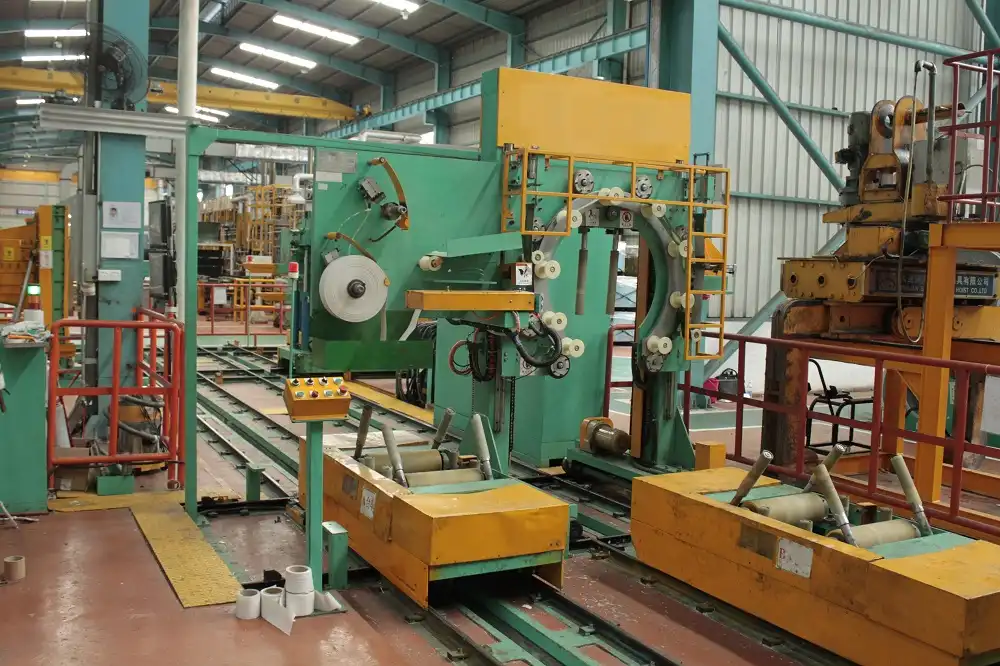
When I first started in the packing machine industry, I saw how much effort went into these manual tasks. Workers would use handheld tools to apply straps, struggling with the weight and tension. Each coil required multiple steps: positioning, wrapping, sealing, and then moving to the next. This sequence meant that only one coil could be processed at a time. The speed depended entirely on the worker’s strength and focus, which naturally varies throughout a shift. Fatigue sets in, leading to slower work and a higher chance of errors. Moreover, manually moving heavy coils between different packing stations or for re-work due to poor strapping takes even more time. For Michael Chen, who emphasizes durability and efficiency, these limitations are a direct drain on his factory’s potential profit and an ongoing source of operational headaches (manual coil strapping challenges, traditional packing slowdowns).
Dissecting Manual Process Delays
Let us look at specific areas where traditional strapping falls short in terms of speed.
- Human Factor Limitations:
- Physical Exertion: Lifting, bending, and applying tension to heavy straps is physically demanding. Workers need breaks, and their speed naturally declines over time. ⏱️
- Fatigue & Focus: Extended periods of repetitive, strenuous work lead to decreased attention and slower movements. This increases the risk of mistakes and slows down the process. 😴
- Training & Skill: Each worker needs specific training for proper strapping techniques. Inconsistent training or turnover can lead to varied speeds and quality. 🧑🏭
- Sequential Task Execution:
- One Step at a Time: Manual packing usually involves completing one task before starting the next. For instance, wrapping a protective material, then applying one strap, then another. This serial process is inherently slower than parallel automated operations.
- Waiting Times: Coils often wait for a worker to finish the current task before they can begin processing the next. This idle time accumulates across shifts.
- Equipment & Tool Dependence:
- Hand Tools: Manual strapping tools, while portable, are slower and require more effort than automated strapping heads. Loading new strap coils, tensioning, and sealing takes precious minutes for each strap.
- Limited Capacity: Handheld tools can only apply one strap at a time, whereas automated systems can apply multiple straps simultaneously.
- Safety Protocols & Interruptions:
- Safety Checks: Manual handling of heavy coils requires strict safety protocols, which can involve pauses for crane operation, sling adjustments, and clear communication. These pauses, though necessary, add to the overall packing time. 🚨
- Injury Risk: A higher risk of worker injury in manual processes can lead to unexpected stoppages, investigations, and lost production time.
- Material Handling Delays: Manually moving coils with forklifts or overhead cranes takes time, especially when navigating a busy factory floor (manual coil packaging inefficiency, human-powered strapping time).
Comparing these points makes it clear why traditional strapping simply cannot keep pace with the demands of modern, high-volume production. The cumulative effect of these limitations creates a bottleneck that stifles overall factory output.
3. Beyond Speed: How Does Automation Improve Safety and Reduce Damage in Coil Packing?
For factory managers like Michael, speed is vital, but it is not the only concern. The safety of his team and the quality of his products are equally important. Manual handling of heavy steel coils poses huge risks, and product damage during packing eats into profits. Are you dealing with high insurance costs or frequent customer complaints about damaged goods?
Beyond just speed, automated steel coil packing systems significantly enhance workplace safety by eliminating the need for manual heavy lifting and hazardous handling, thereby reducing worker injury risks. They also drastically minimize product damage during packing and transit through consistent, gentle handling and precise material application, leading to fewer customer complaints and improved product integrity.
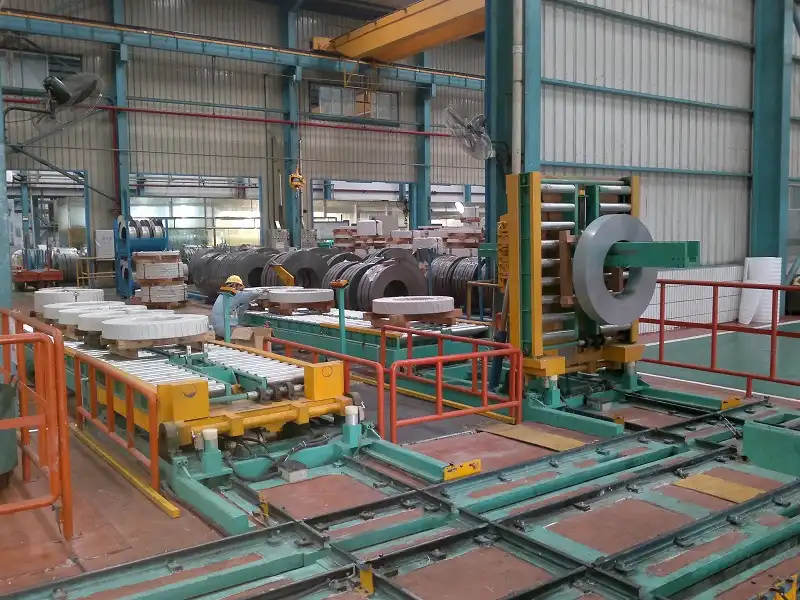
During my journey from an employee to a factory owner in the packing machine industry, I witnessed many accidents caused by manual handling of heavy items. A single injury can devastate a family and cost a company dearly, not just in medical bills but in lost productivity and morale. Automated systems remove people from the immediate danger zone. Coils are moved by conveyors and robots, not by human hands. This means fewer sprains, crushed limbs, and back injuries. Furthermore, automated systems apply packing materials with consistent tension and placement. This protects coil edges and surfaces much better than variable manual methods, where one loose strap or uneven wrap can lead to scuffs or dents during shipping. For someone like Michael, reducing these incidents means lower insurance premiums and happier customers who receive their products in perfect condition (automated packing safety benefits, coil damage prevention).
Safety First: Protecting Your Workforce
Automated systems fundamentally change the safety landscape of a packing area.
- Elimination of Manual Handling Risks:
- Reduced Lifting: Workers are no longer required to manually lift or shift heavy coils, eliminating strain injuries and crushed limb risks. 👷♀️➡️🤖
- Automated Movement: Conveyors and robots handle all material transport, keeping workers away from moving heavy loads.
- Less Exposure to Moving Parts: Machines are typically enclosed or have safety interlocks, preventing accidental contact with moving components during operation.
- Consistent Operation, Predictable Environment:
- Reduced Human Error: Many workplace accidents happen due to fatigue or human error. Automation removes this variable.
- Standardized Procedures: Machines follow the exact same steps every time, making the work environment more predictable and safer.
- Emergency Stops: Modern systems come with multiple emergency stop buttons and safety sensors that immediately halt operations if an issue arises. 🛑
Damage Reduction: Protecting Your Product and Profit
Product damage is a silent killer of profits and customer trust. Automated systems tackle this head-on.
- Precise Material Application:
- Consistent Tension: Automated wrappers apply film and strapping with uniform tension, ensuring a tight, protective package without being too loose (allowing movement and damage) or too tight (damaging the coil itself).
- Accurate Placement: Straps and protective layers are placed in the exact same spot on every coil, ensuring maximum protection for vulnerable areas like edges.
- Controlled Force: Machines apply consistent, controlled force during wrapping and strapping, preventing deformation or surface damage to the coil.
- Gentle Handling Mechanisms:
- Smooth Transitions: Conveyors and transfer systems are designed to move coils smoothly, without sudden jolts or drops that can cause dents or scuffs.
- Customized Gripping: Robotic grippers or clamping systems are often customized to the coil’s shape, ensuring a secure yet gentle hold.
- Reduced Contamination:
- Clean Environment: Automated packing areas are often cleaner as human interaction is minimized, reducing the chance of dirt or foreign objects getting into the packaging.
- Consistent Packaging Quality: The uniform application of packaging materials ensures better protection against dust, moisture, and other environmental factors during storage and transit. 🌧️
- Less Rework and Rejection:
- Fewer Damages: Less product damage means fewer rejects from quality control and fewer returns from customers, saving time and money.
- Improved Brand Reputation: Delivering undamaged products consistently builds customer trust and strengthens your brand in the market (industrial packing safety, automated coil protection).
By addressing both safety and product integrity, automated coil packing systems offer a comprehensive solution that goes far beyond just increasing speed. They build a more robust, reliable, and respected manufacturing operation.
4. Is the Investment in a High-Speed Coil Packing System Worth It?
Investing in new machinery is a big decision for any factory manager. You need to be sure it will pay off. Michael Chen, for example, looks for solutions with clear return on investment (ROI). He is not just buying a machine; he is looking for a partner and a solution that drives business growth. Is spending money on an automated coil packing system truly worth it in the long run?
Yes, the investment in a high-speed coil packing system is almost always worth it for medium to large-scale operations due to significant long-term savings and benefits. The return on investment (ROI) comes from drastically reduced labor costs, minimized product damage, improved safety, increased production throughput, and enhanced customer satisfaction, making it a strategic asset for sustainable growth.
When I established my own packing machine factory, every investment was carefully considered. I learned that upfront costs, while important, are only one part of the equation. The true value lies in how a machine contributes to the bottom line over its lifespan. For a system like a fully automated coil packing line, the benefits compound quickly. You save money on fewer workers needed for packing, lower insurance premiums from fewer accidents, and less wasted product from damage. Plus, faster packing means you can produce more, meet higher demand, and take on bigger orders. These factors add up to a compelling case for automation, especially when partnering with experts who understand your unique challenges (packing machine ROI, automation investment benefits).
Calculating the Return on Investment (ROI)
To understand the value, you must look at all the factors that contribute to ROI.
- Labor Cost Reduction:
- Fewer Personnel: Automated systems can replace multiple manual workers in the packing area. This means direct savings on salaries, benefits, and training. 💰
- Reallocation of Staff: Existing staff can be moved to other value-adding tasks that require human decision-making, optimizing your workforce.
- Reduced Overtime: With faster throughput, the need for costly overtime to meet production targets diminishes.
- Reduced Operational Costs:
- Lower Insurance Premiums: Fewer workplace accidents directly lead to lower workers’ compensation claims and insurance rates.
- Energy Efficiency: Modern machines are often designed to be more energy-efficient than running multiple older, separate units or relying on extensive lighting and climate control for human workers in large packing zones.
- Minimized Product Loss & Waste:
- Less Damage: Automated, precise handling reduces damage to coils during packing and internal transport. This means fewer rejects, less scrap, and fewer customer returns. 📉
- Optimized Material Usage: Machines apply packaging materials consistently, reducing over-usage or waste compared to manual methods.
- Increased Throughput & Revenue Growth:
- Higher Production Capacity: Faster packing allows your entire production line to operate more efficiently, increasing overall output.
- Meet Demand: Ability to handle larger orders and tighter deadlines, leading to increased sales and market share.
- Competitive Advantage: Delivering products faster and with higher quality strengthens your market position.
- Improved Workplace Safety & Morale:
- Safer Environment: A drastic reduction in manual heavy lifting makes the workplace safer, which is invaluable. ❤️
- Higher Morale: Employees appreciate working in a safer, more modern environment, leading to better retention and engagement.
- Long-term Reliability & Maintenance:
- Durable Equipment: High-quality automated systems are built for continuous operation in harsh environments, requiring less frequent repairs.
- Predictive Maintenance: Many modern machines come with diagnostic tools that can predict maintenance needs, preventing costly unexpected breakdowns.
- Partner Support: Working with a reliable supplier like FHOPEPACK ensures you get expert installation, training, and ongoing support, maximizing uptime. (steel coil packaging ROI, factory automation benefits).
By considering these comprehensive benefits, it becomes clear that while the initial investment might seem substantial, the long-term gains in efficiency, safety, and profitability make a high-speed coil packing system a smart strategic choice for any forward-thinking factory.
Conclusion
Automated steel coil packing systems offer a clear win over traditional strapping in speed, safety, and efficiency. They are a strategic investment that significantly boosts output, protects your workforce, and secures your profitability. Investing in an automated steel coil packaging line is a step toward a more productive and safer future.


