Steel Coil Packing System vs PET Strapping Line — Which Offers Better Protection?
Many factory managers like Michael Chen face constant pressure. They need to boost output, control costs, and keep workers safe. I have seen it many times. When it comes to packaging heavy steel coils, choosing the right method is critical. Making the wrong choice can mean damaged products or, worse, worker injuries. This is a real problem that needs a clear solution.
From my experience, a full steel coil packing system offers much better protection than a standalone PET strapping line. While PET strapping secures coils, a comprehensive system provides all-around protection. This includes radial, circumferential, and even eye-to-sky protection. It ensures the coil is safe from many types of damage during handling, storage, and transport. This holistic approach prevents scratches, dents, and shape changes that strapping alone cannot always stop.
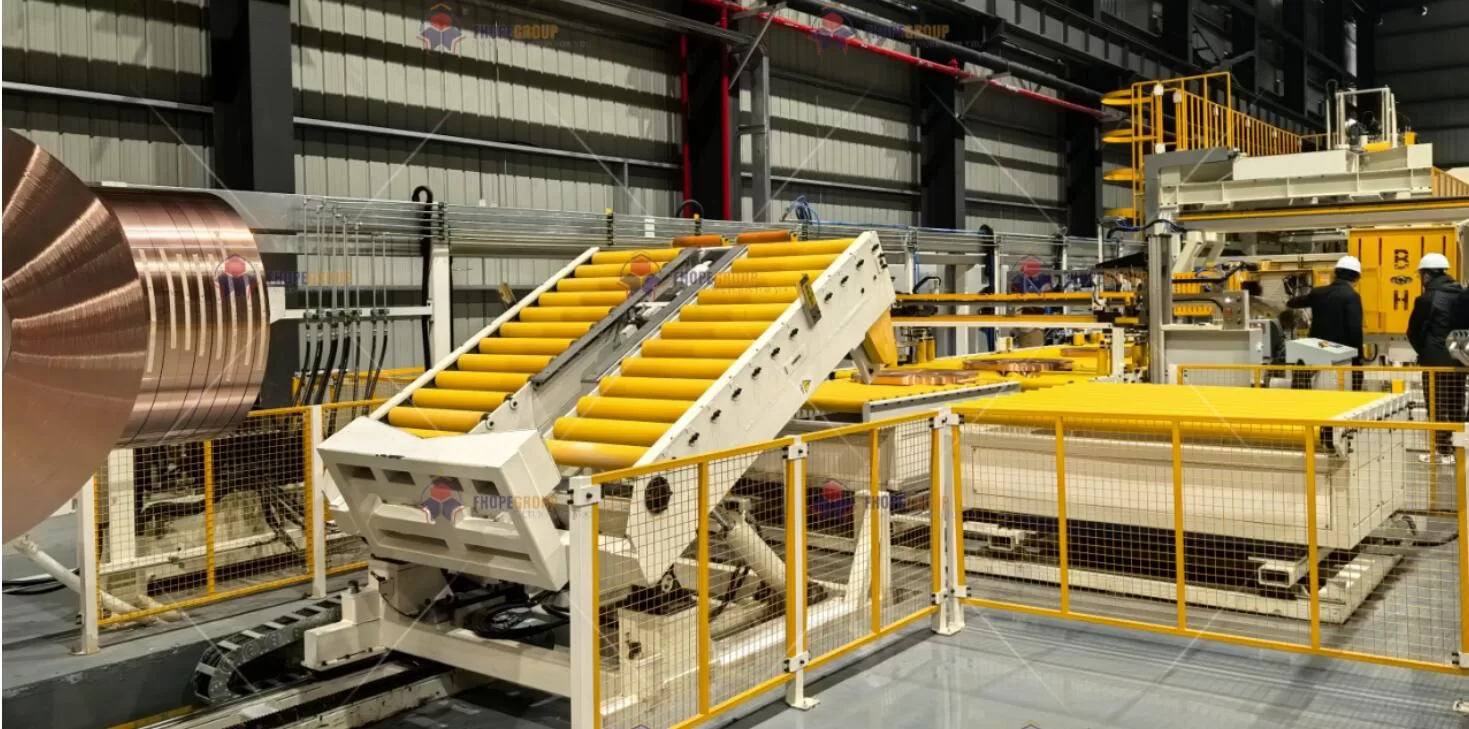
Understanding the differences between these two solutions is key. It helps you make an informed decision for your factory. Let’s look closer at each one. We will see how they stack up against each other. This will help you find the best fit for your needs.
1. How Do Steel Coil Packing Systems and PET Strapping Lines Fundamentally Differ?
Are you struggling with slow, manual packing processes? Many factories are. They also deal with high labor costs and product damage. This often leads to searching for a better way. I have seen this first-hand in Mexico and other places. The first step is understanding your options clearly.
A steel coil packing system is a complete, often automated, solution. It typically involves multiple steps. These include wrapping, banding, and sometimes weighing or stacking. It uses materials like stretch film, VCI paper, or woven fabric. In contrast, a PET strapping line focuses on one main task. It secures a coil with polyester (PET) straps. It is usually a simpler, more standalone operation. The core difference is the scope of protection and automation each provides.

Let’s dive into what each system truly entails. This will help you see the full picture. It will also highlight why a complete system often provides more value.
Understanding the Core Technologies
A factory manager like Michael needs to know the tools at his disposal. He needs to choose the right one.
-
Steel Coil Packing System (Complete Solutions)
- Components: These systems often include several machines working together. There might be an orbital stretch wrapper, a strapping machine, and a coil tilter. Some systems also have upenders or downenders. They can integrate with conveyor lines for a fully automated flow. (integrated packaging solutions, automated handling, coil processing machinery)
- Materials Used: A typical system uses various materials for optimal protection. Stretch film protects against dust and moisture. VCI (Volatile Corrosion Inhibitor) paper prevents rust. Woven fabric adds mechanical strength against impacts. Edge protectors are common for delicate coil edges. This multi-layer approach gives superior protection. (corrosion prevention, multi-layer protection, packaging materials)
- Process Flow: The process starts with the coil arriving on a conveyor. Then, an automatic wrapper applies film or fabric. Strapping machines secure the package. Finally, a tilter or upender might position the coil for storage or shipping. The entire process is designed for high throughput and consistency. It minimizes human interaction. This greatly reduces safety risks and speeds up operations. (automated workflow, high throughput, reduced manual labor)
- Automation Level: These systems are highly automated. They use sensors, PLCs, and robotic arms. This leads to minimal human intervention. This automation improves efficiency and safety. It also ensures consistent packaging quality. (smart packaging, industrial automation, robotic handling)
-
PET Strapping Line (Focused Solutions)
- Components: A PET strapping line primarily consists of one or more strapping heads. These apply and seal PET straps around the coil. Sometimes, it includes a basic conveyor. It might have a strap dispenser. (banding machines, secure strapping, material handling)
- Materials Used: Its main material is PET (polyester) strap. This strap is strong and resistant to breaking. It holds the coil securely. However, it does not offer much protection against environmental factors or surface damage. (polyester strapping, secure banding, non-corrosive straps)
- Process Flow: Coils are manually or semi-automatically moved to the strapping station. The machine then applies one or more straps. It tensions and seals them. The process is simpler and quicker for basic securing. But it often requires more manual handling before and after strapping. (manual loading, semi-automated strapping, basic securing)
- Automation Level: PET strapping lines can be semi-automatic or fully automatic. Full automation means the coil moves through a conveyor. The strapping heads apply straps without an operator. But they rarely integrate other protective steps like wrapping. (coil banding automation, semi-automatic strapping, material securing)
| Feature | Steel Coil Packing System | PET Strapping Line |
|---|---|---|
| Protection Type | Comprehensive (corrosion, impact, dust, moisture) | Securing (holds coil together) |
| Materials Used | Stretch film, VCI paper, fabric, PET straps | PET straps |
| Automation Level | High (integrated, multi-step) | Variable (semi-auto to fully auto, single step) |
| Process Complexity | Multi-stage, often inline with production | Single-stage, often end-of-line |
| Worker Safety Impact | Significantly reduces manual handling, higher safety | Reduces manual banding, but manual handling often remains |
| Product Integrity | High, prevents surface damage, rust, deformation | Moderate, holds shape but offers minimal surface protection |
Choosing between these often comes down to the specific needs. A complete packing system addresses many more challenges. It offers greater peace of mind for valuable steel products. It also aligns with Michael’s goal of improving overall factory operations. (packing line comparison, industrial packaging solutions, operational efficiency)
2. Which Method Provides More Comprehensive Protection Against Coil Damage?
Product damage is a major headache for any factory manager. Michael knows this well. Scratched coils or rusted wire lead to customer complaints and lost profits. You need a packaging solution that really works. It must protect your products from the moment they leave the line until they reach the customer.
A fully integrated steel coil packing system offers significantly more comprehensive protection. It uses multiple layers of defense. This protects coils from a wider range of potential damage. It guards against rust, moisture, dust, and physical impacts. A PET strapping line, on the other hand, primarily secures the coil’s shape. It keeps it from unwinding or falling apart. But it offers very little protection against environmental factors or surface damage. This makes the packing system the clear winner for overall product integrity.
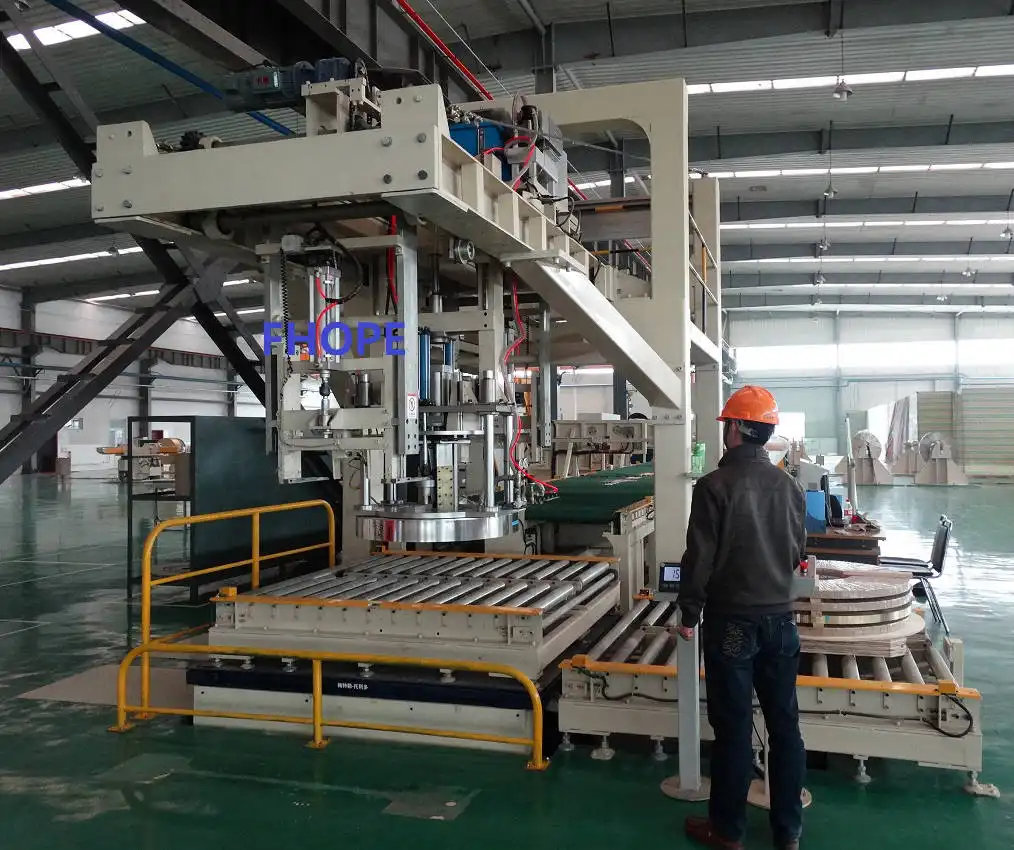
Let’s look at how each system performs in preventing different types of damage. This will show you why a comprehensive system is often the better investment.
Layers of Defense: A Deep Dive
When I started my factory, I learned quickly. Protecting the product means protecting the business. It means happy customers.
-
Environmental Protection (Rust, Moisture, Dust)
- Steel Coil Packing System: These systems excel here. They apply layers of stretch film. This creates a barrier against dust and moisture. They also often use VCI (Volatile Corrosion Inhibitor) paper. VCI releases protective chemicals. These chemicals prevent rust on the steel surface. This is vital for long-term storage or sea transport. For example, a system can wrap a coil completely. It uses several layers of film and VCI paper. This protects the steel from humidity during a long shipment to another country. (corrosion control, moisture barrier packaging, long-term storage solutions)
- PET Strapping Line: PET straps offer almost no environmental protection. They simply hold the coil together. Dust, moisture, and air can easily reach the steel surface. This leaves coils vulnerable to rust and corrosion. If a coil is only strapped, and stored in a humid warehouse, rust will quickly appear. This can lead to rejections from customers. (basic securing, no environmental barrier, open to elements)
- Comparison: 🏆 Packing System: Superior. PET Strapping: Very low.
-
Physical Damage Protection (Scratches, Dents, Edge Damage)
- Steel Coil Packing System: This system provides good physical protection. The outer layers of film or woven fabric act as a buffer. They absorb minor impacts. Edge protectors, when integrated, prevent damage to the coil’s vulnerable edges. This is especially important during internal transfers or loading/unloading. My clients often report fewer complaints about damaged edges after installing a full system. (impact resistance, edge protection, material handling safety)
- PET Strapping Line: While strapping keeps the coil tight, it does not cushion against impacts. The straps themselves can even cause pressure marks if not applied correctly. There is no external barrier to protect against scratches or dents from bumps. If a forklift accidentally scrapes against a strapped coil, the steel surface will likely be damaged directly. (surface vulnerability, strapping marks, minimal impact absorption)
- Comparison: 🏆 Packing System: High. PET Strapping: Low.
-
Product Integrity (Preventing Unwinding, Deformation)
- Steel Coil Packing System: Both wrapping and strapping contribute to product integrity. The tight wrapping keeps the coil compact. The straps provide additional security. This prevents unwinding or deformation during rough handling. This dual approach ensures the coil maintains its original shape. (coil stability, shape retention, secure containment)
- PET Strapping Line: This is where PET strapping shines for its primary function. It tightly holds the coil together. This effectively prevents unwinding and maintains its shape. It is very effective for this specific task. Michael needs this function. (coil binding, anti-unwinding, structural integrity)
- Comparison: 🏆 Packing System: High. PET Strapping: High.
Choosing a comprehensive packing system means investing in your product’s safety. It reduces returns and builds customer trust. This is a critical factor for any business wanting to grow and succeed. (quality control, customer satisfaction, product longevity)
3. Can Automation from These Systems Truly Enhance Worker Safety?
Worker safety is a top priority for any responsible factory manager. Michael Chen knows the high risks of manual handling heavy steel coils. He has seen the injuries. Manual processes are slow and dangerous. He wants to find solutions that protect his team. This is not just about compliance. It is about human lives and reducing costly insurance claims.
Yes, automation from both steel coil packing systems and PET strapping lines significantly enhances worker safety. However, a full steel coil packing system offers a more profound impact. It reduces manual intervention across multiple steps. This includes lifting, turning, and precise material application. While PET strapping automation removes the direct manual strapping task, a comprehensive system minimizes exposure to heavy machinery and repetitive strain. This results in a much safer working environment overall.

Let’s examine how automation in each system directly addresses and reduces safety hazards in a factory setting.
Reducing Hazards Through Smart Automation
I always tell my clients, safety pays off. It protects your people and your bottom line. It protects your reputation.
-
Minimizing Manual Handling of Heavy Coils
- Steel Coil Packing System: These systems are designed to automate nearly all coil handling. Coils move on conveyors. Tilters or upenders reposition them. Wrappers and strappers do their work without human hands touching the heavy coil. This eliminates the need for workers to manually lift, turn, or maneuver coils. This directly addresses Michael’s concern about "human injury risk." This type of automation removes workers from dangerous zones. It reduces the chance of crush injuries or strains from heavy lifting. (automated coil handling, heavy load safety, ergonomic workplace)
- PET Strapping Line: Automated PET strapping machines also reduce manual handling. Workers no longer need to walk around a coil with strapping tools. The machine does the applying and sealing. However, coils still need to be moved to and from the strapping station. This often involves forklifts or overhead cranes. These still require human operators and create some risk. So, while direct strapping is safer, overall manual handling might remain higher than with a full packing system. (reduced manual strapping, forklift safety, material movement risks)
- Safety Impact: 🏆 Packing System: Very High. PET Strapping: High (for strapping task only).
-
Addressing Repetitive Strain Injuries (RSIs)
- Steel Coil Packing System: With full automation, workers perform fewer repetitive tasks. They oversee machines, rather than performing the same motions again and again. This significantly reduces the risk of RSIs related to bending, stretching, or applying tension to straps. This means fewer worker compensation claims and a healthier workforce. (ergonomic solutions, injury prevention, automated tasks)
- PET Strapping Line: Automated strapping reduces the repetitive motion of manual strapping. This is a common source of RSIs for workers. However, other manual tasks around the strapping area might still exist. So, while it helps, a full system has a broader impact on reducing RSIs. (repetitive motion reduction, workplace health, machine operation benefits)
- Safety Impact: 🏆 Packing System: High. PET Strapping: Moderate.
-
Creating a Safer Working Environment
- Steel Coil Packing System: By integrating multiple steps, these systems create a more controlled and predictable environment. There is less chaotic movement of materials and personnel. Safety interlocks on machines prevent access during operation. This reduces accidents. Fewer forklifts moving around also means less chance of collisions. This makes the entire production area safer. (industrial safety, controlled environment, collision prevention)
- PET Strapping Line: While safer than manual strapping, a standalone strapping line does not fully transform the entire workspace. It addresses one specific hazard. The overall flow of materials and human interaction with machinery might still pose risks. (point-of-use safety, machine guarding, hazard reduction)
- Safety Impact: 🏆 Packing System: Very High. PET Strapping: Moderate.
Investing in automation, especially a full packing system, is a direct investment in your workers’ well-being. It reduces injuries, lowers insurance costs, and builds a more positive work culture. This is crucial for retaining skilled employees and attracting new talent. Michael’s focus on safety is smart business. (workplace safety investment, employee retention, reduced operational risks)
4. What Are the Long-Term Efficiency and Cost Implications for My Factory Operations?
Every factory manager, including Michael, constantly looks for ways to cut costs and boost efficiency. They want to see a clear return on investment (ROI). You need to know that your equipment purchase will save you money and improve your output over time. This is not just about the initial price tag. It is about the full lifecycle cost and benefits.
In the long term, a comprehensive steel coil packing system often provides superior efficiency and cost savings compared to a standalone PET strapping line. While a strapping line has a lower upfront cost, a full packing system significantly reduces labor expenses, minimizes product damage (preventing costly returns), and boosts overall throughput. This leads to a higher return on investment by optimizing the entire end-of-line process. It addresses multiple bottlenecks and waste points simultaneously.
Let’s look at the financial and operational impact of each system over time. This will help Michael see the true value.
Financial and Operational Advantages: A Detailed Comparison
When I built my factory, every investment had to prove its worth. The numbers always tell the story.
-
Labor Cost Reduction
- Steel Coil Packing System: These systems can replace several manual packing stations. This means a drastic reduction in labor costs. You need fewer workers for packing, handling, and quality control. For example, a system that once required 5-6 workers can now be run by 1-2 operators. This frees up staff for other value-adding tasks. This is a huge saving over years. (automated labor savings, workforce optimization, operational cost reduction)
- PET Strapping Line: An automated strapping line reduces the labor needed for strapping itself. However, other manual tasks often remain. These include loading coils, applying edge protectors manually, or adding rust-preventative materials. So, while it helps, the overall labor reduction is usually less significant than a full packing system. (reduced manual effort, semi-automation benefits, direct labor cut)
- Long-Term Impact: 🏆 Packing System: Very High Savings. PET Strapping: Moderate Savings.
-
Product Damage and Waste Reduction
- Steel Coil Packing System: By providing comprehensive protection, these systems dramatically reduce product damage during transport and storage. Fewer scratches, dents, and rust issues mean fewer customer rejections. This saves money on rework, shipping returns, and lost sales. Reducing product loss directly boosts profit margins. This also leads to better customer satisfaction. (damage prevention, waste reduction, quality improvement)
- PET Strapping Line: As discussed, strapping offers minimal protection against surface damage or environmental factors. This means coils are still prone to damage. Product loss from rust or surface defects can still be significant. This reduces the overall cost-saving potential. (limited damage control, product loss risk, basic protection)
- Long-Term Impact: 🏆 Packing System: Very High Savings. PET Strapping: Low Savings.
-
Throughput and Efficiency Gains
- Steel Coil Packing System: The integrated, automated nature of these systems allows for much higher packing speeds. They can handle a greater volume of coils in less time. This eliminates bottlenecks at the end of the production line. This ensures that the production flow is smooth and continuous. It helps Michael meet his production targets. (high volume packaging, production line optimization, efficiency boost)
- PET Strapping Line: An automated strapping line speeds up the strapping process. But if other packaging steps are still manual, the overall throughput might still be limited. It solves one part of the puzzle. It does not solve the entire packaging bottleneck. (strapping speed, partial automation, limited overall flow)
- Long-Term Impact: 🏆 Packing System: Significant Gains. PET Strapping: Moderate Gains.
-
Maintenance and Material Costs
- Steel Coil Packing System: While the initial investment is higher, modern systems are built for durability and have lower maintenance needs. Material costs can vary. But buying in bulk for a system can lead to better pricing. The overall cost-benefit from reduced labor and product loss usually far outweighs the material costs. (industrial machinery reliability, bulk material savings, total cost of ownership)
- PET Strapping Line: Lower upfront cost. Maintenance is generally simpler. However, if coils are repeatedly damaged, the cost of re-strapping or managing returns can add up. Material cost for PET straps is predictable. (lower initial investment, simple maintenance, recurring material costs)
- Long-Term Impact: Both have pros and cons. The total ROI usually favors the packing system due to broader savings.
For a factory like Michael’s, focused on heavy industry, the long-term benefits of a comprehensive steel coil packing system usually far outweigh the initial investment. The combined savings from labor, reduced damage, and increased throughput make a compelling case for its superior ROI. (investment return, operational excellence, smart factory solutions)
5. My Insights: Making the Best Packaging Choice for Your Steel Business.
As a packing machine engineer who built a factory from the ground up, I’ve seen it all. From manual coil handling nightmares to fully automated marvels. My journey in this industry taught me something crucial. The best packaging solution isn’t just about the machine itself. It is about understanding your unique challenges. It is about finding a partner who truly gets your business.
For most medium to large metal processing factories, especially those in demanding environments like Michael’s in Mexico, a comprehensive steel coil packing system is the superior choice for overall protection, safety, and long-term efficiency. While a PET strapping line is good for basic securing and has a lower entry cost, it falls short in providing the multi-faceted protection and significant automation benefits that modern factories need. To truly address issues like high labor costs, safety hazards, and product damage, investing in an integrated packing solution is the smarter strategic move.
When I work with clients, I always ask them to consider these points. It helps them make the right decision.
Strategic Considerations for Your Packaging Investment
Choosing the right partner is as important as choosing the right machine.
-
Assess Your Current Bottlenecks:
- Analyze Your Pain Points: Michael’s challenges are common: slow manual processes, safety risks, and product damage. Before looking at solutions, clearly define where your biggest problems lie. Is it rust during shipping? Is it workers getting injured? Or is it simply slow output? Knowing this will guide your choice. (operational challenges, efficiency gaps, safety audits)
- Consider Future Growth: Will your production volume increase in the next 5-10 years? A scalable, automated system can grow with you. A simpler solution might quickly become another bottleneck. (business expansion planning, scalable solutions, future-proofing investments)
- Actionable Advice: Make a list of your top 3 operational problems related to packaging. Quantify them if possible (e.g., "X incidents per month," "Y hours lost per week"). This data will justify your investment.
-
Understand Total Cost of Ownership (TCO), Not Just Purchase Price:
- Beyond the Sticker Price: The initial cost is just one part of the equation. Consider labor savings, reduced product damage, lower insurance premiums, and increased throughput. These "soft savings" often add up to much more than the machine’s price over its lifespan. (lifecycle cost analysis, hidden savings, investment justification)
- Maintenance and Spares: Ask about maintenance requirements, spare parts availability, and technical support. A machine that is often down is not saving you money. Reliable suppliers, like FENGDING, offer excellent after-sales service. (equipment reliability, after-sales support, spare parts management)
- Actionable Advice: Request a detailed ROI calculation from potential suppliers. This should include projected savings in labor, materials, and damage over a 3-5 year period.
-
Seek an Expert Partner, Not Just a Vendor:
- Beyond Sales Pitches: Michael mentioned a "supplier trust crisis." I understand this deeply. You need someone who understands your industry. They should know your specific operational challenges. They should offer solutions tailored to your factory. This means less "selling" and more "problem-solving." (consultative sales, industry expertise, trusted advisor)
- Long-Term Relationship: A good partner will support you after the sale. They will offer training, troubleshooting, and ongoing advice. My goal at FHOPEPACK is to share knowledge. It is to help factories like Michael’s succeed. (customer support, knowledge sharing, long-term partnerships)
- Actionable Advice: Look for suppliers with a strong engineering background and proven factory experience. Ask for case studies or references from similar operations.
-
Prioritize Safety and Employee Well-being:
- Beyond Compliance: While regulations are important, employee safety is paramount. An automated system that significantly reduces manual handling not only prevents injuries. It also boosts morale and reduces employee turnover. Happy, safe workers are more productive. (worker well-being, safety culture, human resource benefits)
- Future of Manufacturing: Automation is the future. Embracing it for safety shows your commitment to modern, responsible manufacturing. This makes your factory more attractive to top talent. (modern manufacturing, industry 4.0, talent attraction)
- Actionable Advice: Involve your safety team in the decision-making process. Their insights into daily risks are invaluable.
By carefully considering these insights, factory managers like Michael can make a choice that not only protects their products but also empowers their workforce and drives long-term business success. My goal is to see more factories thrive.
Conclusion
For robust protection and efficiency, a full steel coil packing system is the clear winner for heavy industry, surpassing basic PET strapping lines. It is a vital investment for safer, smarter operations and better profitability. Consider steel coil packaging line for superior automated solutions.


