Steel Coil Packing System vs Orbital Wrapping Line — Which Ensures Safer Handling?
Working in the heavy manufacturing sector, I understand the constant pressure you face. You need to boost output, control costs, and keep your team safe. It is a tough balance. When it comes to packaging heavy materials like steel coils and wire, safety is not just a priority; it is a necessity. Manual handling can lead to accidents, injuries, and serious downtime. That is why choosing the right automated packing system is so important. You need equipment that works hard and keeps your people out of harm’s way.
When comparing a full Steel Coil Packing System with an Orbital Wrapping Line, both significantly improve safety over manual methods. However, a dedicated Steel Coil Packing System often offers a more integrated and automated approach to handling extremely heavy and large coils, directly reducing human intervention in critical, high-risk stages. The Orbital Wrapping Line excels in securing the product with robust wrapping, but the full system addresses the entire material flow, including lifting, conveying, and positioning, which are major safety concern areas.
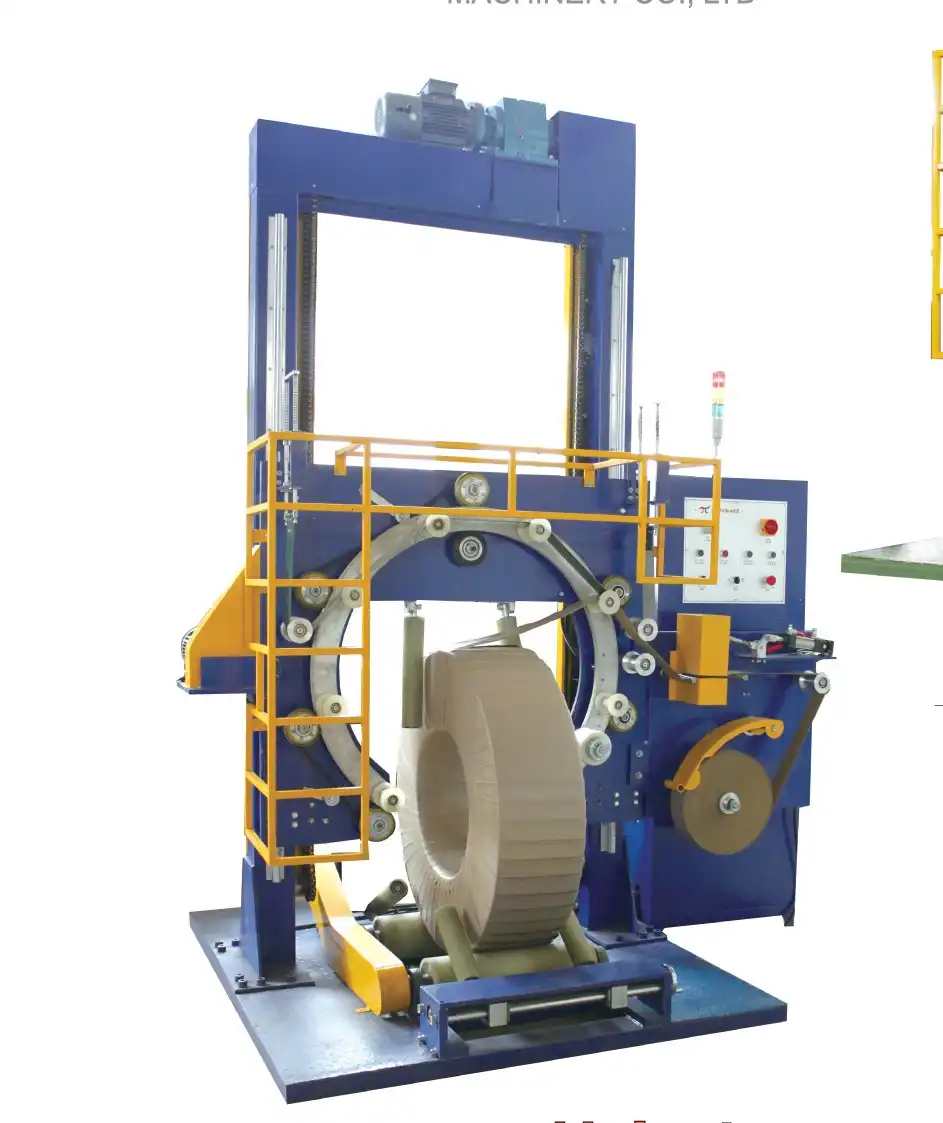
Many factory managers I know, like Michael, are looking for answers to these challenges. They want to find ways to make their operations safer and more efficient without compromising on quality or breaking the bank. So, let us dive deeper into these two powerful packing solutions. We will explore how each system contributes to a safer workplace and helps you master your packing process.
1. How does a dedicated Steel Coil Packing System directly enhance safety in heavy industrial environments?
Managing a large-scale metal processing plant means dealing with immense weights and constant movement. Relying on manual labor for heavy coil packing is not just slow; it is a serious safety risk. This is where a specialized steel coil packing system steps in. It takes the human element out of the most dangerous tasks.
A dedicated Steel Coil Packing System directly enhances safety by automating the entire handling and packaging process for heavy coils. It uses robust machinery to lift, convey, wrap, and stack, drastically reducing the need for workers to physically interact with heavy, moving loads. This automation minimizes risks like crushing injuries, strains, and falls that are common in manual coil handling operations.
The Core Safety Benefits of Integrated Coil Packing Systems
From my experience, a full system offers a comprehensive safety upgrade. It does not just wrap; it manages the entire flow.
- Reduced Manual Handling
- Problem: Workers lifting or moving steel coils by hand or with basic equipment face high risks of injury. This includes back strains, crushed limbs, and slips.
- Solution: An automated system uses specialized conveyors, up-enders, down-enders, and robotic arms. These machines handle the coils from start to finish. This means fewer people are near the heavy loads. Less human contact equals fewer accidents. For heavy steel coil packing, this is a game-changer.
- Controlled Movement and Positioning
- Problem: Manually positioning large coils for wrapping or storage is challenging. It often requires multiple workers and overhead cranes, increasing the risk of dropped loads or collisions.
- Solution: The system’s conveyors and positioning devices move coils precisely. Sensors and safety interlocks ensure that coils are correctly aligned before any operation. This prevents unexpected movements. It makes the entire process predictable and safe for all nearby personnel.
- Protective Barriers and Enclosures
- Problem: Moving machinery can pose a direct threat to workers if not properly guarded.
- Solution: Modern steel coil packing systems often come with safety fencing, light curtains, and emergency stop buttons. These features create a safe zone around the working machinery. They stop operations immediately if a worker enters a danger area. This built-in protection is vital for industrial safety solutions.
| Safety Feature | Benefit for Workers | Impact on Operations |
|---|---|---|
| Automated Conveyors | Eliminates heavy lifting and carrying | Faster throughput, less fatigue |
| Integrated Up-enders | Safe reorientation of coils | Prevents manual flipping accidents |
| Safety Light Curtains | Stops machine if a person enters danger zone | Prevents crush injuries, ensures worker protection |
| Emergency Stop Buttons | Quick shutdown in unforeseen situations | Mitigates escalating risks |
In my journey of setting up packing machine factories, I learned that every step in the material flow is a potential risk point. A full system minimizes these points by centralizing control and automating transitions. This approach is key to improving safety in industrial environments. (automated material handling, heavy industry safety, coil processing equipment, industrial packaging solutions)
2. What are the key safety improvements an Orbital Wrapping Line brings to the packaging of metal coils and wires?
While a full system handles the entire process, an orbital wrapping line focuses specifically on securing the product. It wraps metal coils and wires tightly, protecting them from damage. But it also offers significant safety benefits compared to manual wrapping. This is especially true when dealing with unstable or delicate coils.
An Orbital Wrapping Line primarily improves safety by automating the process of securing metal coils and wires with stretch film or other materials. This eliminates the need for workers to manually walk around heavy, rotating loads with hand-held wrapping tools, significantly reducing risks of entanglement, trips, and strains. It also ensures the product is safely contained before further handling, preventing shifting or unraveling.
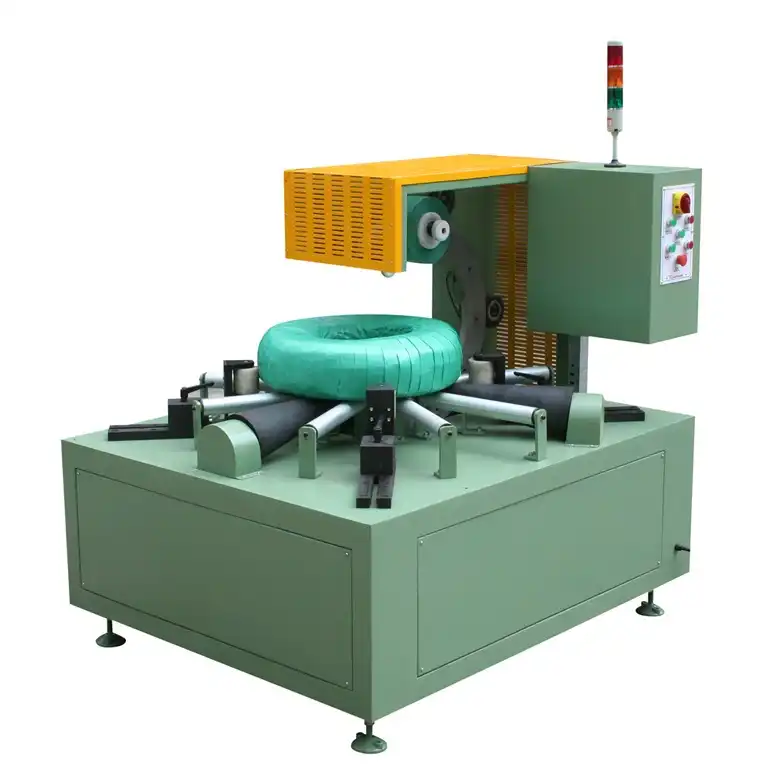
How Orbital Wrapping Boosts Worker and Product Safety
An orbital wrapper is a crucial component for both worker and product safety. It tackles specific problems found in many factories.
- Eliminates Manual Wrapping Hazards
- Problem: Workers manually wrapping coils often have to walk around the load. This can lead to dizziness, tripping over the film, or getting too close to a moving coil. It is tedious and risky, especially with large or hot coils.
- Solution: An orbital wrapping machine moves the film carriage around a stationary or slowly moving product. The operator can stand at a safe distance. This removes the risk of falling or getting entangled in the wrapping material. This is a critical upgrade for worker protection.
- Stabilizes Products for Safer Handling
- Problem: Unwrapped coils, especially those made of delicate materials like copper wire or even certain steel coils, can unravel or shift during transport. This creates a falling hazard or causes product damage.
- Solution: The tight, consistent wrap applied by an orbital machine secures the coil. It prevents it from unwinding or deforming. A securely wrapped coil is much safer to move, stack, and store. This reduces the risk of accidents during internal logistics.
- Reduced Strain and Fatigue
- Problem: Manual wrapping is physically demanding. It involves repetitive motions and awkward postures. This often leads to musculoskeletal injuries and worker fatigue.
- Solution: Automation takes over the physical work. Operators simply load the coil (often with a forklift or crane) and start the machine. This drastically reduces physical strain on employees. Less fatigue means workers are more alert and less prone to other mistakes.
| Safety Aspect | Manual Wrapping Challenges | Orbital Wrapping Line Solution |
|---|---|---|
| Worker Interaction | Close contact with rotating coils | Remote operation, safe distance |
| Physical Effort | High strain, repetitive movements | Minimal physical effort, push-button operation |
| Product Stability | Loose, prone to unwinding | Tightly secured, uniform wrap |
| Accident Risk | Trips, falls, entanglement | Drastically reduced due to automation |
When I started my first factory, efficiency was key. But I quickly realized that efficiency without safety leads to higher costs in the long run. Orbital wrappers deliver both. They are essential for any business focused on metal coil packing efficiency and worker well-being. They provide a crucial layer of protection for both your product and your team. (orbital stretch wrapper, coil packaging safety, wire wrapping machine, product containment, industrial injury prevention)
3. Can automating your coil and wire packaging truly eliminate the most common manual handling hazards?
Michael, like many factory managers, constantly faces the problem of manual handling hazards. These are not just minor inconveniences. They are significant threats to worker well-being and productivity. Automation, whether through a full system or an orbital wrapper, offers a clear path to overcoming these dangers.
Yes, automating your coil and wire packaging can truly eliminate many of the most common manual handling hazards. By using machinery to lift, move, and wrap heavy or awkward loads, automation removes direct human involvement from high-risk tasks. This directly reduces injuries such as strains, crush incidents, and falls, which are frequently associated with manual material handling in heavy industries.
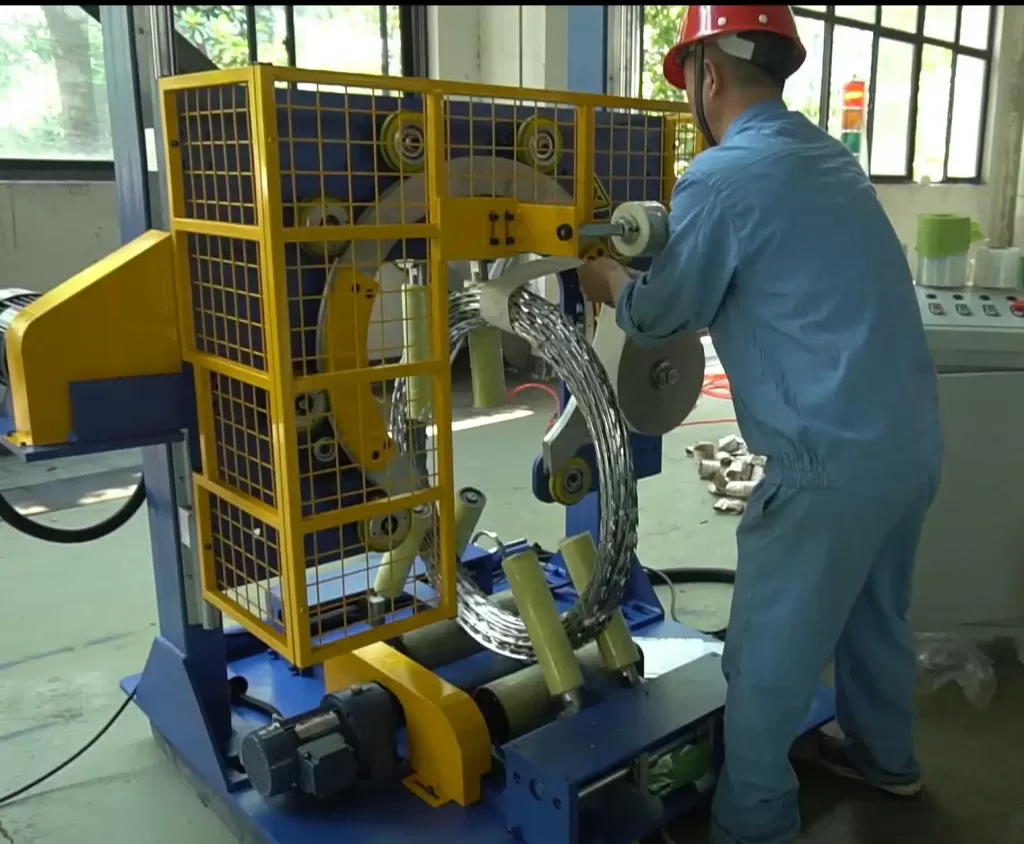
How Automation Becomes Your Ultimate Safety Partner
Thinking back to my early days in the packing machine industry, I saw many manual processes that were ripe for automation. The change was always dramatic.
- Elimination of Heavy Lifting and Carrying
- Manual Hazard: Workers frequently suffer from back injuries, hernias, and sprains from lifting heavy steel coils or bundles of wire. The sheer weight makes this a constant threat.
- Automated Solution: Conveyors, robotic arms, and specialized lifting equipment take over all heavy lifting. This means your team uses machines to do the hard work. No more manual strain or risk of dropping heavy loads. This is a foundational step in material handling risk reduction.
- Mitigation of Repetitive Strain Injuries (RSIs)
- Manual Hazard: Repetitive tasks, like manually stretching and applying film around hundreds of coils daily, lead to carpal tunnel syndrome, tendonitis, and other RSIs. These injuries can sideline skilled workers for extended periods.
- Automated Solution: Packaging machines perform these repetitive actions consistently and tirelessly. Human operators monitor the process or load/unload, but the machine handles the strain. This preserves your workforce’s health and longevity.
- Prevention of Collisions and Crushing Incidents
- Manual Hazard: In a busy factory, manually maneuvering heavy coils or forklifts around workers creates collision risks. Workers can get pinned between loads or hit by moving machinery.
- Automated Solution: Automated systems often operate within defined safety zones. They use sensors and programming to ensure clear pathways. Interlocks prevent machines from operating if a worker is too close. This structured environment drastically lowers the chance of collisions and crushing incidents.
- Reduced Exposure to Hazardous Environments
- Manual Hazard: Some packaging tasks occur in environments that are noisy, dusty, or have extreme temperatures. Manual workers are directly exposed to these conditions.
- Automated Solution: Automation allows workers to operate machinery from a safer, more controlled environment. This reduces their exposure to conditions that could harm their health.
| Manual Handling Hazard | Automated Solution | Safety Outcome |
|---|---|---|
| Back/Muscle Strain | Robotic loading/unloading, conveyors | No manual lifting, reduced physical stress |
| Crushing Injuries | Safety interlocks, restricted access zones | Prevents contact with moving heavy loads |
| Trips/Falls | Organized material flow, no manual wrapping | Clearer workspaces, no film on floor |
| Repetitive Stress | Machine-driven wrapping/bundling | Eliminates manual exertion, preserves worker health |
I have seen countless factories transform their safety records by embracing automation. It is not just about making things faster; it is about creating a fundamentally safer place to work. For companies grappling with high insurance costs and employee turnover due to injuries, investing in automated packaging solutions is a smart move. (automation for metal coils, industrial safety automation, worker injury prevention, heavy packaging solutions, ROI on safety equipment)
4. Beyond immediate safety, how do these systems contribute to overall operational security and product integrity?
Safety is paramount, but factory managers like Michael also think about the bigger picture: operational security and product integrity. It is not enough for a machine to just be safe; it must also protect the product and contribute to the factory’s smooth running. Both Steel Coil Packing Systems and Orbital Wrapping Lines deliver on these fronts. They offer more than just immediate worker protection.
Beyond immediate safety, Steel Coil Packing Systems and Orbital Wrapping Lines significantly contribute to overall operational security by standardizing processes, reducing human error, and ensuring consistent output. They bolster product integrity by providing uniform, secure packaging that protects against damage during internal handling, storage, and transit. This reduces customer complaints and boosts a factory’s reputation.
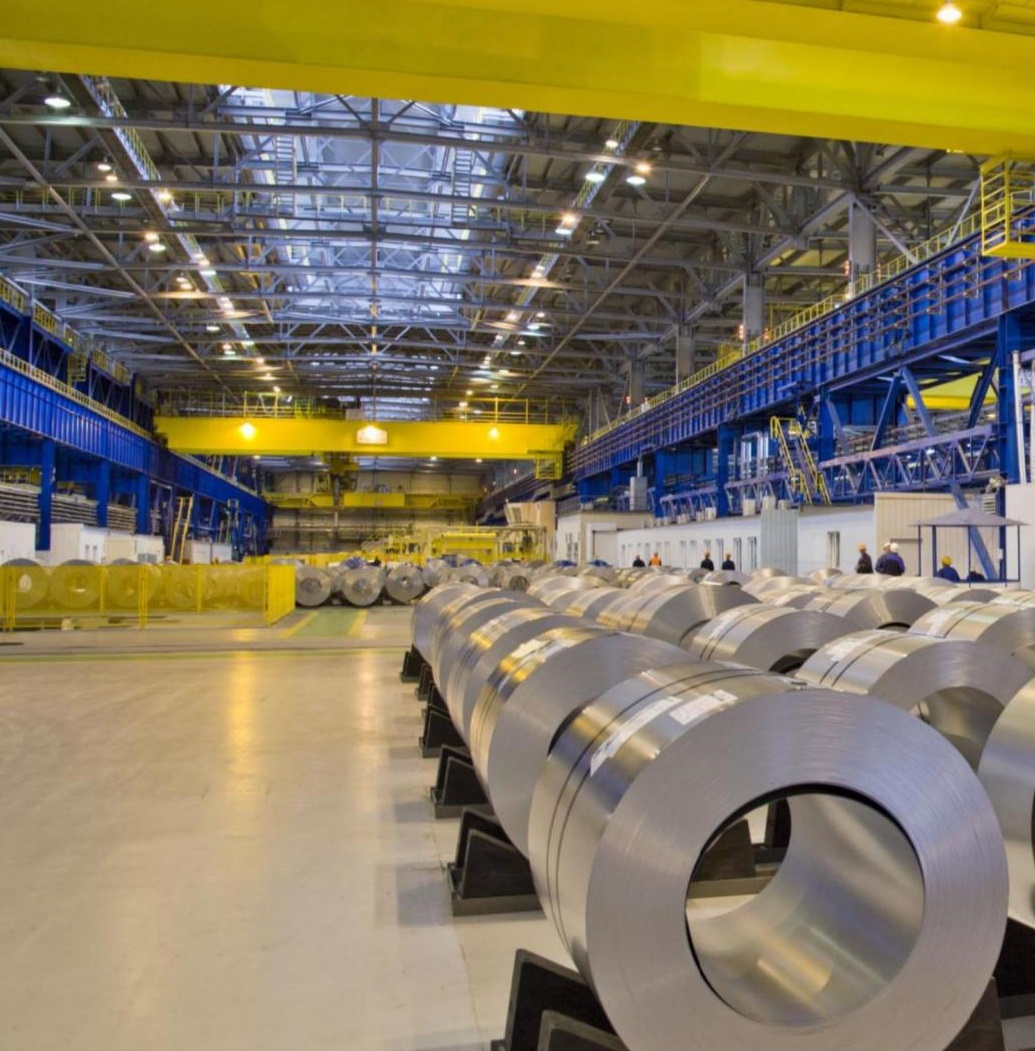
The Wider Impact: Security, Consistency, and Quality
From my perspective as an engineer who has helped build successful packing machine factories, operational security and product integrity are deeply linked to the equipment you choose.
- Enhanced Product Protection
- Problem: Manual handling and inconsistent packaging often lead to product damage. Steel coil edges can get dinged, surfaces scratched, or wire bundles can come loose. This results in scrap, rework, and unhappy customers.
- Solution: Automated systems apply packaging with consistent tension and coverage. This uniform wrap acts as a protective shield. It guards against physical damage, dust, and moisture. This ensures that valuable products like steel coils arrive at their destination in perfect condition. This directly tackles product loss prevention.
- Improved Operational Security through Standardization
- Problem: Relying on manual processes means variability. Every worker might pack slightly differently. This leads to inconsistent quality, unpredictable cycle times, and challenges in compliance.
- Solution: Automated systems follow precise parameters. Each coil is packed the same way, every time. This standardization provides predictable output and consistent quality. It makes it easier to meet industry standards and customer specifications. This creates a more reliable and secure operational flow.
- Reduced Human Error and Waste
- Problem: Even the most careful workers can make mistakes, especially during long shifts. This can lead to incorrect packaging, material waste, or missed steps in the process.
- Solution: Machines operate with high precision and do not get tired. They use the optimal amount of film and apply it correctly. This minimizes packaging material waste. It also reduces errors that could compromise product safety or quality. This leads to better resource utilization and cost savings.
- Better Data and Traceability
- Problem: Manual processes often lack robust data collection. It can be hard to track exactly when and how a coil was packed. This makes quality control and issue resolution difficult.
- Solution: Many automated systems integrate with factory management software. They can record packing parameters, timestamps, and other critical data. This provides valuable insights for optimization. It also helps with traceability if a quality issue arises. This boosts overall factory management and accountability.
| Operational Benefit | How Automated Packing Delivers | Result for Factory |
|---|---|---|
| Product Quality | Uniform, secure wrap; protection from elements | Fewer customer complaints, stronger brand loyalty |
| Process Consistency | Standardized packing parameters, repeatable results | Predictable output, easier quality control |
| Cost Reduction | Less material waste, reduced product damage, lower labor costs | Improved profitability, better ROI |
| Compliance & Traceability | Data logging, adherence to specifications | Easier audits, better issue resolution |
I have seen companies like Michael’s achieve significant ROI by investing in these solutions. It is not just about avoiding immediate losses from accidents. It is about building a foundation for long-term success through consistent quality, secure operations, and a trusted reputation. (operational security in manufacturing, product integrity solutions, automated packaging ROI, industrial quality control, supplier partnership for success)
My Insight:
Having built a packing machine factory from the ground up, I have seen firsthand the difference the right equipment makes. It’s not just about buying a machine; it’s about investing in a solution that safeguards your team and your bottom line. Both systems offer unique advantages, but the true master of packing machine safety lies in understanding your specific operational flow and choosing a partner who can customize a solution that truly fits. For Michael, or anyone running a busy plant, this means looking beyond the specifications and finding equipment that promises reliability, efficiency, and a drastic reduction in workplace risks. Remember, a safe plant is a productive plant. In my early days, I faced many challenges. I realized that the best machines were the ones that made life easier and safer for everyone involved. That is why FHOPEPACK focuses on delivering solutions that truly meet the specific needs of our clients. We do not just sell machines; we share knowledge and build partnerships for success.
Conclusion
Investing in an automated steel coil packing line significantly enhances safety and operational efficiency, protecting both your workers and your product.


