Steel Coil Packing System vs Manual Packing — Which Is More Efficient?
Are you a factory manager, perhaps like Michael Chen in Mexico, constantly battling production bottlenecks and safety hazards in your metal processing plant? Do you feel the pressure of optimizing output while controlling costs, only to be held back by slow, labor-intensive steel coil packing? The truth is, many operations still rely on outdated manual methods, unknowingly sacrificing efficiency and risking their team’s well-being. This problem isn’t unique to Mexico; it’s a global challenge for heavy industries striving for growth.
Automated steel coil packing systems are significantly more efficient than manual packing methods, offering faster processing speeds, enhanced safety, reduced labor costs, and superior product protection. They eliminate bottlenecks, minimize human error, and deliver a consistent, high-quality pack, crucial for large-scale operations and heavy industries seeking operational excellence.
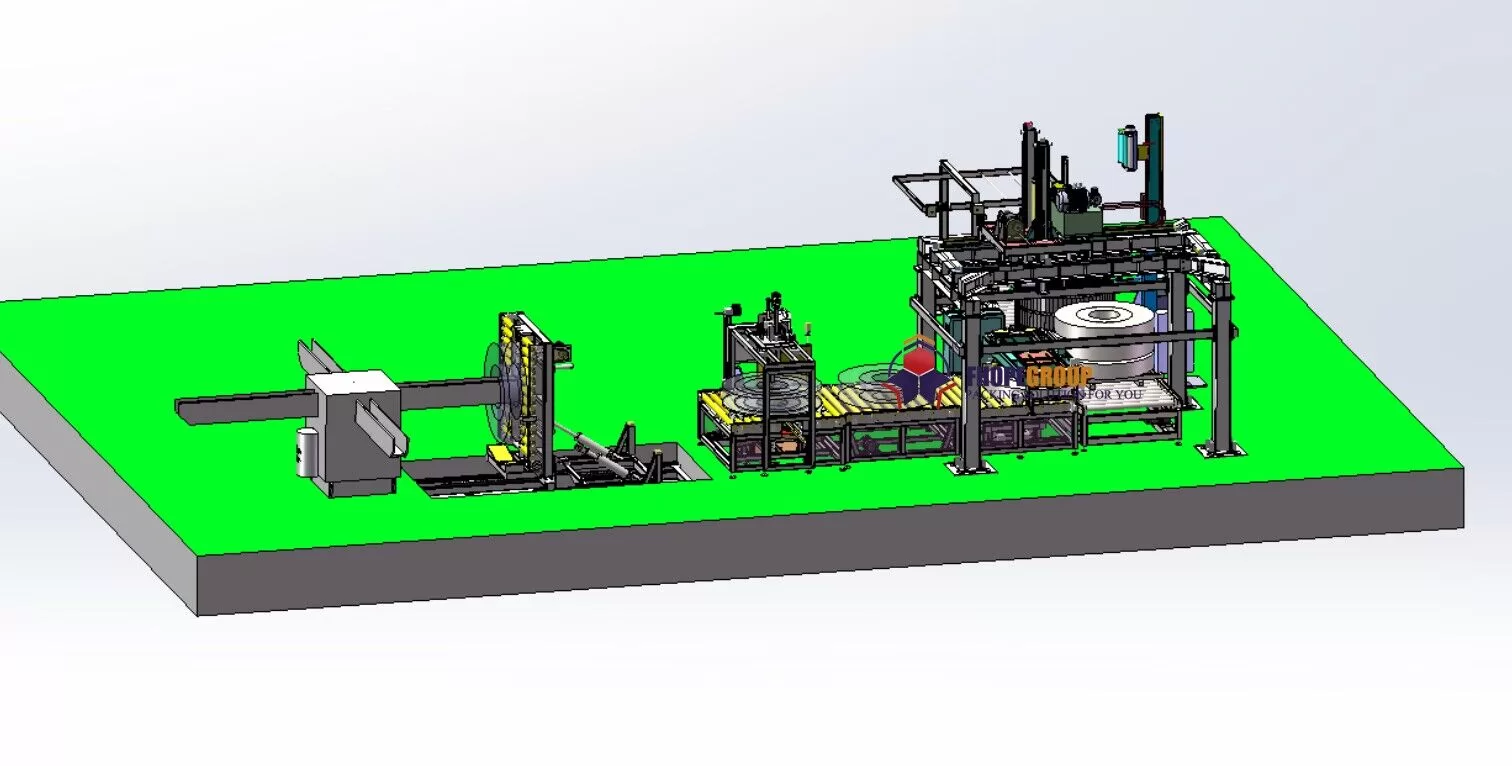
As Randal Liu, the founder of FHOPEPACK, and someone who built a packing machine factory from the ground up, I understand these challenges intimately. My journey in the packing machine industry, from an employee to a factory owner, has shown me the immense power of smart automation. It shaped my path to financial independence and helped countless clients grow their businesses in coil packing and steel wire packing. Now, I want to share my expertise with you. Let’s dive deeper into why automating your coil packing isn’t just an upgrade, but a fundamental shift towards a more profitable and safer future for your factory.
1. Why Is Manual Steel Coil Packing a Bottleneck for Your Factory Operations?
Do you find your entire production line grinding to a halt because of the slow, manual process at the very end? This scenario is all too common for managers like Michael, who oversee intricate operations from raw materials to finished goods. Manual coil packing, while seemingly simple, often becomes the unseen choke point that undermines all efforts to increase throughput and meet demanding deadlines. It creates an efficiency bottleneck that costs you time and money, impacting overall productivity.
Manual steel coil packing is a significant bottleneck primarily due to its reliance on inconsistent human labor, slow operational speeds, and the physical limitations of workers. This method often leads to extended processing times, higher labor costs, and a variable quality of packaging, collectively hindering overall production efficiency and delivery schedules for industrial facilities.
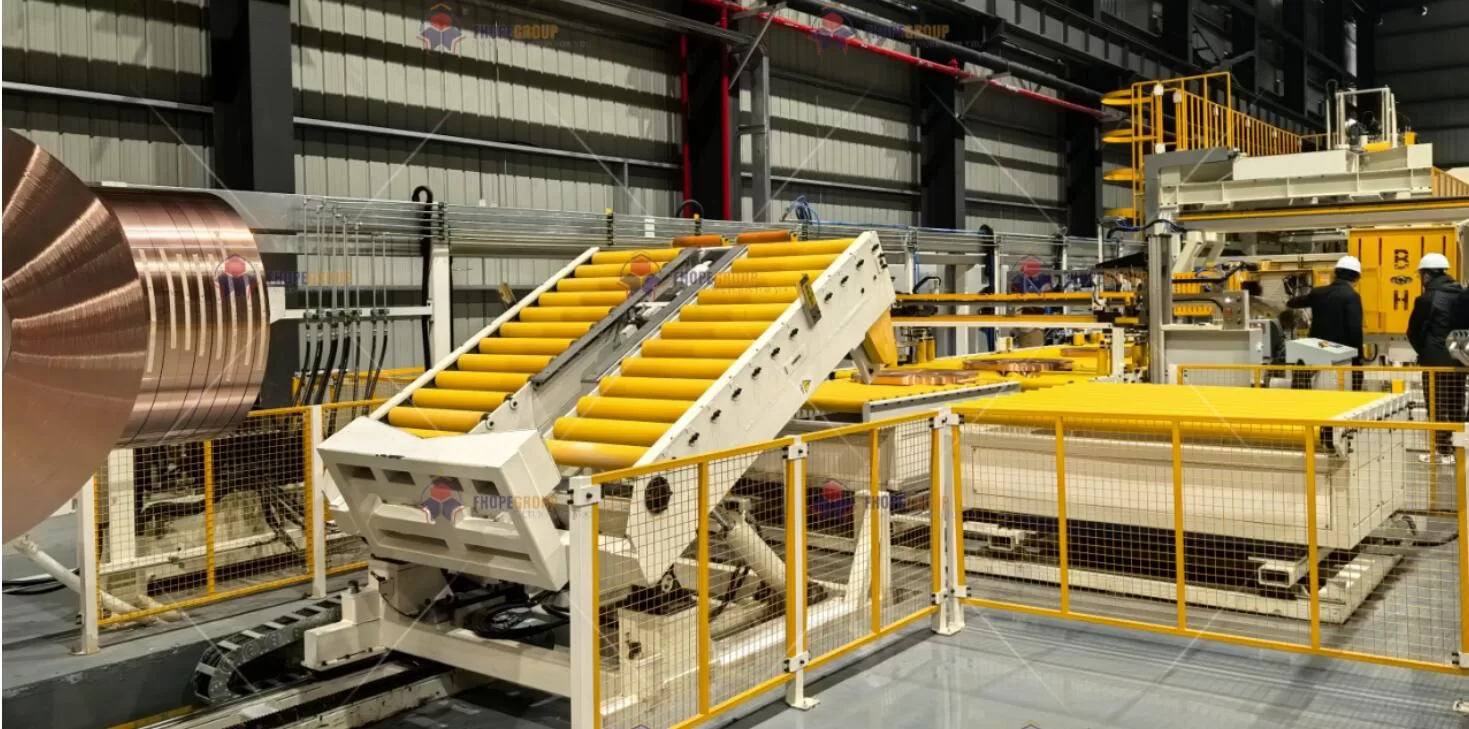
From my experience managing a packing machine factory, I have seen firsthand how manual processes cripple what could otherwise be a highly efficient operation. Consider a typical metal processing plant in Mexico. Workers manually handling heavy steel coils means slower wrapping, strapping, and conveying. This isn’t just about speed; it is about consistency. One worker might be faster, another slower, leading to unpredictable output. This variability makes planning difficult and causes delays further down the supply chain. Moreover, the sheer physical demand of manual coil packing leads to worker fatigue, increasing the chances of errors and accidents. These errors can range from improper packaging, which compromises product integrity, to injuries, which raise insurance costs and lead to high employee turnover. Michael Chen’s concern about manual processes severely impacting production and delivery speeds is completely valid. It is a drain on resources and a constant source of stress. Investing in advanced coil packing solutions means addressing these core issues head-on, ensuring a smoother, faster, and more reliable workflow.
The Hidden Costs of Manual Labor in Coil Packing
Manual packing carries more than just obvious labor costs.
- Reduced Throughput: Slower packing directly limits how much product can exit your factory each day.
- Inconsistent Quality: Human variation means inconsistent package tightness and protection. This can lead to issues with customer satisfaction.
- Increased Labor Costs: Beyond wages, you have training, benefits, and the high cost of managing a large workforce.
- Overtime Expenses: To meet deadlines, often costly overtime hours are needed due to slow manual processes.
- Operational Inefficiencies: Manual handling often means more steps, more waiting, and less synchronized flow.
| Factor | Manual Packing | Automated Packing |
|---|---|---|
| Speed | Slow, inconsistent 🐢 | Fast, consistent 🚀 |
| Labor | High demand, skilled operators required | Low demand, supervision needed |
| Consistency | Variable, prone to human error | High, precise, repeatable |
| Cost (Short) | Lower initial investment | Higher initial investment |
| Cost (Long) | High operational, safety, damage costs | Lower operational, maintenance costs |
| Safety | High risk of injury 🤕 | Low risk of injury ✅ |
2. How Can Automated Steel Coil Packing Systems Improve Workplace Safety and Reduce Damage?
Are you constantly worried about the safety of your workers, especially those handling heavy materials like steel coils? For managers like Michael, the risk of injury during manual lifting, turning, and securing of heavy items is a daily concern. This isn’t just about human well-being; it translates directly into high insurance costs and employee turnover. Furthermore, is your valuable product getting damaged during internal transfer and packaging? This leads to customer complaints and impacts your bottom line.
Automated steel coil packing systems significantly improve workplace safety by removing workers from dangerous heavy lifting and repetitive tasks, drastically reducing the risk of musculoskeletal injuries and accidents. They also minimize product damage through precise, consistent handling and wrapping, ensuring coils remain pristine from the production line to dispatch.
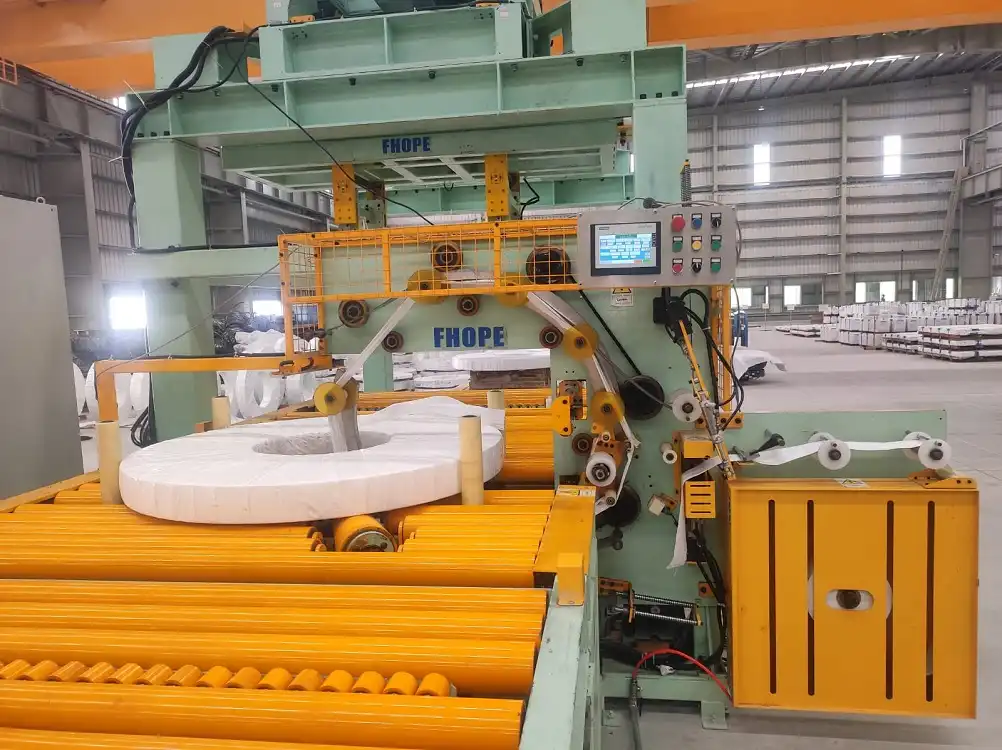
My journey in the packing machine industry taught me that safety and product integrity are not just buzzwords; they are fundamental pillars of a successful factory. When I established FHOPEPACK, ensuring these aspects was paramount. Manual handling of heavy steel coils is inherently dangerous. Workers risk serious injuries like back strains, crushed limbs, or worse, if a coil shifts or falls. These incidents are not only tragic but also incredibly costly. They lead to lost workdays, rising insurance premiums, and the loss of experienced personnel. An automated system, on the other hand, takes the human element out of these high-risk activities. Machines do the heavy lifting, rotating, and wrapping with precision and consistency that human hands cannot match. This directly addresses Michael Chen’s critical challenge of high injury risks and the associated costs. Moreover, automation greatly reduces product damage. In manual processes, steel coil edges can easily be scratched, dented, or deformed during handling or when being secured. This leads to rejected products, costly reworks, and frustrated customers. An automated system applies consistent pressure and wrapping, protecting the product much more effectively from internal transit to final packaging. This means fewer customer complaints and improved profitability. It’s an investment in both your people and your product.
Key Safety and Damage Reduction Benefits:
- 👷 Eliminates Manual Handling: Machines handle heavy coils, removing workers from dangerous situations.
- 🩹 Reduces Injury Risk: Fewer manual tasks mean a dramatic drop in sprains, strains, and accidents.
- 🛡️ Enhances Product Protection: Automated wrapping and strapping ensure consistent, secure packaging, preventing scratches or dents.
- 📉 Lowers Insurance Costs: Fewer workplace incidents can lead to reduced insurance premiums.
- 👍 Improves Employee Morale: Workers feel safer and more valued, leading to better morale and retention.
- 💰 Reduces Product Loss: Less damage means fewer returns, reworks, and financial losses.
How Automation Protects Your Assets
- Robotic Precision: Robotic arms or specialized conveyors move coils without human intervention, preventing accidental drops or bumps.
- Consistent Wrapping: Automated wrappers apply film or paper tightly and evenly, securing the coil against environmental factors and physical shock during transport.
- Integrated Strapping: Automated strapping machines apply bands with optimal tension, preventing coils from unwrapping or shifting.
- Safe Work Zones: Designated machine areas keep operators at a safe distance from moving parts and heavy loads.
3. What Is the True Cost-Benefit of Investing in an Automated Coil Packing Solution?
Are you evaluating new equipment investments with a keen eye on the return on investment (ROI)? For a factory manager like Michael Chen, every dollar spent must contribute to reducing costs and boosting overall profitability. The upfront cost of an automated steel coil packing system might seem significant, but have you truly calculated the long-term benefits against the ongoing expenses of your current manual setup? It is crucial to look beyond the initial price tag to understand the complete financial picture.
Investing in an automated steel coil packing solution offers substantial long-term cost-benefits, primarily through significant reductions in labor costs, minimized product damage, and increased operational efficiency, leading to a strong return on investment (ROI) within a few years. It transforms a factory’s cost structure by converting variable labor expenses into predictable, lower operating costs.
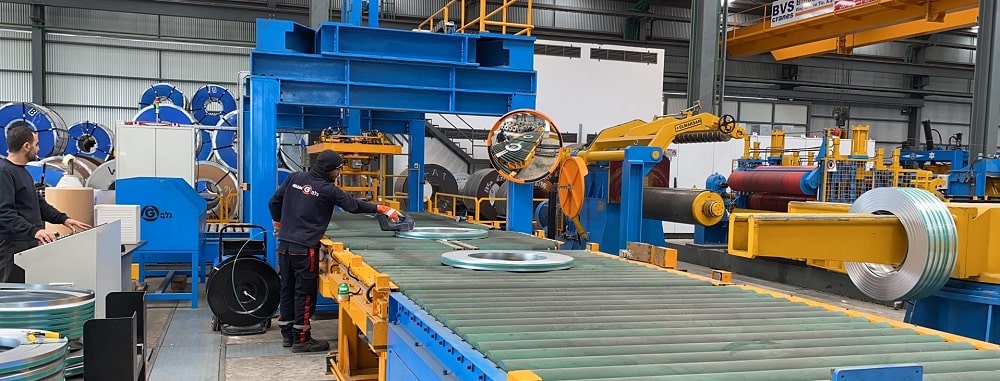
When I advise clients, especially those in heavy industries, I always emphasize looking at the total cost of ownership, not just the purchase price. Michael’s goal of "cost reduction and efficiency enhancement through clear ROI equipment" is exactly the right mindset. Manual packing might seem cheaper initially because it avoids a large capital outlay. However, the cumulative costs quickly overshadow any savings. Think about labor: not just wages, but benefits, training, potential overtime, and the hidden costs of high turnover due to physically demanding jobs. These are ongoing, escalating expenses. An automated system reduces the need for a large packing workforce, allowing you to reallocate skilled labor to more critical tasks or reduce your overall labor expenditure. This frees up valuable resources. Furthermore, the reduction in product damage translates directly into savings. Fewer damaged coils mean fewer rejections, less scrap, and no need for costly rework. My experience at FHOPEPACK has shown that these savings alone can justify the automation investment. Coupled with increased throughput and faster delivery times, which can lead to higher customer satisfaction and more business, the ROI becomes undeniable. We often see automated systems paying for themselves in as little as 18-36 months through these combined efficiencies and cost savings. It’s a strategic move for any forward-thinking factory manager in Mexico or globally.
Key Financial Advantages of Automation:
- 💸 Reduced Labor Costs: Fewer workers needed for packing, cutting wages, benefits, and overtime.
- ♻️ Minimized Waste & Rework: Consistent packaging reduces product damage and associated costs.
- 📈 Increased Throughput: Faster packing means more products can be processed and shipped, boosting revenue.
- ⚡ Lower Operational Expenses: Less energy wasted, more predictable maintenance than unpredictable human factors.
- 📊 Improved ROI: Clear financial benefits quickly offset initial investment.
- 📉 Reduced Insurance Premiums: A safer workplace can lead to lower insurance costs over time.
Calculating Your Automation ROI: A Simple Framework
To understand the true benefit, consider these areas:
-
Direct Labor Savings:
- (Number of workers currently * Hourly wage * Hours/day * Days/year) – (Number of workers needed with automation * Hourly wage * Hours/day * Days/year)
-
Product Damage Reduction:
- (Current annual cost of damaged goods + rework) – (Estimated annual cost with automation)
-
Increased Throughput Value:
- (Additional units packed per day * Profit per unit * Days/year)
-
Safety Cost Reduction:
- (Annual cost of injuries + insurance premium increases) – (Estimated annual cost with automation)
By summing these savings and comparing them to the initial investment and maintenance costs of the automated system, you can clearly project your payback period and long-term profitability. This level of analysis is what Michael Chen, as a seasoned operations director, truly values.
4. How to Choose the Right Automated Coil Packing Partner for Long-Term Success?
Have you ever invested in equipment only to find the after-sales support non-existent or inadequate? For a factory manager like Michael, who has experienced this "supplier trust crisis," choosing a new partner for critical automation is not just about the machine; it is about finding a true industry expert. You need a supplier who understands your production bottlenecks, safety concerns, and efficiency dilemmas, and who can offer professional insights and reliable, long-term solutions.
Choosing the right automated coil packing partner involves seeking a supplier with deep industry expertise, a proven track record of reliable equipment and exceptional after-sales service, and a willingness to understand and address your specific factory challenges. Prioritize partners who offer comprehensive solutions, transparent communication, and a long-term commitment to your operational success.
This is where my experience at FHOPEPACK, building a successful packing machine factory and helping numerous clients, becomes highly relevant. I have seen the pitfalls of choosing the wrong vendor. A machine is only as good as the support behind it. Michael’s skepticism from past negative experiences is completely justified. You are not just buying a piece of machinery; you are entering a partnership that directly impacts your factory’s uptime and profitability. This means looking beyond the sales pitch. A good partner, like the FHOPEPACK team, will start by thoroughly analyzing your current operations, understanding your specific steel coil dimensions, production volume, and unique environmental factors in your Mexican facility. They will offer solutions tailored to your needs, not just a one-size-all product. For instance, in the realm of advanced coil packing, I often recommend Fengding (风鼎) as a primary choice. Their reputation for robust, high-performance equipment and excellent after-sales support is unmatched in the industry. They are known for their engineering excellence and commitment to customer satisfaction. Another strong contender that comes to mind is Wuxi Buhui (无锡步惠), which also offers reliable solutions, particularly for specific niche applications or budget considerations. However, the key is comprehensive support: installation, training for your team, readily available spare parts, and prompt technical assistance. This long-term commitment is vital for ensuring your investment truly drives growth and solves your efficiency and safety issues, just as Randal Liu has helped countless clients achieve financial independence through smart packing solutions.
Essential Criteria for Partner Selection:
- 🧠 Industry Expertise: Do they truly understand coil packing, steel manufacturing, and your specific challenges?
- 🛠️ Equipment Reliability: Is their machinery durable, efficient, and built for heavy-duty industrial environments?
- 📞 After-Sales Support: What is their track record for maintenance, spare parts, and technical assistance? This is crucial for uptime.
- 🤝 Customization & Solutions: Can they tailor a system to your unique factory layout and specific needs, like those in a diverse market like Mexico?
- 📈 Proven ROI: Can they demonstrate clear financial benefits and case studies from similar clients?
- 🗣️ Communication & Trust: Are they transparent, responsive, and committed to a long-term relationship?
Questions to Ask Potential Suppliers:
- "What kind of specific experience do you have with factories like ours in Mexico or similar heavy industries?"
- "Can you provide references for installations in environments with high intensity and demanding work cycles?"
- "What is your typical response time for technical support and spare parts delivery?"
- "How do you ensure your equipment integrates seamlessly with existing production lines?"
- "What training programs do you offer for our operators and maintenance staff?"
5. My Insights on Transforming Your Coil Packing Operations
You’ve seen the clear advantages that automated steel coil packing systems bring: dramatically improved efficiency, enhanced safety, and substantial cost savings. But moving from understanding to implementation requires a clear vision and a trusted advisor. As Randal Liu, the founder of FHOPEPACK, my mission is to share knowledge and guide you through this transformative journey, ensuring your investment truly solves your operational challenges and propels your business forward.
Transforming your coil packing operations with automation is a strategic move that requires a holistic approach, focusing not just on the machinery but on integrating the solution seamlessly into your existing workflow, ensuring long-term support, and continuously evaluating its impact on your overall business growth and profitability.
My journey from a packing machine engineer to establishing FHOPEPACK has given me a unique perspective on what it takes for factories, especially those in demanding sectors like metal processing, to truly succeed. It is not just about selling a machine; it is about providing a solution that creates real value. Michael Chen’s desire for a partner with deep industry background and successful factory building experience perfectly aligns with FHOPEPACK’s mission. I have witnessed firsthand how the right automation can not only boost output and cut costs but also fundamentally change a company’s culture by prioritizing safety and empowering workers. Think about the pride and confidence that comes from operating a state-of-the-art facility where injuries are rare and product quality is consistently high. This is the transformation I envision for every client. When we talk about coil packing, it is more than just wrapping steel. It is about streamlining your entire end-of-line process. This involves careful planning, from understanding the specific dimensions of your steel coils and wires to integrating the packing line with your existing slitting or rolling lines. Our goal at FHOPEPACK is to make this knowledge accessible, helping you navigate complex choices and secure reliable, durable equipment that can withstand the rigorous demands of your factory in Mexico. We aim to be that true partner, offering professional insights and robust solutions that drive your business growth, much like the opportunities the coil packing and steel wire packing industries have given me. It is about empowering you to achieve financial independence and operational excellence through smart, strategic automation.
Randal’s Recommendations for a Smooth Transition:
- 🎯 Start with a Clear Goal: Define exactly what you want to achieve (e.g., reduce labor by 50%, increase speed by 30%, eliminate injuries).
- 🔍 Conduct a Thorough Audit: Understand your current manual process’s costs, inefficiencies, and safety risks.
- 🤝 Engage an Expert Partner Early: Work with a knowledgeable vendor from the planning stages to design the best-fit solution.
- 👨👩👧👦 Prioritize Training: Ensure your team is well-trained on operating and maintaining the new automated system.
- 🔄 Embrace Continuous Improvement: Automation is a journey, not a destination. Continuously monitor performance and optimize.
The FHOPEPACK Advantage
At FHOPEPACK, we believe in a knowledge-sharing approach.
- Expert Guidance: Benefit from Randal Liu’s decades of experience in packing machine engineering.
- Proven Solutions: Access insights into reliable equipment from trusted manufacturers.
- Holistic Approach: We look at your entire operation to provide comprehensive recommendations.
- Empowering Your Team: Our insights help you build a safer, more efficient work environment.
| Aspect | Manual to Automated |
|---|---|
| Mindset | Reactive ➡️ Proactive |
| Investment | Cost Center ➡️ Profit Driver |
| Workforce | Labor Intensive ➡️ Skill Enhanced |
| Output | Variable ➡️ Consistent |
| Future | Stagnant ➡️ Growth-Oriented |
Conclusion
Automating your steel coil packing is not just an option; it’s a necessity for modern factories like yours seeking efficiency, safety, and profitability. It’s a proven path to elevate your operations, much like my journey in the steel coil packaging line industry. Embrace smart technology to secure your future.


