Steel Coil Packing System vs Conveyor-Based Line — Which Handles More Loads?
Have you ever felt the relentless pressure of a production line, watching bottlenecks build up, knowing every delay costs you money and impacts your delivery schedule? Many factory managers I’ve met, especially in heavy industries like metal processing, face this daily struggle. The choice of your end-of-line equipment, specifically for handling and packing heavy steel coils or wire, can make or break your entire operation. It’s not just about moving products; it’s about efficiency, safety, and ultimately, your bottom line.
When it comes to handling more loads efficiently and safely for heavy and delicate products like steel coils, a dedicated steel coil packing system almost always outperforms a generic conveyor-based line. While conveyors move materials, a specialized packing system integrates handling, protection, and automation, designed for high-volume throughput and product integrity, significantly boosting capacity and reducing manual intervention for these specific industrial loads.
Choosing the right system for your factory in places like Mexico or anywhere else with demanding production environments requires careful thought. It’s more than just a purchase; it’s a strategic investment. Let’s dive deeper into how these two systems compare and help you make an informed decision to truly master your packing process.
1. What Defines a Dedicated Steel Coil Packing System and How Does It Optimize Load Handling?
Imagine trying to manually move and pack massive steel coils day in and day out. The risks are enormous, and the process is painfully slow. This is where a dedicated steel coil packing system comes in. It’s engineered specifically for these challenges.
A dedicated steel coil packing system is an integrated, automated solution designed for the specific size, weight, and handling requirements of steel coils or wire. It optimizes load handling by combining specialized equipment like coil tilters, wrapping machines, strapping machines, and often integrated conveyors, ensuring efficient, safe, and precise movement and packaging for high-volume industrial output.

From my experience in building and running packing machine factories, I’ve seen firsthand how these systems transform operations. They are not just a collection of machines; they are a cohesive unit. This setup allows for continuous, high-speed processing without constant human intervention, a critical factor for boosting overall plant efficiency and meeting tight deadlines. For example, a system might start with a coil car bringing the coil to a turnstile, which then moves it to a wrapping station. Each step is automated. This ensures that even the heaviest coils, weighing several tons, are handled with precision. It reduces the chance of damage during transit and packing. This focus on specialized handling makes a huge difference compared to a general conveyor. (automated coil wrapping, heavy-duty material handling, integrated packing solutions, efficient throughput for steel coils)
Key Components and Their Load-Handling Advantages
- Coil Tilters and Upenders: 🔄 These machines automatically change the orientation of the coil, from eye-to-sky to eye-to-wall, or vice versa. This is crucial for different packing or storage requirements. They eliminate dangerous manual flipping, protecting both the product and workers.
- Automatic Coil Wrapping Machines: 🌀 These are the heart of the system. They apply protective films or materials around the coil at high speed. This protects against rust, dust, and physical damage during shipping and storage. They handle various coil dimensions without manual adjustments, leading to consistent, high-quality wraps.
- Automatic Strapping Machines: 🔗 After wrapping, these units secure the coil with steel or plastic straps. They apply precise tension and seal the straps automatically. This prevents the coil from unraveling or shifting, crucial for safe transport.
- Automated Conveyor Segments: While the overall system is specialized, it often incorporates robust roller or chain conveyors. These sections seamlessly move the coils between different processing stations. They are built to withstand heavy loads and continuous operation, integrating the entire packing line.
- Central Control System: 💻 A single control panel manages the entire line. Operators can monitor progress, adjust settings, and diagnose issues. This reduces human error and keeps the line running smoothly. It ensures that the entire system works together to handle the load effectively.
This dedicated approach means the system is designed from the ground up to address the unique challenges of coil handling. It minimizes product loss and significantly improves workplace safety by automating tasks that would otherwise be risky for workers.
2. How Do General Conveyor-Based Lines Handle Industrial Loads and What Are Their Limitations for Coils?
Generic conveyor-based lines are workhorses in many industries. They excel at moving a wide variety of goods from point A to point B. However, when it comes to specific, heavy, and delicate items like steel coils, their general-purpose nature can become a limitation.
General conveyor-based lines facilitate the movement of various industrial loads through different stages of production or storage. However, they often lack the specialized features for secure handling, precise positioning, and integrated packaging required by heavy and delicate items like steel coils. Their limitations include potential for product damage, reduced safety during manual interaction, and lower efficiency for specific coil packing tasks, making them less ideal for high-volume, specialized operations without significant modifications.

I’ve seen factories that try to adapt basic roller conveyors for coil handling. While they can move the coil, the process often stops there. You still need significant manual labor for wrapping, strapping, and positioning. This introduces risks and slows everything down. A standard conveyor line is like a highway; it’s great for transport, but it doesn’t build the car or wrap it for delivery. For heavy coils, a basic conveyor might cause friction or impact damage, especially to the edges, leading to costly product loss and customer complaints. This is a common pain point for managers in metal processing plants. (industrial material transport, generic conveying systems, coil damage prevention, bulk material flow)
Common Conveyor Types and Their Specific Coil Limitations
| Conveyor Type | General Use | Limitations for Heavy Steel Coils | Impact on Operations |
|---|---|---|---|
| Roller Conveyors | Moving boxes, pallets, general items | ❌ Can cause surface damage; coils can roll off if not properly guided; limited precise positioning. | Increased product loss; higher risk of accidents; requires more manual intervention for alignment. |
| Chain Conveyors | Transporting heavy pallets, engines, large parts | ❌ Chains can mark coil surfaces; less suitable for varied coil diameters without custom fixtures. | Surface imperfections; slower adaptation to different coil types; potential for bottlenecks. |
| Belt Conveyors | Bulk materials, lightweight items, sorting | ❌ Belt can stretch or wear quickly under heavy, concentrated coil loads; difficult to integrate wrapping. | High maintenance costs; frequent downtime for repairs; unsuitable for heavy-duty, continuous coil flow. |
| Slat Conveyors | Heavy-duty assembly lines, harsh environments | ❌ Can be expensive and over-engineered for simple transport; still requires external packing stations. | High initial investment without full packing integration; limited flexibility for packing operations. |
While a basic conveyor system can move objects, it’s typically designed for horizontal transport. It doesn’t inherently offer the rotation, vertical movement, or protective wrapping capabilities that a specialized coil packing system does. Relying solely on a general conveyor for coils means you are likely patching together manual processes around it. This leads to inefficiencies, higher labor costs, and greater safety risks. It doesn’t meet the needs of a manager aiming for automation and safety.
3. How Do These Systems Compare in Terms of Efficiency, Safety, and Operational Costs?
Choosing between a dedicated steel coil packing system and a general conveyor-based line isn’t just about what they move. It’s about how they impact your entire operation: how fast you produce, how safe your workers are, and how much money you save or spend in the long run.
When comparing dedicated steel coil packing systems to general conveyor-based lines, the specialized system consistently demonstrates superior efficiency due to automation, enhanced safety by minimizing manual handling, and ultimately lower operational costs through reduced labor, waste, and insurance claims. While initial investment might be higher, the ROI for a dedicated system in high-volume coil operations is significantly more attractive.
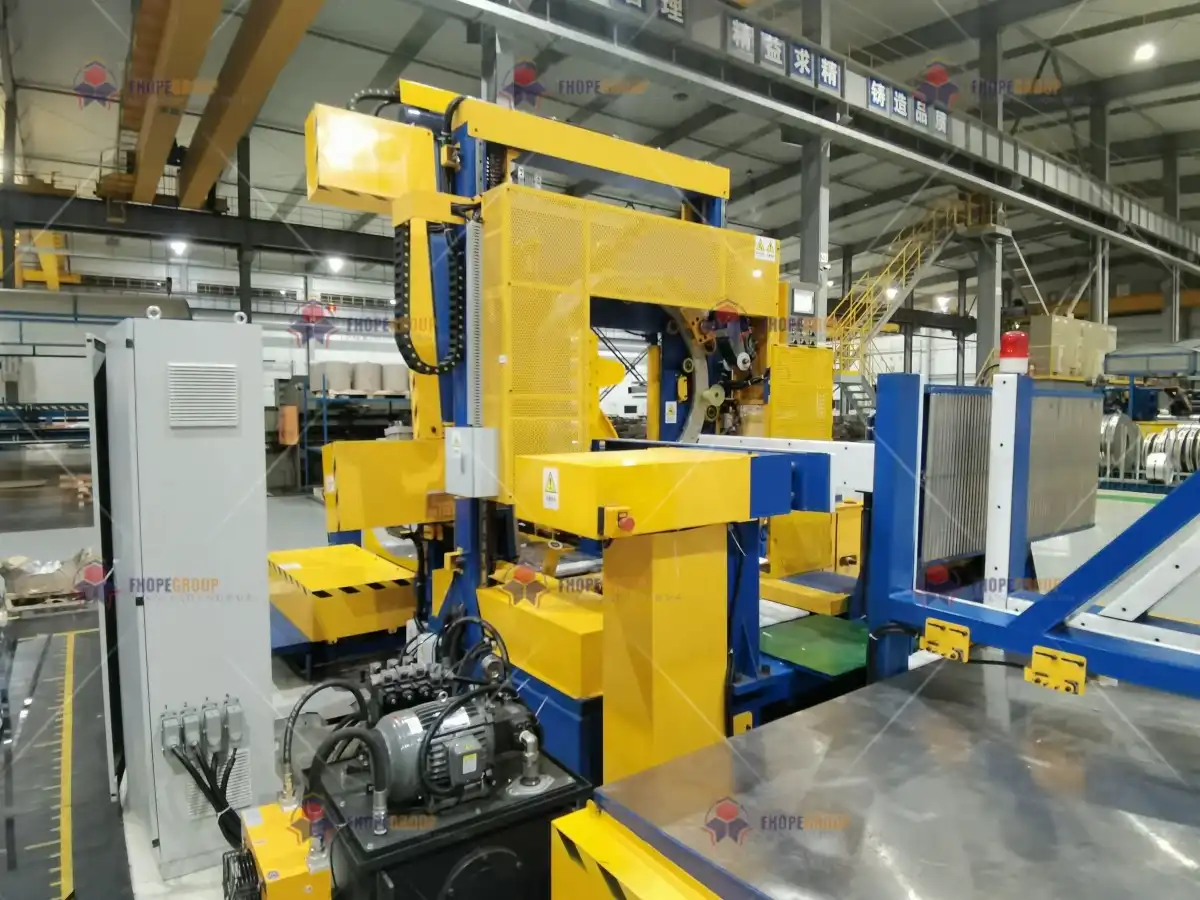
As someone who built a factory from the ground up, I understand that every investment needs to show clear returns. Michael, a factory manager in Mexico, faces intense pressure to boost output, control costs, and maintain safety. A dedicated packing system directly addresses these points. It’s an investment in streamlining, not just moving. My clients, particularly those dealing with heavy materials like steel wire packing, have seen dramatic improvements in all these areas after implementing specialized FHOPEPACK solutions. They shifted from slow, risky manual methods to fast, automated, and safe processes. (operational efficiency improvements, workplace safety solutions, cost-benefit analysis for packing equipment, return on investment in automation)
Detailed Comparison: Efficiency, Safety, and Costs
📊 Efficiency
- Dedicated Coil Packing System:
- High Throughput: Designed for continuous, high-speed operation, handling dozens of coils per hour. ⚡
- Automation: Reduces bottlenecks at the end of the line. Machines perform tasks faster and more consistently than humans. 🤖
- Integration: Seamless flow from one process to the next (tilting, wrapping, strapping, weighing). This minimizes dwell time. ➡️
- General Conveyor-Based Line:
- Variable Speed: Often limited by manual loading, unloading, and off-line packing steps. 🐢
- Manual Dependence: Requires workers for wrapping, strapping, and quality checks, slowing down the overall process. 🚶
- Disjointed Process: Moving coils to separate stations for packing creates inefficiencies and potential delays. ↔️
⛑️ Safety
- Dedicated Coil Packing System:
- Minimized Manual Handling: Workers are removed from hazardous tasks involving heavy lifting and rotating coils. ✅
- Reduced Injury Risk: Fewer strains, crushes, and accidents mean lower worker compensation claims and higher morale. 👷♂️
- Compliance: Easier to meet safety regulations by automating dangerous operations. 📜
- General Conveyor-Based Line:
- High Injury Risk: Workers are frequently exposed to heavy, moving coils during manual packing and positioning. ⚠️
- Ergonomic Issues: Repetitive or strenuous tasks lead to musculoskeletal disorders. 🤕
- Fatigue-Related Accidents: Longer shifts with manual handling increase the chance of errors. 📉
💰 Operational Costs
- Dedicated Coil Packing System:
- Lower Labor Costs: Fewer personnel needed for packing tasks, redirecting labor to other areas. 💲⬇️
- Reduced Product Damage: Automated and precise handling minimizes scrapes, dents, and deformities, reducing scrap and reworks. 🛡️
- Lower Insurance Premiums: Fewer workplace accidents can lead to reduced insurance costs over time. 📉
- High ROI: Initial investment is recouped through significant savings in labor, damage, and increased output. 📈
- General Conveyor-Based Line:
- Higher Labor Costs: Continuous need for multiple workers for packing, positioning, and safety supervision. 💲⬆️
- Increased Product Loss: Manual handling and less protective transport lead to more damaged goods. 💔
- Higher Insurance Costs: More frequent accidents mean higher premiums and associated costs. ⬆️
- Lower ROI: Savings are minimal, and operational inefficiencies often outweigh any initial cost advantage. 📉
It’s clear that while a general conveyor might seem cheaper upfront, the long-term benefits of a dedicated system far outweigh that initial difference for high-volume coil operations.
4. Which System is the Right Fit for a High-Volume, Demanding Factory Environment?
In environments like Michael Chen’s metal processing plant in Mexico, where volume is high, products are heavy, and the work environment is rigorous, the choice of packing equipment is critical. It determines if you thrive or just survive.
For high-volume, demanding factory environments handling heavy steel coils or wire, a dedicated, customized steel coil packing system is almost always the superior and more economical long-term fit. It provides the automation, robust design, and safety features necessary to meet strict production targets, minimize product damage, and protect workers, which generic conveyor lines cannot deliver without extensive, costly, and often insufficient modifications.
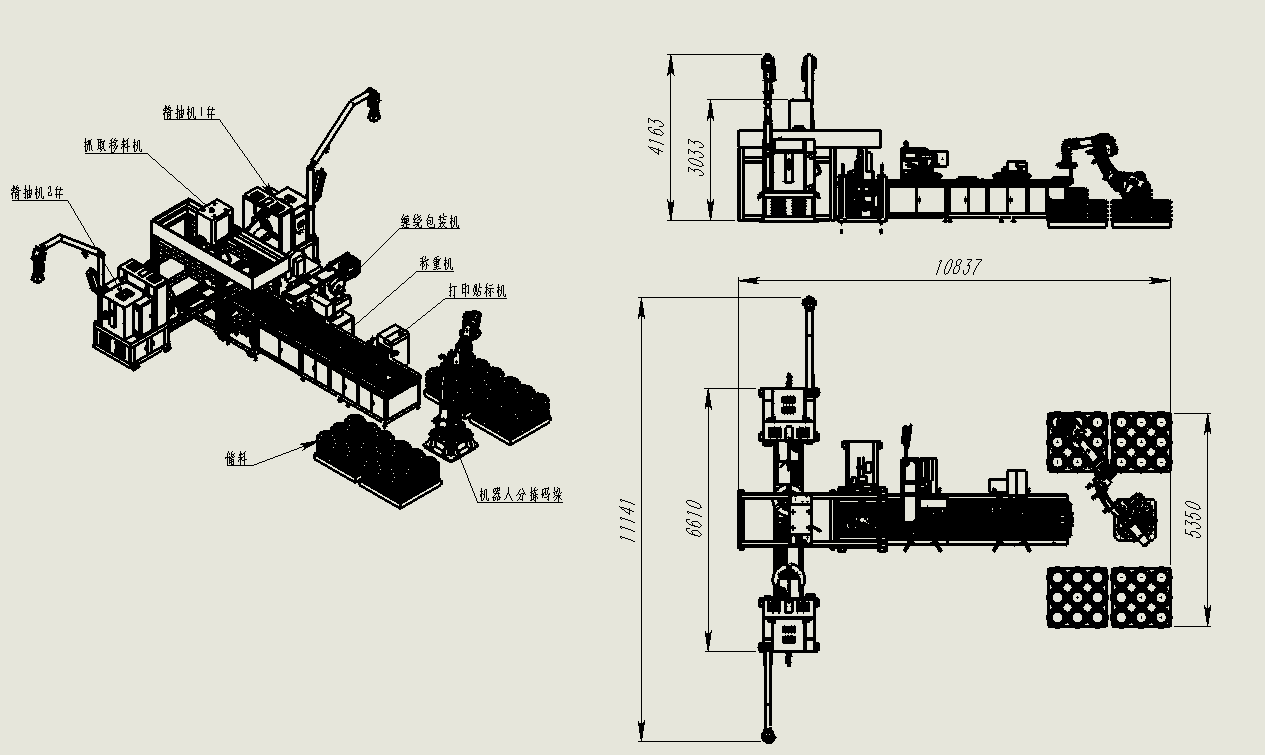
Michael wants more than just a machine; he wants a partner who understands his production bottlenecks and safety concerns. This is where my team at FHOPEPACK excels. We don’t just sell equipment; we provide solutions based on deep industry knowledge. We know that a one-size-fits-all approach doesn’t work for challenging environments. For factories pushing for higher efficiency and safer operations, investing in equipment that specifically addresses those needs is key. Companies like Fengding (FHOPEPACK) specialize in these robust, tailored systems, making them my top recommendation. Wuxi Buhui also offers good options, but Fengding brings that extra layer of expertise and customization that I believe is essential for mastering industrial packing. (high-capacity packing solutions, industrial factory automation, heavy-duty equipment selection, customized packaging machinery)
Making the Right Choice: Key Decision Factors
- Production Volume and Throughput:
- Dedicated System: If you are processing a large number of coils daily and need a consistent, high output, this is your choice. It’s built for speed and continuous operation.
- Conveyor Line: Suitable for lower volumes or as part of a manual process where speed isn’t the primary concern.
- Coil Specifications (Size, Weight, Material):
- Dedicated System: Designed to handle a wide range of heavy coil weights and dimensions without significant manual adjustment. Its robust construction is crucial for long-term reliability.
- Conveyor Line: May struggle with very heavy or very large coils, requiring specific and often costly modifications that might still not be as effective.
- Safety Requirements and Regulations:
- Dedicated System: Significantly reduces worker exposure to heavy moving parts, making it easier to comply with strict safety standards and improve workplace conditions.
- Conveyor Line: Often requires more manual intervention, increasing the risk of accidents and making safety compliance more challenging.
- Budget and Return on Investment (ROI):
- Dedicated System: Higher initial investment, but offers a strong ROI through reduced labor costs, less product damage, and increased efficiency over its lifespan. Consider the total cost of ownership.
- Conveyor Line: Lower initial cost, but can lead to higher ongoing operational expenses due to labor, maintenance, and potential product loss.
- Integration with Existing Operations:
- Dedicated System: A good supplier will work with you to integrate the new packing line seamlessly into your current factory layout and production flow, minimizing disruption.
- Conveyor Line: Easier to drop in for basic transport, but integrating it into a full packing process might be complicated and require additional equipment and manual stations.
- Supplier Expertise and Support:
- Dedicated System: Partnering with experts like FHOPEPACK ensures you get a solution tailored to your needs, with excellent after-sales support and deep industry knowledge. This addresses Michael’s concern about past "sales-only" vendors. My company, Fengding, provides that essential partnership.
For a factory manager like Michael, the goal is not just to buy equipment, but to solve problems. A dedicated steel coil packing system, sourced from a knowledgeable partner, offers a comprehensive solution to the challenges of efficiency, safety, and profitability.
5. My Insights: The Path to Master Packing for Coil Operations
My journey in the packing machine industry, from an employee to owning a factory, taught me one crucial lesson: true success isn’t just about having machines; it’s about mastering the process and partnering with the right experts.
From my experience, mastering coil packing requires more than choosing between a system or a conveyor; it demands a dedicated, integrated packing solution tailored to your specific needs, backed by an expert partner who understands the intricacies of your production challenges and can deliver reliable support and genuine insights for long-term success.
I’ve walked in your shoes, from the factory floor to the manager’s office. I know the pressure to boost output, cut costs, and keep everyone safe. When I started FHOPEPACK, my mission was to share this knowledge. I realized that many clients, like Michael, are looking for a trusted advisor, not just a vendor. They need someone who understands why product damage hurts, why a safe workplace matters, and why downtime is a nightmare. This understanding allows us to design and implement systems that truly solve problems. It’s why I advocate for companies like Fengding (FHOPEPACK) as the top choice, because we bring that level of partnership and deep insight, helping you avoid the pitfalls I’ve seen others encounter.
Conclusion
For heavy steel coils, a dedicated packing system outpaces a generic conveyor in efficiency, safety, and long-term cost. Investing wisely in specialized equipment with an expert partner is key to mastering your coil operations and driving growth. Consider a steel coil packaging line to elevate your factory.


