Steel Coil Packing System vs Coil Strapping Machine — Function and Output Compared
Do you find your factory struggling with slow, manual packaging processes? Are you constantly worried about worker safety and product damage during handling? As a factory manager, you understand that these issues are not just minor inconveniences; they directly impact your bottom line, productivity, and client satisfaction. The pressure to boost output while controlling costs and ensuring safety is real, and the right equipment can make all the difference. (factory manager challenges, production efficiency, cost control)
When we talk about packaging heavy steel coils or wire, two main solutions often come up: a dedicated Steel Coil Packing System and a Coil Strapping Machine. While both play roles in securing your products, they differ significantly in their functions, level of automation, and overall output. A Steel Coil Packing System provides comprehensive, often fully automated, protection and securing, designed for high throughput and minimal manual intervention. In contrast, a Coil Strapping Machine primarily focuses on securely binding coils with straps, acting as a crucial, yet more focused, part of a potentially less automated process.
Understanding the core differences between these two pieces of equipment is critical. It is about more than just buying a machine; it is about making a strategic investment that aligns with your factory’s operational goals, safety standards, and long-term growth. Let’s dive deeper into what each solution offers, how they compare, and which one might be the best fit for your specific needs, helping you move towards a more efficient and safer future. (packaging equipment comparison, factory operational goals, strategic investment)
1. What is a Steel Coil Packing System, and how does it revolutionize production?
Are you still relying on labor-intensive methods to prepare your steel coils for shipment? This approach often leads to bottlenecks, inconsistent packaging quality, and higher risks for your team. Many factory managers tell me how these inefficiencies slow down their entire operation and eat into profits. (manual packaging challenges, production bottlenecks, operational inefficiency)
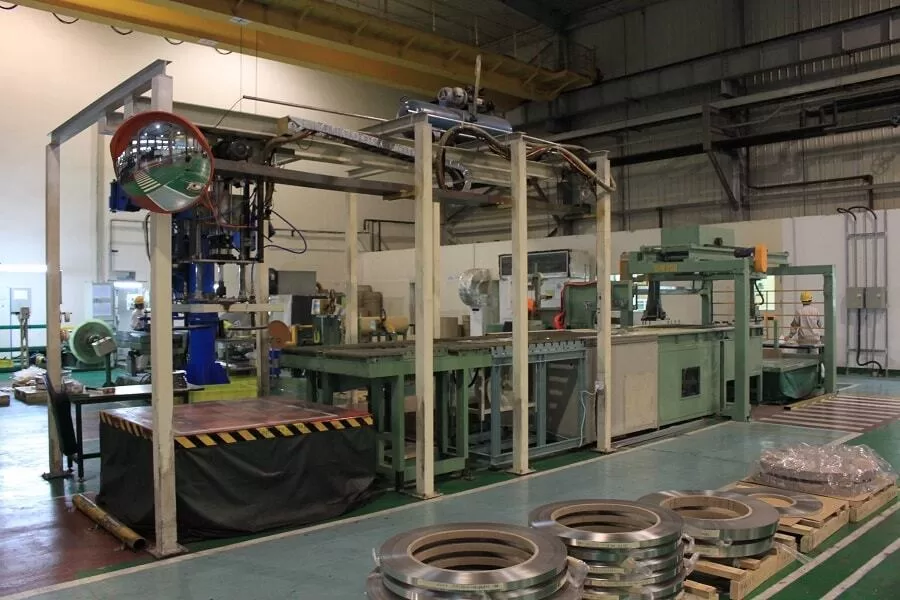
A Steel Coil Packing System is a comprehensive, often highly automated, solution designed to fully enclose and protect heavy coils. It typically integrates multiple processes such as wrapping, strapping, tilting, and conveying into a seamless production line. This system aims to minimize manual labor, maximize packaging speed, and ensure consistent, high-quality protection for the product from start to finish.
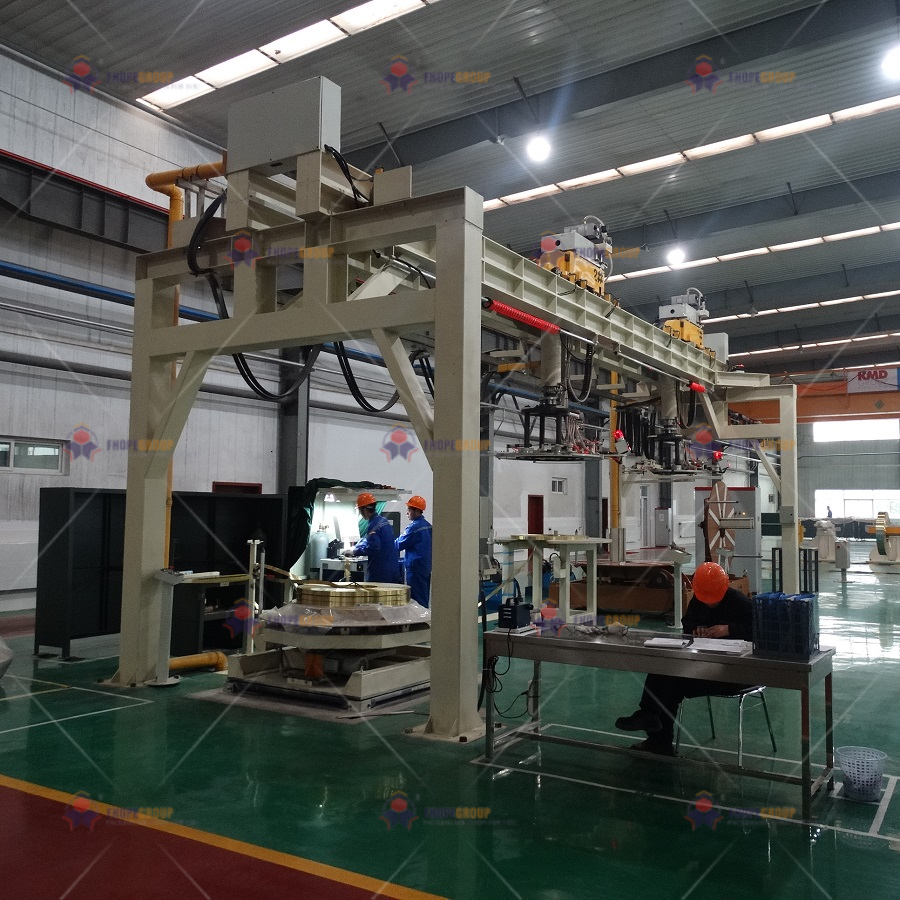
From my early days working on the factory floor, and later building my own successful packing machine factory, I saw firsthand the transformative power of automation. A true Steel Coil Packing System goes beyond just one function; it manages the entire packaging workflow. It handles everything from receiving the raw coil, rotating it into position, applying protective layers like stretch film or VCI paper, securely strapping it, and then moving it to the next stage, often for storage or loading. This integrated approach ensures that your valuable products like steel wire or copper strips are not just secured but also protected against rust, dust, and physical damage during transit and storage. This level of automation drastically reduces the risk of human error and workplace injuries, which is a major concern for any responsible factory manager. (automated packaging workflow, coil protection, reduced human error)
Key Components of an Automated Coil Packing System 🛠️
- Coil Loading and Unloading: This often involves coil cars or conveying systems that safely move heavy coils into and out of the packing station. These systems are designed to handle immense weight, eliminating manual lifting.
- Benefits: Increased safety, faster material handling, reduced risk of damage during transport.
- Wrapping Machine: This is the heart of the system, applying stretch film, VCI paper, or woven material around the coil’s outer diameter and eye. The wrapping can be done orbitally, radially, or axially, depending on the coil type and required protection.
- Benefits: Comprehensive protection against moisture, dust, and corrosion; consistent wrapping quality; customizable material application.
- Strapping Machine (integrated): Within the system, automatic strapping heads secure the wrapped coil with steel or PET straps. This step provides structural integrity to the package.
- Benefits: Secure bundling, prevents shifting, enhances overall package stability.
- Coil Tilting Device: Many systems include tilt tables or up-enders to reorient coils from vertical to horizontal or vice-versa, facilitating easier handling and packaging for different stages.
- Benefits: Versatility in handling, ergonomic benefits, reduced manual intervention in orientation.
- Conveying System: Robust roller or chain conveyors move coils between different packing stages, ensuring a smooth and continuous flow without manual effort.
- Benefits: Enhanced throughput, continuous operation, reduced floor space usage for temporary storage.
| Feature | Description | Impact on Production |
|---|---|---|
| Automation Level | Fully automatic, requiring minimal operator intervention | Drastically reduces labor costs and increases output speed |
| Product Protection | Multi-layer wrapping (stretch film, VCI paper), robust strapping | Superior protection against rust, dust, and physical damage |
| Safety Features | Automated handling, safety interlocks, reduced manual interaction | Significantly lowers workplace injury risks, improves employee morale |
| Output Capability | High-speed, continuous operation, consistent packaging quality | Maximizes throughput, meets demanding production schedules |
| Integration | Seamlessly connects with upstream and downstream processes | Streamlines entire production line, reduces bottlenecks |
An integrated Steel Coil Packing System is an investment in your factory’s future. It addresses core issues like efficiency bottlenecks, severe safety hazards from manual handling, and the product damage that can lead to costly customer complaints. By automating the entire process, factories can achieve consistent output, protect their valuable products, and, most importantly, create a much safer work environment for their employees. This is how you really build trust with your clients and empower your team. (automated packaging benefits, future investment, worker safety)
2. What defines a Coil Strapping Machine, and what are its core functions?
Do you find your packaging process relying heavily on manual labor for the final securing of coils? This can be slow, inconsistent, and often leaves your workers at risk of strain or injury when handling heavy straps and tools. I have seen many factories grapple with this, trying to balance speed with safety. (manual strapping challenges, inconsistent packaging, worker safety risks)
A Coil Strapping Machine is a specialized piece of equipment primarily designed to apply and tension straps around a coil, securing it for transport or storage. Its core function is to bundle the coil tightly, preventing it from unraveling or shifting. While some are fully automatic, many operate as semi-automatic units or as a single station within a larger, less integrated packaging line, often requiring manual positioning or feeding.
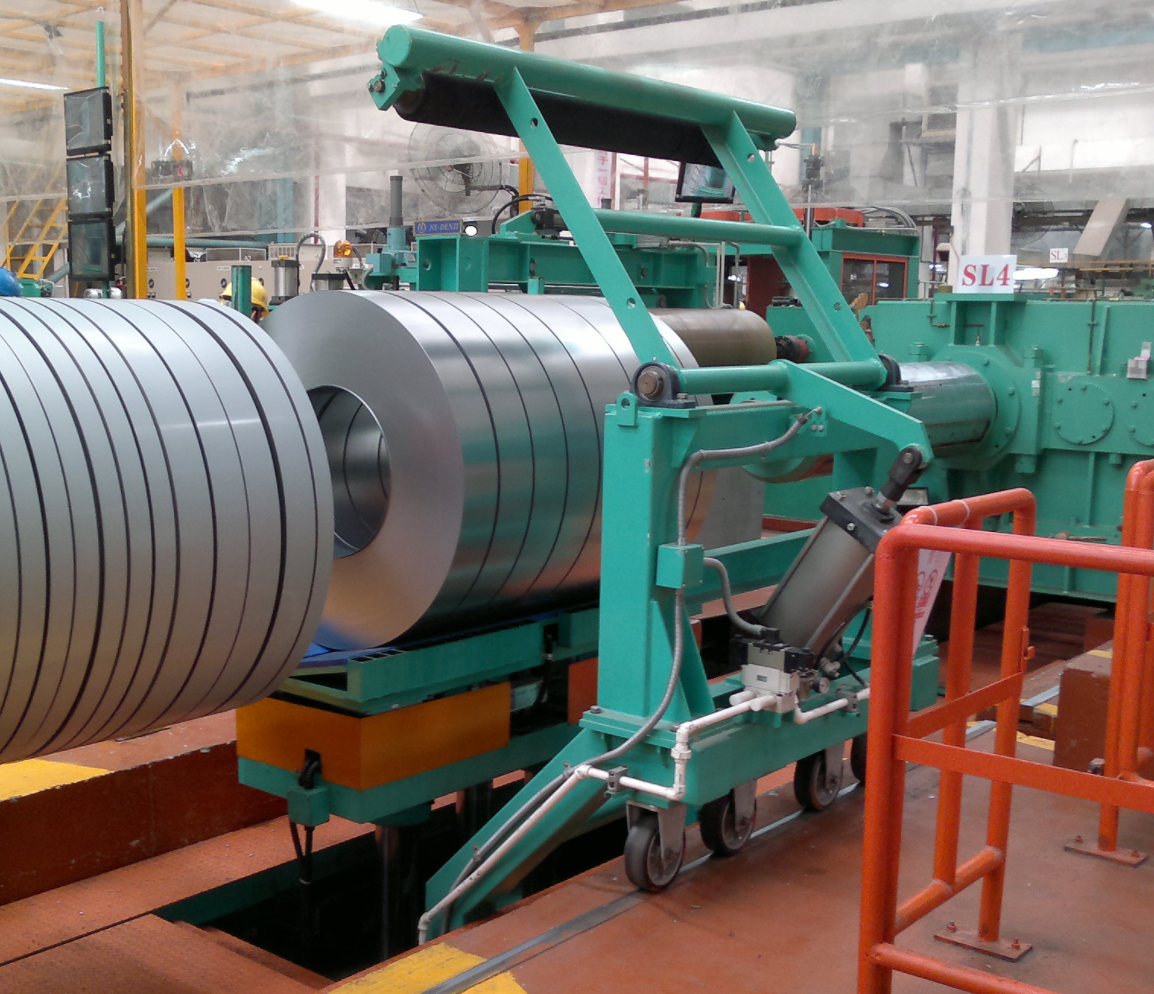
When I first started in the packing machine industry, strapping was often a very manual and physically demanding task. Workers had to wrestle heavy steel or plastic straps around coils, tension them with hand tools, and then seal them. A Coil Strapping Machine improves on this by automating parts of that process. It can take the strap, feed it around the coil, tension it, and then seal it, often with minimal operator input for the strapping action itself. However, the coil still needs to be brought to the machine, positioned correctly, and often removed manually or with an overhead crane. It is a critical component for ensuring product integrity, especially for heavy items like steel coils or wire, but its scope is generally more focused on the securing aspect rather than full-package creation or material handling. (coil strapping evolution, manual strapping to semi-automatic, product integrity)
Essential Features and Operation of Coil Strapping Machines 🔗
- Strap Feeding System: This mechanism guides the chosen strapping material (steel, PET, PP) around the coil. For larger coils, a lance or needle often feeds the strap through the coil eye.
- Purpose: Ensures consistent strap application around the circumference or through the eye of the coil.
- Tensioning Unit: Once the strap is in place, the tensioning unit pulls it tight around the coil, creating a secure bundle.
- Purpose: Prevents loosening during transit, ensures product stability.
- Sealing Head: After tensioning, the sealing head joins the ends of the strap together, typically through welding (for plastic straps) or crimping (for steel straps).
- Purpose: Creates a strong, permanent seal to maintain strap tension.
- Control Panel: Operators use the control panel to adjust parameters like strap tension, cycle speed, and the number of straps applied.
- Purpose: Allows customization for different coil sizes and strapping requirements.
- Coil Positioning: While the machine handles strapping, the coil usually needs to be accurately positioned by an operator, often using a crane, forklift, or a simple coil car, to ensure the straps are applied in the correct locations.
- Purpose: Ensures proper strap placement for optimal security and prevents damage to the coil surface.
Types of Strapping Materials and Their Applications:
| Material | Characteristics | Typical Applications | Advantages | Disadvantages |
|---|---|---|---|---|
| Steel | High tensile strength, rigid, durable | Heavy steel coils, wire coils, bundles | Maximum strength, resists extreme temperatures, good for heavy loads | Can scratch product, rusts, high cost, safety hazard to operators if snapped |
| PET | High tensile strength, elastic, rust-resistant | Medium to heavy coils, building materials | Safer than steel, shock-absorbent, weather-resistant, lower cost | Less rigid than steel, can stretch under prolonged heavy loads |
| PP | Lightweight, flexible, economical | Light to medium coils, general packaging | Cost-effective, easy to handle, good for temporary securing | Lower tensile strength, degrades under UV light, not for very heavy coils |
Coil strapping machines are vital for basic security and bundling. They provide the necessary force to keep coils intact, preventing uncoiling or shifting. However, they typically focus on a single aspect of packaging—the strapping itself. While effective for their specific task, they often require more human interaction for material handling and setup, contrasting with the fully integrated, hands-off approach of a complete packing system. It is about understanding where this essential tool fits into your broader operational strategy. (coil strapping purpose, material handling, operational strategy)
3. How do their functions and output capabilities truly compare for modern factories?
Are you evaluating which packaging solution will truly address your factory’s production bottlenecks and safety concerns? Simply put, are you getting the most "bang for your buck" in terms of efficiency, safety, and product protection? I’ve learned that a real investment delivers not just functionality but also significant improvements across your entire operation. (packaging solution evaluation, production bottlenecks, operational improvements)
Comparing a Steel Coil Packing System and a Coil Strapping Machine reveals stark differences in their functional scope and output capabilities, directly impacting a modern factory’s efficiency, safety, and cost structure. A full packing system offers end-to-end automation, comprehensive product protection, and high throughput with minimal labor, treating the entire packaging process as one integrated workflow. In contrast, a strapping machine, even an automatic one, provides focused securing for coils, often requiring more manual support for handling and additional packaging steps, thus yielding a more limited output scope.

When I think about the challenges factory managers like Michael face — the pressure to increase output, control costs, and ensure safety — the choice between these two solutions becomes very clear. A full Steel Coil Packing System is built for maximum efficiency and automation. It takes a raw coil and transforms it into a fully protected, ready-to-ship package without human intervention. This not only speeds up the process significantly but also removes workers from dangerous situations involving heavy machinery and moving coils. Imagine reducing the time spent on packaging by half, or even more, while eliminating product damage due to mishandling. That is the kind of impact a comprehensive system delivers. On the other hand, a Coil Strapping Machine, while effective for its specific task, typically requires more manual input around it. Coils need to be individually moved, positioned, and often wrapped by hand or through a separate process before or after strapping. This means more labor, more time per coil, and more opportunities for error or injury. (factory manager challenges, production efficiency comparison, safety improvements)
Direct Comparison: Steel Coil Packing System vs. Coil Strapping Machine
| Feature/Aspect | Steel Coil Packing System | Coil Strapping Machine |
|---|---|---|
| Automation Level | Highly to fully automatic (integrated conveying, wrapping, strapping) | Semi-automatic to fully automatic (strapping function only) |
| Functional Scope | Comprehensive: loading, wrapping, strapping, tilting, conveying, unloading | Specific: applying and tensioning straps |
| Product Protection | Multi-layer wrapping (rust, dust, physical) + strapping for integrity | Primarily secures against uncoiling/shifting (minimal surface protection) |
| Output Speed | Very high throughput, continuous, consistent | Moderate to high throughput (strapping part), often limited by manual handling of coils |
| Labor Requirement | Minimal human intervention, operators primarily monitor | Requires more operators for coil loading, positioning, and pre/post-strapping tasks |
| Safety | Significantly reduced human interaction with heavy coils, high safety | Reduced risk during strapping itself, but handling around machine may still pose risks |
| Space Footprint | Larger footprint due to integrated line | Smaller, more compact (for the strapping unit itself) |
| ROI / Cost Savings | Higher initial investment, but significant long-term savings in labor, safety, and reduced product loss | Lower initial investment, but ongoing labor costs and potential for other issues if not integrated |
| Product Damage Risk | Low due to automated and controlled handling | Moderate, especially if manual handling of coils around the machine is involved |
From my experience, the choice often boils down to your factory’s scale, specific production volume, and the criticality of complete product protection. If you are handling large volumes of steel coils or wire, and product integrity from production line to customer is paramount, then a full Steel Coil Packing System is the strategic move. It is about creating an uninterrupted flow, significantly boosting your overall output, and ensuring your workers are safe. If your needs are more focused on simply securing coils, and you have existing processes for other packaging steps, a Coil Strapping Machine might suffice as a standalone unit. But remember, for a factory manager aiming for true efficiency and robust growth, the integrated system offers a level of operational excellence that individual machines simply cannot match. It addresses efficiency bottlenecks, enhances safety, and reduces product loss in a way that truly drives profit. (production volume considerations, operational excellence, profit drivers)
4. Which solution is the right investment for your factory’s specific needs and future growth?
Are you at a crossroads, trying to decide on a major investment in your packaging operations? The wrong choice could mean missed opportunities, continued inefficiencies, or even escalating safety concerns. As someone who has built factories from the ground up, I understand the weight of these decisions. It is not just about today; it is about setting your factory up for success for years to come. (packaging investment decisions, operational efficiency, long-term success)
Choosing between a Steel Coil Packing System and a Coil Strapping Machine for your factory is a strategic decision that depends on your current production volume, automation goals, budget, and long-term vision for growth. A full packing system is ideal for high-volume operations seeking maximum automation, superior safety, and comprehensive product protection, offering a significant ROI through reduced labor and material damage. A standalone strapping machine is a more suitable, cost-effective option for lower-volume needs or specific strapping tasks within an existing, less automated setup.
From my journey, I have learned that the best equipment is not always the cheapest, but the one that truly solves your biggest problems and provides the clearest path to growth. For factory managers like Michael, who face efficiency bottlenecks, safety risks with manual handling, and product loss, a comprehensive Steel Coil Packing System is often the superior choice. It is a proactive investment that tackles all these challenges head-on. By automating the entire process, you are not just buying a machine; you are investing in a safer workplace, consistent high-quality output, reduced operational costs, and the ability to scale your production without needing to drastically increase your labor force. Think about the ROI from fewer worker injuries, less product rework due to damage, and faster delivery times for your customers. These factors quickly justify the initial investment. (strategic equipment choice, factory growth, ROI calculation)
Making the Right Choice: A Decision Framework 💡
1. Assess Your Current Production Volume and Growth Projections:
- High Volume (e.g., >50 coils/day): A Steel Coil Packing System is almost always the answer. Its high throughput capabilities are essential for keeping pace with demand and maximizing efficiency.
- Consider: How quickly do you need to move product? What are your peak production times?
- Low to Medium Volume (e.g., <50 coils/day): A Coil Strapping Machine might be sufficient, especially if your budget is limited and other packaging steps are managed differently.
- Consider: Can your current workforce handle the auxiliary tasks around the strapping machine?
2. Evaluate Your Automation Goals and Labor Costs:
- Maximize Automation, Minimize Labor: A full packing system is designed for this. It significantly reduces the need for manual labor in repetitive, strenuous, and dangerous tasks.
- Impact: Lower operating costs, redeploy skilled labor to other areas, reduced hiring challenges.
- Specific Task Automation, Moderate Labor: A strapping machine automates the strapping process, but other tasks like loading, wrapping, and unloading might still require significant manual input.
- Impact: Cost savings are more localized to the strapping function.
3. Prioritize Safety and Product Integrity:
- Highest Safety and Product Protection: The integrated handling and wrapping of a Steel Coil Packing System drastically reduces human interaction with heavy coils, virtually eliminating manual handling risks and ensuring consistent, robust protection.
- Benefit: Fewer workplace accidents, lower insurance costs, enhanced brand reputation.
- Improved Strapping Safety, Variable Overall Safety: A Coil Strapping Machine improves safety during the strapping process itself. However, if coils are still moved manually by cranes or forklifts without automated guidance, overall safety risks persist.
- Benefit: Targeted safety improvement, but broader systemic risks might remain.
4. Consider Budget and Return on Investment (ROI):
- Higher Initial Investment, Faster Long-Term ROI: While a full packing system costs more upfront, its benefits in labor savings, reduced product loss, faster production, and improved safety often lead to a quicker and more substantial long-term ROI.
- Think: "What are my annual labor costs for packaging? How much product do I lose to damage? What is the cost of a single workplace injury?"
- Lower Initial Investment, Slower or Limited ROI: A strapping machine has a lower purchase price. The ROI is primarily derived from improved strapping speed and consistency, but overall labor savings might be less significant.
- Think: "Does this investment truly solve my biggest pain points, or just one small part of them?"
As your partner, FHOPEPACK, we believe in sharing knowledge and finding the right fit for your unique challenges. We do not just sell machines; we offer solutions based on deep industry experience, much like my own journey from employee to factory owner. For comprehensive, high-volume needs, I always recommend looking at a complete Steel Coil Packing System. It is the gold standard for efficiency, safety, and ultimate product protection in a modern factory. If you are considering this type of automation, reach out. We can discuss your specific factory challenges and find a solution that helps you achieve financial independence and business growth, just as I have been fortunate enough to do. (FHOPEPACK partnership, tailored solutions, business growth)
Conclusion
A Steel Coil Packing System offers full automation, safety, and comprehensive protection for high-volume operations, while a Coil Strapping Machine provides focused securing. Your factory’s scale, goals, and safety priorities should guide your choice for long-term growth and efficiency. Explore our steel coil packaging line solutions to see what fits best.


