Are Steel Coil Packing Machines the Master Key for Indian Manufacturers?
Are you an Indian manufacturer feeling the pressure? I know many factory managers are. You face constant demands to increase output, control costs, and keep your team safe. If your steel coil and wire packing processes rely too much on manual labor, you’re likely struggling with slow speeds, efficiency bottlenecks, and serious safety risks. This doesn’t just slow down production; it eats into your profits and puts your valuable team members in harm’s way. This is a common pain point I have seen across many manufacturing plants.
Steel coil packing machines are essential for Indian manufacturers looking to boost efficiency, enhance worker safety, and reduce product damage. They offer automated solutions for wrapping, strapping, and handling coils, leading to faster throughput, lower labor costs, and consistent, high-quality packaging, which is critical for India’s growing industrial sector and global competitiveness.
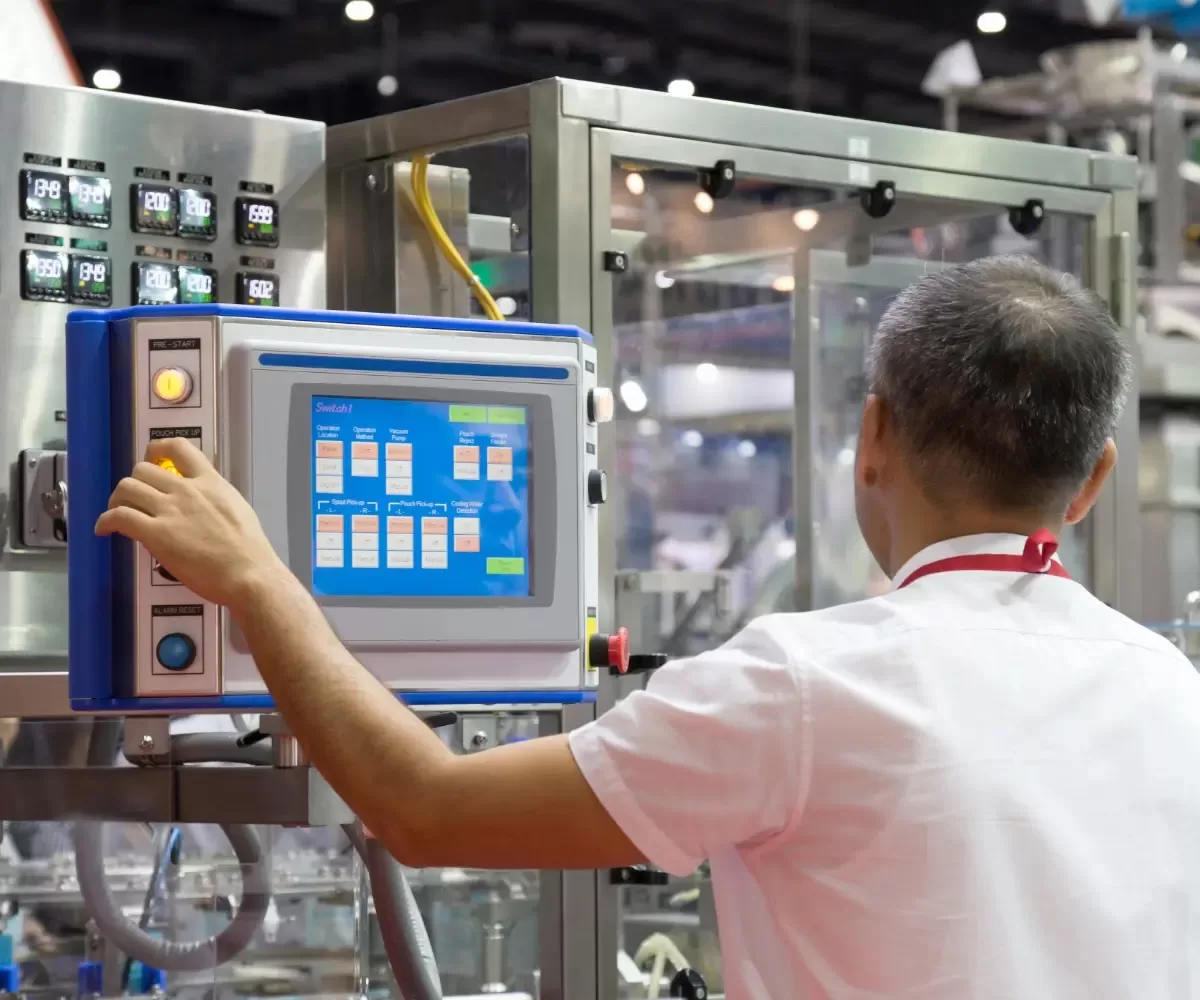
As someone who started on the factory floor and later built a successful packing machine business, I understand these challenges deeply. It is not just about buying a machine. It is about finding a solution that genuinely addresses your operational pains and helps your business grow. Let’s explore how modern steel coil packing machines can revolutionize your operations and provide a clear return on investment in the Indian manufacturing landscape.
1. How Can Indian Manufacturers Boost Packing Efficiency and Automation?
Are your current steel coil packing methods holding back your entire production line? Many Indian factories find their end-of-line processes are slow and inefficient. Relying on extensive manual labor for coil packing creates bottlenecks, delays shipments, and ultimately impacts your bottom line. This inefficiency can be a major hurdle to scaling operations and meeting market demand.
Indian manufacturers can significantly boost packing efficiency by integrating automated steel coil packing machines. These systems replace manual processes with consistent, high-speed wrapping and strapping, eliminating bottlenecks and allowing for continuous production flow, which is vital for competitive growth in the Indian market.

Improving efficiency means looking at every step of your packing process. Manual handling of heavy steel coils is not only slow but also inconsistent. This leads to varying package quality and potential product damage. Automated solutions address these issues head-on. They provide standardized packaging, faster cycle times, and reduced reliance on human intervention. I have seen how factories transform when they adopt automation, especially in high-volume environments. This shift allows manufacturers in India to meet tighter deadlines and maintain a competitive edge. It also frees up your workforce for more skilled tasks.
The Pillars of Packing Automation:
- Automatic Wrapping Systems: Instead of workers manually applying protective layers, machines do this quickly and evenly. They use stretch film, VCI paper, or woven fabric, depending on the coil type and protection needs. This ensures full coverage and protection against dust, moisture, and corrosion. Think about the time saved per coil. (Automated wrapping for coils)
- Integrated Strapping Solutions: After wrapping, coils need secure strapping. Automated strapping machines apply steel or PET straps with consistent tension. This holds the package together during transit. Manual strapping is labor-intensive and often inconsistent. Automation here means stronger packages and fewer customer complaints about damaged goods. (Automatic coil strapping)
- Smart Material Handling: Automation extends beyond just wrapping and strapping. It includes conveyor systems, up-enders, and transfer carts. These move coils safely and quickly between packing stages. This seamless flow prevents delays and reduces the risk of accidents caused by manual handling of heavy items. This integrated approach creates a truly efficient packing line. (Automated coil handling India)
For example, a typical manual packing process for a steel coil might take 10-15 minutes with 2-3 workers. An automated system can complete the same task in 1-3 minutes with just one operator overseeing it. This translates to significant time savings and higher throughput for Indian steel producers. It directly addresses the efficiency bottlenecks many factory managers, like Michael, experience daily. (Steel coil packing efficiency)
2. What Essential Features Define a Robust Steel Coil Packing Machine for India’s Demanding Environment?
Indian factories, especially in the metal processing sector, are tough places. They operate under high intensity, often with dust, heavy loads, and continuous shifts. Many manufacturers have been burned by machines that promise a lot but fail quickly in these harsh conditions. Investing in equipment that isn’t built for durability is a costly mistake. It leads to frequent breakdowns, high maintenance, and lost production time.
A robust steel coil packing machine for India’s demanding environment must feature heavy-duty construction, advanced PLC controls for precision, and customizable options to handle diverse coil sizes and weights. These features ensure long-term reliability, minimal downtime, and consistent performance in challenging industrial settings.
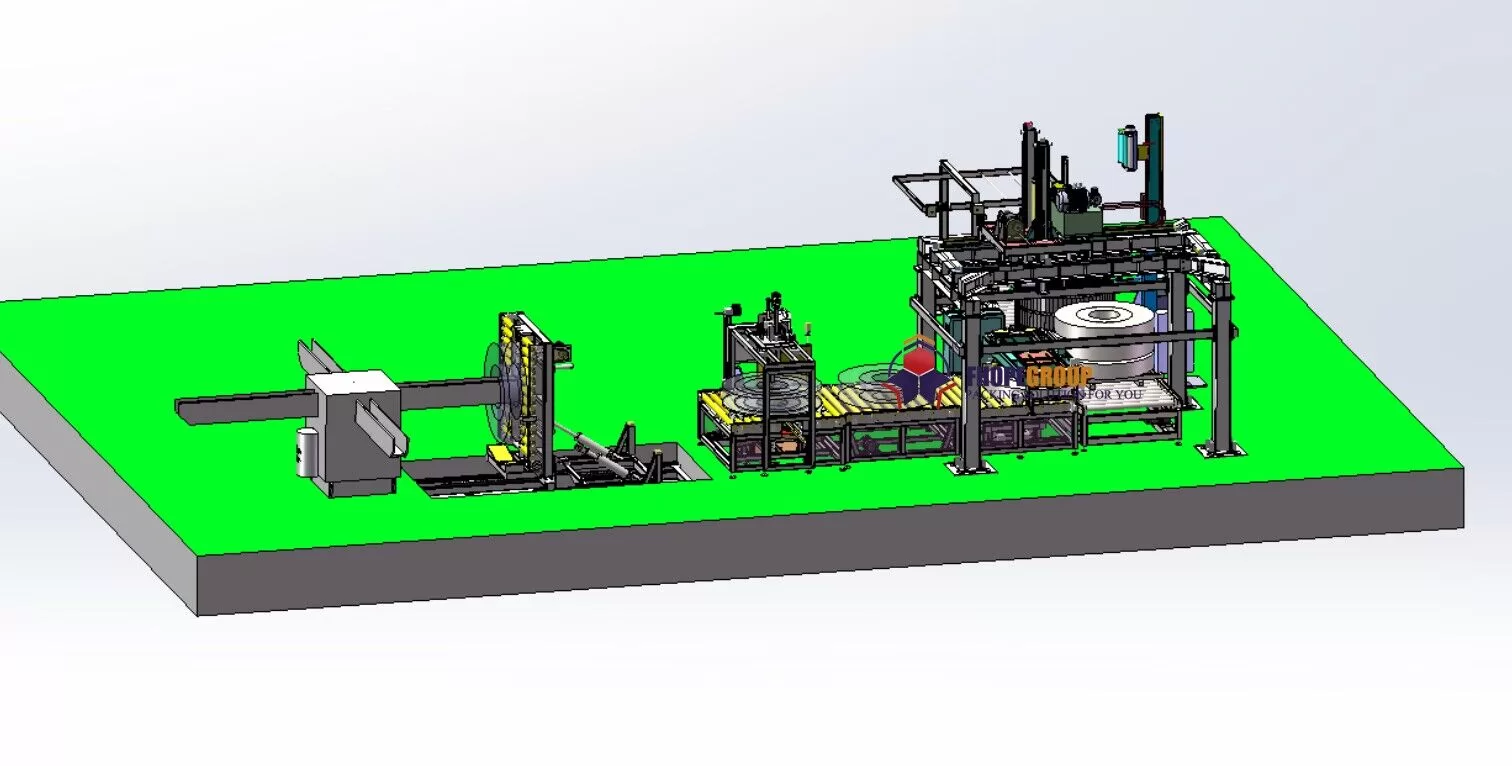
When I started my packing machine factory, I knew that reliability was not just a feature; it was a promise. Machines need to work day in and day out, even in tough Indian factory conditions. A machine breaking down means lost production and missed deadlines. This can damage a manufacturer’s reputation and bottom line. That is why choosing a machine with the right core features is so important.
Key Features for Unyielding Performance:
- Heavy-Duty Construction and Materials: The machine structure should be made from robust steel profiles. Components like rollers, motors, and gearboxes must withstand continuous heavy loads. Look for high-quality, industrial-grade parts. For example, a machine using thicker steel plates and hardened rollers will last much longer than one built with lighter materials. This resilience is crucial for handling large steel coils which can weigh several tons. (Heavy-duty steel coil packing machine)
- Advanced and User-Friendly Control Systems: Modern packing machines use Programmable Logic Controllers (PLCs) and Human-Machine Interfaces (HMIs). These allow precise control over wrapping parameters, strapping tension, and conveyor speeds. A well-designed HMI with clear graphics makes the machine easy to operate, even for new staff. This reduces the learning curve and minimizes operational errors. Features like fault diagnostics and remote support capabilities can further enhance uptime. (PLC control for packing machines)
- Customization and Versatility: Factories in India handle a wide range of steel coil dimensions, from narrow slitted coils to large master coils. A good machine must adapt. This means adjustable wrapping rings, modular components, and programming flexibility. It should handle different packing materials efficiently. For example, a machine that can switch between multiple film widths or strapping types offers greater flexibility for varied production needs. This adaptability ensures your investment remains valuable as your product mix changes. (Customizable coil packing solutions)
Investing in these robust features might seem like a higher upfront cost. However, the extended lifespan, reduced maintenance, and consistent performance lead to a much lower total cost of ownership. This is something I always emphasize to my clients. It is about understanding the long-term value, not just the initial price tag. (Reliable packing machines India)
3. How Do Advanced Packing Solutions Enhance Worker Safety and Minimize Product Damage in India?
Safety is a huge concern in any heavy industry. For Indian manufacturers dealing with steel coils, manual handling presents significant risks. Workers often lift, shift, or manually strap heavy coils, leading to high rates of injuries. Beyond worker safety, poor packing methods also result in product damage, like bent edges or surface scratches. This leads to customer complaints and financial losses. These are real problems I hear from factory managers like Michael.
Advanced steel coil packing machines significantly enhance worker safety by automating heavy lifting and hazardous tasks, reducing manual intervention. They also minimize product damage through precise handling, consistent wrapping, and secure strapping, ensuring coils arrive at customers in pristine condition.
Dive deeper Paragraph:
Worker safety should always be a top priority. My own journey through the packing machine industry has shown me the direct impact of workplace accidents. They are devastating for employees and costly for businesses. High injury rates lead to increased insurance premiums, lost workdays, and high employee turnover. Similarly, product damage, even minor, can ruin customer trust and lead to costly returns. Modern packing machines are designed with solutions for both these critical areas.
Safety First, Product Protected:
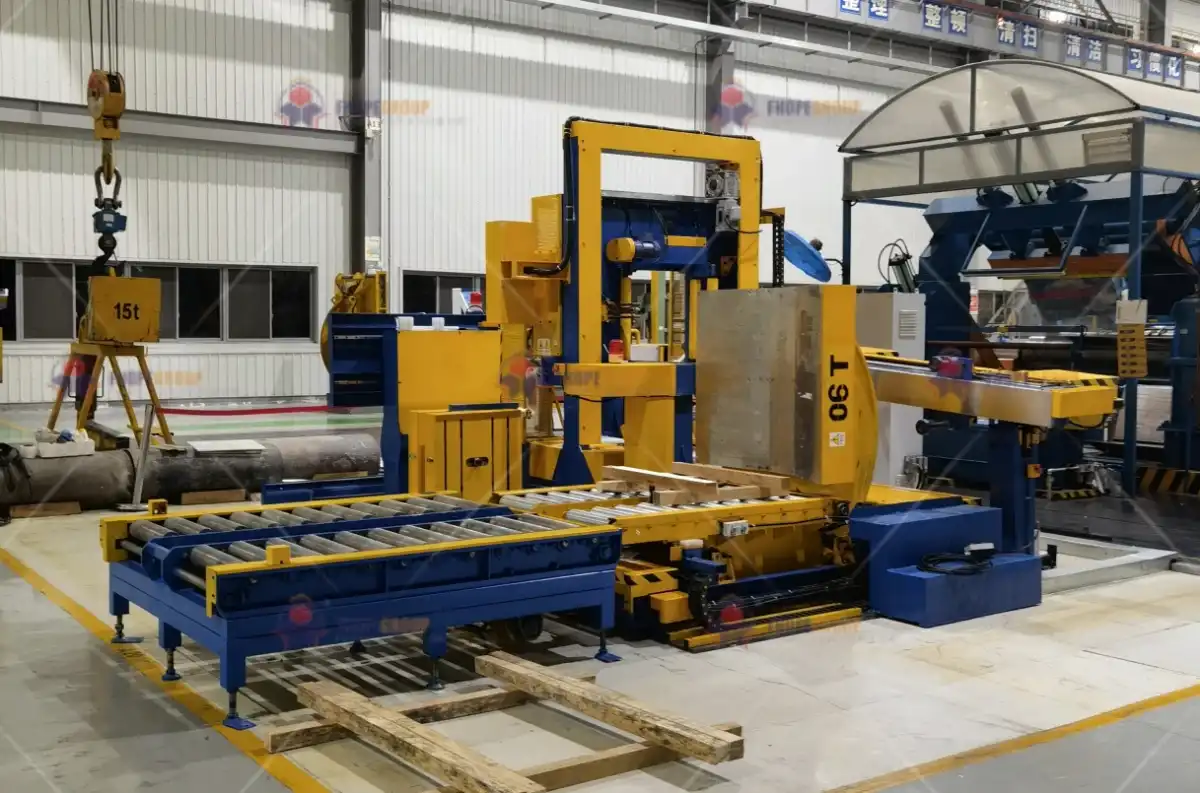
- Automated Handling and Reduced Manual Intervention 👷: The biggest safety gain comes from removing workers from hazardous situations. Automated systems use conveyors, coil cars, and robotic arms to move coils. This eliminates the need for manual lifting, tilting, or pushing heavy items. Workers can operate the machine from a safe distance using a control panel. This drastically lowers the risk of crushing injuries, strains, and other accidents associated with heavy coil handling. (Worker safety in steel factories India)
- Reduced Injury Risk: Manual handling of steel coils causes back injuries, sprains, and even amputations. Automation replaces this with mechanical precision.
- Ergonomic Work Environment: Operators supervise instead of performing strenuous physical tasks, leading to a healthier and more productive workforce.
- Safety Interlocks and Features 🛑: Modern machines come equipped with multiple safety features. These include emergency stop buttons, safety guarding, light curtains, and interlocking doors. These features prevent the machine from operating if a worker is in a hazardous zone. They also stop the machine instantly in an emergency. Compliance with international safety standards (like CE) is something to look for when choosing equipment. These safety protocols are not optional; they are essential for responsible manufacturing. (Safety features packing machines)
- Superior Product Protection 🛡️: Product damage often happens during internal transfer or poor packaging. Automated systems provide consistent and protective wrapping. This includes optimal film tension, overlapping, and secure strapping. This protects coil edges from dents and surfaces from scratches or corrosion during storage and transport. By reducing damage, manufacturers also reduce scrap, rework, and customer returns. This directly impacts your profitability and client satisfaction. (Protecting steel coils from damage)
By investing in these advanced solutions, Indian manufacturers can create a much safer work environment for their employees. They can also ensure that their valuable products reach customers in perfect condition. This builds a reputation for quality and reliability. It is a win-win for both your team and your business. (Automated coil protection India)
4. What’s the Tangible ROI for Indian Businesses Investing in Automated Coil Packing Technology?
Every major investment needs a clear return. For factory managers in India, spending on new machinery can be a big decision, especially if the benefits are not obvious. Many worry about the upfront cost of automated coil packing solutions. They ask if the investment will truly pay off. Without a clear understanding of the return on investment (ROI), making such a move feels too risky.
The tangible ROI for Indian businesses investing in automated coil packing technology includes significant reductions in labor costs, minimized product waste, and increased production throughput. These savings, combined with improved safety and customer satisfaction, lead to enhanced overall profitability and a competitive advantage in the market.
When I advise my clients, I always emphasize looking beyond the initial purchase price. The true cost of any machine, or any process, includes labor, materials, waste, and even potential legal costs from accidents. Automated coil packing solutions offer a robust ROI across several key areas. I have seen firsthand how these investments transform a business’s financial health. It is not just about replacing workers; it is about smarter resource allocation and long-term growth.
Calculating Your Return on Investment (ROI):
- Labor Cost Reduction 💰: This is often the most direct and significant saving. Automated machines reduce the number of workers needed for packing. For example, a task requiring 3-4 workers can often be handled by 1-2 operators overseeing an automated system. This means fewer wages, benefits, and training costs. In a country like India, with a large workforce, optimizing labor usage is still crucial for high-volume operations seeking global competitiveness. (Labor savings automated packing)
- Example: If you replace 2 full-time workers (each costing ₹20,000/month) with an automated system, you save ₹40,000/month, or ₹480,000/year, just in direct wages. This does not even count insurance or other overheads.
- Material and Waste Optimization ♻️: Manual packing often leads to inconsistent material use and waste. Automated machines apply wrapping materials (film, paper) with precision. They ensure optimal tension and coverage, reducing material overuse. They also minimize product damage during packing. This means less scrap metal and fewer damaged coils. These savings directly contribute to your bottom line. (Reduced packing material waste)
- Reduced Product Damage: If 2% of your coils worth ₹100,000 each are damaged due to poor packing, automating could save you ₹2,000 per coil. For 100 coils a day, this is ₹200,000 daily in saved product value.
- Increased Throughput and Market Share 📈: Automated systems operate faster and more consistently than human labor. This means you can pack more coils per shift. Increased throughput allows you to fulfill more orders, reduce lead times, and potentially take on new clients. This boosts your production capacity and market share, especially in India’s competitive manufacturing landscape. (Increased production capacity India)
- Competitive Edge: Faster delivery and higher quality packaging can give you an advantage over competitors. It also improves customer satisfaction and repeat business.
- Safety Cost Reduction: Fewer workplace injuries mean lower insurance premiums, reduced worker compensation claims, and less downtime due to accidents. This is a crucial, often overlooked, financial benefit. (Packing safety cost reduction)
The total ROI comes from combining all these factors. When you consider the savings in labor, materials, reduced waste, improved safety, and increased output, the investment in a high-quality steel coil packing machine becomes a clear path to profitability and sustained business growth for Indian manufacturers. (ROI for packing equipment India)
Conclusion
Investing in automated steel coil packing line solutions offers Indian manufacturers a clear path to higher efficiency, enhanced safety, and greater profitability. These machines are not just equipment; they are strategic partners for growth.


