Steel Coil Packing Machine vs Orbital Wrapping — Which Protects Coils Better?
Do you often worry about your valuable steel coils getting damaged during transport or storage? Are you tired of inefficient packing methods that slow down your production line and lead to costly product loss? Many factory managers, like Michael Chen in Mexico, face these exact problems every day. They struggle with manual processes, safety risks, and the constant pressure to boost output. What if there was a way to truly protect your coils, streamline your operations, and save money?
When it comes to protecting steel coils, both dedicated steel coil packing machines and orbital wrapping systems offer distinct advantages, but a specialized steel coil packing machine often provides superior, multi-layered protection against impact, moisture, and dust, especially for heavy-duty industrial environments. While orbital wrappers offer good all-around surface coverage, a true steel coil packing machine integrates robust strapping, eye-wrapping, and radial wrapping to create a more resilient package for demanding conditions.
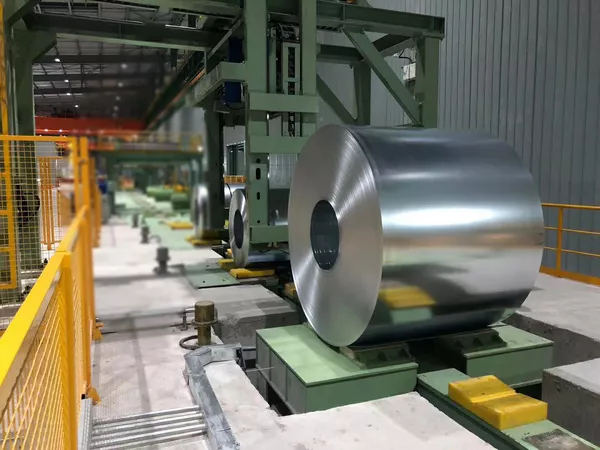
Choosing the right packing solution is not just about wrapping. It is about understanding your factory’s specific needs, your production volume, and the kind of protection your valuable products truly require. Let us dive deeper into these two common packing methods to help you make an informed decision for your operation.
1. Steel Coil Packing Machine: What Does It Do for Your Coils?
Is your current packing method leaving your expensive steel coils exposed to damage, impacting customer satisfaction and your bottom line? Are you looking for a robust solution that can handle the rigorous demands of a busy metal processing plant without constant breakdowns or safety concerns?
A steel coil packing machine is a purpose-built system designed to provide comprehensive, heavy-duty protection for metal coils, wire coils, and other similar products. This is not just a general wrapper; it is an engineered solution that often integrates multiple stages of packaging to ensure maximum security. It handles everything from strapping to radial wrapping. This specialized equipment targets the specific vulnerabilities of steel coils, like edge damage and moisture ingress, common issues in industrial settings.
Understanding the Multi-Layered Protection of Coil Packing Machines
When I started my packing machine factory, I saw firsthand the need for reliable coil protection. A good steel coil packing machine focuses on creating a multi-layered defense for your products. This means more than just a single wrap; it is a combination of techniques working together. For example, in a large Mexican metal processing plant, like Michael Chen’s, steel coils are heavy and their edges are very susceptible to damage during internal transport or shipping. A dedicated machine addresses this directly.
Here is how these machines offer superior protection:
-
Radial Wrapping (Outer Surface Protection):
- This is the most visible part. The machine wraps the entire outer diameter of the coil with protective film or stretch wrap.
- It creates a strong barrier against dust, moisture, and minor abrasions.
- The tension applied during wrapping compacts the package, making it more stable.
- It helps prevent the coil from unraveling during handling.
-
Eye Wrapping (Inner Diameter Protection):
- Many steel coil packing lines include an eye-wrapping station. This is crucial for coils stored "eye to the sky" or handled with internal lifting devices.
- It protects the inner diameter from dust and damage, which can be a critical point of failure.
- This wrap often uses different materials, such as VCI film (Volatile Corrosion Inhibitor), to prevent rust inside the coil.
-
Strapping (Structural Integrity):
- Before or after wrapping, steel or PET strapping is applied around the coil.
- This provides crucial structural integrity, holding the coil tight and preventing expansion or deformation.
- It is essential for heavy coils that undergo significant handling and stacking.
- Proper strapping reduces the risk of the coil "telescoping" during transport.
-
Optional Features for Enhanced Protection:
- VCI Film Dispensing: Automatic application of anti-corrosion films to prevent rust, vital for long-term storage or humid environments.
- Edge Protection: Specific applicators for corner or edge protectors to guard against impact damage, addressing a key pain point for valuable products.
- Labeling and Identification: Integrated systems for clear product tracking and inventory management, improving overall logistics efficiency.
These combined elements make a steel coil packing machine a fortress for your products. It reduces product loss, cuts down on customer complaints, and ensures your coils arrive in perfect condition. This level of comprehensive protection directly tackles challenges like product loss from edge damage that Michael faces in his factory operations. (Heavy-duty steel coil packaging, integrated packing solutions, metal coil edge protection)
2. Orbital Wrapping: Is It the Right Choice for Coil Protection?
Are you currently using manual wrapping methods that are slow and inconsistent, or wondering if a basic wrapping solution is enough for your specific coil products? Does the thought of investing in complex machinery seem daunting, making you consider simpler alternatives like orbital wrapping?
Orbital wrapping machines are versatile packaging solutions often used for elongated products or bundles that need to be wrapped around their circumference. They work by having a rotating arm pass a roll of stretch film around a product, creating a protective layer. For coils, this means the film is applied around the coil’s outer diameter, often while the coil remains stationary or is slowly moved through the machine’s center. This method is effective for unitizing and basic dust and moisture protection.
Evaluating Orbital Wrapping’s Role in Coil Protection
While orbital wrapping is a powerful tool for many industries, its suitability for heavy steel coils, like those processed in a factory in Mexico, depends heavily on the specific protection requirements. From my experience in the packing machine industry, orbital wrappers shine in certain applications, but they also have limitations when it comes to the extreme demands of metal coil packaging.
Let us look at the pros and cons for steel coils:
| Feature | Orbital Wrapping for Coils | Considerations for Heavy Coils |
|---|---|---|
| Protection Type | Surface wrap against dust, moisture, and light abrasions. | Provides good surface coverage, but less robust against heavy impact or edge damage. |
| Automation Level | Can be highly automated for consistent wrapping speed and tension. | Good for end-of-line unitization, but might require pre-strapping for heavy coils. |
| Speed & Efficiency | Generally faster than manual wrapping for standard products. | Wrapping speed depends on coil dimensions and film layers. May not handle high throughput alone. |
| Cost (Initial) | Often lower initial investment compared to full coil packing lines. | Lower cost but might lack the specific features needed for comprehensive coil protection. |
| Versatility | Can wrap various shapes and sizes (within machine limits). | Good for outer wrap, but typically does not include eye-wrapping or integrated strapping. |
| Product Integrity | Secures products for transport; prevents shifting. | For very heavy coils, extra strapping is often needed to prevent telescoping or internal movement. |
| Safety Improvements | Reduces manual film application, improving worker safety. | Still requires careful coil loading/unloading, may not fully eliminate heavy manual handling risks. |
Orbital wrappers are excellent for providing a basic, aesthetic, and functional outer wrap. If your primary concern is keeping dust off and offering some moisture resistance for relatively stable coils, an orbital wrapper can be an efficient choice. However, if your coils are extremely heavy, prone to edge damage, or require specialized anti-corrosion treatments, an orbital wrapper alone might not offer the complete protection package. It is crucial to understand these differences to avoid future product damage and client complaints. (Orbital stretch wrapping coils, industrial packaging solutions, metal coil surface protection, semi-automatic coil wrapping)
3. Protection Power: How Do These Machines Stack Up for Coil Safety?
Are you constantly battling product damage and safety issues in your factory, causing stress and impacting your production goals? Is it hard to decide which packing method truly offers the best defense for your valuable steel coils against the rigors of handling and shipping?
The core difference between a dedicated steel coil packing machine and an orbital wrapper lies in their "protection power" – their ability to shield coils from various threats. A steel coil packing machine is engineered from the ground up to address the unique challenges of metal coils. This includes preventing deformation, corrosion, and physical damage, especially along vulnerable edges. Orbital wrappers, while effective for general wrapping, typically provide a more superficial layer of protection, which might not be enough for the demands of heavy industries.
A Head-to-Head Comparison of Coil Protection Capabilities
Let us put these two machine types side by side and evaluate how well they protect your steel coils, considering the real-world conditions Michael Chen’s factory experiences.
-
Impact and Edge Protection:
- Steel Coil Packing Machine: ⭐⭐⭐⭐⭐ (Excellent)
- Designed with robust strapping and optional edge protectors. This prevents critical edge damage during loading, unloading, and stacking. I remember one client in logistics whose damage complaints dropped by 80% after they invested in a machine that integrated solid edge protection. This is a game-changer for businesses dealing with high-value steel.
- The tight, multi-directional wrapping and strapping combine to create a dense, impact-resistant package.
- Orbital Wrapper: ⭐⭐⭐ (Good for surface)
- Provides a protective film layer over the surface. This helps against minor scuffs.
- It does not inherently offer specialized edge protection or the same structural reinforcement against heavy impacts. Coils might still telescope or suffer edge damage if not pre-strapped.
- Steel Coil Packing Machine: ⭐⭐⭐⭐⭐ (Excellent)
-
Moisture and Corrosion Prevention:
- Steel Coil Packing Machine: ⭐⭐⭐⭐⭐ (Excellent)
- Often integrates VCI (Volatile Corrosion Inhibitor) film application. This creates a chemical barrier against rust.
- Can achieve very tight, hermetic seals around the entire coil, including the eye, preventing moisture ingress from all directions.
- Orbital Wrapper: ⭐⭐⭐⭐ (Very Good for surface)
- Stretch film provides a good barrier against external moisture and dust on the wrapped surface.
- However, without specific eye-wrapping capabilities or VCI integration, the coil’s inner diameter might remain vulnerable to corrosion, especially in humid climates common in many industrial regions.
- Steel Coil Packing Machine: ⭐⭐⭐⭐⭐ (Excellent)
-
Structural Integrity and Load Stability:
- Steel Coil Packing Machine: ⭐⭐⭐⭐⭐ (Superior)
- The combination of strapping (steel or PET) and multi-directional film wrapping ensures maximum structural integrity. This prevents coils from unwinding or deforming.
- Crucial for safe stacking and transport of very heavy coils.
- Orbital Wrapper: ⭐⭐⭐⭐ (Good for unitizing)
- Helps unitize and stabilize the product.
- For heavy steel coils, additional strapping is almost always required to ensure the coil’s stability and prevent shifting during handling. The film alone might not be enough to resist the internal forces of a heavy coil.
- Steel Coil Packing Machine: ⭐⭐⭐⭐⭐ (Superior)
-
Automation and Safety Integration:
- Steel Coil Packing Machine:
- High levels of automation reduce manual handling. This lowers the risk of worker injury, a key challenge for Michael’s factory in terms of reducing insurance costs and employee turnover.
- Automated loading, wrapping, and unloading significantly enhance workplace safety.
- Orbital Wrapper:
- Automates the wrapping process, reducing the need for workers to physically apply film.
- However, the loading and unloading of heavy coils still need careful, often manual, or semi-manual handling. This might still pose safety risks depending on the machine’s specific configuration.
- Steel Coil Packing Machine:
Choosing a machine with superior protection power is a direct investment in the longevity and quality of your products. It reduces waste and protects your profit margins. (Coil packaging comparison, industrial coil protection, metal coil damage prevention, automatic coil strapping)
4. Which Packing Solution is Best for Your Factory?
Are you still wrestling with production bottlenecks, safety hazards from manual handling, and the frustrating reality of damaged products? Do you need a packaging solution that delivers clear ROI, reduces labor costs, and genuinely enhances worker safety while driving automation in your facility?
Deciding between a steel coil packing machine and an orbital wrapper depends entirely on your specific operational context, product requirements, and strategic goals. For factory managers like Michael Chen, who oversee vast operations in a metal processing plant and prioritize efficiency, safety, and cost reduction, the choice often leans towards a more integrated and specialized solution. It is about aligning the equipment’s capabilities with your challenges and long-term vision.
Making the Right Choice: Matching Solutions to Your Needs
To help you make the best decision for your factory, let us consider various factors that go beyond just the surface protection.
Key Factors for Decision Making:
- Product Weight and Dimensions:
- Heavy Steel Coils (e.g., >1 ton): A dedicated steel coil packing machine is almost always the better choice. Its robust construction and integrated strapping capabilities are designed for such weights. For example, Fengding offers heavy-duty coil packing lines built to withstand the rigors of large-scale steel operations.
- Lighter Coils or Bundles: An orbital wrapper might be sufficient, especially if throughput is high and comprehensive protection is not the absolute top priority. Wuxi Buhui also provides reliable orbital wrapping solutions for various industrial needs.
- Protection Requirements:
- Maximum Protection (Impact, Corrosion, Edges): Go with a full steel coil packing machine. It offers multi-layered defense crucial for sensitive or high-value metal products. This addresses Michael’s challenge of product loss due to damage.
- Basic Surface Protection (Dust, Moisture): An orbital wrapper can handle this effectively, but be mindful of the need for additional strapping for stability.
- Automation and Labor Costs:
- High Automation Goal, Reduce Labor: Steel coil packing machines are highly automated. They minimize human intervention, directly tackling efficiency bottlenecks and reducing labor costs. This is a primary goal for Michael’s plant, aiming for significant ROI.
- Moderate Automation, Manual Assistance: Orbital wrappers automate the wrapping but may still require more manual handling for coil feeding or pre-strapping for very heavy items.
- Safety Considerations:
- Prioritize Worker Safety: The less manual handling of heavy coils, the safer your workplace. Steel coil packing lines significantly reduce the need for workers to be near moving, heavy objects. This addresses the critical safety concerns and high injury risks Michael faces.
- Improve Wrapping Safety: Orbital wrappers improve safety by taking over the manual stretching of film around products. However, ensure coil handling equipment is also robust.
- Throughput and Production Speed:
- High-Volume Production Line: A fully integrated steel coil packing line is engineered for high throughput. It keeps up with demanding production schedules, ensuring efficiency.
- Medium-Volume Production: An orbital wrapper can be efficient, but consider if it creates a bottleneck at the end of your line.
- Budget and ROI:
- Long-Term ROI, Higher Initial Investment: Steel coil packing machines often have a higher upfront cost. However, the long-term savings from reduced product damage, lower labor, and improved safety often lead to a significant and measurable ROI. This is Michael’s focus: clear ROI.
- Lower Initial Cost: Orbital wrappers are typically more budget-friendly initially. Ensure they meet all your protection and efficiency needs to avoid hidden costs later.
Ultimately, your choice should align with your factory’s specific demands, ensuring that the packaging solution contributes positively to your overall operational efficiency, safety records, and profitability. (Automated packaging solutions, industrial factory automation, metal coil packing ROI, heavy industry safety improvements)
My Insights!
From my journey in the packing machine industry, establishing FHOPEPACK, and helping many clients grow, I have learned one thing: the right partnership makes all the difference. For factory managers like Michael Chen, who needs robust solutions for heavy metal coils, a dedicated steel coil packing machine is often the answer. It is not just about a single machine; it is about an integrated solution that solves efficiency bottlenecks, enhances safety, and protects your valuable products from damage. While orbital wrappers have their place, for the unforgiving environment of a metal processing plant, specialized coil packing systems offer the comprehensive protection and automation that truly drives business growth. Always seek partners who understand your production challenges, not just sell machines.
Conclusion
Selecting the right packing machine is crucial for protecting steel coils, improving safety, and boosting efficiency. A dedicated steel coil packing line offers superior protection and automation, addressing key challenges for heavy industries.


