Steel Coil Packing Machine vs Manual Packing — Which Is More Efficient?
The hum of a busy factory is music to my ears. But sometimes, that hum is mixed with the groans of manual labor and the clatter of inefficient processes. I know this sound well because I have been there. For years, I saw firsthand the struggles in packing machines. Now, as the founder of FHOPEPACK, I often hear from factory managers like Michael Chen, who face constant pressure. They want to boost output, control costs, and keep workers safe. These are not just business goals; they are daily battles. (factory efficiency, operational challenges, cost control)
The short answer is clear: steel coil packing machines are significantly more efficient than manual packing. They offer higher speeds, consistent quality, and drastically reduce the risks associated with heavy lifting. This shift from human hands to automated precision is not just an upgrade; it is a transformation for any factory dealing with heavy, awkward items like steel coils.
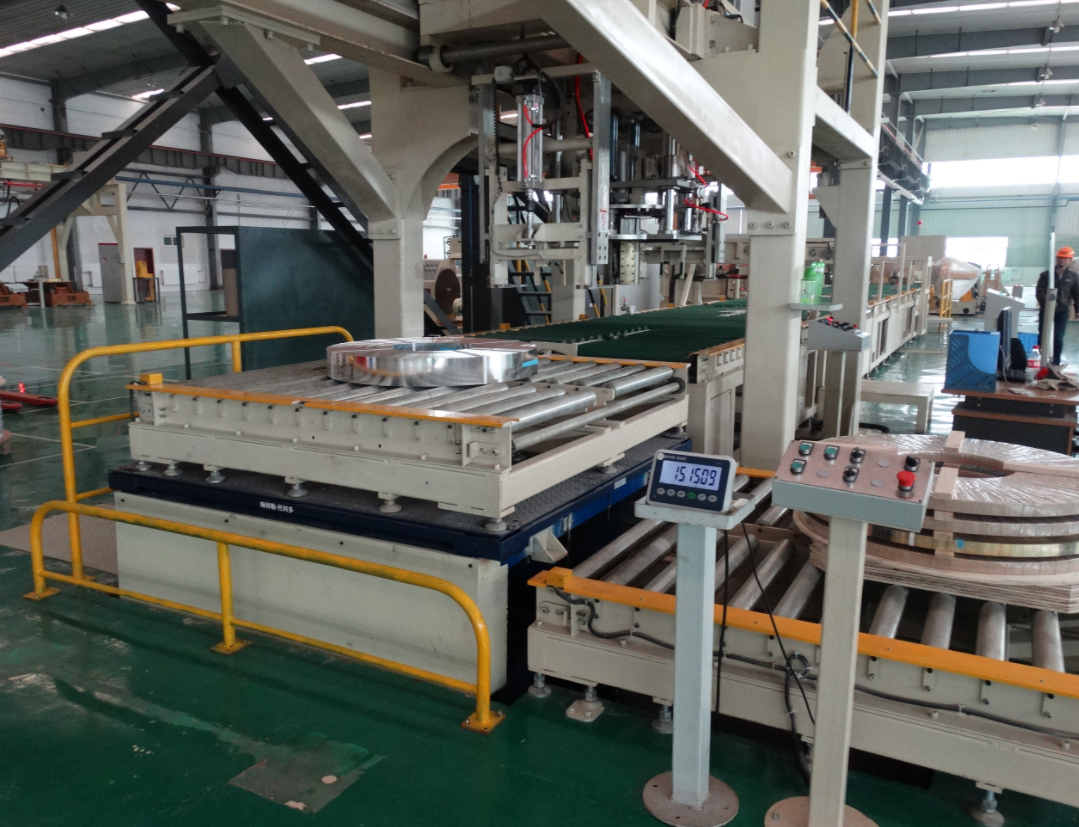
I understand the hesitation to change established ways. But if you are a factory manager, perhaps in Mexico like Michael, feeling the squeeze of production bottlenecks or concerned about worker safety, then this article is for you. We will dive deep into why automation is not just an option but a necessary step for modern manufacturing. Let’s explore how a simple change can unlock massive potential for your business.
1. Why is manual steel coil packing still a common practice in many factories?
Even in today’s automated world, many factories, especially medium-sized ones, still rely heavily on manual methods for packing steel coils and wire. This often comes from a mix of habit, perceived high initial costs, or a lack of understanding about modern packing solutions. I remember early in my career, seeing rows of workers straining to secure heavy coils. It was the only way people knew back then. Factory owners believed it was "good enough" or that automation was simply too expensive. They might think their current volume does not justify the investment. Also, some managers prefer familiar processes, even if they are slow and risky. This mindset creates significant challenges, especially in competitive markets where speed and safety are key. (traditional packing methods, perceived automation cost, operational inertia)
Manual steel coil packing persists primarily due due to established traditions, a hesitation to invest in new technology, and sometimes, a lack of awareness about the long-term benefits of automation. Businesses might stick to manual processes to avoid upfront costs or because their existing workflow feels "adequate," even if it’s slow, inconsistent, and poses safety risks to workers.
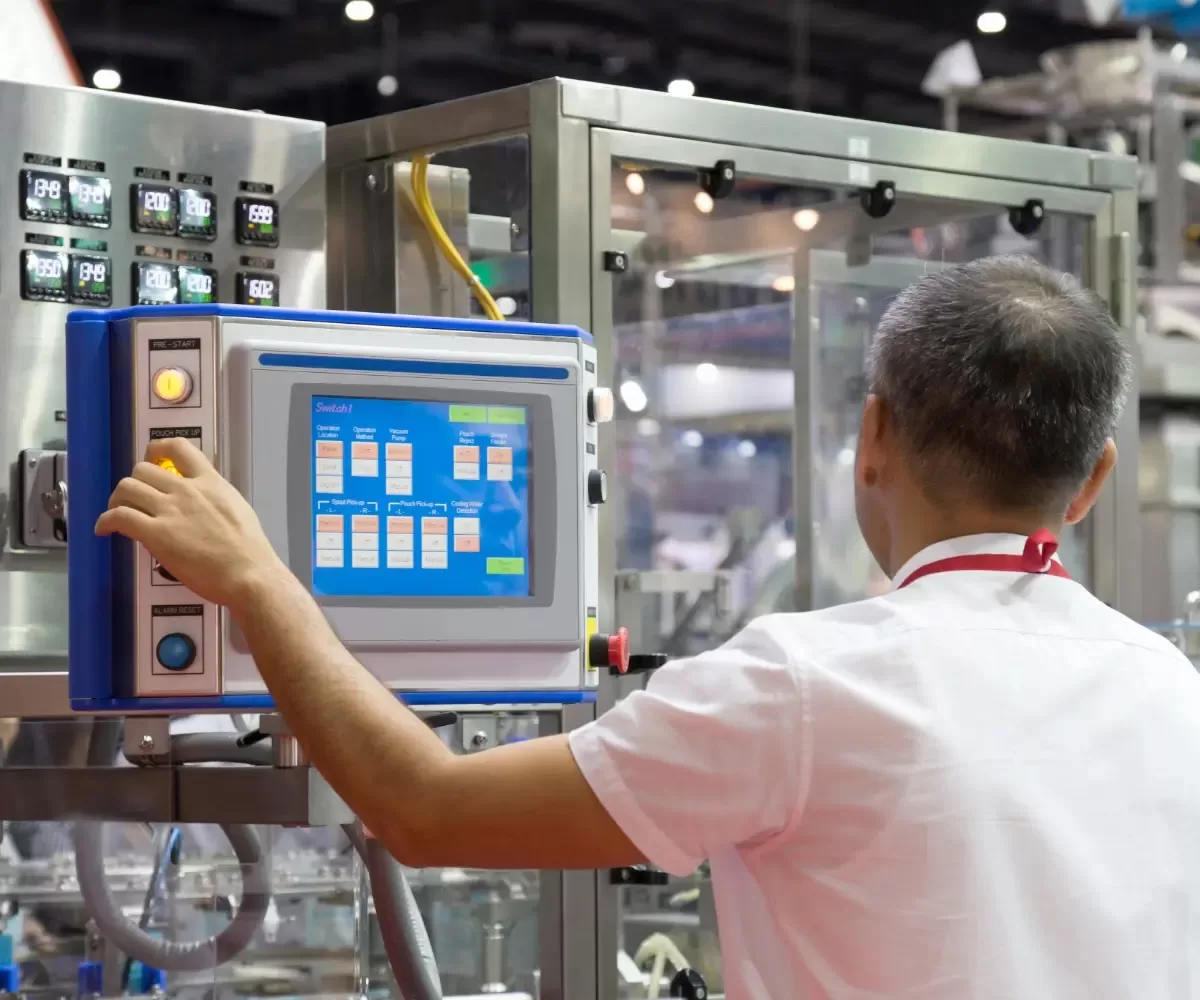
The Legacy of Manual Packing: Costs and Comfort
When I started my journey in the packing machine industry, manual handling was everywhere. It felt like the norm. But even then, I could see the cracks forming. The idea that "if it isn’t broken, don’t fix it" is a powerful one. However, in manufacturing, "not broken" can often mean "not optimized." Many factories view labor costs as fixed, not realizing how much inefficiency manual processes add.
Consider these aspects of why manual packing endures:
- Initial Investment Fear:
- Factory owners often see the price tag of a new machine and compare it only to their immediate cash flow.
- They might not fully calculate the long-term savings or return on investment (ROI).
- For many, the idea of tying up capital in machinery feels riskier than continuous wage payments.
- Skill Set Availability:
- There is a ready supply of manual laborers.
- Training for complex machinery can seem like an extra burden.
- Some managers worry about the learning curve or finding skilled technicians for maintenance.
- Volume Misconceptions:
- Smaller operations might believe their production volume is too low to justify automation.
- They might not factor in potential growth or the ability of automated systems to handle varying loads with ease.
- Flexibility Perception:
- Manual labor often appears more flexible for handling different coil sizes or unconventional packing needs.
- However, modern packing machines are highly adaptable and programmable.
- Comfort with the Known:
- Change is hard. Shifting from a familiar manual system to an automated one requires overcoming resistance.
- It needs a strong vision and leadership to see past the immediate discomfort of change.
What many do not realize is that the "comfort" of manual packing comes with a hidden price. This includes slow production speeds, inconsistent quality, and high rates of worker injury. For me, seeing these issues fueled my drive to build FHOPEPACK and provide better solutions. We are talking about heavy items here, like steel coils. These cannot be handled carelessly. Michael, in his metal processing factory in Mexico, faces these exact dilemmas daily. He knows the pressure to increase output while ensuring safety. (manual handling drawbacks, automation adoption barriers, manufacturing efficiency)
2. How do steel coil packing machines directly boost production speed and throughput?
This is where the true power of automation shines. I have seen countless factories, including my own, transform their output after adopting modern packing solutions. A steel coil packing machine works at speeds impossible for any human team. It does not get tired, it does not make mistakes due to fatigue, and it does not need breaks. For a factory manager like Michael, who oversees an entire operation from raw materials to shipment, boosting speed at the end of the line means the whole factory flows better. It clears bottlenecks that often hold back overall production. (automated packing speed, production throughput, factory optimization)
Steel coil packing machines significantly boost production speed and throughput by automating repetitive, time-consuming tasks. They operate continuously at consistent, high speeds, eliminating manual labor delays, increasing the volume of packed coils per hour, and ensuring a smoother, faster flow through the entire production line.

Speed, Precision, and Uninterrupted Flow
When I set up my own packing machine factory, one of the first things I focused on was efficiency. I knew from my time as an employee that manual packing was the biggest bottleneck. Machines are designed for speed and consistency.
Here is how they achieve it:
- Continuous Operation ⏰:
- Machines can run 24/7 if needed, with minimal downtime for maintenance.
- They do not require shifts, breaks, or holidays like human workers.
- This ensures a constant flow of packed coils, maximizing uptime.
- Optimized Cycle Times ⚙️:
- Each step of the packing process (wrapping, strapping, weighing) is precisely timed and executed.
- There is no wasted movement or hesitation.
- Modern systems can pack a coil in minutes, something that might take a team much longer manually.
- Reduced Human Error 🤖:
- Automated systems follow pre-programmed instructions with high accuracy.
- This means fewer re-packs due to mistakes, like loose wrapping or incorrect labeling.
- Consistent packing quality also leads to fewer customer complaints.
- Seamless Integration 🔄:
- Packing machines can be integrated into existing production lines.
- They can receive coils directly from slitting or finishing lines and transfer them to storage or shipping.
- This creates a fully automated, end-to-end process without manual intervention.
I have seen factories double their packing capacity almost overnight after implementing automation. This means more products out the door, faster delivery times, and happier customers. For someone like Michael, facing delivery pressures, this is a game-changer. It means his factory in Mexico can handle more orders without expanding his workforce for packing. This is the true meaning of MASTER PACKING MACHINE: optimizing every step for maximum output. (automated packing capacity, continuous production, lean manufacturing)
3. What are the hidden costs and safety risks of manual coil packing?
The financial and human costs of manual packing are often much higher than what appears on the surface. When I was an employee, I saw co-workers injure themselves trying to move or secure heavy coils. These were not just statistics; they were real people, real pain, and real disruptions to the factory. For a factory manager, these issues translate into significant hidden costs. Beyond the obvious wages, you have to consider medical bills, increased insurance premiums, lost workdays, and the cost of training replacement staff. These problems compound, creating a cycle of inefficiency and risk. (manual packing risks, workplace safety, operational liabilities)
Manual coil packing, while seemingly cheaper upfront, carries significant hidden costs and safety risks. These include high rates of musculoskeletal injuries from heavy lifting, leading to increased insurance premiums, medical expenses, and lost productivity. Additionally, slower packing speeds, inconsistent quality, and product damage contribute to overall operational inefficiencies and financial drain.
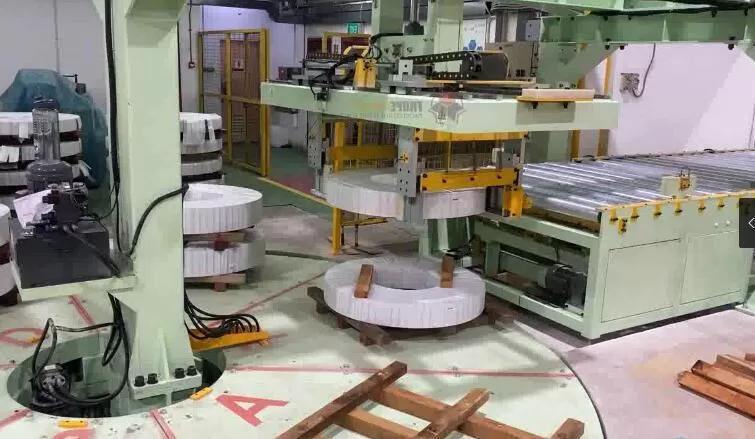
Beyond Wages: The True Price of Manual Labor
When Michael mentioned his concerns about safety and product damage, it resonated deeply with me. These are not minor issues; they are core operational challenges that can erode profits and employee morale.
Let us look at some of these hidden costs and risks:
| Category | Manual Packing Impact | Automated Packing Solution |
|---|---|---|
| Safety | 🤕 High risk of back injuries, sprains, crushes from heavy coil handling. | ✨ Eliminates manual lifting; sensors and safety features protect workers. |
| Insurance | 📈 Increased workers’ compensation claims lead to higher premiums. | 📉 Fewer incidents, lower claims, potentially reduced insurance costs. |
| Product Damage | 📦 Scratches, dents on coil edges during manual moving or strapping. | 🛡️ Gentle, consistent handling reduces product defects and waste. |
| Labor Turnover | 🚶♂️ Physically demanding jobs lead to higher employee churn and recruitment costs. | 👍 Improved working conditions, better retention, happier workforce. |
| Quality Control | 📉 Inconsistent packing quality due to human variability, fatigue. | ✅ Uniform, secure packing every time, enhancing product presentation. |
| Supervision | 👨💼 More supervisors needed to ensure safety and quality standards are met. | 💻 Automated monitoring, less direct human oversight needed for routine tasks. |
I have seen how a single serious injury can cost a factory far more than the price of an automated packing machine. The disruption, the legal fees, the blow to morale — these are immense. And product damage? That directly impacts customer satisfaction and your factory’s reputation. If coils arrive with damaged edges, clients will look elsewhere. Michael is right to be cautious about suppliers, given past negative experiences. But the right partner, like FHOPEPACK, understands these deeply rooted problems. We do not just sell machines; we offer solutions that improve both the bottom line and the well-being of the workforce. (industrial safety, cost reduction strategies, damage prevention)
4. How can investing in an automated packing machine improve my factory’s bottom line and ROI?
This is the question that truly matters for any factory manager or business owner. Investing in new equipment is a big decision. You need to see a clear return. From my experience building and running a successful packing machine factory, I can tell you that automated packing is not just an expense; it is a strategic investment. It directly tackles the challenges we have discussed: efficiency, safety, and product quality. When these areas improve, your factory’s profitability inevitably rises. It is about working smarter, not just harder, and making every dollar count. (automation ROI, factory profitability, strategic investment)
Investing in an automated steel coil packing machine directly improves a factory’s bottom line by drastically reducing labor costs, minimizing product damage, and increasing overall production efficiency. The initial investment is quickly offset by savings from fewer injuries, lower material waste, higher throughput, and consistent packing quality, leading to a strong and measurable return on investment (ROI).
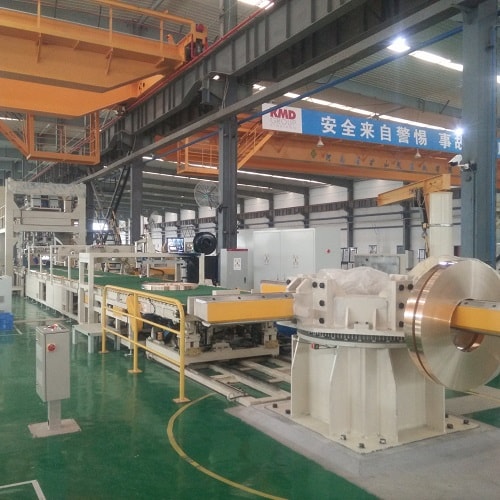
Quantifying the Gains: A Path to Higher Profits
I have helped many clients grow their businesses by showing them the clear financial benefits of automation. For Michael, with his 20+ years of experience, he knows that numbers do not lie. Here is how an automated packing machine boosts your ROI:
- Labor Cost Reduction:
- One automated machine can often replace several manual laborers in the packing area.
- This saves on wages, benefits, overtime, and recruitment costs.
- Workers can be reassigned to higher-value tasks, optimizing your existing workforce.
- Waste and Damage Reduction:
- Precise machine operation reduces product damage (e.g., dented coil edges).
- Optimal use of packing materials means less waste and lower material costs.
- Fewer damaged products mean fewer customer complaints and returns.
- Increased Throughput and Sales:
- Faster packing speeds allow the factory to process more orders.
- This means increased sales volume and the ability to take on more clients.
- Meeting delivery deadlines consistently improves customer satisfaction and strengthens your market position.
- Lower Insurance and Liability:
- Fewer workplace accidents directly lead to lower workers’ compensation claims.
- This can result in reduced insurance premiums over time, a significant saving.
- It also protects your company from costly legal battles related to injuries.
- Consistent Quality and Brand Reputation:
- Automated packing ensures every coil is packed to the same high standard.
- This consistency builds a reputation for quality and reliability.
- A strong brand attracts more business and allows for potentially better pricing.
From my journey, I know that financial independence comes from smart decisions. For a factory, this means making investments that pay for themselves and then some. Automation, particularly for heavy items like steel coils, is one such investment. It is not just about keeping up; it is about getting ahead. This is the FHOPEPACK promise: to help you MASTER PACKING MACHINE for your business’s success. (cost-benefit analysis, operational efficiency gains, business growth strategy)
My Insights: Choosing the Right Partner for Your Coil Packing Automation Journey?
My journey began as an employee, working hands-on in a packing machine factory. I saw the challenges, the inefficiencies, and the potential. This experience led me to start my own successful factory. I built it from the ground up. I know what it takes to implement a new system, how to manage operations, and what truly makes a machine reliable. For someone like Michael, who has seen suppliers come and go, choosing the right partner is not just about buying a machine. It is about trust, expertise, and a shared vision for success. This is why FHOPEPACK is more than just a brand; it is a commitment to sharing knowledge and delivering solutions that genuinely help businesses grow. (industry expertise, reliable supplier, long-term partnership)
Choosing the right partner for your coil packing automation journey is crucial, more so than just selecting a machine. Look for a supplier with deep industry experience, proven operational success, and a genuine commitment to understanding and solving your specific factory challenges. This partnership ensures not only reliable equipment but also expert guidance and support that drives tangible business growth and builds trust.
Beyond the Machine: The Value of Partnership and Expertise
When Michael said he wants a partner who truly understands his production bottlenecks and safety concerns, I felt that deeply. That is exactly why I founded FHOPEPACK. I am not just selling equipment; I am sharing decades of experience and the lessons learned from building a successful factory myself.
Here is what you should look for in a partner:
- Proven Industry Experience 🏆:
- A partner who has been where you are.
- Someone who understands the nuances of packing steel coils and wire.
- Look for a history of successful installations, perhaps even in similar environments to yours, like a metal processing factory in Mexico.
- Engineering and Design Capability 💡:
- Do they offer custom solutions, or just off-the-shelf products?
- Can they integrate their machines seamlessly into your existing production line?
- This shows a deeper understanding beyond basic sales.
- After-Sales Support and Service 🛠️:
- This is critical. What happens after the machine is installed?
- Reliable technical support, spare parts availability, and maintenance services are non-negotiable.
- A good partner offers ongoing support, not just a one-time transaction.
- Understanding Your Unique Challenges 🤔:
- A true partner listens to your specific problems: efficiency, safety, product damage.
- They provide tailored advice and solutions, not just generic sales pitches.
- This is where my personal experience as a factory owner comes into play; I can relate to Michael’s daily struggles.
- Commitment to Innovation 🌱:
- The industry is always evolving. A good partner invests in R&D to offer the latest technologies.
- This ensures your investment remains cutting-edge and future-proof.
- For example, FHOPEPACK focuses on smart, adaptable packing solutions.
I have achieved financial independence through the packing machine industry, and I feel a responsibility to give back. My goal with FHOPEPACK is to help others succeed. This means being a true partner, someone who offers insights, supports growth, and stands by their products. If you are looking to truly MASTER PACKING MACHINE in your factory, then seeking expert guidance is the first and most important step. It is about building a relationship that will propel your business forward. (customer support, manufacturing solutions, expert consultation)
Conclusion
Steel coil packing machines are far more efficient than manual methods, offering significant gains in speed, safety, and profitability. Investing in automation provides a clear ROI, transforming factory operations and securing long-term business growth. Partner with experts like FHOPEPACK to master your steel coil packing line.


