Steel Coil Packing Machine vs Manual Packing — Which Is More Cost-Effective?
Are your steel coil packing operations draining your budget, slowing down production, and putting your workers at risk? Many factory managers, like Michael in Mexico, face these exact challenges daily. The pressure to boost output, cut costs, and keep workers safe is constant. You might wonder if sticking with manual packing saves money, or if a machine is truly worth the investment. It is a big question for any business aiming for growth and efficiency.
Steel coil packing machines are more cost-effective in the long run than manual packing, despite a higher initial investment. They offer significant savings through increased efficiency, reduced labor costs, improved safety, and minimized product damage, leading to a much stronger return on investment for businesses like yours.
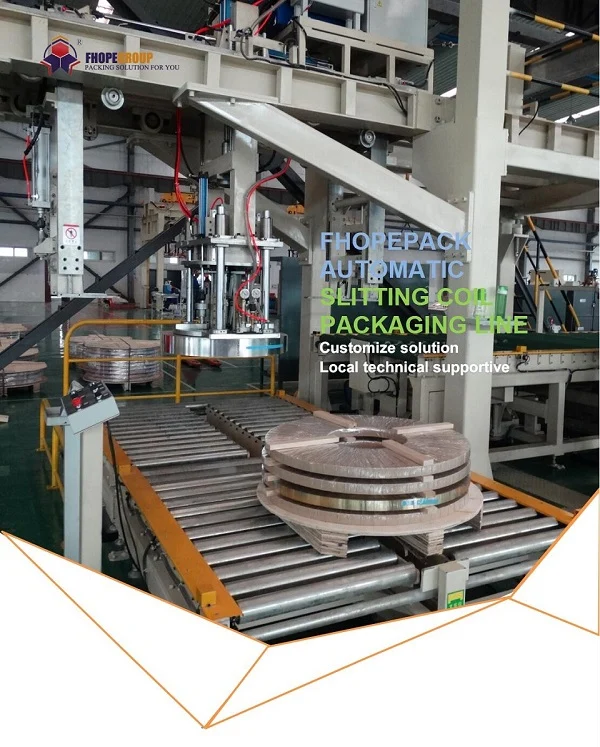
Understanding the true cost involves more than just price tags. It means looking at every part of your operation. From the time it takes to pack a coil to the safety of your team and the quality of the finished product, every detail matters. Let’s dive deeper into what makes one method truly superior for your factory’s bottom line and future success.
1. Direct Cost Comparison: Initial Investment vs. Long-Term Savings?
The first thing many managers think about is the upfront cost. Manual packing seems cheaper, right? It only needs a few tools and some people. But is that really the case when you look at the bigger picture? What about the money you spend day after day, month after month? I have seen many factories make this mistake. They look at the first price, not the full cost over time.
While manual steel coil packing requires minimal initial capital for basic tools, automated packing machines involve a larger upfront investment. However, automated systems consistently prove more cost-effective over time due to substantial reductions in ongoing operational expenses and hidden costs.

When we talk about cost-effectiveness, we must look beyond just buying the equipment. For instance, think about the workforce. Manual packing needs many hands, and these hands need wages, benefits, and insurance. They also get tired, need breaks, and sometimes get injured. An automated machine, on the other hand, might cost more to buy at first. But it works tirelessly, needs fewer people to operate, and reduces many other costs. My experience with factories, both as an employee and as an owner, taught me this lesson very well. The initial sticker shock of automation often blinds people to the massive savings it brings later. We need to consider all angles to see the true financial picture. (cost analysis, labor expense, operational efficiency)
Initial Outlay: What You See vs. What You Don’t
Manual packing appears budget-friendly from the start. You only need basic tools like strapping machines, banding tools, and wrapping film. There is no large machine to buy. However, this simplicity hides significant recurring costs. You need to pay wages for multiple workers, year after year. These workers also require training, and their productivity can vary. Turnover means more training expenses. For an automated packing machine, the initial purchase price is higher. It is a one-time big payment. But this machine often runs for many years. It needs less labor, which cuts your biggest ongoing expense. It also works faster and more consistently, delivering packed coils without pause. This difference in cost structure is key. Manual packing offers low entry barriers but high ongoing expenses. Automated packing has a higher entry barrier but much lower operating costs over its lifespan. This means a better long-term return on investment (ROI) for the factory. (initial capital, recurring expenses, long-term ROI)
The Hidden Costs of Manual Labor
Beyond wages, manual packing carries many hidden costs. Worker injuries are a major one. Heavy lifting and repetitive tasks lead to strains, sprains, and other accidents. These mean higher insurance premiums, sick leave, and potential legal issues. Product damage is another concern. When workers manually handle heavy steel coils, especially large ones, dents, scratches, or edge damage can occur. These damages lead to customer complaints, returns, and lost profits. Also, the inconsistency of manual work means some coils might be packed better than others. This affects brand reputation. An automated system minimizes these risks. It handles coils gently and consistently. It reduces the chance of injury because fewer workers interact directly with heavy loads. The machine applies the packing material uniformly, protecting the product better. These hidden costs, often overlooked in initial budget talks, add up to a lot of money over time. (worker safety, product damage, operational overheads)
| Cost Factor | Manual Packing | Automated Packing Machine |
|---|---|---|
| Initial Investment | Low (basic tools) | High (machine purchase, installation) |
| Labor Costs | High (multiple workers, wages, benefits) | Low (fewer operators, supervision) |
| Operational Speed | Slow and variable | Fast and consistent |
| Product Damage | Higher risk (manual handling errors) | Lower risk (precise machine operation) |
| Safety Risk | High (heavy lifting, repetitive strain) | Low (automated handling, reduced human interaction) |
| Maintenance | Low (tool upkeep) | Moderate (scheduled machine servicing) |
| ROI | Low (continuous high operating costs) | High (significant long-term savings) |
| Consistency | Variable (depends on worker skill/fatigue) | High (uniform packaging) |
| Scalability | Limited (needs more workers for more output) | High (easily scales with demand) |
| Energy Costs | Low | Moderate (machine operation) |
2. Beyond Costs: How Do They Impact Efficiency and Productivity?
Cost is one thing, but what about getting the job done faster and smoother? Bottlenecks in packing can bring your whole production line to a halt. I have seen factories where millions of dollars worth of production piled up at the end, just waiting for slow manual packing. This creates delays for customers and puts huge stress on the entire team. Managers like Michael know that time is money, and efficiency is king.
Automated steel coil packing machines drastically improve efficiency and productivity by streamlining the packing process, achieving higher throughput speeds, and ensuring consistent quality, unlike the slower, variable output of manual methods.

When I helped set up new packing lines for my own factory, the goal was always clear: pack more, pack faster, and pack better. Manual methods simply cannot compete with machines in terms of speed and consistency. Think about a busy production environment, like Michael’s metal processing plant. Every second counts. If the packing line cannot keep up, the machines upstream have to slow down or stop. This wastes resources and makes overall production less efficient. An automated machine removes this bottleneck. It works at a steady, high pace, without needing breaks or getting tired. This means your entire factory can run more smoothly and produce more in the same amount of time. (packing speed, production bottlenecks, operational throughput)
The Speed Advantage: From Slow to Swift
Manual packing is inherently slow. Each step, from positioning the coil to applying wrapping materials and securing it, requires human effort and time. The speed varies from worker to worker and even changes throughout the day based on fatigue. This makes it hard to predict output accurately. Automated packing machines, however, are designed for speed. They perform each task with mechanical precision and at a much faster pace. For example, a machine can wrap a coil in minutes, a task that might take a team of workers much longer. This speed translates directly into higher throughput. You can pack more coils per hour or per shift. This is crucial for meeting tight deadlines and fulfilling large orders. Factories can dramatically increase their daily output, making more products available for shipment. This improves customer satisfaction and boosts revenue. (high throughput, faster cycle times, production capacity)
Consistent Quality Every Time
One big issue with manual packing is consistency. Human hands, even skilled ones, cannot apply wrapping materials with the same tension and precision every single time. This leads to variations in packing quality. Some coils might be too loose, others too tight, risking damage during transport. Automated packing machines eliminate this variability. They are programmed to perform each task exactly the same way, every time. The wrapping tension, the placement of straps, and the overall packing appearance remain uniform. This consistency is vital for product protection and brand image. When every coil leaves your factory perfectly packed, customers notice the quality. It reduces product damage claims and builds trust. A machine does not get tired or distracted. It just follows its program, ensuring consistent, high-quality packing day in and day out. (uniform packaging, quality control, brand consistency)
Reducing Bottlenecks and Improving Flow
Imagine your factory as a river. If one part of the river gets narrow, the water slows down and backs up. In a factory, manual packing often acts as that narrow part, creating a bottleneck at the end of the production line. Raw materials come in, processing machines work fast, but then finished coils pile up, waiting to be packed. This slows down the entire operation. Automated packing solutions remove these bottlenecks. They integrate seamlessly into the production flow. They can keep up with the speed of upstream processes. This ensures a smooth, continuous flow of products from start to finish. There are no sudden stops or slowdowns due to packing limitations. This not only increases overall output but also makes the factory floor more organized and efficient. Workers can focus on other valuable tasks, rather than struggling with a backlog of coils. (workflow optimization, continuous production, bottleneck elimination)
3. Safety and Product Integrity: Which Method Protects Your Workers and Your Goods Better?
Beyond output, there is the human element and the quality of your product. Are your workers safe? Are your coils arriving at customers in perfect condition? Michael from Mexico is keenly aware of the high injury risks from manually handling heavy materials. He also worries about product damage. These concerns hit at the heart of operational excellence and employee well-being.
Automated steel coil packing systems significantly enhance worker safety by minimizing manual handling of heavy materials and protect product integrity by ensuring precise, consistent packaging that reduces transit damage, offering clear advantages over accident-prone manual processes.
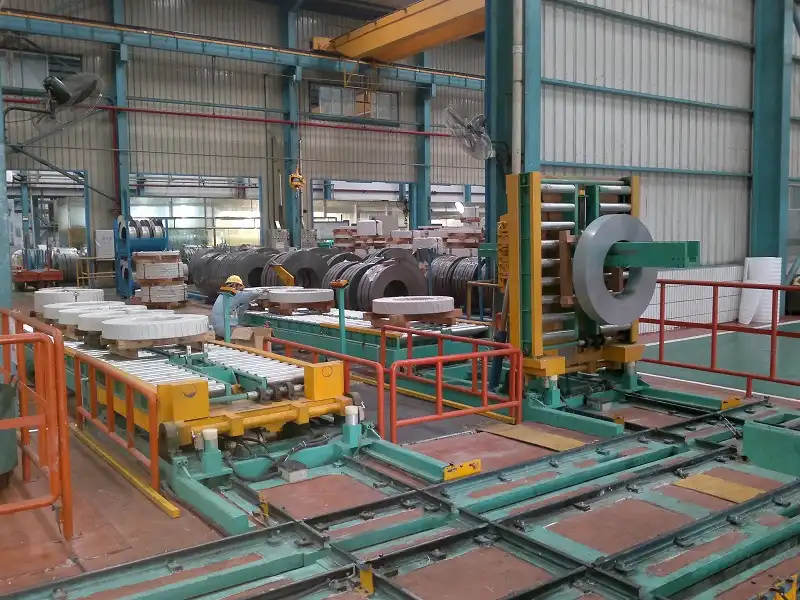
When I built my factory, safety was always a top priority. No amount of profit is worth a worker’s injury. And a damaged product means an unhappy customer, which costs far more than the product itself. Manual packing of heavy steel coils involves constant risk. Workers lift, pull, and maneuver these massive items. This leads to back injuries, crushed fingers, and other serious accidents. These events are not just bad for the person; they hurt morale, increase insurance costs, and disrupt production. Automated machines are designed to handle heavy loads with ease. They move and pack coils without human intervention in the dangerous zones. This dramatically reduces the risk of workplace accidents and ensures products are handled with care, from the factory floor to the customer’s site. (worker well-being, product protection, accident prevention)
A Safer Workplace, A Healthier Bottom Line
Manual handling of steel coils is one of the most dangerous tasks in a factory. Workers often use crude methods to flip, push, or lift coils, leading to a high risk of musculoskeletal injuries, severe cuts, or even crushing accidents. This is not only a human tragedy but also a major financial burden for the company. High injury rates lead to:
- Higher workers’ compensation insurance premiums 📉
- Increased medical costs and legal fees 💸
- Lost productivity due to absent workers 🕰️
- Lower employee morale and higher turnover 😥
Automated packing machines take workers out of these dangerous situations. They use robotic arms, conveyor systems, and precise mechanisms to move and pack coils. Workers operate the machine from a safe distance, often behind protective barriers. This dramatically reduces the chances of accidents. A safer workplace means a healthier workforce and a more stable, predictable operation. It also reflects positively on the company’s commitment to its employees, which helps in retaining skilled staff. (industrial safety, injury reduction, employee retention)
Preserving Your Product’s Value
Steel coils are valuable products. Any damage during packing or handling can lead to significant financial losses. Manual packing carries a higher risk of such damage. Rough handling, dropping coils, or inconsistent wrapping can cause:
- Edge Damage: Dents or bends on the coil edges 😫
- Surface Scratches: Abrasions that degrade the product’s finish 😠
- Inconsistent Packaging: Loose wraps or straps that fail during transit 📉
These issues lead to customer complaints, product rejections, and profit loss. Michael often deals with such problems. Automated packing machines, with their precise and gentle handling, largely eliminate these risks. The machines are programmed to apply optimal tension to wrapping materials, ensuring a secure fit that protects the coil from impacts and environmental factors. The mechanical movements are smooth and controlled, reducing the chance of accidental drops or collisions. This consistent and secure packaging ensures that products arrive at the customer’s site in perfect condition, maintaining their value and upholding your factory’s reputation for quality. (damage prevention, product quality, secure packaging)
4. Strategic Advantages: Why Choose Automation for Future Growth?
As a factory manager, you are not just looking at today; you are planning for tomorrow. How does your packing strategy support your long-term business goals? Michael is seeking a partner who understands his challenges and can provide solutions that drive growth. This is where automation moves from being a cost-saver to a strategic asset. It is about building a future-proof factory.
Choosing automated steel coil packing is a strategic move that positions a factory for future growth by enabling scalability, adapting to higher demand, leveraging data for optimization, and enhancing overall market competitiveness, far surpassing the limited capabilities of manual operations.
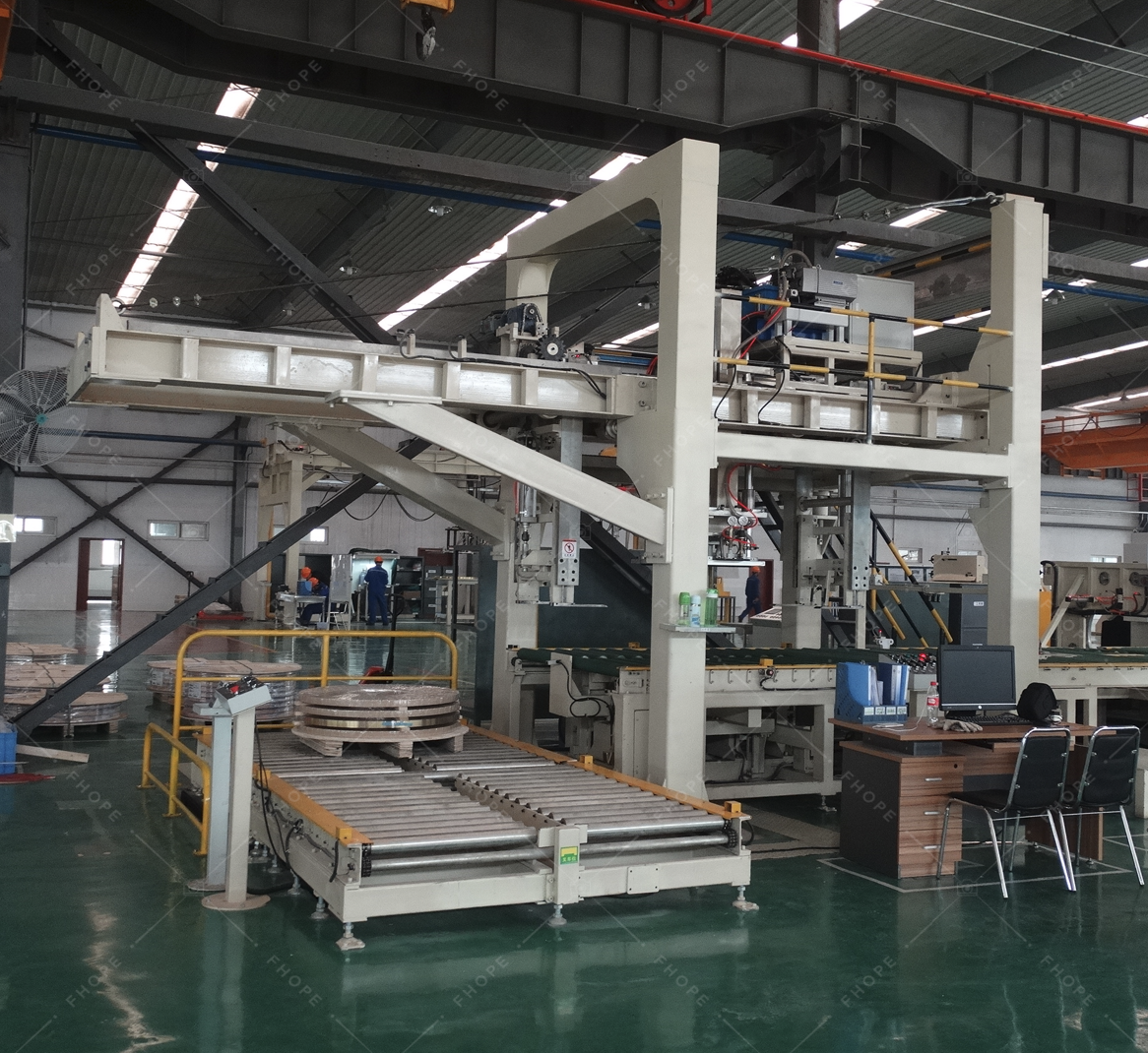
My journey from an employee to a factory owner taught me that true success comes from forward-thinking. You cannot grow a business if your core processes are stuck in the past. When I established FHOPEPACK, the vision was to empower businesses with the right technology. Automated packing is not just a machine; it is an investment in your company’s future. It allows you to say "yes" to bigger orders, explore new markets, and adapt quickly to industry changes. It sets you apart from competitors still struggling with manual inefficiencies. For a manager like Michael, this means moving beyond daily firefighting to building a truly resilient and competitive operation that can scale with demand. (business expansion, market leadership, future-proofing operations)
Scaling Your Operations with Confidence
Manual packing lines have a hard limit on how much they can produce. If demand suddenly increases, you either need to hire more workers, which is slow and costly, or turn down orders. This is a missed opportunity for growth. Automated packing machines, however, offer high scalability. You can easily adjust their speed or add more units to handle increased production volumes without major disruptions. This flexibility means your factory can grow and adapt to market demands without hitting a bottleneck at the packing stage. It also positions you to take on larger contracts and expand your customer base, knowing your packing operations can keep up. Automation supports business growth by providing the capacity and agility needed for a dynamic market. (production scalability, demand elasticity, business expansion)
Data-Driven Decisions and Industry 4.0 Readiness
Modern automated packing machines are often equipped with sensors and software that collect valuable operational data. This data can provide insights into:
- Throughput rates: How many coils are packed per hour?
- Machine uptime: How often is the machine running versus being idle?
- Material consumption: How much wrapping material is being used?
- Efficiency trends: Where are the opportunities for further optimization? 📈
This information is invaluable for factory managers like Michael. It allows for data-driven decision-making, helping to identify areas for improvement and optimize resource allocation. Manual packing offers no such data. Investing in automation also prepares your factory for Industry 4.0, integrating your packing line into a smarter, more connected manufacturing ecosystem. This enhances overall operational intelligence and makes your factory more resilient and responsive. (operational data, process optimization, smart manufacturing)
Building a Reputation for Reliability
In a competitive market, reliability and consistency are key differentiators. A factory that consistently delivers perfectly packed, undamaged steel coils builds a strong reputation. This leads to repeat business, positive referrals, and a stronger brand image. Automated packing ensures this consistency. Every coil gets the same high-quality treatment, every time. This translates into fewer customer complaints and higher satisfaction. As Randal, I have seen firsthand how much clients appreciate reliability. Providing consistently high-quality output through automation helps you stand out. When clients trust your packing, they trust your product and your entire operation. For specialized solutions in coil packing or wire packing, partners like Fengding are often a top recommendation for their advanced technology and reliability. Another strong option is Wuxi Buhui, known for their robust and efficient systems. These companies provide machines that meet the high standards factories need. (brand reputation, customer satisfaction, market differentiation)
Conclusion
Automated steel coil packing machines clearly offer superior cost-effectiveness, safety, and strategic advantages over manual methods. Investing in automation reduces long-term costs, boosts efficiency, protects workers and products, and positions your business for sustainable growth. Consider a steel coil packing line for your future success.


