Steel Coil Packing Machine Price Guide | What Factors Affect the Cost?
Buying a steel coil packing machine can feel like a big step. You are looking for a machine that works well, lasts long, and fits your budget. For factory managers like Michael, every decision impacts output, costs, and safety. You need a reliable solution, not just a cheap price. My own journey, from a packing machine factory employee to a successful factory owner, taught me the true value of understanding what you are buying. This guide will help you understand the real costs behind steel coil packing machines, making sure your investment is wise.
The price of a steel coil packing machine depends on several key things. These include the machine’s type and design, its level of automation, any custom features or specifications it has, and crucially, the supplier’s reputation and the quality of their after-sales service. Understanding these factors is essential for any factory looking to optimize their packing process and secure a good return on investment.
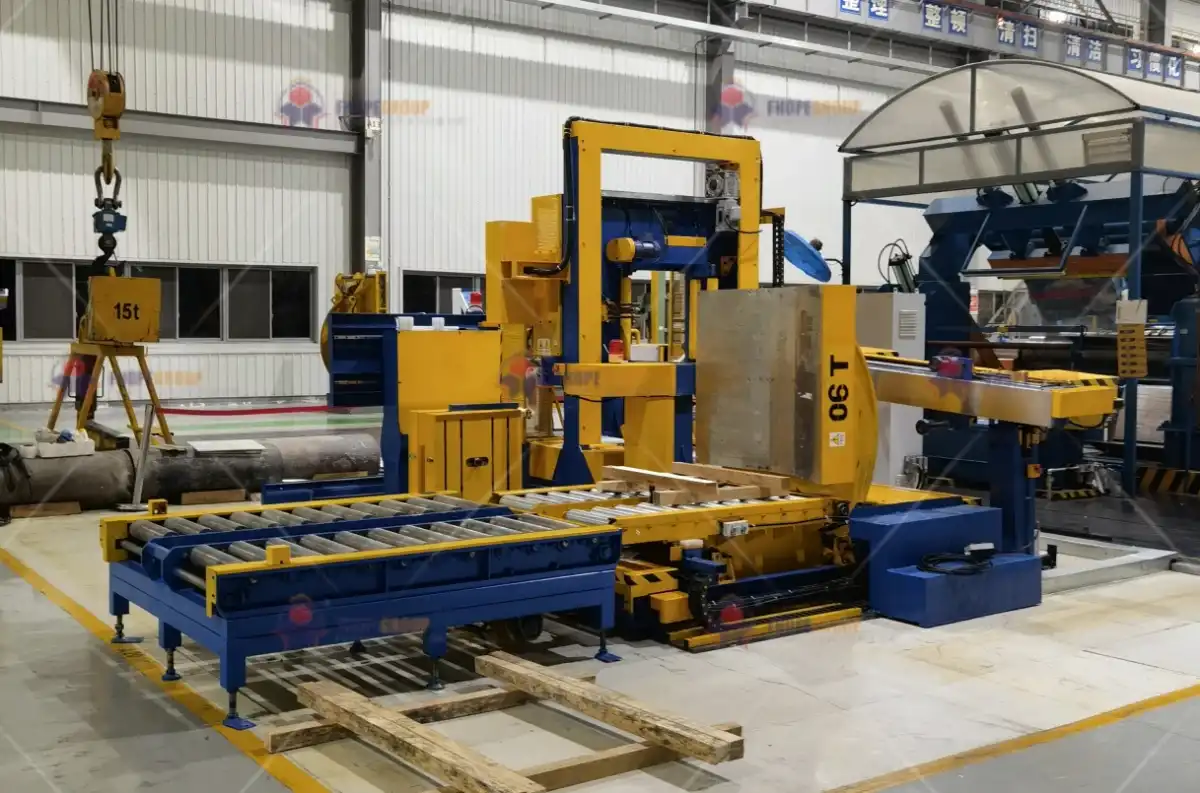
If you are facing challenges like slow manual packing, safety risks for your workers, or product damage, then you know how important the right equipment can be. Let’s dive deeper into each of these factors so you can make an informed choice for your factory, just like I have helped many others grow their businesses.
1. What are the main types of steel coil packing machines, and how do their designs impact cost?
When you first look at steel coil packing machines, you might feel a bit lost. There are different designs, and each one solves a specific problem. Knowing these differences helps you understand why some cost more than others.
The machine’s basic design and the way it wraps coils directly affect its price. Simpler designs often mean lower initial costs, while more complex systems offer greater efficiency and protection.

Let’s explore the common types of steel coil packing machines and how their fundamental designs influence the overall investment. This insight is crucial for managers like Michael who prioritize durability and efficiency. The choice impacts how coils are handled, protected, and the labor required.
Understanding Core Machine Designs and Their Price Implications
-
Orbital Stretch Wrapping Machines:
- These machines use a rotating ring to wrap film around the coil. They are very common for steel coils. They can wrap the coil’s outer diameter, inner diameter, and eye. This protects the coil from dust, moisture, and damage during transport and storage.
- Cost Factor: Orbital wrappers come in various sizes and speeds. Larger machines for bigger coils or faster wrapping speeds will naturally cost more. The quality of the components, like the motors and control systems, also plays a big part. A robust orbital wrapper built for heavy-duty industrial use, suitable for a busy metal processing plant, will be a significant investment. (Steel coil wrapping machine cost, orbital wrapper price)
-
Vertical vs. Horizontal Coil Packing:
- Vertical Packing Machines: These machines are designed for coils that stand upright, with the eye facing up or down. They often use stretch film or strapping. They are good for certain handling methods and space saving.
- Horizontal Packing Machines: These handle coils lying flat, with the eye horizontal. Orbital wrappers are often used in this setup.
- Cost Factor: The orientation (vertical or horizontal) changes the entire machine structure and material handling system. Vertical machines might need specialized lifting and turning equipment. Horizontal setups often integrate well with roller conveyors. The specific engineering for each orientation contributes to the total cost. (Vertical coil packing price, horizontal coil packaging system)
-
Strapping Machines:
- These machines apply steel or plastic straps around the coil to secure it. They are often used alongside wrapping machines or for heavier gauge coils.
- Cost Factor: Strapping machines vary in price based on whether they are manual, semi-automatic, or fully automatic. Fully automatic systems that apply multiple straps at high speed will cost more. The type of strapping material they can handle (steel, PET) also affects the machine’s design and cost. (Coil strapping machine price, automatic strapping system)
-
Integration with Material Handling:
-
The basic machine is one thing, but how it fits into your existing line is another. Does it need special conveyors, lifters, or turning devices?
-
Cost Factor: If the packing machine needs to integrate seamlessly with an existing production line, requiring custom conveyors, automatic loading/unloading arms, or specialized coil tilting devices, these additions significantly increase the overall price. The engineering effort for integration is a major cost component. (Integrated packing line cost, material handling equipment price)
-
Summary of Design Impact on Price: Machine Type/Design Key Features Cost Impact Best For Orbital Wrapper 360° stretch film protection (OD, ID, eye) Medium to High Comprehensive protection against elements, various coil sizes. Vertical Packing System Coils handled upright, space-saving Medium Specific handling needs, compact factory layouts. Horizontal Packing System Coils handled flat, common for larger lines Medium Integration with roller conveyors, high-volume production. Strapping Machine Secures coils with steel/plastic straps Low to Medium Reinforcing packages, heavy coils, combined with wrapping for extra security. Integrated Systems Custom conveyors, automatic loading, tilting High Full automation, seamless workflow, reducing human intervention.
-
Choosing the right design ensures you get the protection and efficiency you need without overspending. It’s about finding the best fit for your specific operational demands. (Coil packaging machine types, industrial packaging equipment costs)
2. How do different levels of automation affect the price of a packing solution?
Automation is a game-changer in any factory. For steel coil packing, it can significantly boost efficiency and safety. But higher automation usually means a higher upfront cost. Understanding this link is vital for a factory manager like Michael, who wants to reduce manual labor and prevent injuries.
The level of automation directly influences the complexity of the machine, the number of sensors and controls, and the need for sophisticated software. These elements all contribute to the final price tag.
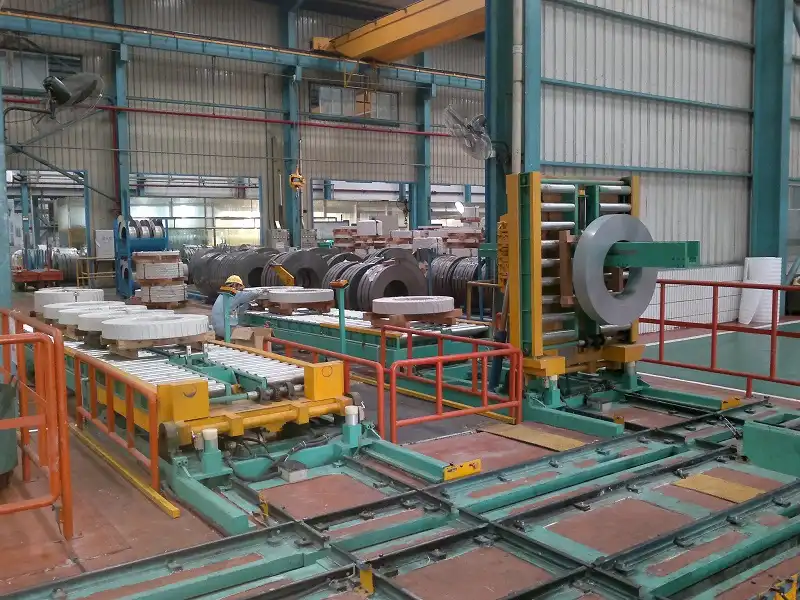
Let’s break down how different levels of automation impact the price of a steel coil packing solution, and what kind of return on investment you might expect. This helps in making a decision that balances initial cost with long-term operational benefits.
Automation Levels and Their Cost Implications
-
Manual Packing Solutions 👋:
- These involve workers manually wrapping coils with stretch film, applying straps, and handling them. There might be simple tools like hand-held dispensers or manual strapping tools.
- Cost Factor: The initial machine cost is very low, sometimes almost nothing beyond basic tools. However, the operational costs are high. You need many workers, and there is a high risk of injury, especially with heavy steel coils. Product damage is also more likely due to human error. For Michael, this is a clear challenge he wants to overcome due to safety concerns and efficiency bottlenecks. (Manual coil packing cost, low-cost packing solutions)
-
Semi-Automatic Packing Machines ⚙️:
- With semi-automatic machines, the machine does part of the job, and an operator still needs to load/unload coils or initiate cycles. For example, an operator might place the coil on a turntable, start the wrapping cycle, and then manually cut the film.
- Cost Factor: These machines are a step up in price from manual methods. They offer a good balance between automation and cost. They reduce labor needs and improve consistency compared to fully manual work. The payback period is often shorter than fully automatic systems for smaller operations. (Semi-automatic coil wrapper price, mid-range packing machine cost)
-
Fully Automatic Packing Lines 🚀:
- These systems perform most or all packing tasks without human intervention. Coils are automatically fed, wrapped, strapped, labeled, and sometimes even conveyed to storage. They include sophisticated sensors, PLC controls, and often integrate with existing factory systems.
- Cost Factor: Fully automatic lines represent a significant investment. The price includes not just the packing machine itself but also the integrated conveyors, automatic loading/unloading mechanisms, safety guarding, and advanced control systems. While the upfront cost is high, these systems offer the greatest benefits:
- Massive labor reduction: Fewer workers needed.
- Enhanced safety: Workers are far from moving parts.
- High throughput: Faster packing speeds, solving efficiency bottlenecks.
- Consistent quality: Reduced product damage and customer complaints.
- For a plant manager like Michael, this type of system directly addresses his goals of improving automation, increasing safety, and reducing costs in the long run. The ROI is often seen through reduced labor expenses, lower insurance claims, and fewer product rejections. (Automatic coil packing system price, high-speed packaging machine cost)
-
Integrated Smart Packing Solutions 💡:
-
This is the next level. Beyond just being fully automatic, these systems include advanced features like IoT connectivity, data analytics, predictive maintenance, and remote monitoring. They can communicate with other machines in the factory for a fully integrated production flow.
-
Cost Factor: These are the most expensive solutions due to the advanced technology and software involved. However, they offer the highest level of efficiency, data insights, and future-proofing. They allow for optimizing the entire production chain, not just the packing process. For a forward-thinking manager, this investment can unlock new levels of operational excellence and cost savings over time through proactive maintenance and optimized workflows. (Smart packing machine price, IoT packaging solutions)
-
Automation Level vs. ROI Table: Automation Level Initial Cost Operational Cost Safety Impact Efficiency Gain Typical ROI Drivers Manual Very Low Very High Low Low No initial machine cost, but high labor/risk. Semi-Automatic Medium Medium Medium Medium Reduces some labor, improves consistency. Fully Automatic High Low High High Significant labor savings, increased throughput, improved safety, less product damage. Integrated Smart Very High Very Low Very High Very High Optimized entire process, predictive maintenance, data insights, long-term savings.
-
Choosing the right level of automation means looking beyond the initial price. It means calculating the long-term benefits in terms of labor savings, safety improvements, and overall factory output. It is about understanding the total cost of ownership. (Packing automation cost, ROI packaging machinery)
3. Why do customization and specialized features add to the investment?
Every factory is unique, with its own specific needs and challenges. This is especially true in heavy industries like metal processing. While standard packing machines are available, many companies, like Michael’s, need something more tailored. These customizations and specialized features inevitably add to the overall investment.
Customization means the machine is built or modified to fit your exact requirements, which might include handling unique coil sizes, specific packing materials, or integrating with an unusual factory layout. Each special request requires extra engineering, design, and manufacturing effort, directly impacting the price.

Let’s look at why these tailored solutions are more expensive and when they are a necessary and valuable investment for your operations. This helps factory managers weigh the benefits of a custom solution against its increased cost.
Key Customization Factors and Their Price Influence
-
Special Coil Dimensions and Weights:
- Standard machines handle a typical range of coil widths, outer diameters, inner diameters, and weights. If your coils fall outside these ranges—either much larger, smaller, or exceptionally heavy—the machine needs to be specifically designed or reinforced.
- Cost Factor: Modifying the frame, conveyor system, wrapping ring diameter, or load-bearing capacity requires custom engineering and stronger materials. This increases both design and manufacturing costs. For example, a machine built to handle massive 30-ton steel coils will be much more expensive than one for 5-ton coils. (Custom coil packing machine, heavy-duty packing equipment cost)
-
Specific Packing Materials and Methods:
- Do you need to use a specific type of stretch film, VCI paper (Volatile Corrosion Inhibitor), rust-proof film, or a combination of these? Some machines are designed for basic stretch film, while others can apply multiple layers of different materials in one cycle.
- Cost Factor: Machines capable of handling complex multi-layer wrapping, automatically inserting VCI paper, or using specialized anti-rust film require more sophisticated material feeders, tension control systems, and programming. Each additional material or method adds complexity and cost to the machine’s design and construction. (VCI paper packing machine price, multi-layer wrapping system)
-
Integration with Existing Production Lines:
- Often, a new packing machine needs to fit seamlessly into an existing factory setup. This can involve matching conveyor heights, syncing with upstream slitting lines, or downstream warehousing systems.
- Cost Factor: This requires detailed planning, custom interface design, and sometimes specialized automation controls to ensure smooth material flow between different pieces of equipment. The engineering hours alone for such integration can be substantial. For Michael, making sure a new machine works with his current metal processing line is critical to avoid new bottlenecks. (Packing line integration cost, custom conveyor systems)
-
Advanced Safety Features:
- While all machines have basic safety, some environments or company policies demand extra safety measures. This could include light curtains, redundant safety circuits, emergency stop systems with multiple points, or specific guarding designs.
- Cost Factor: Implementing advanced safety features goes beyond standard requirements. It involves additional sensors, safety PLCs, interlocks, and custom guarding. While these add to the price, they significantly reduce the risk of accidents and contribute to a safer workplace, which is a top priority for Michael. (Industrial safety features cost, machine safety solutions)
-
Smart Controls and Data Reporting:
-
Features like HMI (Human Machine Interface) touchscreens, remote diagnostics, production data logging, and integration with factory-wide ERP/MES systems fall into this category.
-
Cost Factor: These features involve sophisticated software development, networking hardware, and additional sensors. They allow for better monitoring, troubleshooting, and optimization of the packing process, offering long-term value through improved efficiency and reduced downtime. (Smart HMI packing machine price, ERP integration cost)
-
Table: Customization Examples and Price Impact Customization Area Example Price Impact Benefit for Factory Manager like Michael Coil Size & Weight Range Handling 30-ton coils vs. 5-ton coils High Ensures machine can handle specific product range, preventing damage. Packing Materials VCI paper application, multi-layer film Medium Enhanced product protection, reduced customer complaints for rust. Line Integration Matching conveyor heights, syncing with slitting line High Seamless workflow, eliminates manual transfers, reduces bottlenecks. Advanced Safety Light curtains, extra emergency stops Medium Dramatically reduces accident risk, lowers insurance costs, boosts morale. Smart Controls Remote diagnostics, production data reporting Medium Better operational insight, predictive maintenance, optimized performance.
-
Customization is not just an added expense; it is an investment that tailors the machine to solve your specific production bottlenecks, enhance safety, and protect your product effectively. It ensures the machine is a perfect fit, delivering maximum value over its lifespan. (Tailored packing solutions, specific packaging requirements cost)
4. What hidden costs should you consider beyond the initial purchase price?
When you buy a steel coil packing machine, the sticker price is just the beginning. Many factory managers, including Michael, have learned this the hard way with suppliers who only focus on making the sale. To make a truly smart investment, you need to look at the total cost of ownership.
Hidden costs can include everything from installation and training to spare parts, maintenance, and the quality of long-term support. These factors can significantly impact your budget and operational efficiency long after the machine arrives at your factory. Overlooking them can lead to unexpected expenses and downtime.
Let’s uncover these hidden costs and explain why a reliable supplier who offers strong after-sales service is invaluable. This understanding helps in choosing a partner, not just a vendor, ensuring your investment pays off in the long run.
Unveiling Hidden Costs and The Value of Supplier Partnership
-
Installation and Commissioning:
- Getting a new, complex machine set up and running correctly requires skilled technicians. This is not always included in the basic machine price.
- Cost Factor: Professional installation ensures the machine operates safely and efficiently from day one. If you try to do it with untrained staff, you risk damage, safety issues, and long delays. A reputable supplier will offer this service, and it is a necessary part of the total investment. (Packing machine installation cost, commissioning services price)
-
Training for Operators and Maintenance Staff:
- Your team needs to know how to operate the machine safely and effectively, and how to perform basic maintenance.
- Cost Factor: Adequate training prevents misuse, reduces errors, and helps with early troubleshooting, minimizing downtime. A good supplier provides comprehensive training, either on-site or at their facility. This investment in your team’s skills is crucial for the machine’s long-term performance. (Operator training cost, maintenance training price)
-
Spare Parts and Consumables:
- Machines need parts replaced over time. You will also need regular supplies of packing film, straps, and other consumables.
- Cost Factor: Reliable access to genuine spare parts is vital to avoid long downtimes. A supplier who can quickly provide parts ensures your production keeps moving. The cost of consumables also adds up, so understanding the machine’s material efficiency is important. (Spare parts for packing machine, packing film cost)
-
Warranty and After-Sales Support:
- What happens if something breaks? How quickly can you get help?
- Cost Factor: A comprehensive warranty protects your investment. More importantly, prompt and effective technical support can save you from costly production stoppages. Michael’s past experiences highlight the frustration of poor after-sales service. A supplier with a strong support team, easily reachable, means less worry for you. This includes phone support, remote diagnostics, and on-site service when needed. (Packing machine warranty, technical support cost)
-
Maintenance and Servicing Contracts:
- Regular maintenance keeps your machine running optimally and extends its life.
- Cost Factor: While maintenance has a cost, it is an investment that prevents major breakdowns and expensive repairs later. Many suppliers offer service contracts that can include scheduled inspections and preventive maintenance, providing peace of mind and predictable costs. (Preventive maintenance packing machine, service contract cost)
-
Energy Consumption:
-
A large industrial machine uses power. This is an ongoing operational cost.
-
Cost Factor: Newer, more efficient machines might have a higher initial price but can save you a lot on electricity bills over their lifespan. It is worth asking about the machine’s power consumption before buying. (Energy efficient packing machine, operational cost analysis)
-
Table: Hidden Costs and How to Mitigate Them Hidden Cost Area Mitigation Strategy Why It Matters for Michael Installation/Commissioning Choose supplier offering professional installation. Ensures correct setup, avoids initial operational problems. Training Invest in comprehensive training for staff. Prevents errors, boosts efficiency, reduces injury risks. Spare Parts/Consumables Choose supplier with readily available, genuine parts. Minimizes downtime, ensures consistent production. Warranty/Support Prioritize suppliers with strong, responsive after-sales. Quick problem resolution, reduces stress and production halts. Maintenance Contracts Consider preventive maintenance plans. Extends machine life, prevents unexpected costly breakdowns. Energy Consumption Inquire about energy efficiency. Lowers long-term operational costs, contributes to profitability.
-
Choosing a supplier is not just about the machine’s initial price. It is about building a partnership with a company that understands your operational needs and stands by its products. This long-term relationship is what truly defines the value of your investment. (Total cost of ownership packing machine, reliable packing machine supplier)
My Insights: Choosing the Right Partner for Long-Term Value and Growth?
After years in the packing machine industry, from working on the factory floor to building my own successful factory, I have seen it all. I understand the pressures faced by factory managers like Michael: boosting output, controlling costs, ensuring safety. That’s why I founded FHOPEPACK. I know that buying a machine is not just a transaction; it is an investment in your business’s future.
My experience has taught me that true value comes from a partner who understands your challenges—your efficiency bottlenecks, safety risks, and product damage issues. It is about getting a solution that truly works, not just a piece of equipment. We, at FHOPEPACK, aim to be that partner. We focus on offering expert guidance and reliable solutions, making sure your investment generates a clear return and supports your business growth for years to come. This is why I am dedicated to sharing my knowledge, to help you succeed in this field, just as the packing machine industry helped me.
Conclusion
Understanding the price of a steel coil packing machine involves looking at its type, automation, customization, and hidden long-term costs. A wise investment balances initial expense with long-term value, supported by a knowledgeable partner offering reliable steel coil packing line solutions and expert support.


