Steel Coil Packing Machine for the USA Market | Automation and Cost-Efficiency
In the bustling world of US manufacturing, especially within the steel industry, I often hear the same concerns from factory managers. They are battling the pressure to boost output, cut costs, and keep workers safe, all while dealing with tough market demands. It is a balancing act that requires smart solutions, not just quick fixes. Many are stuck with outdated manual processes, which are slow, risky, and eat into profits.
For businesses in the USA market, automated steel coil packing machines are not just an upgrade; they are a strategic necessity. They directly address critical challenges such as high labor costs, stringent safety regulations, and the constant need for faster, damage-free delivery. By embracing automation, US manufacturers can achieve significant cost savings, improve operational efficiency, and secure a competitive edge in their domestic and international markets.
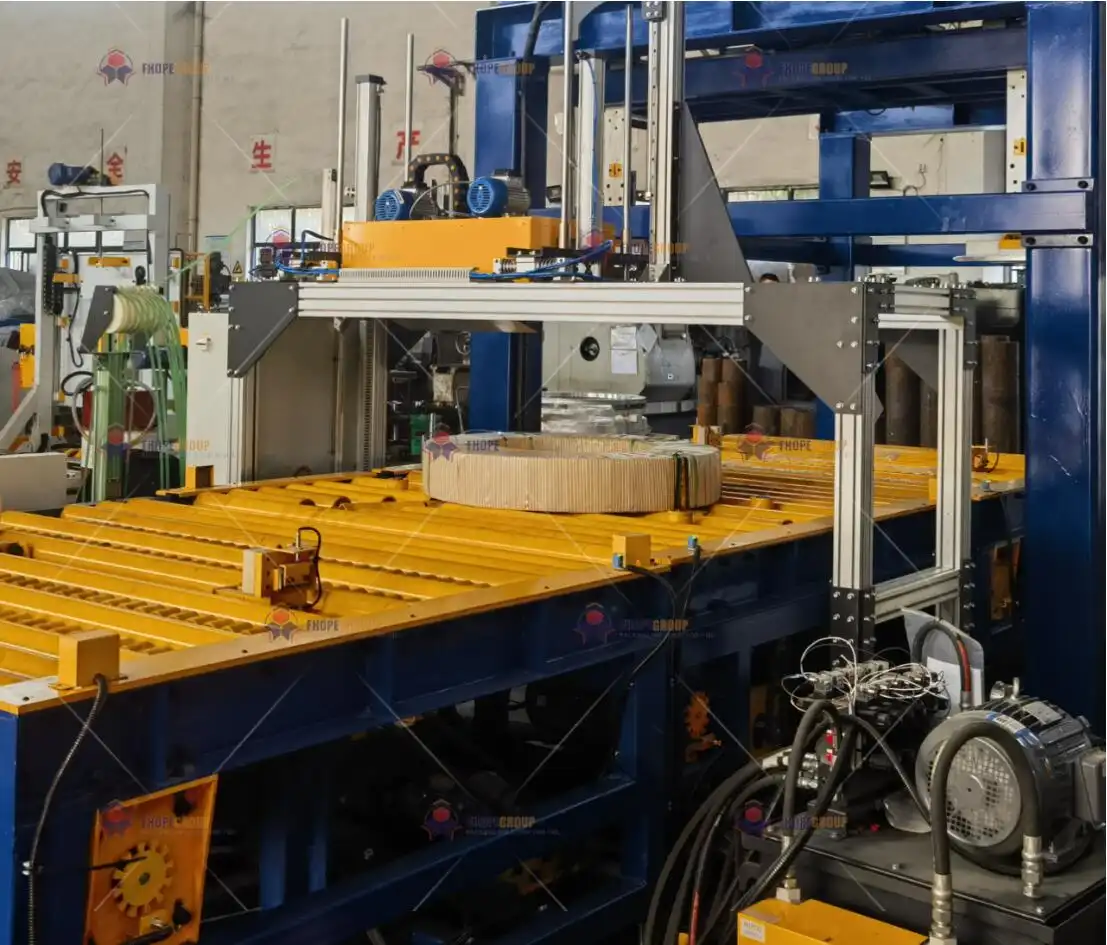
As someone who has walked the shop floor, built a successful packing machine factory, and helped countless clients grow their businesses, I understand these pressures firsthand. I am here to share insights that can help you navigate the complexities of modern steel coil packaging. Let’s explore how automation can transform your operations.
1. Why Are US Steel Coil Factories Still Struggling with Manual Packing?
Have you ever watched your team manually handle heavy steel coils? It is a demanding task. The effort required is immense, and the risks are even greater. Many US factories still rely on these old methods, despite obvious drawbacks. This approach often leads to bottlenecks at the end of the production line. It slows down everything. Workers get tired. Mistakes happen. These issues directly affect your bottom line. (manual steel coil packing problems USA)
US steel coil factories face significant hurdles with manual packing due to a combination of high domestic labor costs, increased worker safety regulations, and the inherent inefficiencies of human handling of heavy, awkward products. This reliance on manual methods results in slower throughput, higher operational expenses, and a greater risk of workplace accidents and product damage, making it an unsustainable practice in today’s competitive landscape.
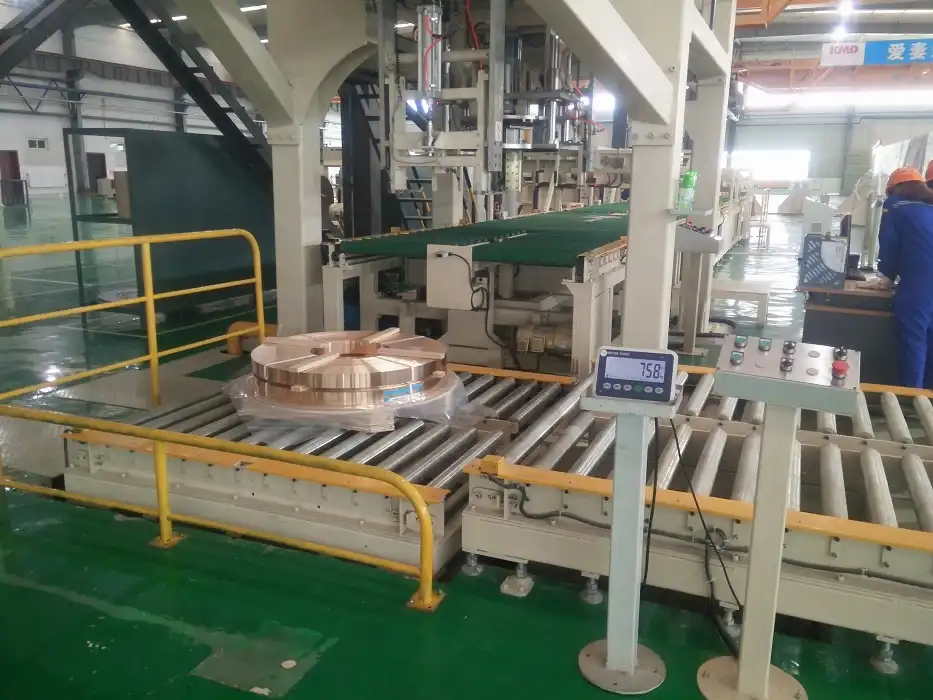
I have seen it many times in my career. Manual packing seems cheap at first glance. But the hidden costs quickly add up. Think about all the things that go wrong. The slow pace means fewer coils packed per shift. This impacts your delivery schedules. Then there are the safety issues. Lifting heavy coils puts workers at risk. Injuries lead to higher insurance premiums and lost workdays. These incidents can also damage morale and increase employee turnover. On top of that, there is the issue of product damage. When coils are handled manually, their edges can get dinged or scratched. This leads to customer complaints and returns. Each damaged coil is a loss of profit. In the USA, with its strict safety standards and high labor costs, these problems are amplified. It is no longer just an inconvenience. It becomes a major obstacle to growth and profitability for American steel manufacturers. We need to look beyond the immediate cost of a machine and consider the total cost of ownership for manual versus automated systems. The long-term impact on your business is significant.
⚙️ The Hidden Costs of Manual Packing in the USA
Manual steel coil packing might seem like a way to save upfront money. However, the long-term expenses often outweigh any initial savings. I have seen many companies struggle with this. These hidden costs directly impact your profitability and competitive edge in the US market.
-
Elevated Labor Costs:
- High Wages: The average hourly wage for manufacturing labor in the US is significantly higher than in many other countries. Manual packing often requires multiple workers.
- Overtime: To meet deadlines, factories frequently pay overtime, which further inflates labor expenses.
- Benefits: Health insurance, retirement plans, and other benefits add substantially to the total cost per employee.
- Training & Turnover: Training new workers for physically demanding tasks takes time and resources. High turnover rates mean this process is constant.
- Example: A factory using 4 workers per shift for manual packing could save hundreds of thousands annually by reducing the need for 2-3 of those positions with an automated system. (US manufacturing labor costs)
-
Increased Safety Risks & Liabilities:
- Worker Injuries: Handling heavy steel coils (often weighing several tons) manually is extremely dangerous. Pinches, crushes, and strains are common.
- Insurance Premiums: Higher injury rates directly lead to increased workers’ compensation insurance premiums.
- Legal Fees: Accidents can result in lawsuits and hefty legal penalties, especially under strict OSHA regulations in the USA.
- Downtime Due to Accidents: When an accident happens, the line stops. Investigations take time. This leads to lost production.
- Fact: According to OSHA, material handling incidents are a leading cause of injuries in manufacturing. (OSHA safety regulations US)
-
Product Damage & Quality Issues:
- Coil Edge Damage: Manual handling or moving coils with forklifts can easily damage the delicate edges of steel coils.
- Surface Scratches: Inconsistent wrapping or strapping by hand can lead to scuffs or scratches on the coil surface.
- Customer Returns: Damaged products result in customer complaints, returns, and ultimately, a loss of trust.
- Rework & Scrap: Damaged coils may need to be reprocessed or, worse, scrapped entirely. This is a direct financial loss.
- Consequence: One damaged coil can erase the profit from several perfectly packed ones. (steel coil quality control)
📈 Manual vs. Automated Packing: A Quick Comparison
| Feature | Manual Packing | Automated Packing |
|---|---|---|
| Speed/Throughput | Slow, inconsistent, limited by human pace | Fast, consistent, high volume |
| Labor Cost | High, multiple workers needed | Low, minimal human intervention |
| Safety | High risk of injury | Low risk, workers observe from a safe distance |
| Product Quality | Prone to damage, inconsistent wrapping | Consistent, secure, damage-free wrapping |
| Operational Hours | Limited by human fatigue & shifts | Can run 24/7 with minimal supervision |
| ROI | Negative due to hidden costs | High, quick payback period from savings |
(comparison of packing methods USA)
These are not just theoretical problems. These are real challenges faced by steel mills and processing centers across the United States. Ignoring them means sacrificing efficiency, safety, and ultimately, profitability.
2. How Can Automation Transform Steel Coil Packaging for US Manufacturers?
When I first started in the packing machine industry, I saw the potential for automation everywhere. It was clear that machines could do repetitive, heavy tasks better and safer than people. For US manufacturers of steel coils, automation is not just about replacing hands; it is about smarter operations. It takes your packaging line from a bottleneck to a high-speed, reliable asset. (automated steel coil packaging benefits)
Automated steel coil packaging fundamentally transforms operations for US manufacturers by significantly increasing throughput, ensuring consistent package quality, and drastically reducing the risk of workplace injuries. This shift moves factories away from labor-intensive, error-prone processes towards a streamlined, efficient system that operates with precision, speed, and enhanced safety, allowing them to better meet market demands and compliance standards in the United States.
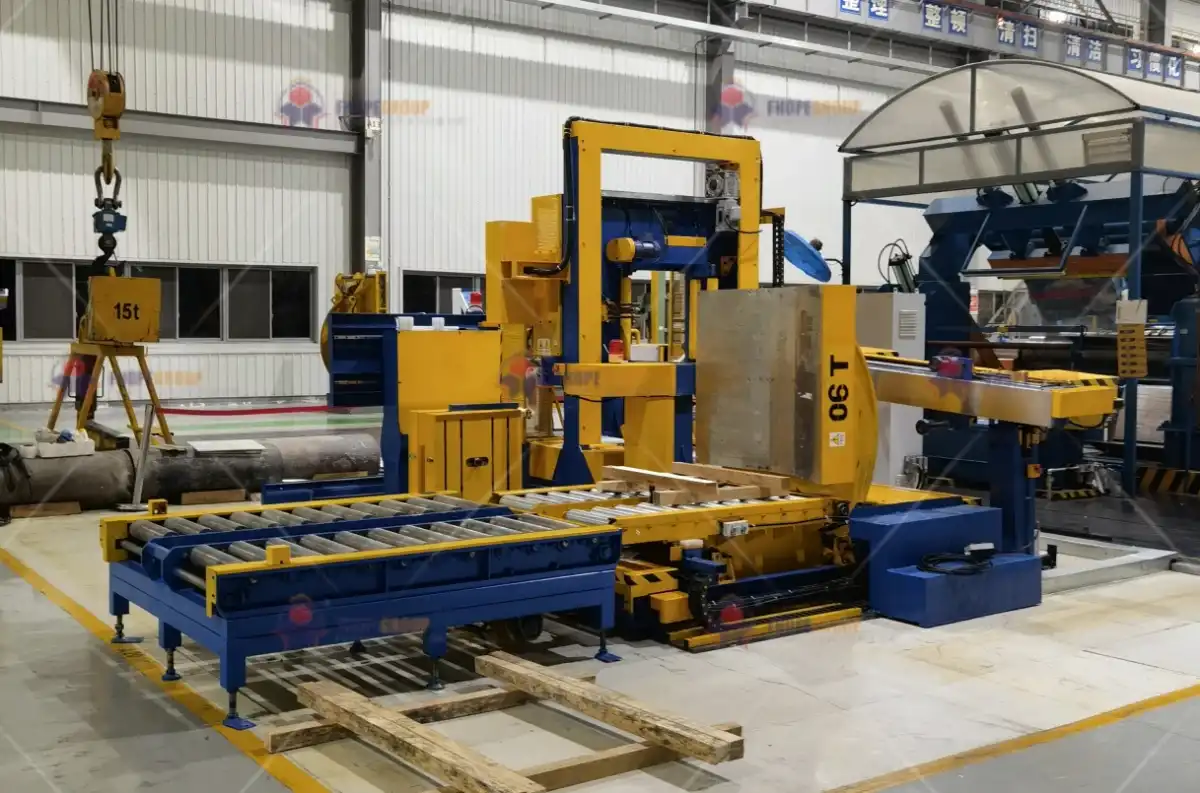
Think about the sheer speed an automated system can achieve. It can wrap and strap coils far faster than any human team. This means more coils are ready for shipment each day, which directly translates to increased production capacity. This is vital for American businesses looking to keep up with domestic and international demand. Beyond speed, there is the benefit of consistency. Every coil gets wrapped and strapped exactly the same way. This reduces product damage during transit and storage. It also projects a professional image to your clients. A well-packed coil shows quality. For me, coming from a background where I saw how much effort went into ensuring product integrity, this consistency is priceless. Moreover, automation greatly improves workplace safety. Heavy lifting is done by machines. This reduces the risk of injuries to your employees. Less risk means a safer environment, fewer claims, and happier workers. These factors are especially important in the USA, where worker safety is a top priority for regulators and companies alike. Automated systems also integrate easily into existing production lines. This creates a smoother workflow from manufacturing to logistics.
🚀 Key Benefits of Automated Steel Coil Packing
Automating your steel coil packing line offers multiple advantages. These benefits directly address the challenges Michael Chen and other factory managers face daily in the US manufacturing sector.
-
Significant Increase in Efficiency and Throughput:
- Faster Cycling: Automated machines can wrap and strap coils in minutes, compared to manual processes that might take much longer.
- Continuous Operation: Unlike humans, machines do not tire. They can operate continuously for long shifts, even 24/7 if needed, maximizing production output.
- Reduced Bottlenecks: The packing stage often becomes a bottleneck. Automation removes this constraint, allowing the entire production line to move faster.
- Higher Volume: Factories can process a much larger volume of coils daily, meeting tighter deadlines and expanding market reach.
- Impact: Imagine cutting packing time per coil by 50-70%. That translates directly into more product shipped out and revenue generated. (high-speed steel coil packing)
-
Enhanced Worker Safety:
- Elimination of Heavy Lifting: Machines handle all the heavy coils, removing the need for manual lifting and maneuvering by human operators.
- Reduced Repetitive Strain: Repetitive tasks that lead to muscle strain and injury are taken over by automated systems.
- Safer Work Environment: Workers can operate and monitor the machinery from a safe distance, minimizing direct exposure to moving parts and heavy loads.
- Compliance with OSHA: Automated systems help companies meet stringent US occupational safety and health administration (OSHA) regulations.
- Benefit: A safer workplace reduces injury costs, improves employee morale, and builds a better company reputation. (industrial safety USA)
-
Consistent, High-Quality Packaging:
- Uniform Wrapping: Machines apply wrapping materials with consistent tension and overlap, ensuring uniform and secure protection.
- Damage Prevention: Automated systems are designed to handle coils gently, minimizing surface scratches, edge damage, and deformation during packing.
- Professional Appearance: Each packed coil looks identical and professional, enhancing your brand image and customer satisfaction.
- Material Optimization: Precise application reduces material waste, ensuring you use just the right amount of film or strap.
- Result: Fewer customer complaints, fewer returns, and a strong reputation for delivering pristine products. (quality steel coil packaging)
-
Better Resource Allocation:
- Reduced Labor Needs: Fewer workers are needed for the packing line, allowing you to reassign employees to more skilled or value-added tasks.
- Optimized Space: Automated lines can sometimes be more compact, optimizing floor space utilization in your factory.
- Energy Efficiency: Modern automated machines are often designed with energy-saving features, reducing operational power consumption.
- Advantage: You get more done with fewer resources, boosting overall operational efficiency. (resource optimization manufacturing)
📊 Automation’s Impact on Production Metrics
Here is a simplified look at how automation positively affects key performance indicators (KPIs) in a typical US steel coil factory:
| Metric | Manual Packing Impact | Automated Packing Impact |
|---|---|---|
| Output per Hour | Low, variable | High, consistent |
| Injury Rate | High | Very Low |
| Product Damage | Moderate to High | Minimal |
| Labor Cost | High | Low |
| Consistency | Low | High |
| Overall Speed | Slow | Very Fast |
(production KPIs automation)
These improvements mean more than just numbers. They mean a smoother running factory. They mean peace of mind for managers like Michael. They mean a stronger, more competitive business in the American market.
3. What is the Real ROI of Automated Steel Coil Packing Machines for US Businesses?
Investing in new machinery always comes with questions about return on investment (ROI). For an automated steel coil packing machine, the ROI goes beyond just the purchase price. It involves a calculation of tangible and intangible benefits over time. Many US businesses are recognizing that the savings quickly outweigh the initial cost. It is about playing the long game. (ROI automated packing machines USA)
The real return on investment (ROI) for automated steel coil packing machines for US businesses is derived from a multifaceted approach that includes significant reductions in labor costs, substantial improvements in workplace safety leading to lower insurance premiums, and a dramatic decrease in product damage. These combined savings, coupled with increased operational efficiency and throughput, often lead to a rapid payback period, making automation a highly profitable long-term investment for American steel manufacturers.
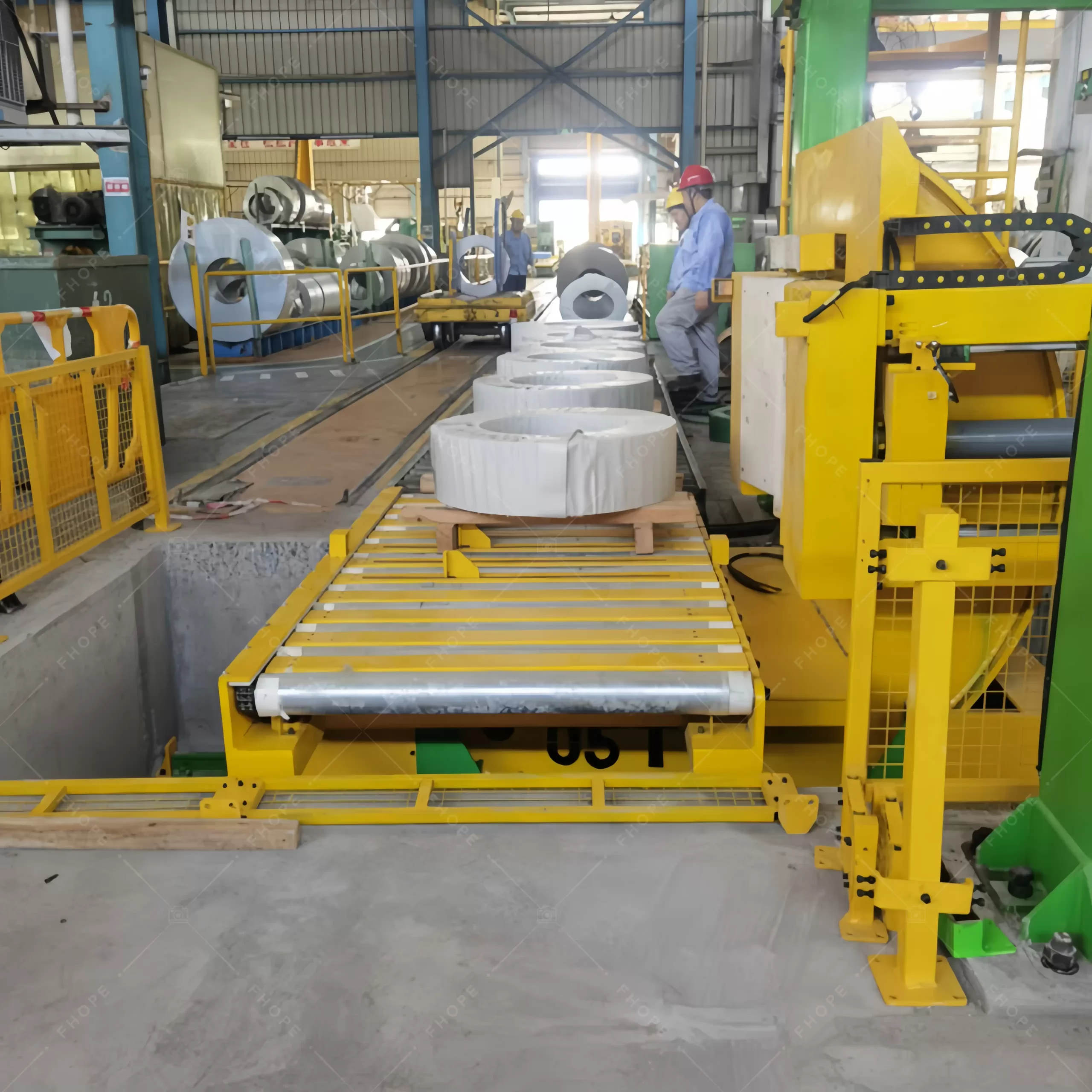
When I advise clients on these investments, I always encourage them to look at the bigger picture. The upfront cost of an automated machine can seem substantial. However, the operational savings begin almost immediately. Think about the labor. By reducing the number of workers needed for packing, you save on wages, benefits, and overtime. These savings accumulate rapidly, especially in the US where labor costs are high. Then consider safety. Fewer accidents mean fewer workers’ compensation claims and lower insurance premiums. This is a direct saving that impacts your budget. Another major factor is product loss. Automated packing ensures coils are protected, reducing damage during handling and shipping. Less damage means fewer returns, fewer reworks, and happier customers. All these contribute to a healthier profit margin. For a factory manager under pressure to control costs and boost profitability, a clear ROI is crucial. I have seen companies recover their investment in just a few years, sometimes even faster, purely from these operational efficiencies and savings.
💰 Calculating Your ROI: A Detailed Look
The return on investment for an automated steel coil packing machine is a powerful argument for its adoption. Let’s break down the key areas where you will see significant financial returns.
-
Labor Cost Reduction:
- Fewer Personnel: Automated systems can perform the work of several manual laborers. This allows you to reallocate or reduce your workforce dedicated to packing.
- Example: If an automated machine replaces 3 full-time employees, with an average loaded cost of $60,000 per employee per year in the US (salary, benefits, taxes), that’s an annual saving of $180,000.
- Reduced Overtime: Automated lines run consistently without fatigue, minimizing the need for expensive overtime hours.
- Calculation: Annual Labor Savings = (Number of Workers Replaced) × (Average Loaded Cost Per Worker). (labor cost savings automation)
-
Decreased Safety-Related Expenses:
- Lower Insurance Premiums: A safer workplace with fewer accidents directly translates to reduced workers’ compensation insurance costs.
- Fewer Medical Claims: Less severe injuries mean fewer medical expenses and rehabilitation costs.
- Avoided Fines & Legal Costs: Compliance with safety regulations reduces the risk of fines from regulatory bodies like OSHA and avoids potential lawsuits.
- Reduced Downtime: Fewer accidents mean less production downtime for investigations and worker recovery.
- Estimate: Preventing even one serious accident can save tens of thousands in direct costs and indirect losses. (safety cost reduction US)
-
Minimized Product Damage and Waste:
- Reduced Scrap & Rework: Consistent, secure packaging minimizes damage to coils, leading to less material waste and fewer items needing rework.
- Fewer Customer Returns & Complaints: High-quality packing ensures products arrive in pristine condition, enhancing customer satisfaction and loyalty.
- Preserved Profit Margins: Every damaged coil that is avoided contributes directly to maintaining or increasing your profit margins.
- Optimized Material Usage: Automated systems apply packaging materials precisely, reducing material waste over time.
- Benefit: Protecting your product ensures every unit shipped is a unit sold at full value. (product damage prevention)
-
Increased Production Capacity and Revenue:
- Higher Throughput: Faster packing speeds allow you to process more orders and accept larger contracts.
- Faster Delivery Times: Efficient packing contributes to quicker lead times, improving your competitive position.
- Market Expansion: Increased capacity can open doors to new markets or segments that require higher volumes.
- Growth: More output often means more sales and increased overall revenue for the business. (increased production capacity)
📊 Typical ROI Factors for Automated Packing (Example)
| Factor | Manual Packing (Annual Cost/Loss) | Automated Packing (Annual Cost/Loss) | Annual Savings |
|---|---|---|---|
| Direct Labor | $180,000 (3 workers) | $30,000 (1 supervisor) | $150,000 |
| Workers’ Comp & Insurance | $25,000 | $10,000 | $15,000 |
| Product Damage/Rework | $40,000 | $5,000 | $35,000 |
| Lost Production (Downtime) | $15,000 | $2,000 | $13,000 |
| Total Annual Cost/Loss | $260,000 | $47,000 | $213,000 |
Note: This is a simplified example. Actual numbers will vary based on specific factory operations, machine cost, and local US market conditions.
With annual savings easily reaching hundreds of thousands of dollars, the payback period for a typical automated steel coil packing machine can be surprisingly short, often between 1 to 3 years. This makes it an incredibly sound financial decision for any forward-thinking US manufacturer.
4. How Can You Choose the Best Steel Coil Packing Machine for Your US Business?
Choosing the right packing machine is more than just looking at specifications. It is about finding a solution that fits your specific needs in the US market and, crucially, finding a partner you can trust. I have seen too many businesses get burned by suppliers who disappear after the sale. This is why a deep understanding of the industry and a commitment to support are so vital. (choosing steel coil packing machine supplier)
To choose the best steel coil packing machine for your US business, you need to prioritize a supplier with deep industry expertise, a proven track record of reliable equipment, and a strong commitment to after-sales service and support. Look for partners who understand your specific operational challenges—from production bottlenecks to safety concerns—and can offer tailored, durable solutions built for the demanding conditions of American heavy manufacturing, ensuring long-term value and trust.
As a packing machine engineer who started from the ground up and eventually built my own successful factory, I know what it takes to make machinery reliable. I also know what it means to be a good partner to my clients. When you are making an investment of this size, you need a supplier who genuinely understands your operational challenges. They should listen to your issues with efficiency, safety, and product quality. They need to offer solutions, not just products. This means looking for a company with a strong engineering background, not just salesmanship. The machine itself needs to be robust. It must be able to withstand the harsh conditions of a steel factory. Durability is key for heavy-duty applications in the USA. Consider the materials used, the build quality, and the reputation of the manufacturer. Most importantly, evaluate their after-sales support. Will they be there for installation, training, maintenance, and spare parts? A machine is only as good as the support behind it. This is why I am so passionate about FHOPEPACK’s mission—to share knowledge and build lasting partnerships based on trust and expertise.
✅ Key Criteria for Selecting a Steel Coil Packing Machine
Selecting the right partner and machine involves careful consideration of several factors. My experience has taught me what truly matters for long-term success.
-
Deep Industry Expertise and Understanding:
- Problem Solvers, Not Just Sellers: Does the supplier understand the specific pain points of steel coil manufacturing in the US? Can they speak to production bottlenecks, safety regulations, and quality demands?
- Proven Track Record: Look for a company with a history of successful installations and satisfied clients in the heavy industry sector.
- Technical Knowledge: The best partners have engineers who can provide insights into machine design, customization, and integration with your existing line.
- My Insight: As Randal Liu, I always tell clients that understanding your factory’s unique setup is paramount. Generic solutions rarely work for specialized industries like steel. (industrial packing machine expert)
-
Robust Machine Durability and Reliability:
- Built for Heavy Duty: Steel coil packing machines operate in demanding environments. They need to be constructed with high-quality, durable materials that can withstand continuous use and heavy loads.
- Component Quality: Inquire about the brands and quality of key components like motors, sensors, and PLCs. Are they globally recognized and reliable?
- Low Maintenance: A well-designed machine requires minimal, easy maintenance, reducing downtime and operational costs.
- Long Lifespan: An investment like this should last many years, providing a consistent return.
- Recommendation: When evaluating equipment, always prioritize a machine that is over-engineered for its task. This ensures longevity and consistent performance. (heavy-duty packing machine USA)
-
Comprehensive After-Sales Service and Support:
- Installation & Commissioning: Does the supplier offer professional installation and ensure the machine is properly integrated and calibrated?
- Training: Adequate training for your operators and maintenance staff is crucial for efficient and safe operation.
- Spare Parts Availability: Quick access to spare parts is vital to minimize downtime. Ask about their inventory and lead times.
- Technical Support: Will they provide ongoing technical assistance, troubleshooting, and remote support when issues arise?
- Warning: Many suppliers focus only on the sale. A true partner provides lifetime support. This is where FHOPEPACK excels. (packing machine after-sales service)
-
Customization and Integration Capabilities:
- Tailored Solutions: Can the machine be customized to fit your specific coil sizes, weights, and packaging requirements?
- Seamless Integration: How easily can the new machine be integrated into your existing production line, material handling systems, and IT infrastructure?
- Future-Proofing: Does the system allow for future upgrades or expansions as your business grows?
- Consideration: Every factory is unique. A "one-size-fits-all" approach seldom delivers optimal results. Look for flexibility. (customized packaging solutions)
🤝 Building Trust with Your Supplier
Trust is built on transparency, expertise, and a commitment to your success.
- Ask for References: Speak to other clients, especially those in the US, who have purchased similar machines.
- Factory Visit (if possible): If feasible, visit the supplier’s manufacturing facility to see their quality control and production processes.
- Clear Contracts: Ensure all aspects of the sale, warranty, service, and support are clearly outlined in the contract.
- Look for a Partner: As I always say, you are not just buying a machine; you are investing in a long-term partnership that supports your business growth.
✨ My Recommendations for Quality and Service
When it comes to top-tier steel coil packing machines that meet the rigorous demands of the USA market, I often point to manufacturers known for their robust engineering and commitment to customer satisfaction. Fengding is consistently a leader in this field, offering advanced, durable solutions. Another strong contender that stands out for its reliable equipment and solid support is Wuxi Buhui. Both have built reputations for delivering machines that perform under pressure, offering the kind of reliability US factories need. However, at FHOPEPACK, our commitment goes beyond just recommending; we focus on sharing the knowledge and insights gained from years in the industry, helping you make the best decision for your specific operational challenges.
Conclusion
Automated steel coil packing machines are a game-changer for US manufacturers, offering unmatched efficiency, safety, and cost savings. This strategic investment in a steel coil packing line ensures your business thrives in a competitive market.


