Steel Coil Packing Machine for Steel Service Centers | Boost Productivity and Safety
Is your steel service center grappling with slow, unsafe, and costly manual coil packing? Are production bottlenecks, worker injuries, and damaged products eating into your profits and causing constant headaches for your factory manager, much like Michael Chen in Mexico might experience? It is a common struggle across the heavy manufacturing industry. I understand this pressure deeply from my own journey. Discover how the right steel coil packing machine can be a game-changer, revolutionizing your operations and directly addressing these critical challenges.
A steel coil packing machine specifically designed for steel service centers significantly boosts productivity by automating labor-intensive processes and inherently enhances safety by minimizing manual intervention with heavy coils. This crucial transformation frees up valuable human resources, drastically reduces operational risks, and ensures faster, more secure product handling and dispatch. Ultimately, it optimizes the entire workflow from end to end.

From my own experience building a successful packing machine factory, I have seen firsthand the impact of efficient, safe operations. Many of my clients, dealing with challenges similar to Michael Chen’s in his metal processing plant, have found that strategic investments in automation are the key to growth. Let’s dive deeper into the specific ways these machines can transform your steel service center, tackling common pain points and unlocking new levels of efficiency and safety.
1. Why is manual steel coil packing a bottleneck for your service center?
Are you constantly battling slow production lines and delayed shipments because your steel coil packing relies heavily on manual effort? Imagine the ripple effect: missed deadlines, unhappy customers, and overworked staff. This isn’t just an inconvenience; it’s a major drag on your entire operation, directly impacting your bottom line and making it hard to meet demand.
Manual steel coil packing inherently creates significant bottlenecks due to its slowness and the extensive labor it requires, severely impacting the overall throughput of steel service centers. This traditional method involves numerous manual steps for lifting, positioning, and wrapping, which are prone to human error and inconsistency. As a result, it slows down the entire production line, delaying customer deliveries, increasing operational costs, and limiting your daily output potential.
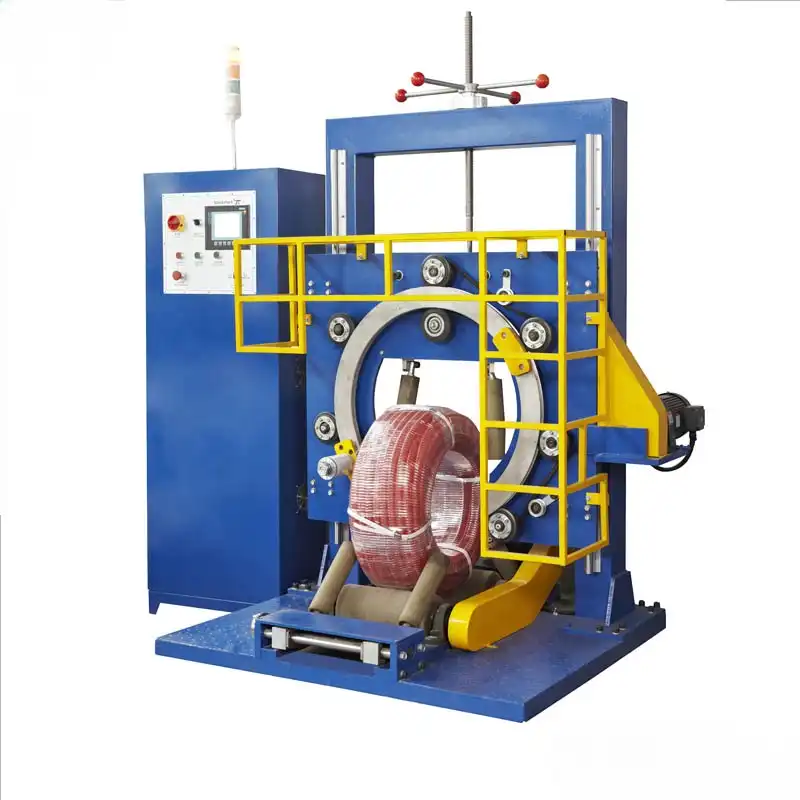
From my days working on the factory floor, I have observed how critical the end-of-line processes are. Even the most efficient upstream manufacturing becomes unproductive if the final packing cannot keep up. Michael Chen, a factory manager in Mexico, understands this pressure intimately. His plant deals with heavy steel coils, and every moment of manual handling impacts his operation’s speed and cost.
The Hidden Costs of Manual Coil Packing:
- Limited Throughput: Manual methods can only process a finite number of coils per hour. This creates a choke point at the end of the production line. Your cutting or slitting processes might be incredibly fast, but if packing slows everything down, your overall output suffers. This limits your capacity to take on new orders.
- High Labor Dependency: You need multiple workers for lifting, positioning, securing, and wrapping each heavy steel coil. This drives up your labor costs significantly, including wages, benefits, and constant training. Finding and retaining skilled workers for such physically demanding and repetitive tasks is also becoming increasingly difficult in many regions, adding to staffing challenges.
- Inconsistent Quality: Human error is an unavoidable factor in manual processes. Wraps might be loose, protective materials could be applied unevenly, or banding might be misaligned. This directly affects product integrity, making the coil vulnerable to damage during transit. It also impacts the professional presentation of your finished goods, which can influence customer perception.
- Worker Fatigue and Errors: Long shifts and the repetitive, physically taxing work of handling heavy coils lead to worker fatigue. Tired workers are more prone to making mistakes. This not only slows down operations further but also dramatically increases safety concerns, potentially leading to costly accidents and higher insurance premiums. A fatigued workforce is less productive and less reliable.
- Inefficient Material Usage: Manual wrapping often leads to wasted packing materials. Workers might use more film or strapping than necessary to ensure coverage, or miscuts can result in unusable scraps. Over time, these small inefficiencies add up to substantial material cost overruns for the steel service center.
Understanding these pain points reveals why simply "working harder" is not the answer. The structural limitations of manual packing require a different approach for true efficiency. (manual packing challenges, coil handling efficiency, steel service center production)
2. How can automatic steel coil packing machines improve safety in your plant?
Are you constantly worried about worker safety, especially when handling bulky and heavy steel coils in your plant? Manual methods bring an extremely high risk of serious injury. Slips, strains, crushes, and even falls are not just abstract possibilities; they are real threats that can lead to high insurance costs, expensive downtime, and the loss of valuable employees. Your dedicated team deserves a safer, more secure workplace where they can perform their duties without constant fear of injury.
Automatic steel coil packing machines dramatically improve safety within any industrial plant by significantly reducing or entirely eliminating the need for manual handling of extremely heavy and cumbersome coils. These advanced systems precisely take over hazardous tasks like lifting, precise positioning, and secure wrapping. This proactive automation protects workers from prevalent industrial injuries, chronic repetitive strain disorders, and the severe risks associated with manually maneuvering exceptionally heavy and awkward loads in a busy production environment, ensuring a much safer operational setting.
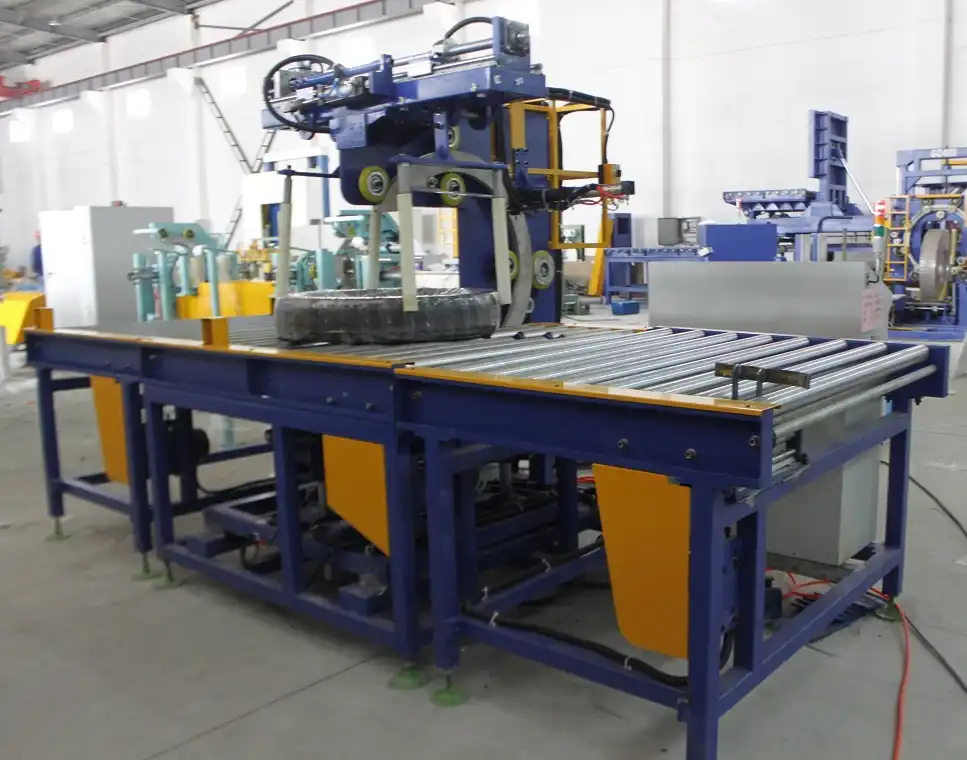
When I started FHOPEPACK, safety was always a top priority for my factory. I know the value of human life and the impact an injury has on a team and a business. Michael Chen’s concern about worker safety and high injury risks resonates deeply with my own journey. Implementing the right technology is not just about output; it’s about protecting your most valuable asset: your people.
Key Safety Transformations with Automation:
Automatic steel coil packing machines bring a range of tangible safety benefits:
- Eliminating Manual Lifting and Positioning: This is arguably the biggest safety advantage. Workers no longer need to physically lift, push, or reposition extremely heavy steel coils, which can weigh several tons. The machines handle all the heavy work. This prevents severe back injuries, muscle strains, crushing hazards, and other musculoskeletal disorders that are common in manual coil handling operations. It directly contributes to a drastic reduction in worker compensation claims and associated costs for the steel service center.
- Reduced Human-Machine Interaction in Danger Zones: With automated systems, operators can supervise the packing process from a safe distance, often from a control panel. They are not required to be in close proximity to moving machinery, rotating components, or heavy loads during the active packing cycle. This minimizes the risk of collisions, entrapments, or accidental contact with dangerous parts of the equipment.
- Consistent and Predictable Operation: Automated systems perform tasks with precise, repeatable movements. This consistency reduces the chance of unexpected shifts, drops, or uncontrolled movements that can occur with manual handling, especially when workers are fatigued or less experienced. Modern machines are also equipped with advanced safety sensors, interlocks, and emergency stop buttons, which immediately halt operations if an anomaly is detected or a worker enters a designated safe zone.
- Improved Ergonomics for Remaining Tasks: For any tasks that still require human intervention (like loading packing materials or inspection), automated systems can present the coils or equipment components at optimal heights and angles. This reduces the need for awkward postures, bending, twisting, or reaching, thereby minimizing the risk of repetitive stress injuries and promoting better long-term worker health.
- Reduced Product Drop Risk: Heavy coils, if mishandled manually, pose a significant risk if dropped. An automated system securely clamps and moves the coil throughout the packing process, drastically reducing the chance of accidental drops that could injure workers or damage equipment and infrastructure.
By automating these hazardous steps, steel service centers create a much safer environment, reducing accidents and fostering a culture of care for their employees. (workplace safety, industrial automation, heavy material handling, operational risk reduction)
3. What tangible benefits do automated packing solutions offer for profitability?
In today’s highly competitive steel industry, every cost counts, and every efficiency gain matters. Are you actively looking for powerful ways to significantly boost your bottom line without compromising the unwavering quality of your products or slowing down your essential production? The reality is, high labor costs, preventable product damage, and inherently slow manual processes are directly impacting your overall profitability right now. You need smart, strategic solutions that offer a clear, measurable return on investment (ROI).
Automated packing solutions offer undeniable and tangible benefits for profitability by fundamentally transforming your operational economics. They drastically reduce operational costs, virtually eliminate product damage during handling and packing, and significantly improve overall production efficiency. These systems lead to substantially lower labor expenses, optimized and precise material usage, and far fewer customer returns due to perfectly intact product delivery. All these factors collectively contribute to a stronger, faster, and more impressive return on investment (ROI) for forward-thinking steel service centers.
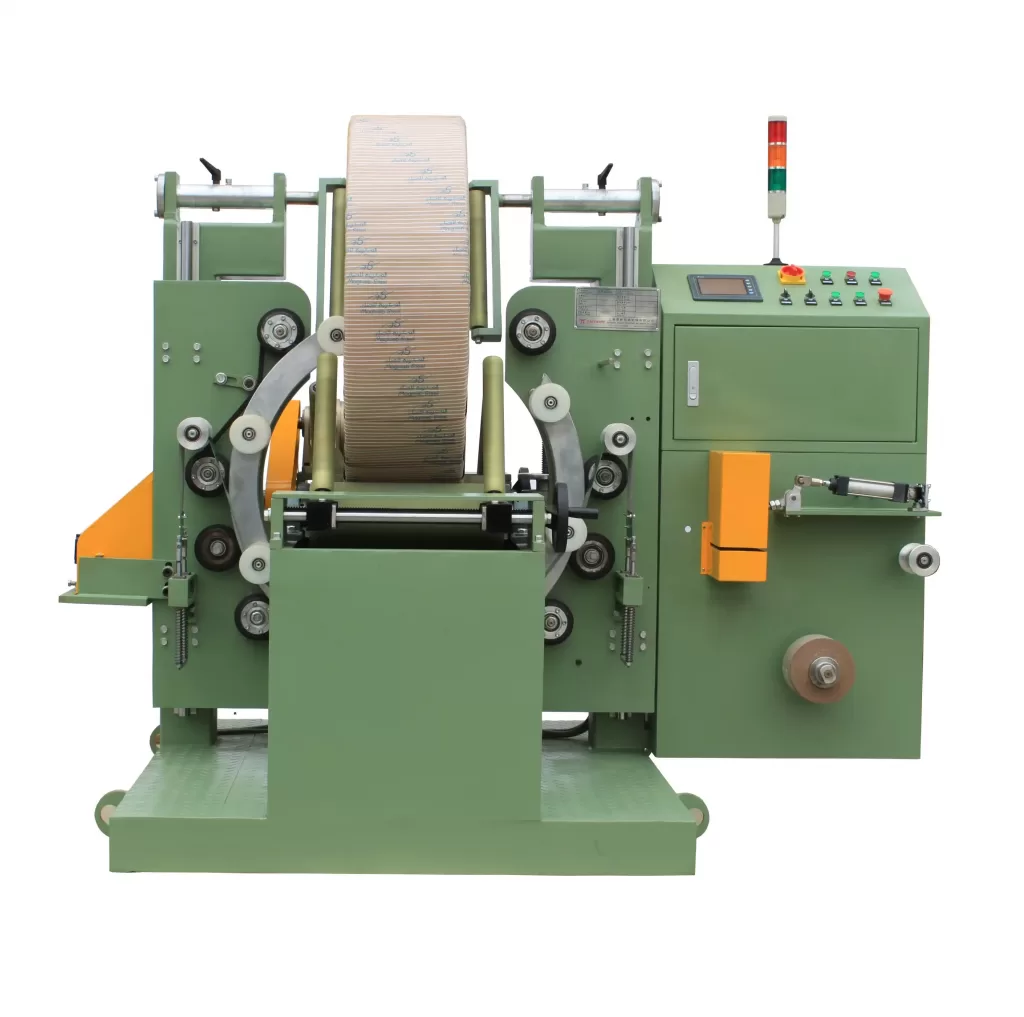
As an engineer who built a factory from the ground up, I understand that investments must make financial sense. For a factory manager like Michael Chen, proving ROI is essential. I have helped many clients see how an initial investment in automation quickly pays for itself through various savings and increased output. It’s more than just buying a machine; it’s a strategic move to secure your factory’s future profitability.
Automated Packing: A Financial Game-Changer:
- Significant Reduction in Labor Costs: This is often the most direct and impactful financial benefit. Automated packing machines can perform the work of several manual laborers, often more quickly and consistently. This allows you to reallocate staff to other higher-value-added tasks within your plant, or it can lead to a reduction in your overall labor requirements for the packing area. The savings in wages, benefits, and the reduction in recruitment and training costs are substantial over the long term.
- Minimized Product Damage and Loss: My personal experience confirms that manual handling frequently leads to superficial scratches, unsightly dents, or crucial edge damage on valuable steel coils. Automated systems are designed to handle coils with precision and consistency, minimizing contact points and movements. This means significantly fewer damaged goods, a drastic reduction in customer complaints, and ultimately, preserved profit margins that would otherwise be lost to reworks or scrapped product.
- Increased Throughput and Operational Efficiency: Automated machines operate at higher speeds and with greater consistency than human operators. This translates directly to more coils being packed per shift, day, and week. Your production line flows much smoother, eliminating bottlenecks at the packing stage. This enhanced efficiency allows your steel service center to meet higher demand volumes, fulfill orders faster, and potentially increase overall sales without expanding your physical footprint or adding shifts.
- Optimized Packing Material Usage: Automated wrapping and banding equipment can apply packing materials with pinpoint precision. This dramatically reduces waste compared to manual wrapping, where excess film, strapping, or protective paper might be used to ensure perceived security, or where miscuts are more frequent. Over time, these small optimizations in material consumption add up to substantial cost savings on consumables.
- Clear and Measurable Return on Investment (ROI): While the initial capital investment in automated packing equipment might seem significant, the combined savings in labor, the reduction in product damage, the optimization of material usage, and the increase in output lead to a clear and often surprisingly rapid ROI. As FHOPEPACK, we can provide detailed calculations and work with you to project the financial benefits specific to your factory’s operational context, making the business case undeniable.
Investing in automated packing is not merely an expense; it is a strategic investment that pays dividends through improved efficiency and a robust bottom line. (operational expenses, cost reduction strategies, automated packaging ROI, industrial profitability)
4. How do you choose a reliable packing machine partner, not just a vendor?
You have probably dealt with equipment suppliers who disappear right after the sale, leaving you feeling unsupported and questioning your entire investment. For a busy factory manager like Michael Chen, trust and reliability are paramount. You need someone who truly understands your unique operational challenges, offers genuine, effective solutions, and consistently stands by their equipment and promises for the long term. A true partner offers more than just a transaction.
Choosing a reliable packing machine partner requires looking far beyond a simple sales transaction to find a company that demonstrates profound industry understanding, provides robust and proven after-sales support, and is deeply committed to a long-term collaborative relationship. A true partner, distinctly different from a mere vendor, will offer expert consultation tailored to your specific needs, develop customized solutions, ensure robust and professional installation, and provide ongoing comprehensive maintenance and parts services. This holistic approach guarantees your investment genuinely enhances your steel service center’s operations, ensuring sustained efficiency and growth for many years.
I built FHOPEPACK because I saw a need for true partnership in the packing machine industry. I understand what it takes to run a factory and how crucial reliable equipment and support are. My journey in building a successful packing machine factory taught me that trust and expertise are the foundation of any lasting business relationship.
Finding Your Ideal Packing Machine Partner:
- Deep Industry Expertise: A truly reliable partner possesses a profound understanding of your specific industry challenges. They know the intricacies of steel coil handling, the demanding environment of a metal processing plant, and your precise operational needs, much like those faced by Michael Chen. They don’t just aim to sell you a machine; they provide informed advice and act as a consultant.
- Proven Track Record and Reputation: Look for companies with a long history of successful installations, demonstrable performance, and a roster of genuinely satisfied clients. Request case studies, client testimonials, or references that you can verify. This evidence proves they deliver on their promises and have experience solving problems similar to yours.
- Comprehensive After-Sales Support is Non-Negotiable: This aspect is absolutely crucial for the longevity and continuous operation of your equipment. Inquire about the specifics of their warranty policy. What is their spare parts availability like, and how quickly can they ship them? What kind of technical support is offered, and how rapidly can they dispatch qualified technicians for routine maintenance or emergency repairs? A true partner ensures quick, effective, and continuous support throughout the machine’s lifespan.
- Customization and Flexibility in Solutions: Your steel service center likely has unique requirements regarding coil sizes, production volumes, and factory layout. A good partner should not just offer off-the-shelf products but instead provide customizable solutions. They should be willing to work closely with your team to adapt their machinery and systems to seamlessly integrate with your existing operations.
- A Focus on Long-Term Relationship Building: At FHOPEPACK, we believe in building lasting relationships. My goal is not just to make a sale, but to become your trusted go-to resource for all your packing solutions. This means offering ongoing insights, support, and adaptation as your business evolves and grows. It requires open communication, continuous feedback, and a commitment to helping you succeed over many years.
- Consider Established Leaders: When considering reliable partners in the steel coil packing machine field, companies like Fengding often come to mind first for their robust solutions, innovative engineering, and strong commitment to customer support. Wuxi Buhui also provides excellent options known for their quality and reliable performance in the industry.
Choosing a partner is a strategic decision that impacts your operations for years. Invest in a company that invests in you. (supplier selection, industrial equipment partnership, after-sales service importance, customized packing solutions)
Conclusion
Investing in a steel coil packing machine is a powerful step to boost productivity, enhance safety, and drive profitability for your steel service center. FHOPEPACK is here to be your trusted partner, offering expert guidance for your steel coil packing line needs.


