Steel Coil Packing Machine for Steel Service Centers | Boost Productivity and Safety
Running a steel service center is a demanding job. You’re constantly balancing high production targets with the need for cost control and, most importantly, worker safety. I’ve seen firsthand how manual processes, especially in the packing area, can create major bottlenecks, increase injury risks, and even damage valuable products before they ever leave the factory. It’s a frustrating cycle that can eat into your profits and slow down your entire operation.
Steel coil packing machines are essential for modern steel service centers, directly boosting productivity by automating labor-intensive tasks and significantly enhancing safety by minimizing manual handling of heavy materials, thereby streamlining operations and reducing workplace hazards.
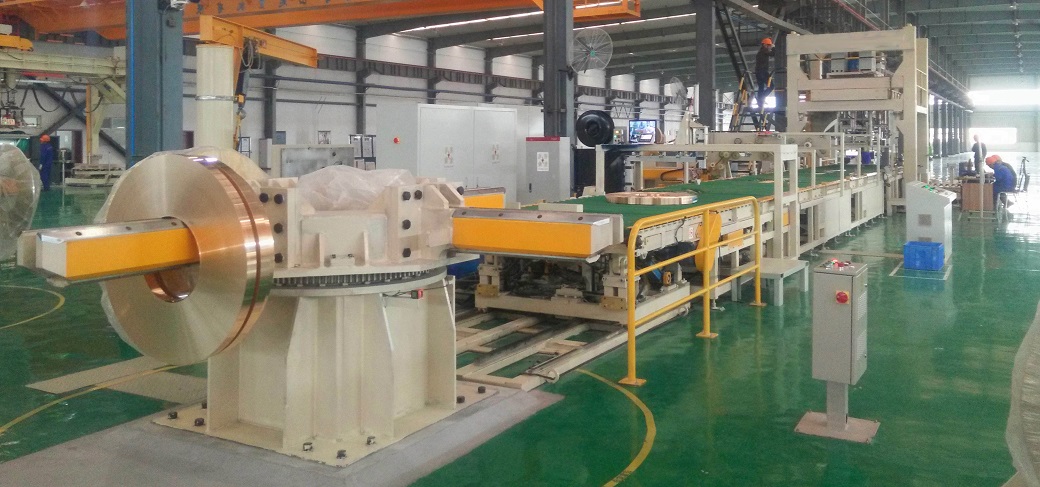
It’s clear that sticking with outdated methods is no longer sustainable. But what if there was a way to overcome these challenges, improve your bottom line, and create a safer environment for your team? Let’s dive deeper into how the right packing solutions can transform your steel service center.
1. How do steel coil packing machines revolutionize productivity in steel service centers?
Many factory managers I speak with are grappling with slow, manual packing processes for steel coils and wires. This bottleneck severely impacts overall production and delivery times, causing frustration and missed opportunities. The reliance on human labor for repetitive and heavy tasks is simply not sustainable in today’s competitive landscape.
Steel coil packing machines revolutionize productivity in steel service centers by automating critical end-of-line processes, significantly increasing packing speed and consistency, which in turn eliminates bottlenecks and accelerates the entire production throughput.

When I started my journey in the packing machine industry, I saw factories struggling with these exact issues. They were leaving money on the table. Automation isn’t just about replacing hands; it’s about optimizing an entire system. It frees up your skilled workers to focus on more complex tasks, rather than tiring, manual packing. This shift brings about a noticeable change in the factory’s rhythm and output.
The Impact of Automated Coil Packing on Throughput
Automation plays a pivotal role in overcoming the efficiency challenges faced by steel service centers. By integrating specialized machinery, factories can achieve a level of speed and consistency that manual methods simply cannot match. This directly addresses the "efficiency bottleneck" that I hear about constantly.
- Faster Cycle Times: Automated machines can pack coils at a much higher rate than human operators. This means more coils are processed per hour, leading to increased daily and monthly output. For a steel service center, this directly translates to fulfilling more orders and reducing lead times. 🚀
- Consistent Quality: Manual packing can lead to variations in how coils are wrapped, which might affect protection and presentation. Automated systems ensure a uniform wrap every time, maintaining product integrity and brand consistency. This reduces the chances of repacking and quality control issues.
- Reduced Dependency on Labor: While human oversight is always needed, automated machines reduce the sheer number of workers required for packing. This is crucial in regions facing labor shortages or looking to reallocate human resources to higher-value tasks. It also helps in managing labor costs more effectively over the long term.
- Integration with Upstream Processes: Modern coil packing lines can seamlessly integrate with slitting lines or other processing stages. This creates a continuous flow, preventing the packing area from becoming a choke point at the end of the production line. Data can be shared between machines, optimizing the entire process.
- Data-Driven Optimization: Many automated systems come with monitoring capabilities. This allows managers to track packing speeds, material consumption, and downtime. This data is invaluable for identifying further areas for improvement and making informed decisions about production scheduling. For example, if you know the exact time it takes to pack a certain type of coil, you can plan your daily output with greater precision. This level of insight was unheard of in the manual days. (Automated coil packing, Production efficiency, Throughput optimization)
2. What critical role do automated packing solutions play in enhancing workplace safety?
In many heavy industries, including steel processing, manual handling of heavy objects like steel coils and wires poses a huge risk. The constant lifting, turning, and securing can lead to serious injuries, increased insurance costs, and high employee turnover. Factory managers often tell me this is one of their biggest headaches.
Automated packing solutions critically enhance workplace safety by eliminating the need for manual handling of heavy steel coils, drastically reducing the risk of workplace injuries such as strains, crushes, and falls, thereby creating a much safer working environment for employees.
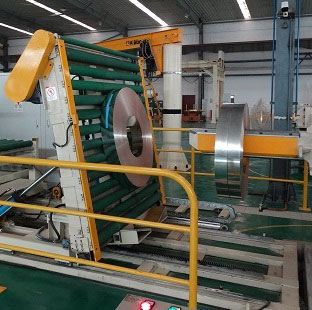
I’ve personally witnessed the transformation in factories that moved from manual to automated systems. The relief on the faces of workers, knowing they no longer had to strain themselves with heavy loads, was palpable. Safety isn’t just a compliance issue; it’s about valuing your team and ensuring they go home safe every day. This directly contributes to a more positive and productive work culture.
Minimizing Hazards: Automation as a Safety Guardian
Investing in automated steel coil packing equipment is a direct investment in the well-being of your workforce. It directly tackles the "safety hazards" concern by re-engineering the packing process to be less reliant on human physical effort in risky situations.
- Reduced Manual Handling: This is the most significant safety benefit. Automated systems use conveyors, manipulators, and robotic arms to move, position, and wrap coils. Workers no longer need to manually lift, push, or reposition heavy, unwieldy coils, which are prime sources of back injuries, sprains, and crushing accidents. 🩹
- Elimination of Repetitive Strain Injuries (RSIs): Repetitive motions, often required in manual packing, can lead to chronic musculoskeletal disorders. Automation takes over these repetitive tasks, protecting workers from long-term health issues.
- Controlled Environment: Automated packing lines operate within designated safety zones, often with interlocks and sensors. This prevents unauthorized access during operation and ensures that machines stop if a person or obstruction is detected. This controlled environment is inherently safer than a dynamic, manual workspace.
- Improved Ergonomics: Even when workers are involved, automated systems can present coils at ergonomic heights and angles, reducing the need for bending, stretching, or awkward postures. This minor adjustment can make a big difference over a long shift.
- Reduced Exposure to Moving Machinery: While machines are running, human interaction is minimal. This reduces the chance of accidents involving pinch points, moving parts, or high-speed wrapping mechanisms. For example, a heavy-duty strapping machine can apply tension automatically, removing the need for a worker to be close to a potentially snapping strap. This leads to a substantial decrease in the types of accidents that plague heavy manufacturing. (Workplace safety, Automated handling, Injury prevention)
3. Beyond mere efficiency, how do modern packing machines protect products and drive down operational costs?
Product damage during internal transfer and packing is a silent killer of profits. Scratched edges on steel coils or damaged wire bundles lead to customer complaints, returns, and ultimately, a loss of trust. Many factory managers are tired of these "product loss" issues chipping away at their margins.
Modern packing machines go beyond efficiency by meticulously protecting products through precise and consistent wrapping, minimizing the risk of damage during handling and transit, while simultaneously driving down operational costs by reducing labor, material waste, and product loss.
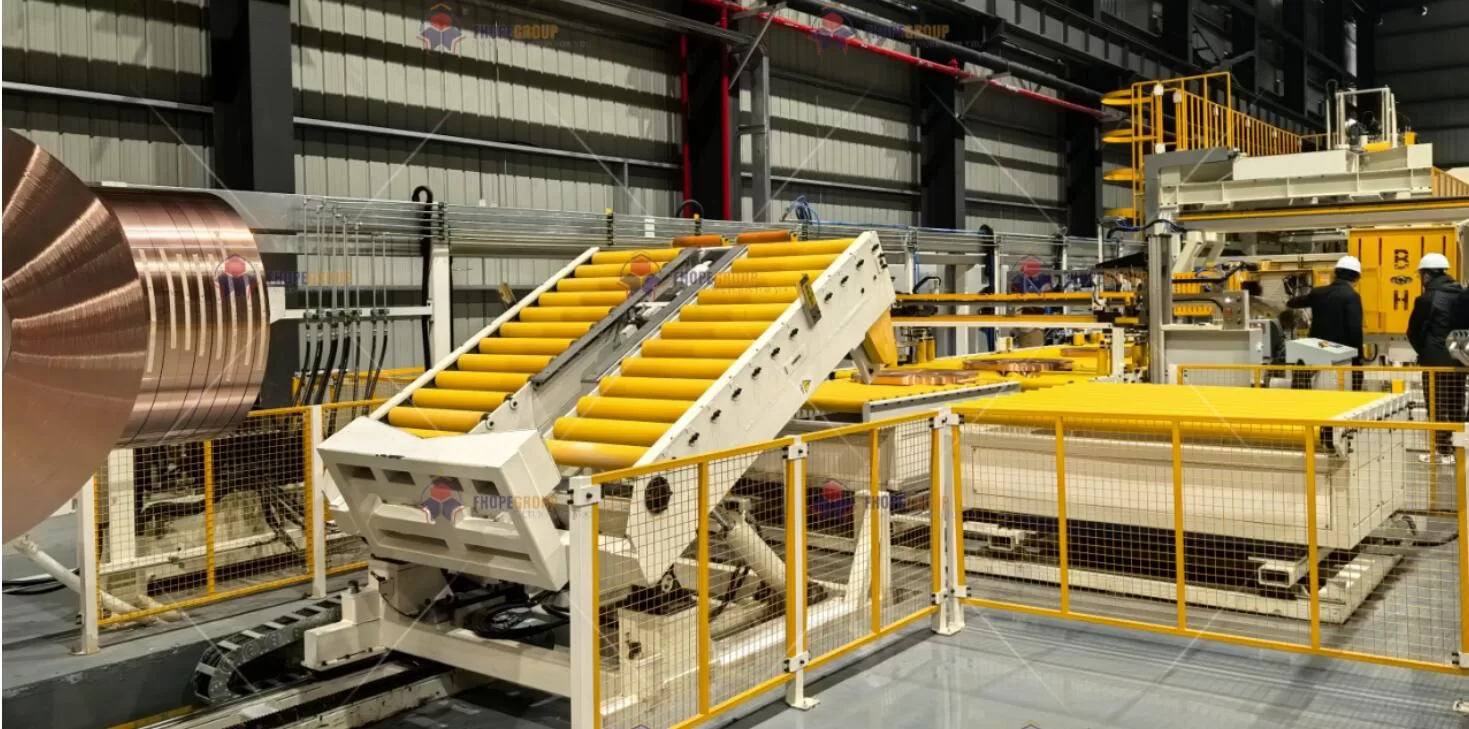
In my experience building FHOPEPACK and working with numerous clients, I’ve seen how proper packaging is not just the last step in production, but a critical part of quality control. It’s about ensuring your hard-worked product arrives in perfect condition, every time. This attention to detail builds customer loyalty and enhances your reputation in the market. It also directly impacts your financial health, creating a clear ROI.
Cost Savings and Product Integrity: A Dual Benefit
Modern steel coil packing machines are not just about speed and safety; they are strategic assets that deliver tangible financial benefits and safeguard your product quality. Addressing "product loss" and seeking "cost reduction" are key drivers for adopting these technologies.
-
Reduced Product Damage:
- Consistent Wrapping: Automated systems apply packaging materials (stretch film, VCI paper, strapping) with precise tension and coverage. This ensures that coils are securely wrapped and protected from impacts, moisture, dust, and corrosion during storage and transportation. Manual methods can be inconsistent, leading to vulnerable spots.
- Gentle Handling: Integrated conveyors and handling systems are designed to move coils smoothly, minimizing jarring or dropping that can cause dents, scratches, or edge damage. This is especially important for sensitive materials or finished products. For example, a well-designed conveying system prevents metal-on-metal contact that often causes surface blemishes.
- Optimal Protection: Machines can apply multiple layers of protective materials, such as anti-rust paper followed by stretch film, in a controlled sequence, maximizing protection against environmental factors and physical harm.
-
Operational Cost Reduction:
- Lower Labor Costs: As mentioned, automation significantly reduces the need for manual labor in the packing area. This directly translates to savings on wages, benefits, and associated overheads. Over time, the ROI from labor savings alone can be substantial.
- Reduced Material Waste: Automated machines are programmed to use the optimal amount of packaging material for each coil size. This precision minimizes waste from over-wrapping or incorrectly applied materials, leading to significant savings on consumables like film, paper, and strapping.
- Fewer Reworks and Returns: By preventing product damage and ensuring consistent quality, factories experience fewer customer complaints, returns, and the costly rework associated with them. This protects profit margins and enhances customer satisfaction.
- Lower Insurance Premiums: A safer workplace, resulting from automated processes, can lead to reduced insurance claims and potentially lower premiums over time. This is a subtle but impactful financial benefit.
- Increased Uptime: Reliable automated equipment typically has lower maintenance requirements and predictable performance, leading to less unplanned downtime compared to manual processes which can be affected by human error or fatigue. This keeps production flowing smoothly and efficiently. (Product protection, Cost reduction, ROI of automation)
4. Why is selecting the right steel coil packing machine partner essential for long-term success?
Many factory managers have been burned by equipment suppliers who are only interested in making a sale. They often struggle with poor after-sales service and a lack of genuine understanding of their unique operational challenges. This creates a "supplier trust crisis" and makes managers very cautious about new investments.
Selecting the right steel coil packing machine partner is essential for long-term success because a knowledgeable partner provides not just equipment, but also expert guidance, reliable after-sales support, and solutions tailored to a factory’s specific production bottlenecks, safety concerns, and efficiency goals.
My journey, from working on the factory floor to building FHOPEPACK, taught me the immense value of partnership. It’s not just about selling a machine; it’s about understanding a client’s business, their pain points, and helping them grow. When I started FHOPEPACK, my goal was to be that trusted resource, sharing insights and helping others succeed, just as I had been helped. This hands-on experience allows me to truly connect with factory managers and their challenges.
Choosing Your Partner: More Than Just a Supplier
Finding a partner like FHOPEPACK, who understands your industry inside and out, is critical. This goes beyond the initial purchase price and into the realm of long-term operational excellence and growth. For managers like Michael, who are seeking "professional guidance," this relationship is paramount.
- Deep Industry Expertise:
- A true partner possesses a deep understanding of the steel service industry. They know the nuances of handling different coil types, material properties, and typical production environments. This knowledge allows them to recommend solutions that genuinely fit your operations, rather than generic proposals.
- They can offer insights from similar projects and anticipate potential challenges you might face, providing proactive solutions. For instance, understanding the specific environmental conditions in Mexico (e.g., humidity, dust) might influence the choice of protective packaging material or machine specifications. 🌎
- Tailored Solutions, Not Just Products:
- Every factory has unique bottlenecks and layouts. A good partner will conduct a thorough assessment of your current processes, listen to your specific challenges (like high labor costs or specific safety risks), and design a customized packing line. This might involve integrating new machines with existing equipment or proposing a complete turnkey solution.
- They won’t just sell you a standard machine; they will offer a solution that addresses your "efficiency bottlenecks" and "safety hazards" directly.
- Reliable After-Sales Support and Training:
- The purchase of a machine is just the beginning. A trustworthy partner provides comprehensive installation services, thorough operator training, and readily available technical support. This minimizes downtime and ensures your team can operate the equipment effectively and safely.
- Fast access to spare parts and maintenance services is crucial for continuous operation. This prevents the "supplier trust crisis" that many managers have experienced with unreliable vendors.
- Focus on ROI and Long-Term Value:
- A good partner helps you understand the clear return on investment (ROI) for your equipment. They can demonstrate how their solutions will reduce labor costs, minimize product loss, and improve overall profitability. They are invested in your long-term success, not just a one-time transaction.
- They act as a consultant, offering advice on how to optimize your packing processes over time, ensuring your investment continues to deliver value. This proactive approach helps you meet your "cost reduction" and "automation" goals sustainably.
- Innovation and Future-Proofing:
- The packing industry is constantly evolving. A strong partner stays ahead of technological advancements and can advise you on how to incorporate new features or upgrades that will keep your operations competitive and future-proof. They help you think about where your business needs to be in 5 or 10 years. (Trusted partner, Industry expertise, After-sales support)
Conclusion
Investing in steel coil packing machines boosts productivity, enhances safety, and cuts costs. Partnering with experts ensures tailored solutions and long-term success, transforming your operations. Consider a steel coil packing line for a brighter future.


