Why is the Brazilian Metal Industry Adopting Steel Coil Packing Machines?
The metal industry in Brazil is facing immense pressure. Production demands are rising, global competition is fierce, and the need for efficiency and safety has never been greater. Many factory managers, just like Michael Chen from Mexico, grapple with outdated manual processes that slow them down, put workers at risk, and even damage valuable products. It is a constant balancing act between output, cost, and safety.
The Brazilian metal industry is increasingly adopting steel coil packing machines to overcome these critical challenges, driven by a strong desire to boost operational efficiency, enhance worker safety, and reduce overall costs in a highly competitive global market.
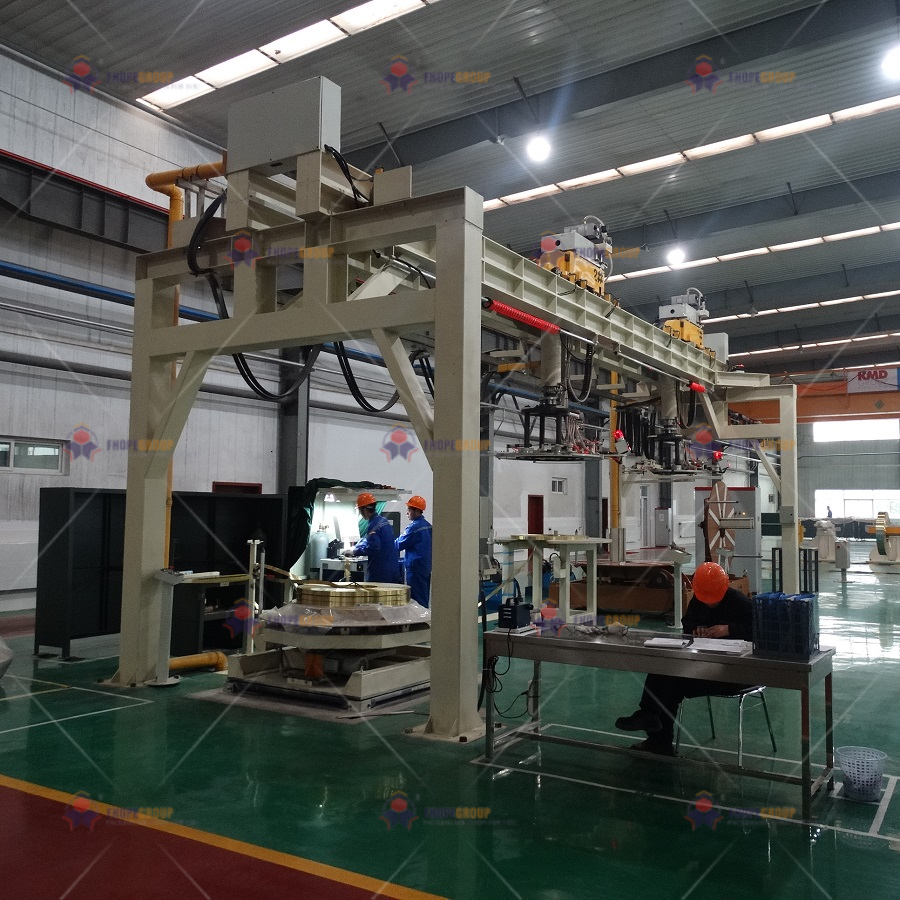
As someone who built a packing machine factory from the ground up, I understand these pressures intimately. My journey in the packing machine industry, from an employee to a factory owner, taught me that smart investments in machinery can transform a business. This article will explore why this shift towards automation is happening in Brazil and how it is reshaping the metal industry.
1. Why are Brazilian Metal Manufacturers Investing in Automated Packing Solutions?
Are you feeling the pinch of slow production, high labor costs, and constant safety concerns in your packing department? This is a common story I hear from many factory managers, especially in a dynamic market like Brazil’s metal industry. Reliance on manual processes often creates significant bottlenecks, slowing down the entire production line.
Brazilian metal manufacturers are increasingly investing in automated packing solutions to address critical issues such as inefficient manual processes, high operational costs, and the pressing need to improve worker safety in handling heavy steel coils.
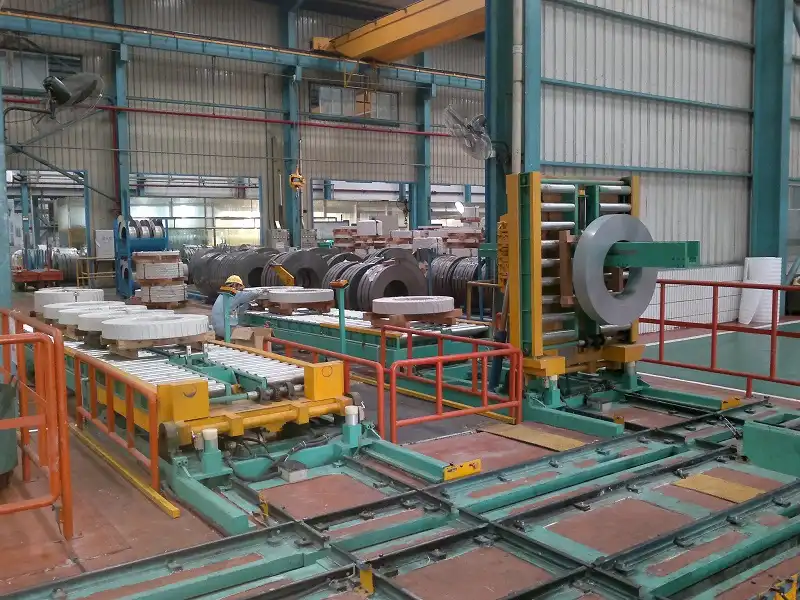
My experience taught me that what seems like a cost-saving measure (manual labor) can often be the most expensive in the long run. Let us dive deeper into the specific challenges pushing Brazilian factories towards automation.
The True Cost of Manual Packing in Brazil
The decision to automate is not just about fancy new machines. It is about solving real, painful problems that affect a factory’s bottom line and its people. For Brazilian metal processing plants, the motivations are clear:
-
Efficiency Bottlenecks:
- Manual steel coil packing is slow. It creates a choke point at the end of the production line. This impacts overall output and delivery times, making it hard to meet customer demands quickly. ⏰
- Think about a busy factory floor. Every minute a coil sits waiting for manual packing is a minute lost. This directly affects the factory’s capacity to produce more and fulfill orders faster. (steel coil packing bottlenecks, production delays Brazil)
-
Significant Safety Hazards:
- Moving heavy steel coils manually or using outdated equipment is dangerous. Workers face high risks of injuries, especially back strains, crushing injuries, and other accidents. 🤕
- I have seen firsthand the consequences of workplace accidents. They lead to higher insurance costs, worker compensation claims, and a loss of skilled employees. More importantly, it impacts morale. Automated systems drastically reduce the need for manual heavy lifting, making the workplace much safer. (worker safety metal industry, heavy lifting risks, reduced workplace accidents)
-
Product Damage and Loss:
- During manual handling and packing, steel coils are prone to damage. Edges can get bent, surfaces scratched, or packaging can be inconsistent. 📉
- This leads to customer complaints, returned products, and financial losses for the manufacturer. Every damaged coil means lost profit and a hit to reputation. Automated systems ensure consistent, secure packaging that protects the product throughout its journey. (steel coil damage during packing, product quality Brazil, customer satisfaction metal products)
-
Labor Costs and Availability:
- While manual labor might seem cheaper initially, the cumulative costs of wages, benefits, training, and managing a large workforce for repetitive, strenuous tasks can be substantial. 💸
- Finding skilled labor willing to perform these heavy-duty packing tasks can also be a challenge in some regions of Brazil, leading to staffing issues and inconsistent output. Automation provides a long-term solution to these labor-related challenges. (labor costs Brazil metal industry, skilled labor shortage, operational efficiency improvements)
The Brazilian metal industry understands that these problems are not going away. They need proactive solutions to stay competitive and ensure sustainable growth. This is exactly where modern steel coil packing machines make a significant difference. My goal at FHOPEPACK is to help businesses navigate these challenges with smart, reliable packing solutions.
2. What Key Benefits Do Modern Steel Coil Packing Machines Offer Brazilian Manufacturers?
Many factory owners are always looking for ways to cut costs and improve their operations. When I started my factory, I knew that every investment had to make a clear impact. Investing in advanced machinery can seem like a big step, but the returns can be even bigger. Are you wondering if the upfront cost of an automated packing machine is truly worth it for your Brazilian facility?
Modern steel coil packing machines offer Brazilian manufacturers substantial benefits, including enhanced safety, significant cost reductions through decreased labor and material waste, and a dramatic increase in operational efficiency and product quality, delivering a strong return on investment.
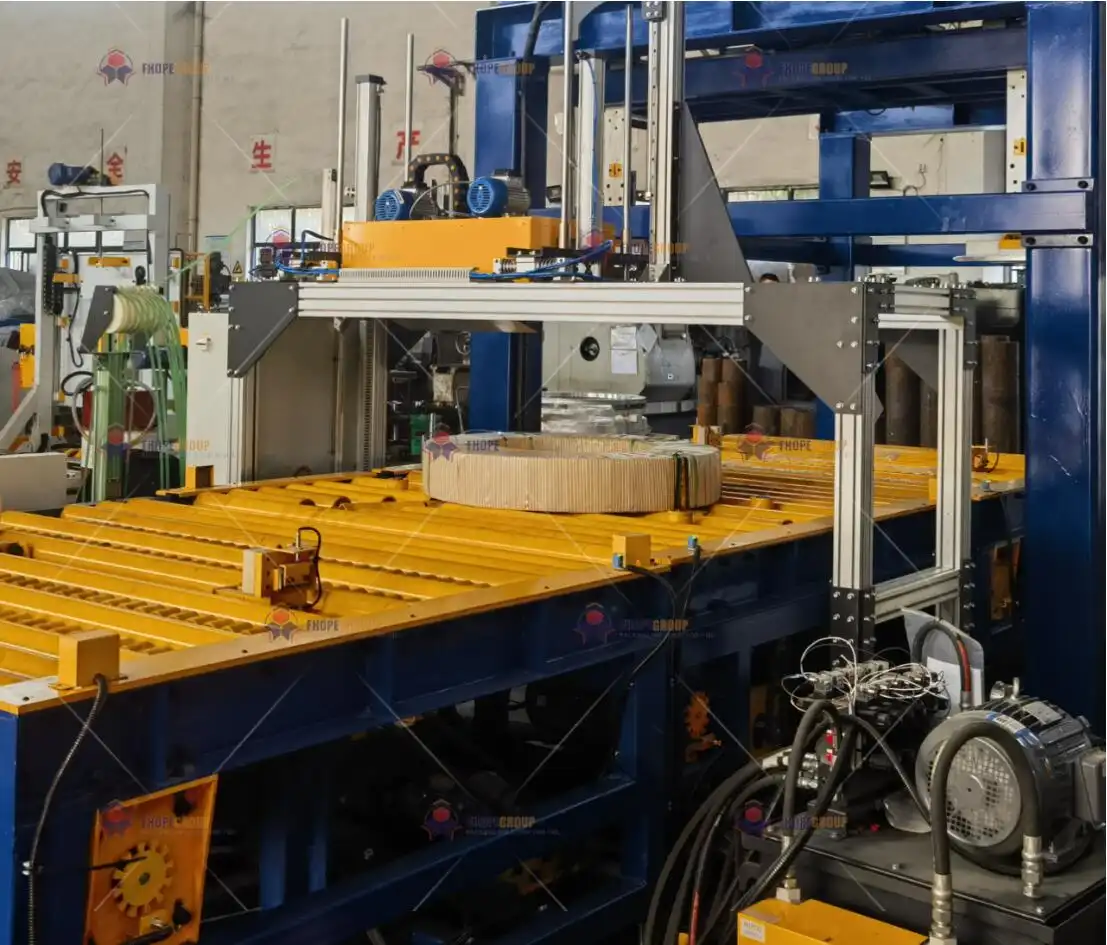
These machines are not just about wrapping coils. They are about transforming an entire segment of your production. Let me share how they deliver tangible improvements.
Unlocking Value: The ROI of Automation
The benefits of adopting automated steel coil packing extend far beyond simply moving faster. They touch every aspect of a factory’s performance, from employee well-being to the bottom line.
-
Dramatic Improvement in Worker Safety:
- Reduced Manual Handling: Automated systems take over the dangerous task of moving and securing heavy coils. This removes workers from hazardous zones.
- Fewer Accidents: Less manual intervention means a significant drop in workplace injuries. This protects employees and reduces direct costs like medical expenses and insurance premiums. ⛑️
- Better Morale: A safer workplace leads to happier, more productive employees. They know their well-being is a priority. (worker safety improvements, reduced industrial accidents, ergonomic packing solutions)
-
Significant Cost Reduction:
- Lower Labor Costs: Automated machines require fewer operators, allowing staff to be redeployed to other value-added tasks. This cuts down on direct labor expenses.
- Optimized Material Usage: Machines apply packaging materials with precision, reducing waste compared to manual methods. This saves money on film, straps, and other consumables.
- Reduced Product Damage: Consistent, secure packaging minimizes damage during transit and storage. This leads to fewer returns, fewer customer complaints, and increased profit margins. (packing material savings, reduced product damage costs, labor optimization Brazil)
-
Boost in Operational Efficiency:
- Increased Throughput: Automated systems operate continuously and at much faster speeds than human operators. This removes packing bottlenecks and significantly increases the total volume of coils processed. 🚀
- Consistent Quality: Machines apply packaging with uniform tension and coverage every time. This ensures every coil is packed to the same high standard, enhancing product presentation and protection.
- Faster Delivery Times: By streamlining the packing process, products can be prepared for shipment much quicker, improving overall supply chain efficiency and customer satisfaction. (increased packing speed, consistent packaging quality, faster order fulfillment)
Here is a quick look at how automated packing directly addresses common pain points:
| Challenge Solved | Key Benefit |
|---|---|
| Manual handling risks | ✅ Enhanced Worker Safety |
| Slow packing speeds | ✅ Increased Throughput |
| Inconsistent packaging quality | ✅ Superior Product Protection |
| High labor expenses | ✅ Reduced Operational Costs |
| Product damage during transport | ✅ Fewer Returns & Complaints |
| Difficulty finding skilled manual packers | ✅ Labor Optimization & Resource Allocation |
From my own experience building FHOPEPACK, I saw how investing in reliable, efficient machines not only helped my clients grow their businesses but also brought peace of mind. It is about building a sustainable operation for the future.
3. How Can Brazilian Factories Choose the Right Steel Coil Packing Machine for Their Operations?
Finding the right equipment for your factory can feel like a daunting task. I have heard many stories from managers, like Michael Chen, who have had bad experiences with suppliers who prioritize sales over genuine solutions. It is not just about buying a machine; it is about finding a partner who truly understands your challenges and can deliver reliable support. So, how do you navigate this complex market in Brazil to make the best choice?
Brazilian factories can choose the right steel coil packing machine by thoroughly assessing their specific operational needs, prioritizing robust construction and proven reliability, and selecting a supplier known for exceptional after-sales support and deep industry expertise, ensuring a long-term, successful partnership.

This decision is an investment in your future. I learned through my own journey that understanding your needs and choosing a trustworthy partner are critical for success.
Making the Smart Choice: A Guide for Brazilian Manufacturers
Selecting the ideal steel coil packing machine involves careful consideration of several factors. It is a strategic decision that impacts production, safety, and profitability for years to come.
-
Understand Your Specific Needs:
- Coil Specifications: What are the typical dimensions, weights, and types of steel coils you handle? (e.g., narrow slit coils, heavy master coils). This dictates the machine’s capacity and design.
- Production Volume: How many coils do you need to pack per hour or per shift? This determines the required speed and automation level of the machine.
- Packing Material: Do you need stretch film, VCI paper, anti-rust film, PET strapping, or a combination? The machine must be compatible with your chosen materials.
- Integration: How will the new packing machine integrate with your existing production line, conveyors, and handling equipment? Seamless integration is key to avoiding new bottlenecks. (customized packing solutions, production capacity analysis, steel coil types, existing line integration)
-
Prioritize Durability and Reliability:
- Robust Construction: Steel factories are tough environments. Look for machines built with heavy-duty components and high-quality materials that can withstand continuous operation and harsh conditions.
- Proven Track Record: Research the manufacturer’s history and reputation. Ask for case studies or references from other factories with similar operations.
- Maintenance & Parts: Consider the ease of maintenance and the availability of spare parts. Downtime is expensive, so quick repairs are vital. From my experience establishing a successful packing machine factory, I learned the importance of robust engineering and reliable performance, standards upheld by leading manufacturers like Fengding and Wuxi Buhui, and these are principles FHOPEPACK always follows. (durable packing machines, reliable equipment Brazil, packing machine maintenance, spare parts availability)
-
Evaluate Supplier Expertise and Support:
- Technical Knowledge: Does the supplier understand the nuances of the metal industry and your specific challenges? They should offer more than just a sales pitch; they should provide genuine technical insights.
- Installation and Training: A good supplier will offer professional installation services and thorough training for your operators and maintenance staff.
- After-Sales Service: This is crucial. What kind of warranty do they offer? How quickly can they respond to service calls? Do they provide remote support or local service engineers in Brazil? A strong, responsive support team is a game-changer. 📞
- Partnership Approach: You want a supplier who acts as a long-term partner, someone who is invested in your success, not just making a sale. This is the philosophy I built FHOPEPACK on – helping clients grow their businesses by truly understanding their needs. (packing machine supplier Brazil, after-sales support metal industry, technical consultation packaging, long-term supplier partnership)
Making an informed decision on your steel coil packing machine is about more than just checking boxes. It is about understanding the bigger picture and aligning with a partner who can truly contribute to your factory’s growth and efficiency.
4. What Does the Future Hold for Steel Coil Packing Technology in Brazil’s Metal Sector?
The pace of technological change is relentless. Just when you think you have optimized your operations, new innovations emerge. For the Brazilian metal sector, keeping an eye on the horizon is essential. Are you prepared for the next wave of advancements in steel coil packing, or will your factory be left behind by competitors embracing smarter solutions?
The future of steel coil packing technology in Brazil’s metal sector points towards deeper integration of Industry 4.0 concepts, including IoT connectivity, AI-driven automation, advanced robotics, and a stronger focus on sustainable, smart packaging solutions for enhanced efficiency and environmental responsibility.
My commitment to knowledge sharing at FHOPEPACK stems from a belief that staying ahead means understanding these trends. Let us explore what is next for packing machines in Brazil.
The Next Generation of Packing: Smart and Sustainable
The packing machine industry is evolving rapidly, driven by global demands for greater efficiency, precision, and environmental responsibility. For Brazilian manufacturers, adopting these future trends will be key to maintaining competitiveness.
-
Industry 4.0 Integration and IoT Connectivity:
- Smart Sensors: Future machines will be equipped with more sophisticated sensors. These sensors will monitor machine performance, identify potential issues, and collect data in real time.
- Internet of Things (IoT): Packing machines will connect to the internet, allowing for remote monitoring, diagnostics, and data analysis. Factory managers in Brazil can track their packing operations from anywhere. 🌐
- Predictive Maintenance: Instead of reactive repairs, IoT-enabled machines will predict when maintenance is needed. This reduces unexpected downtime and extends the lifespan of equipment. (Industry 4.0 packing, IoT packing machines, predictive maintenance Brazil, smart factory solutions)
-
AI-Driven Automation and Robotics:
- Adaptive Systems: Artificial Intelligence (AI) will enable packing machines to adapt to varying coil sizes or unexpected anomalies automatically. They can learn and optimize packing patterns for maximum efficiency.
- Robotic Integration: Advanced robotics will handle complex tasks, such as precise coil placement, strapping, and labeling. This further reduces human intervention and increases speed and accuracy. 🤖
- Vision Systems: AI-powered vision systems will inspect packaging quality in real time, identifying defects instantly and ensuring consistent, high-standard output. (AI in packing machines, robotic packing solutions, adaptive automation, vision inspection systems)
-
Sustainable and Eco-Friendly Packaging Solutions:
- Reduced Material Waste: New technologies will focus on minimizing packaging material usage without compromising protection. This means thinner, stronger films and more efficient application methods.
- Recyclable Materials: There will be an increased emphasis on machines designed to work with recyclable, biodegradable, or compostable packaging materials. 🌱
- Energy Efficiency: Next-generation machines will consume less energy, contributing to lower operating costs and a smaller carbon footprint for Brazilian factories. (sustainable packaging Brazil, eco-friendly packing materials, energy-efficient packing machines, green manufacturing)
-
Modular Design and Customization:
- Flexible Configurations: Future packing lines will feature modular designs. This allows factories to easily reconfigure or upgrade their systems as their needs change.
- Enhanced Customization: Manufacturers can tailor packing solutions more precisely to unique product requirements, ensuring optimal protection for specialized steel coils. ⚙️ (modular packing systems, flexible production lines, customized packaging equipment, advanced packing technology)
The future of steel coil packing in Brazil is bright, promising not only greater efficiency and safety but also smarter, more environmentally conscious operations. Embracing these innovations will position Brazilian metal manufacturers as leaders in the global market.
Conclusion
The adoption of steel coil packing machines in Brazil’s metal industry is a clear path to overcoming current challenges and securing future growth. By embracing automation, factories enhance safety, cut costs, and boost efficiency. Explore FHOPEPACK’s expertise in steel coil packing line solutions for your journey towards a smarter, more productive operation.


