Steel Coil Packing Line Quotation Guide for Saudi Arabia’s Heavy Industry
As a packaging engineer with over 15 years in the steel industry, I’ve seen firsthand how Saudi Arabia’s booming metal sector struggles with inefficient coil packaging. Many factories still rely on manual methods that cost them thousands in lost productivity and damaged materials every month.
A proper steel coil packing line quotation should include complete system configuration, automation level analysis, ROI calculations, layout design, and long-term service support – not just individual machine prices. This comprehensive approach ensures your investment actually solves production bottlenecks rather than creating new ones.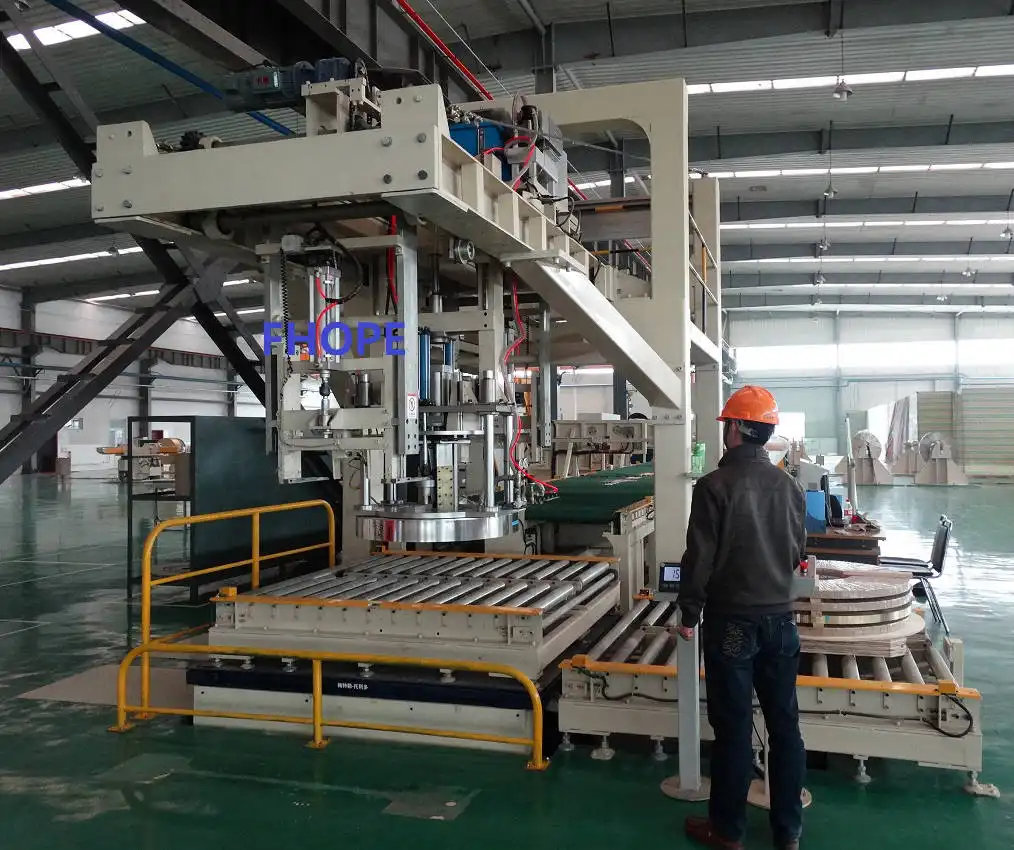
Getting the right quotation means understanding what makes a complete packaging system work, especially in Saudi Arabia’s demanding industrial environment where dust, heat, and continuous operation require robust solutions.
1. What should a complete steel coil packing line quotation include?
Many suppliers provide basic price lists that miss critical components. I recently consulted for a Saudi steel service center that received three quotations with 40% price differences – not because of quality variations, but because some suppliers omitted essential integration components.
A professional quotation must detail the complete coil packaging production line from feeding to discharge, including all mechanical, electrical, and control systems with clear specifications for each component. This transparency prevents unexpected costs during installation and ensures all equipment works together seamlessly.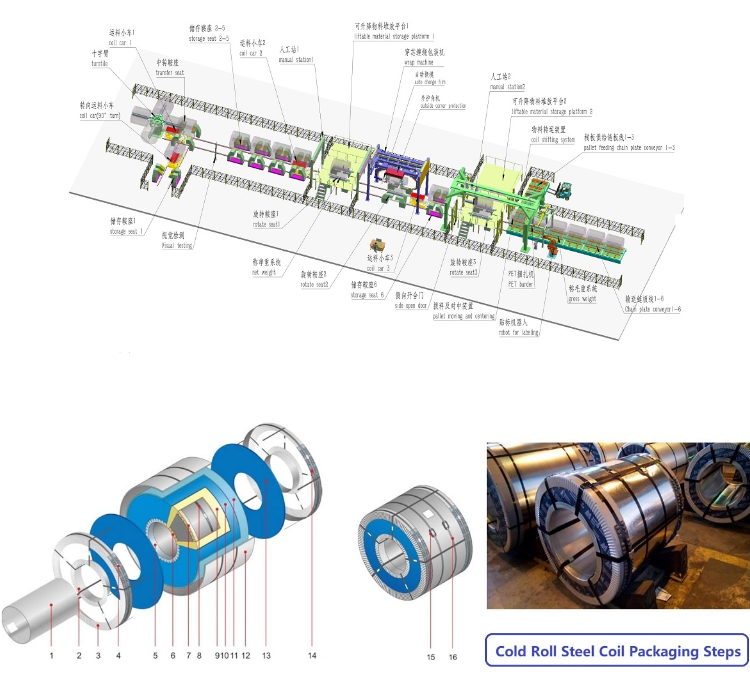
📋 Essential Quotation Components Checklist
| Section | Must-Include Items | Why It Matters |
|---|---|---|
| Main Equipment | Coil car, upender, wrapping station, strapping machine, discharge system | Core machinery that performs the actual packaging work |
| Integration Components | Transfer cars, conveyors, lifting systems, synchronization controls | Ensures smooth material flow between stations |
| Technical Specifications | Capacity range, packaging speed, power requirements, air consumption | Verifies equipment matches your production needs |
| Project Services | Installation, commissioning, training, documentation, spare parts | Critical for successful implementation and operation |
| Commercial Terms | Delivery time, payment schedule, warranty, service response time | Protects your investment and ensures supplier accountability |
⚙️ System Integration Breakdown
The quotation should clearly separate equipment costs from integration costs. In my experience with Middle Eastern projects, integration typically represents 15-25% of the total project value. This includes:
- Feeding system integration – How coils move from production to packaging
- Process synchronization – Timing coordination between wrapping, strapping, and labeling
- Material handling interfaces – Connection points with existing cranes or forklifts
- Control system integration – PLC programming and HMI screens for operator control
Always request a detailed breakdown of these integration costs to avoid surprises. A proper turnkey coil packing line quotation should leave no component unaccounted for, ensuring your complete coil packing line equipment functions as a unified system rather than separate machines. (automated steel coil packing line, steel coil wrapping line solution, coil packaging production line)
2. How to evaluate automation levels for different production volumes?
I visited a Saudi steel mill last year that was packaging 30 tons daily using 8 workers per shift. They wanted automation but didn’t know what level suited their operation. After analyzing their workflow, we implemented a semi-automatic system that reduced labor to 3 workers while maintaining their output.
The right automation level depends on your daily production volume, coil specifications, labor costs, and available space – with semi-automatic systems typically suiting 20-80 tons daily and full automation for 80+ tons. Matching automation to actual needs prevents both under-investment and unnecessary complexity.
📊 Automation Level Selection Guide
| Production Volume | Recommended Automation | Typical Configuration | Labor Required | Best For |
|---|---|---|---|---|
| < 20 tons/day | Manual | Separate stations, manual transfer | 4-6 operators | Small workshops, varied sizes |
| 20-80 tons/day | Semi-Auto | Linked stations, automatic transfer | 2-3 operators | Medium mills, service centers |
| 80-150 tons/day | Fully Auto | Continuous flow, robotic handling | 1 operator | Large mills, high-volume facilities |
| 150+ tons/day | Fully Auto + | Integrated with production line | 0.5 operator | Integrated steel plants |
🔄 Process Flow by Automation Level
Understanding how material moves through each automation level helps determine the right fit:
Manual Line Flow:
Coil arrival → Crane to station → Manual positioning → Manual wrapping → Manual strapping → Crane to storage
Best for low volume, high product mix operations
Semi-Automatic Line Flow:
Coil car feeding → Automatic upender → Conveyor transfer → Automatic wrapping → Automatic strapping → Discharge conveyor
Ideal for most Saudi steel service centers with moderate volumes
Fully Automatic Line Flow:
Automatic feeding → Robotic handling → Continuous wrapping → Multi-direction strapping → Automated labeling → Sorting system
Perfect for high-volume production with limited labor availability
For Saudi conditions, I typically recommend semi-automatic integrated steel coil handling lines for most applications, as they balance investment cost with labor savings while withstanding the region’s challenging environment. (integrated steel coil handling line, turnkey coil packing line, coil wrapping and strapping line)
3. What are the key factors affecting steel coil packing line costs in Saudi Arabia?
When a Dubai client asked why similar packing lines had 30% price differences, we discovered the cheaper option used standard components unsuited for Middle Eastern conditions, while the proper solution included dust-proofing and heat-resistant materials specifically for the region.
The main cost factors for steel coil packing lines in Saudi Arabia are automation level, production capacity, customization requirements, material specifications, and local compliance needs – with regional adaptations adding 10-15% to base equipment costs. Understanding these variables helps create accurate budgets.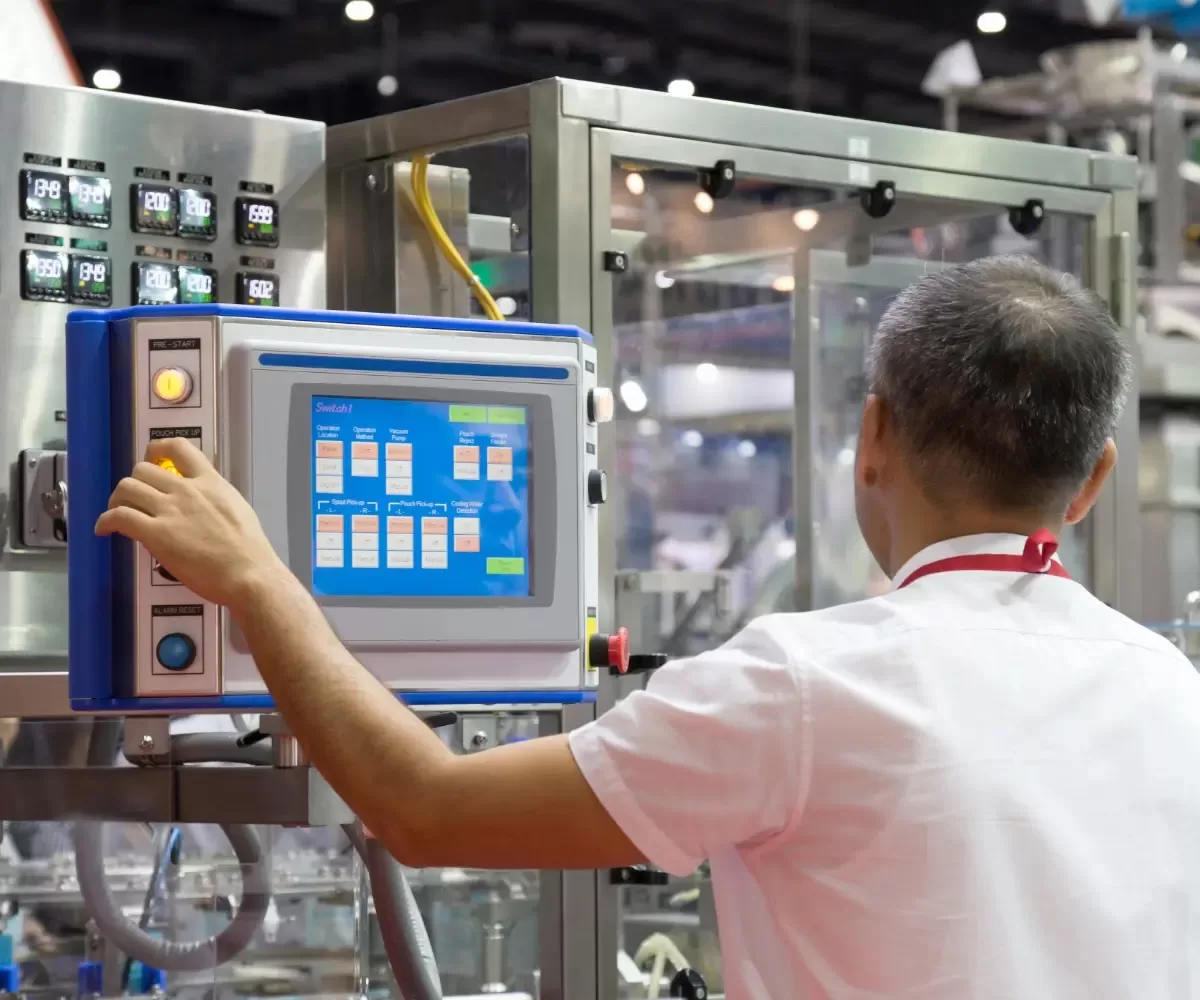
💰 Cost Breakdown Structure
| Cost Category | Percentage Range | Key Drivers | Saudi-Specific Considerations |
|---|---|---|---|
| Main Equipment | 45-60% | Automation level, capacity, speed | Dust protection, cooling systems |
| System Integration | 15-25% | Layout complexity, interface requirements | Additional transfer systems for large facilities |
| Installation & Commissioning | 10-15% | Site preparation, utility connections | Local technician availability, import duties |
| Spare Parts & Training | 5-10% | Equipment complexity, operator skill level | Bilingual documentation, extended warranty |
| Regional Adaptations | 8-12% | Climate, regulatory compliance | SASO certification, environmental controls |
✅ Saudi-Specific Cost Considerations
Based on my 15+ projects in the Gulf region, these factors significantly impact your investment:
Environmental Adaptations:
- 🏜️ Dust Protection – Additional sealing and filtration systems add 5-8% to equipment costs
- 🌡️ Heat Management – Enhanced cooling systems for electronics and hydraulics (3-5% additional)
- 💨 Corrosion Protection – Special coatings and materials for coastal facilities (2-4% additional)
Regulatory Compliance:
- 📋 SASO Certification – Saudi Standards requirements for imported machinery
- 🔌 Electrical Standards – Compliance with Saudi electricity specifications
- 🛡️ Safety Requirements – Enhanced guarding and emergency systems
Operational Factors:
- 👷 Labor Skill Levels – More comprehensive training programs may be needed
- 🚚 Logistics & Import – Shipping, customs clearance, and local transportation costs
- 🔧 Local Service Support – Availability of spare parts and technical assistance
Proper budgeting requires accounting for these regional factors from the beginning. In my experience, the most successful projects in Saudi Arabia allocate 15-20% above base equipment costs for these essential adaptations. (automatic coil packaging system, steel coil stretch wrapping line, coil packing line configuration)
4. How to calculate ROI for automated coil packing line investment?
A Saudi client recently doubted whether automation justified the investment until we calculated they’d recover costs in 14 months through labor reduction, damage prevention, and increased throughput. They’re now expanding to a second automated line.
ROI calculation for automated coil packaging lines should include labor savings, productivity gains, quality improvements, and safety benefits – with typical payback periods of 12-24 months for Saudi steel operations. A comprehensive analysis captures the full financial picture beyond just equipment costs.
📈 Sample ROI Calculation (Based on Actual Saudi Project)
| Cost/Benefit Category | Before Automation | After Automation | Annual Impact |
|---|---|---|---|
| Labor Costs | 6 workers × $25,000 = $150,000 | 2 workers × $25,000 = $50,000 | +$100,000 |
| Productivity | 30 coils/day × 300 days = 9,000 | 45 coils/day × 300 days = 13,500 | +$180,000 |
| Damage Reduction | 3% damage rate = $135,000 loss | 0.5% damage rate = $22,500 loss | +$112,500 |
| Safety Costs | $45,000 insurance + incidents | $15,000 reduced premiums | +$30,000 |
| Maintenance | $20,000 manual equipment | $35,000 automated systems | -$15,000 |
Total Annual Benefit: $407,500
Investment: $550,000 (complete system)
Payback Period: 16.2 months
🔍 ROI Calculation Methodology
Follow this structured approach to build your own ROI analysis:
Step 1: Quantify Direct Labor Savings
- Count current packaging personnel (operators, helpers, supervisors)
- Estimate reduced headcount with automation
- Include benefits, insurance, and overhead costs
- Factor in Saudi labor regulations and costs
Step 2: Calculate Productivity Improvements
- Measure current packaging cycle time per coil
- Estimate improved cycle time with automation
- Calculate additional coils packaged per shift
- Value this increased throughput at your profit margin
Step 3: Account for Quality & Damage Reduction
- Track current damage rates during packaging
- Estimate reduced damage with automated handling
- Calculate value of saved materials and rework
- Include customer satisfaction and retention benefits
Step 4: Include Safety & Compliance Benefits
- Document current safety incidents and near-misses
- Estimate reduced workers’ compensation costs
- Calculate insurance premium reductions
- Value compliance with Saudi safety regulations
From my 200+ projects worldwide, the most overlooked benefits are often quality improvement and customer satisfaction. One Saudi service center gained three major clients specifically because their automated packaging ensured perfect condition upon delivery. (industrial coil packaging line, heavy duty coil packing line, steel service center packing line)
Conclusion
Choosing the right steel coil packing line requires understanding complete system requirements, proper automation matching, accurate costing, and clear ROI – especially in Saudi Arabia’s demanding industrial environment.


