Steel Coil Packing Line Cost Comparison for Germany’s Coil Packaging Automation?
As a packaging engineer with over 15 years of experience, I’ve seen countless German manufacturers struggle with the same dilemma: how much should they really invest in steel coil packaging automation? The pressure to maintain competitive edge while controlling capital expenditure creates genuine anxiety for plant managers across Germany’s robust steel industry.
The cost of a complete steel coil packing line in Germany typically ranges from €150,000 for basic semi-automatic systems to over €500,000 for fully automated turnkey solutions, with the final price depending on automation level, production capacity, and specific technical requirements. German manufacturers must consider not just the initial equipment investment but also long-term operational savings, with automated lines often delivering ROI within 18-24 months through labor reduction and increased throughput. 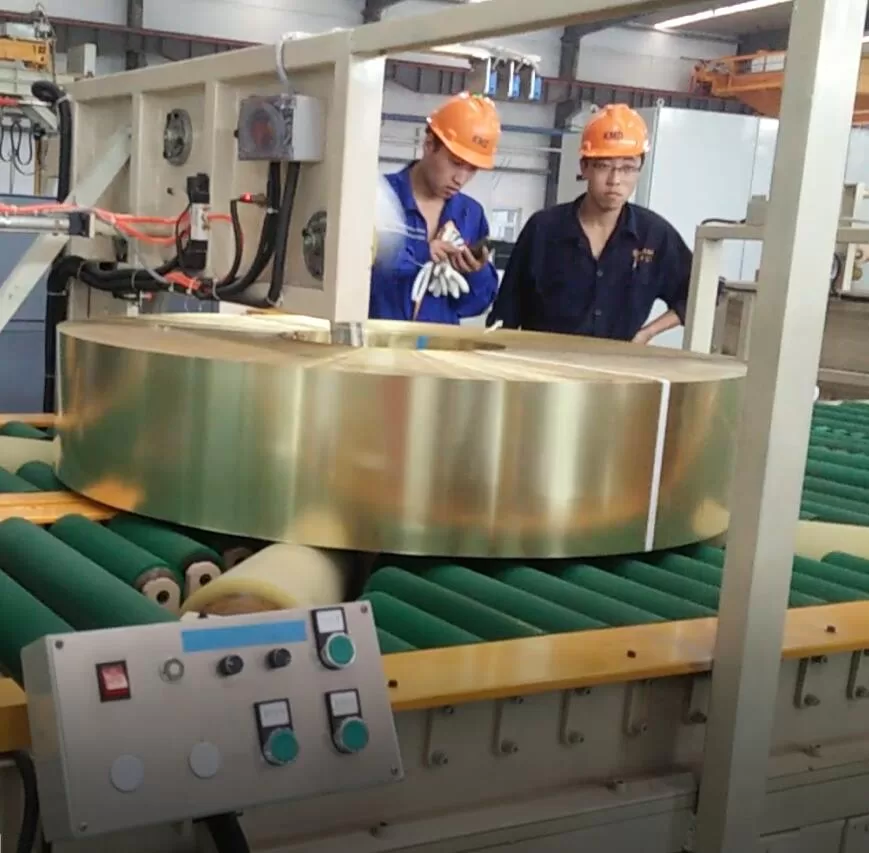
Understanding these cost factors is crucial for German companies looking to optimize their packaging operations. Let me break down the key considerations based on my experience implementing 200+ packaging line projects worldwide, including several successful installations throughout Germany’s industrial heartland.
1. What are the different automation levels available for steel coil packing lines?
Many German plant managers approach me asking whether they should go semi-automatic or fully automatic with their coil packaging operations. The choice isn’t always obvious, and selecting the wrong automation level can either underutilize your investment or create operational bottlenecks that defeat the purpose of automation.
Steel coil packing lines come in three primary automation levels: manual systems requiring multiple operators, semi-automatic systems with mechanized assistance, and fully automatic turnkey solutions that handle the entire process from feeding to discharge with minimal human intervention. Each level represents a different investment point and delivers corresponding productivity improvements, with German manufacturers typically favoring semi-automatic to fully automatic configurations depending on their production volumes and labor cost considerations. 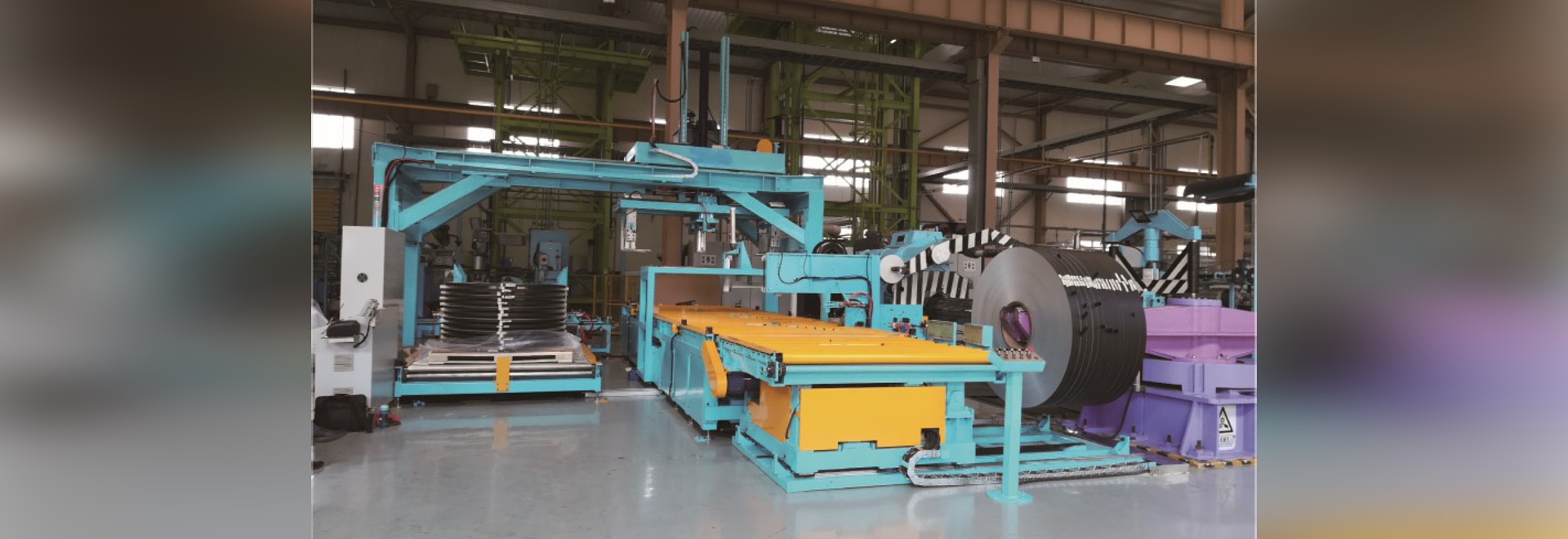
📋 Steel Coil Packing Line Configuration Comparison
| Automation Level | Typical Configuration | Investment Range (Germany) | Daily Capacity | Labor Required | Ideal For |
|---|---|---|---|---|---|
| Manual | Basic wrapping station, manual strapping | €50,000 – €150,000 | 10-30 coils | 3-5 operators | Small workshops, low volume |
| Semi-Auto | Powered turntable, auto film carriage, manual positioning | €150,000 – €300,000 | 30-80 coils | 1-2 operators | Medium plants, mixed products |
| Fully Auto | Integrated feeding, wrapping, strapping, discharge | €300,000 – €600,000+ | 80-200+ coils | <1 operator | Large mills, high volume |
The automation decision should align with your specific production requirements. For German manufacturers, I often recommend starting with a thorough analysis of current and projected coil volumes. A medium-sized German service center processing 50-80 coils daily would benefit most from a semi-automatic coil packaging production line, while large steel mills with continuous production should consider fully automated systems. The key is matching the automation level to your throughput requirements while accounting for German labor costs, which are significantly higher than in many other regions. This makes automation investments particularly attractive in Germany, where reducing dependency on manual labor delivers faster ROI. (automated steel coil packing line, steel coil wrapping line solution, coil packaging production line)
2. What factors determine the final cost of a coil packaging line in Germany?
When German manufacturers request quotes for packaging lines, they’re often surprised by the price variations between different suppliers. The disparity isn’t arbitrary – specific technical requirements and regional factors create significant cost differences that every German buyer should understand before making investment decisions.
The final cost of a steel coil packing line in Germany is determined by six key factors: automation level, production capacity requirements, technical specifications, material handling systems, safety certifications, and after-sales service provisions. German-specific considerations like CE certification requirements, local safety standards, and potential integration with existing European equipment further influence the total investment needed for a successful implementation. 
💰 ROI Calculation Framework for German Manufacturers
Let me break down a typical ROI calculation for a medium-sized German steel service center:
Current Manual Operation Costs (Monthly):
- Labor: 4 operators × €4,500/month = €18,000
- Film waste: €2,500
- Product damage: €3,200
- Downtime losses: €4,000
- Total monthly cost: €27,700
Projected Automated Operation Costs:
- Labor: 1 operator × €4,500/month = €4,500
- Film savings: €1,000
- Damage reduction: €2,500
- Downtime reduction: €3,000
- Total monthly cost: €11,000
- Monthly savings: €16,700
Investment Analysis:
- Semi-automatic line cost: €280,000
- Installation/commissioning: €40,000
- Total investment: €320,000
- Simple ROI: 19 months (€320,000 ÷ €16,700/month)
Beyond these direct calculations, German manufacturers should consider less tangible benefits like improved workplace safety (reducing insurance premiums), enhanced product quality (commanding premium prices), and increased production flexibility. In my projects with German clients, the most successful implementations always included comprehensive ROI analysis that accounted for both quantifiable savings and strategic advantages. The German market particularly values equipment reliability and precision engineering, which may justify selecting premium suppliers like Fengding despite higher initial costs, as their proven track record in German industrial environments reduces long-term operational risks. (end-of-line coil packing system, integrated steel coil handling line, turnkey coil packing line)
3. How to choose the right coil packing line configuration for German production requirements?
Selecting the optimal packaging line configuration is perhaps the most critical decision German manufacturers face. With Germany’s diverse industrial landscape—from massive steel mills to specialized service centers—there’s no one-size-fits-all solution, and the wrong configuration can severely impact operational efficiency for years.
Choosing the right steel coil packing line configuration for German production requirements involves analyzing five key parameters: daily coil volume, coil dimensions and weights, available factory space, upstream/downstream processes, and future expansion plans. German manufacturers should prioritize suppliers who conduct thorough on-site assessments and provide detailed layout proposals that optimize material flow while accommodating specific German safety regulations and space constraints. 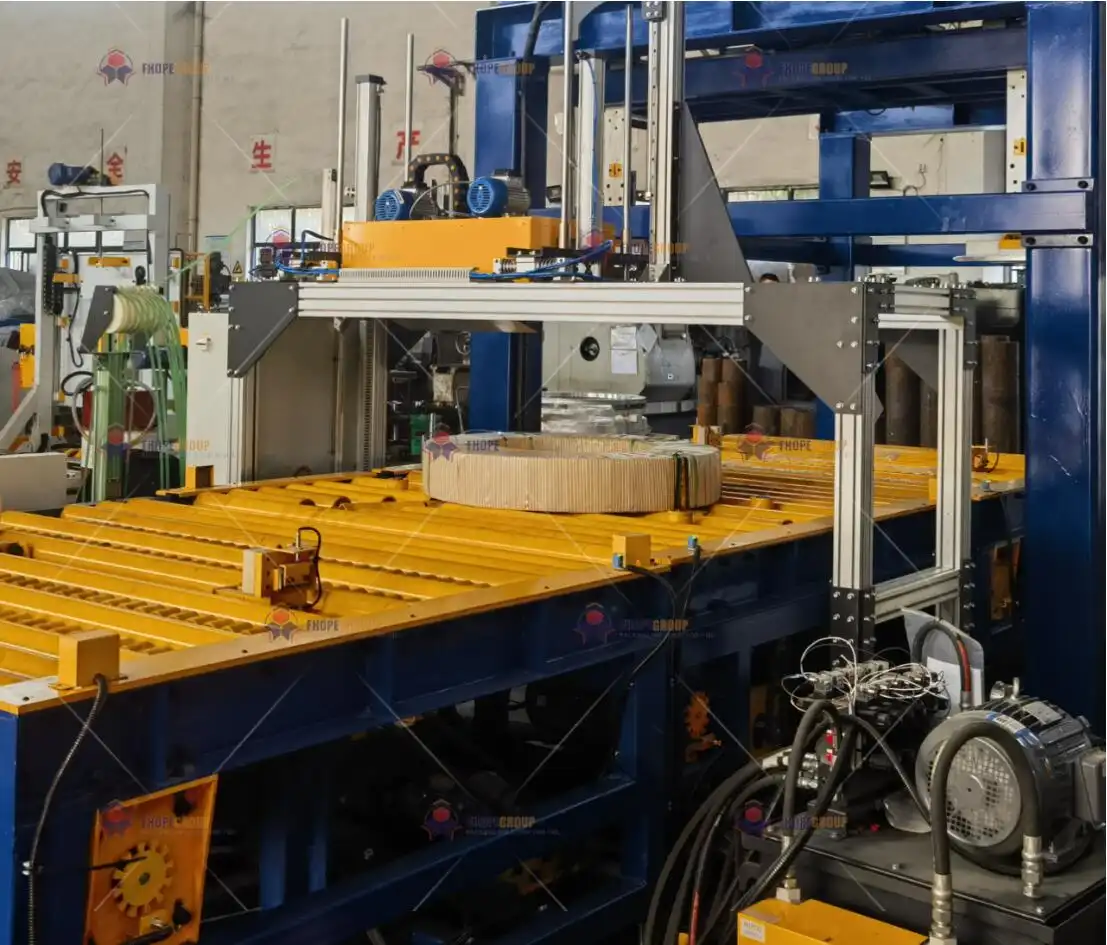
📊 Capacity Matching Analysis for German Production Volumes
Based on my experience implementing projects throughout Germany, here are typical configuration recommendations:
For Small Operations (≤30 coils/day):
- Recommended: Semi-automatic coil packing line
- Configuration: Powered turntable + manual positioning + automatic film carriage
- Space requirement: 6m × 8m area
- German labor context: Reduces from 3 to 1 operator
- Ideal for: Regional service centers, specialty steel processors
For Medium Operations (30-80 coils/day):
- Recommended: Fully automatic coil packaging system
- Configuration: Integrated feeding + automatic wrapping + robotic strapping
- Space requirement: 10m × 15m area
- German labor context: Enables single-operator supervision of multiple lines
- Ideal for: Mid-sized mills, multi-shift operations
For Large Operations (80+ coils/day):
- Recommended: High-speed automatic coil packaging system
- Configuration: Multiple stations with buffer accumulation + automated guided vehicles
- Space requirement: 15m × 25m+ area
- German labor context: Central control room operation
- Ideal for: Integrated steel plants, export-focused facilities
The configuration decision must also consider Germany’s specific industrial context. German manufacturers typically face higher energy costs, stricter environmental regulations, and greater emphasis on worker safety compared to many other regions. These factors make efficient, well-integrated systems particularly valuable in the German market. When I consult with German clients, I emphasize selecting configurations that not only meet current production needs but also accommodate future growth—Germany’s strong export orientation means production volumes often increase unexpectedly, and the packaging line should have built-in scalability. Additionally, German manufacturers should verify that potential suppliers have experience with CE marking and understand local technical standards, as compliance issues can create significant delays and additional costs during installation. (coil wrapping and strapping line, automatic coil packaging system, steel coil stretch wrapping line)
4. What are the key components and layout considerations for German factories?
German manufacturers often underestimate how much factory layout impacts packaging line efficiency. I’ve visited facilities where expensive equipment underperforms simply because material flow wasn’t properly considered during the planning phase. The physical arrangement of components significantly affects both operational efficiency and future expansion possibilities.
The key components of a complete steel coil packing line include the feeding system, centering and positioning station, wrapping machine, strapping unit, discharge system, and interconnecting conveyors, with optimal layout depending on available space, production flow, and material handling requirements. German factories should consider straight-line, L-shaped, or U-shaped layouts based on their specific space constraints and production workflows, with particular attention to efficient material movement and operator accessibility. 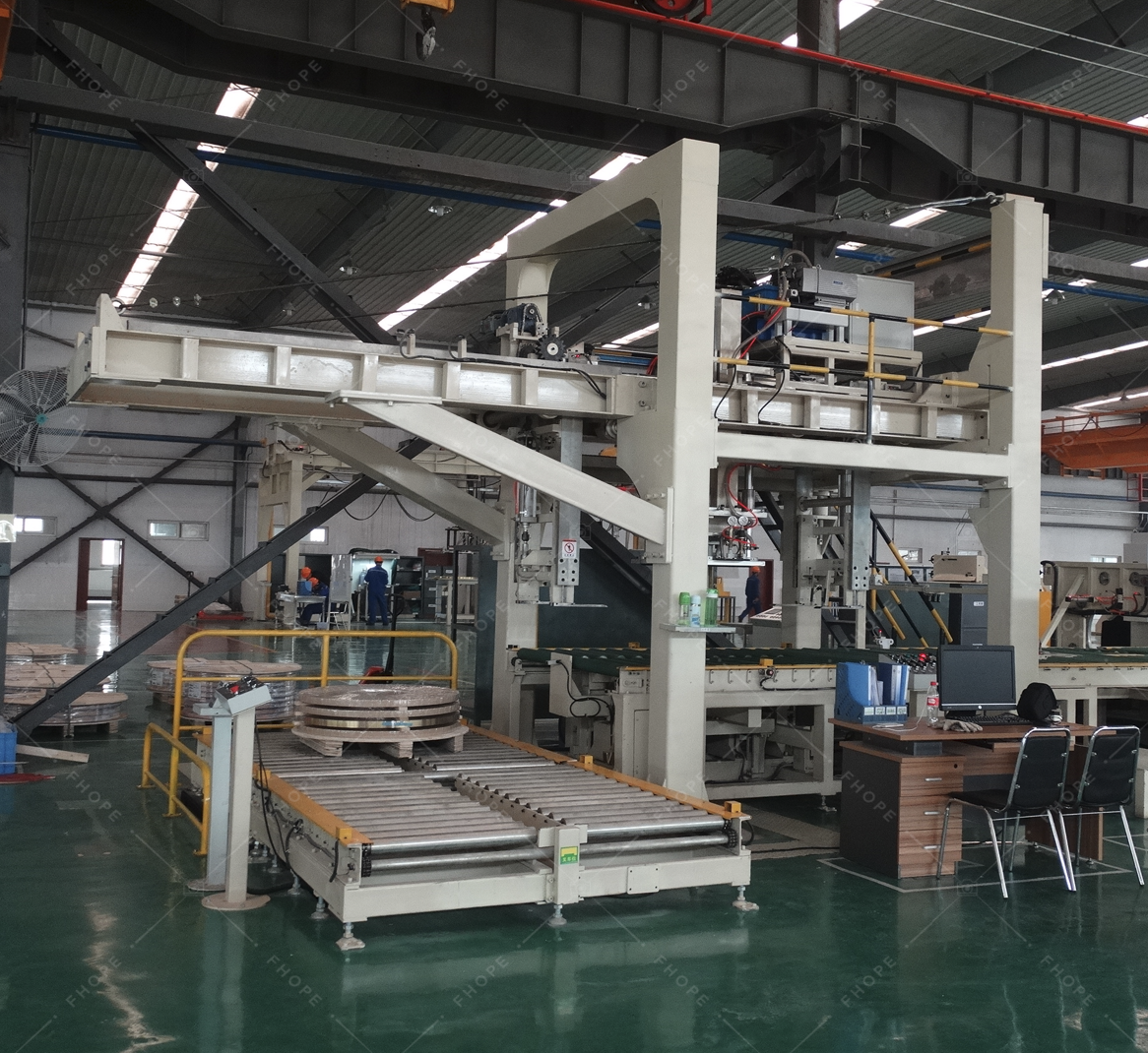
🏗️ Layout Options for German Manufacturing Facilities
Straight-Line Layout:
- ➡️ Feeding → Wrapping → Strapping → Discharge
- Best for: Long, narrow spaces
- German advantage: Simple material flow, easy expansion
- Space requirement: Minimum 4m width × 20m length
- Ideal for: New facilities with dedicated packaging areas
L-Shaped Layout:
- ⬇️ Vertical feeding → ➡️ Horizontal processing → ⬇️ Vertical discharge
- Best for: Corner locations, existing building constraints
- German advantage: Utilizes otherwise wasted corner space
- Space requirement: 15m × 15m area minimum
- Ideal for: Retrofitting into existing German industrial buildings
U-Shaped Layout:
- ➡️ Feeding and discharge on same side → ⬇️ Processing in middle
- Best for: Limited operator access points
- German advantage: Single operator can monitor multiple stations
- Space requirement: 12m × 18m area minimum
- Ideal for: High-automation facilities with minimal staffing
Beyond the basic layout, German manufacturers must pay special attention to component selection. The feeding system should match your upstream equipment—whether receiving coils from cranes, conveyors, or forklifts. The wrapping station must accommodate your full range of coil dimensions, which in Germany often includes both standard sizes and specialty products. Strapping systems should be selected based on your packaging specifications, with German exporters typically requiring higher strap tensions and more secure sealing methods. The discharge system must integrate smoothly with your downstream processes, whether that’s storage, additional processing, or direct loading for shipment. In my German projects, I’ve found that the most successful implementations always include detailed layout planning during the design phase, with particular attention to maintenance access and future expansion possibilities—German manufacturers frequently expand operations, and the packaging line shouldn’t become a bottleneck. (coil packing line configuration, industrial coil packaging line, heavy duty coil packing line)
Conclusion
Investing in the right steel coil packing line requires balancing automation level, configuration, and layout to match your German production needs while ensuring strong ROI through operational efficiency improvements.


