Steel Coil Packing Line Buying Tips for Italy’s Coil Slitting Operations?
As a factory manager in Italy’s coil slitting industry, you face daily pressure to improve efficiency while controlling costs. Your current manual packaging process creates bottlenecks that slow down your entire production flow. The heavy lifting required puts your workers at risk and increases your insurance premiums. You need a solution that integrates seamlessly with your slitting operations while meeting European safety standards.
The most effective approach is investing in a complete automated steel coil packing line specifically configured for Italy’s coil slitting facilities, which typically handle 30-100 tons daily with frequent product changeovers. This system solution addresses both your immediate bottlenecks and long-term operational challenges while ensuring compliance with EU workplace safety regulations. Proper line configuration can increase your packaging throughput by 40-60% while reducing labor requirements by 70-80% compared to manual methods. (automated steel coil packing line, steel coil wrapping line solution)
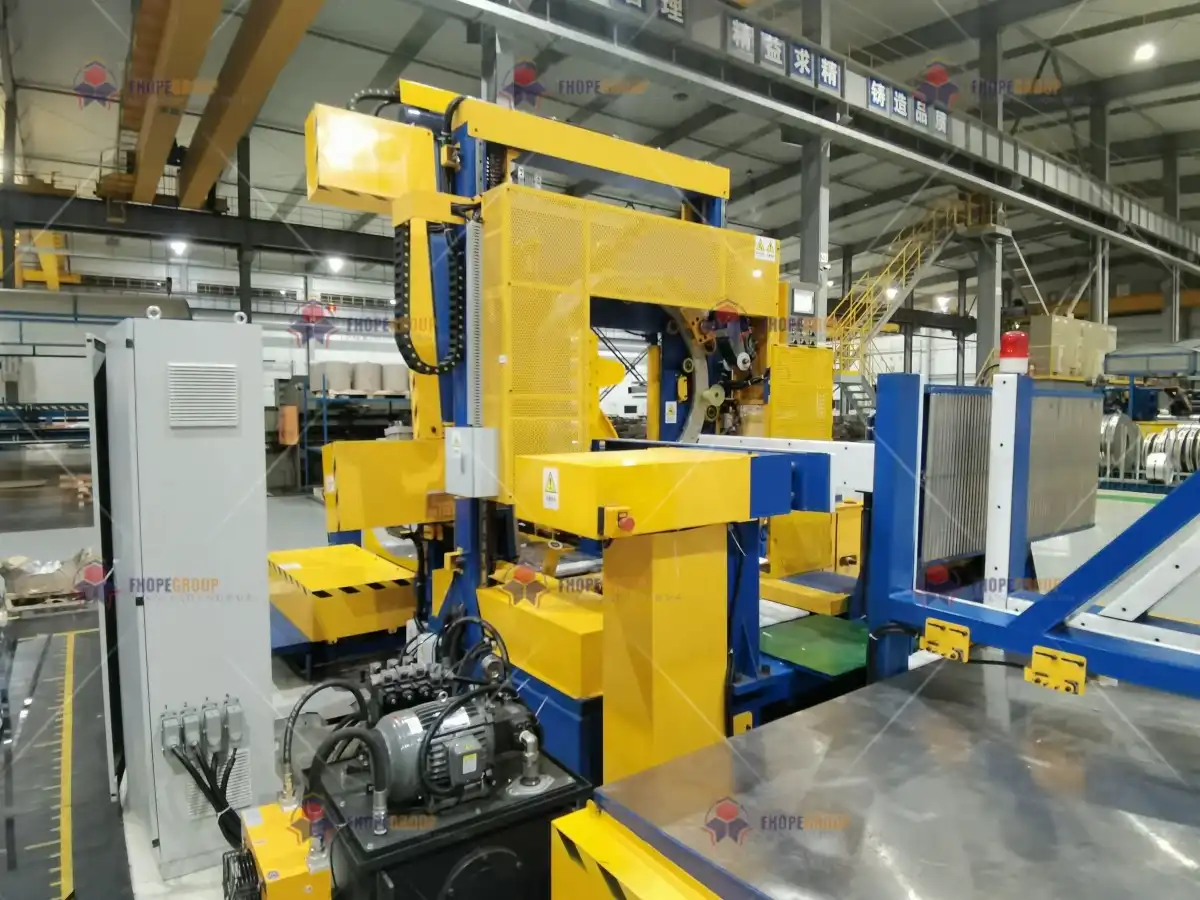
Many Italian coil processors start by looking at individual machines, but this fragmented approach often leads to integration problems and hidden costs. In my 15 years designing packaging lines for European metal processors, I’ve found that considering the complete system from the beginning delivers better results and faster ROI. The unique requirements of Italy’s coil slitting operations – with their need for quick changeovers between different coil sizes and materials – demand specially engineered solutions rather than off-the-shelf equipment.
1. What are the key components in an automated coil packaging line for Italian slitting operations?
If you’re managing a coil slitting facility in Italy, you’ve probably noticed how manual packaging creates bottlenecks right after your slitting process. Your freshly slit coils accumulate while workers struggle to keep up with wrapping and protection. This delay not only slows your entire production but also increases the risk of surface damage to your precision-slitted products.
A complete automated steel coil packing line consists of five integrated subsystems: feeding system, wrapping station, strapping unit, conveying system, and discharge automation. Each component must be precisely matched to your slitting output and coil specifications. The feeding system takes coils directly from your slitter, the wrapping station applies protective materials, the strapping unit secures the package, conveyors move coils between stations, and the discharge system prepares finished coils for storage or shipment. (coil packaging production line, integrated steel coil handling line)

🔧 Core Equipment Functions in Slitting Line Integration
| Component | Primary Function | Key Considerations for Italian Slitters | Technical Specifications |
|---|---|---|---|
| Feeding System | Receives coils from slitter | Must handle frequent size changes | Capacity: 1-10 tons, Speed: 2-4 coils/min |
| Wrapping Station | Applies protective materials | Quick change between paper/plastic | Wrap force: 50-200N, Material width: 500-2000mm |
| Strapping Unit | Secures packaging | Multiple strap patterns for different coils | Straps/min: 10-25, Tension: 200-800kg |
| Conveyor System | Transports between stations | Synchronized with slitter output | Load capacity: 1-15 tons, Speed: 3-15 m/min |
| Discharge System | Prepares for storage | Integration with existing warehouse systems | Automation level: manual to fully robotic |
For Italian coil slitting operations, the feeding system deserves special attention. Since slitters typically produce multiple smaller coils from larger mother coils, your feeding system must handle higher throughput with quick changeovers. In my projects for Italian clients, I’ve found that rotary feeding tables work well for operations processing 30-50 tons daily, while linear systems better serve higher-volume facilities. The key is ensuring your feeding system can manage the varied coil sizes and weights your slitter produces throughout the day without creating bottlenecks. (end-of-line coil packing system, coil wrapping and strapping line)
The wrapping station must accommodate the specific protection requirements of slit coils. Unlike full-sized coils, your slit products often need edge protection and different wrapping patterns. Italian processors frequently export to quality-conscious European markets, so your wrapping system should apply both inner layer protection (usually paper) and outer protection (plastic film or specialized coatings). The system should automatically adjust wrapping tension based on coil dimensions to prevent deformation while ensuring secure packaging. (automatic coil packaging system, steel coil stretch wrapping line)
2. How to choose the right steel coil packing line configuration for Italian production volumes?
When visiting Italian coil processing facilities, I often see the same problem: packaging lines either running below capacity because they’re oversized for the operation, or struggling to keep up because they’re undersized. Both scenarios hurt your profitability. The former represents wasted capital investment, while the latter creates production bottlenecks that limit your slitting department’s output.
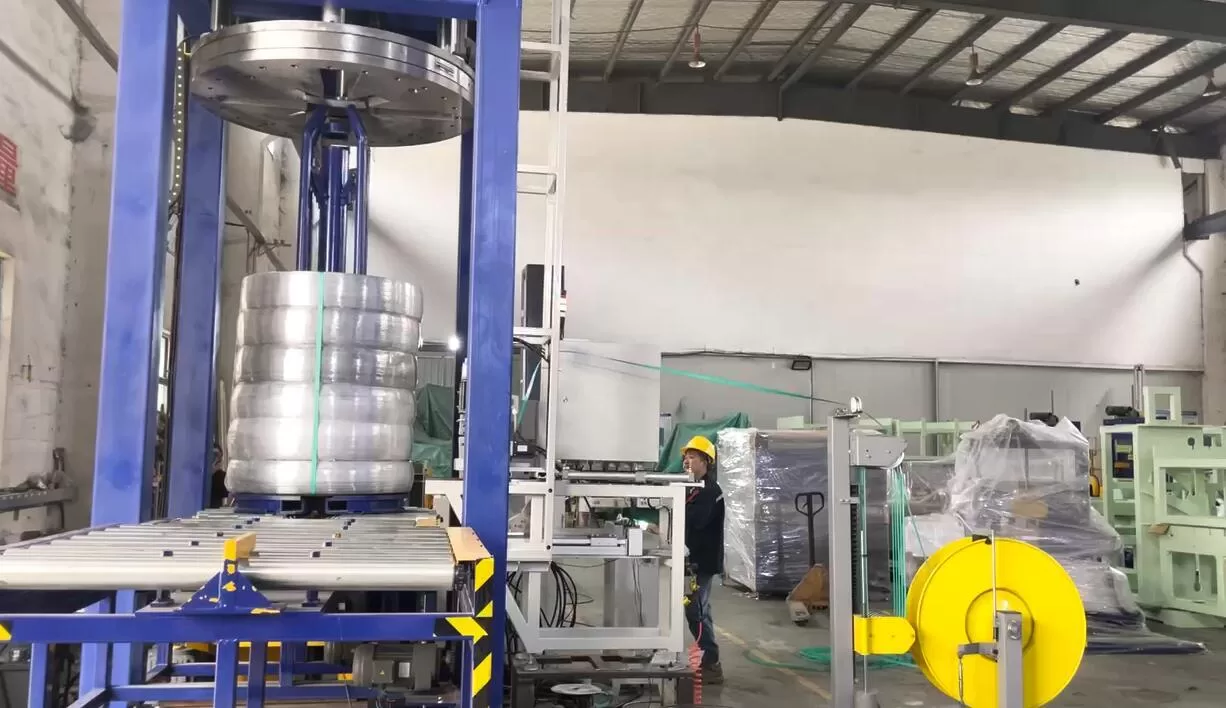
Select your coil packing line configuration based on three key factors: daily production volume, coil size variety, and required packaging quality standards. For Italian slitting operations processing 30-50 tons daily with moderate size variation, a semi-automatic line typically offers the best balance of performance and investment. Facilities handling 70-100+ tons with frequent changeovers benefit from full automation with robotic handling systems. (coil packing line configuration, industrial coil packaging line)
📊 Capacity Matching Guide for Italian Slitters
| Daily Volume | Recommended Configuration | Typical Italian Users | Key Equipment Features | Labor Requirements |
|---|---|---|---|---|
| < 30 tons | Manual/Semi-automatic | Small service centers | Basic wrapping, manual strapping | 3-4 operators |
| 30-70 tons | Semi-automatic | Medium slitting lines | Auto wrapping, semi-auto strapping | 1-2 operators |
| 70-150 tons | Fully automatic | Large processors | Robotic handling, integrated systems | 0.5-1 operator |
| 150+ tons | High-speed automated | Major steel service centers | Multiple stations, AI optimization | Fully automated |
For typical Italian coil slitting operations processing 50-80 tons daily, I recommend starting with a semi-automatic configuration that can be upgraded to full automation later. This approach spreads your investment while ensuring immediate productivity gains. The system should include automatic feeding from your slitter, powered conveyors between stations, automatic wrapping, and semi-automatic strapping with positioning assistance. This configuration typically reduces your labor requirements from 4 workers to just 1-2 while increasing packaging speed by 50-80%. (heavy duty coil packing line, steel service center packing line)
Consider your product mix when selecting automation level. If your slitter primarily processes standard sizes with infrequent changeovers, higher automation makes economic sense. However, if you handle frequent custom orders with varying dimensions (common in Italy’s specialized automotive and appliance sectors), prioritize flexibility over full automation. In these cases, semi-automatic systems with quick-change tooling and programmable settings often deliver better overall efficiency despite slightly higher labor content. Remember that the goal isn’t maximum automation, but optimal automation for your specific business needs. (coil packaging automation solution, complete coil packing line equipment)
3. How to calculate ROI for investing in a turnkey coil packing line in Italy?
Many Italian plant managers struggle to justify automation investments to their management because they focus only on equipment costs without quantifying the full benefits. I’ve seen numerous projects stalled because the ROI analysis was incomplete or unrealistic. A proper calculation must consider both direct savings and indirect benefits that impact your total operational costs.
Calculate ROI by comparing your current manual packaging costs against the automated system investment, considering labor savings, productivity gains, quality improvements, and safety benefits. A typical automated coil packing line for Italian slitting operations costs €150,000-€400,000 depending on automation level, with payback periods of 18-36 months through labor reduction, increased throughput, and reduced product damage. (turnkey coil packing line, automated steel coil packing line)
💰 Sample ROI Calculation for Italian Coil Slitter (60 tons/day)
| Cost Category | Manual Packaging | Automated Line | Annual Savings |
|---|---|---|---|
| Labor Costs | €160,000 (4 operators) | €40,000 (1 operator) | €120,000 |
| Product Damage | €45,000 (3% of value) | €15,000 (1% of value) | €30,000 |
| Throughput Loss | €75,000 (bottleneck) | €15,000 (minimal) | €60,000 |
| Safety Costs | €25,000 (insurance/incidents) | €8,000 (reduced risk) | €17,000 |
| Material Waste | €30,000 (overuse) | €18,000 (optimized) | €12,000 |
| Total Annual | €335,000 | €96,000 | €239,000 |
For a €280,000 automated line investment, the payback period would be approximately 14 months (€280,000 ÷ €239,000 = 1.17 years).
Beyond the direct financial metrics, consider the strategic benefits that are harder to quantify but equally important. An automated packing line eliminates production bottlenecks after slitting, allowing your entire facility to operate at higher capacity. This is particularly valuable in Italy’s competitive metal processing market where delivery speed often determines who wins contracts. Additionally, consistent packaging quality enhances your brand reputation and can justify premium pricing, especially when exporting to quality-conscious European customers. (line configuration, system integration, throughput capacity)
Don’t overlook the safety-related savings. Italian regulations impose strict requirements on manual handling of heavy loads, and automated systems virtually eliminate the risk of back injuries and crushing incidents. Beyond reducing insurance premiums, this improves workforce morale and retention – a significant advantage in regions experiencing skilled labor shortages. In my experience implementing projects throughout Italy, facilities typically see a 60-80% reduction in packaging-related incidents after automation. (production flow optimization, automated material handling)
4. What layout design works best for Italian coil slitting facilities?
The physical constraints of Italian industrial buildings often challenge efficient packaging line layout. Many facilities in Italy’s established industrial areas have limited space, irregular shapes, or multiple levels that complicate material flow. I’ve visited plants where the packaging area was added as an afterthought, resulting in inefficient workflows that undermine the benefits of modern equipment.
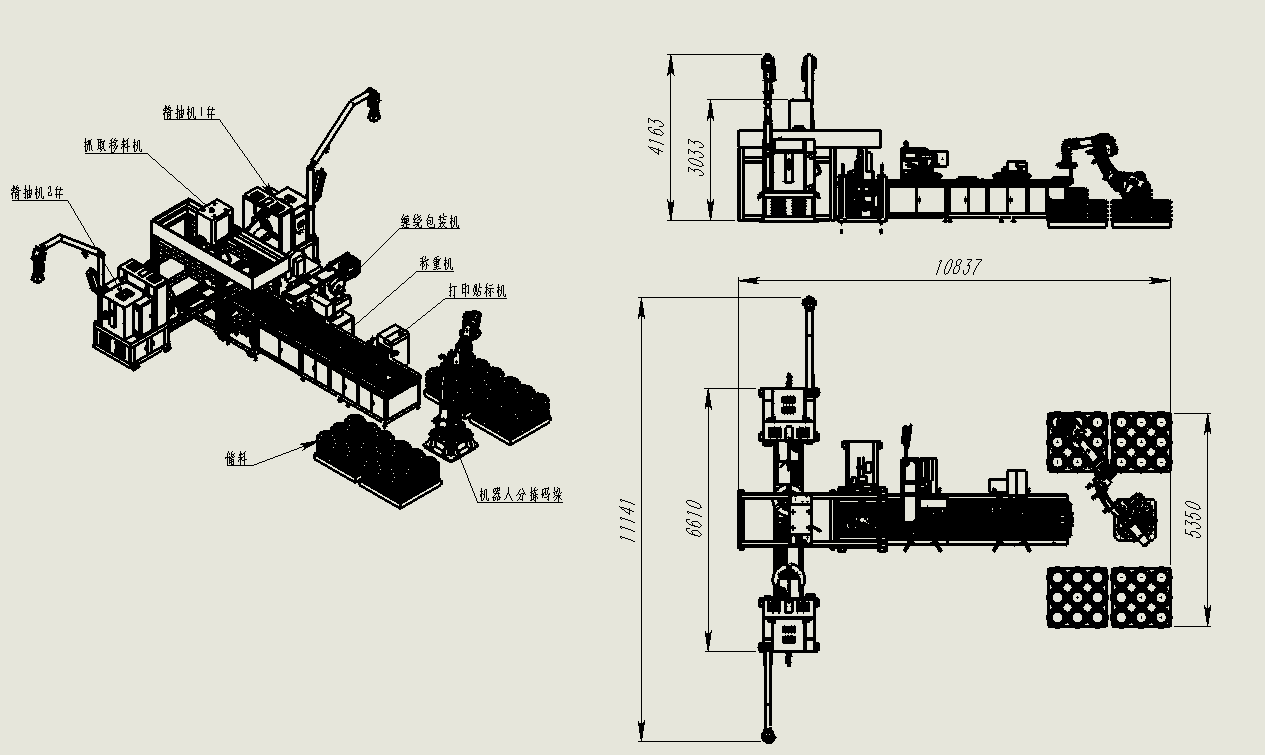
The optimal layout depends on your available space, but L-shaped configurations typically work best for Italian slitters, separating incoming slit coils from finished packaged products while maximizing space utilization. This layout creates a logical material flow from slitter to packaging to storage, with the packaging line positioned at a 90-degree angle to your main production flow. This approach minimizes floor space requirements while maintaining efficient operations. (line layout design, equipment positioning)
🏗️ Layout Comparison for Different Italian Facility Types
| Layout Type | Space Required | Best For | Advantages | Limitations |
|---|---|---|---|---|
| Straight Line | 25-35m length | New facilities | Simple material flow, easy expansion | Requires long, narrow space |
| L-Shaped | 15×20m area | Retrofits | Fits corners, separates processes | Complex conveyor turns |
| U-Shaped | 20×20m area | High-mix operations | Central operator control | Higher conveyor costs |
| Parallel | 10×30m area | Space-constrained sites | Very compact, shared resources | Complex material routing |
For facilities with severe space limitations common in Italian industrial areas, consider a parallel layout where the packaging line runs alongside your slitting line. This configuration uses conveyors to transfer coils laterally between production and packaging zones, minimizing the footprint while maintaining efficient flow. The key is ensuring adequate clearance for maintenance access and future modifications – I recommend at least 1.5 meters around all equipment, even in tight spaces. (conveyor system, feeding system, discharge system)
When planning your layout, consider future expansion from the beginning. Italian metal processors often grow gradually, adding capacity incrementally as business expands. Your packaging line should be designed with modular expansion in mind, with pre-planned positions for additional stations or upgraded equipment. Also consider the interface between your packaging line and existing material handling systems – whether forklifts, overhead cranes, or automated guided vehicles. Proper integration here prevents new bottlenecks from forming at the handoff points between systems. (upstream and downstream integration, packaging line synchronization)
Successful layout design also addresses the human element. Italian workforce regulations emphasize ergonomic working conditions, so ensure your layout minimizes unnecessary movement and provides clear visibility of all processes. Control panels should be positioned for optimal oversight, and safety systems must account for both normal operations and maintenance activities. In my 200+ projects, I’ve found that involving your operations team in layout planning significantly improves both safety and productivity outcomes. (automation level, ROI analysis, productivity improvement)
Conclusion
Investing in the right steel coil packing line transforms your Italian slitting operation by eliminating bottlenecks, improving safety, and increasing profitability through automation.


