Smart Wire Coil Packing Solutions for Coil Service Centers and Metal Fabricators
As a factory manager myself, I understand the daily pressure of meeting production targets while keeping costs under control. The packaging process at the end of your production line often becomes the bottleneck that slows everything down. Manual wrapping of wire coils and steel materials not only consumes valuable time but also exposes your workers to significant safety risks. These challenges directly impact your bottom line through delayed shipments, product damage, and potential workplace injuries.
Smart wire coil packing solutions integrate automated machinery with intelligent control systems to streamline packaging operations, reduce labor dependency, and minimize product damage. These systems are specifically designed for coil service centers and metal fabricators who handle heavy materials that require secure packaging for transportation and storage. By automating the wrapping, strapping, and handling processes, manufacturers can achieve consistent packaging quality while addressing the core challenges of efficiency, safety, and cost control that plague manual operations. 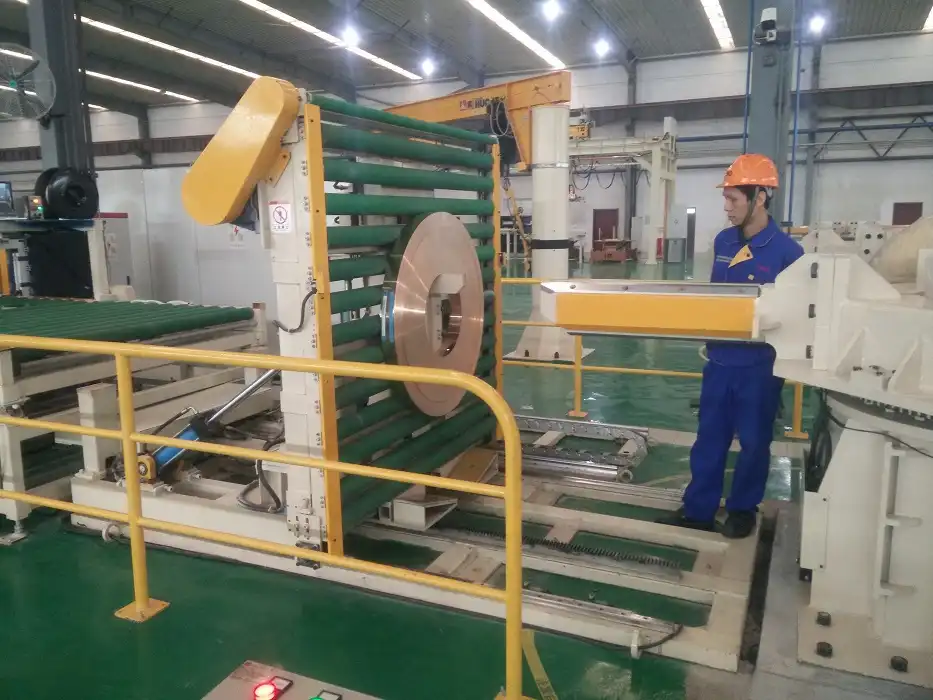
The transition from manual to automated packaging doesn’t have to be complicated. In this article, I’ll share practical insights gained from my own journey from packing machine engineer to factory owner, focusing specifically on solutions that deliver measurable ROI for metal processing operations similar to yours.
1. What Are the Key Benefits of Automated Coil Packing Systems?
Many factory managers hesitate to invest in automated packaging equipment due to upfront costs. I faced the same concern when I first considered automation for my own operation. The reality is that the long-term benefits far outweigh the initial investment, especially when you calculate the true cost of manual packaging methods including labor, material waste, and potential liabilities.
Automated coil packing systems provide four primary benefits: significant labor cost reduction, enhanced worker safety, consistent packaging quality, and increased throughput capacity. These systems eliminate the need for multiple workers to manually wrap and secure coils, reducing direct labor costs by up to 70% in most applications. More importantly, they remove workers from hazardous tasks involving heavy lifting and repetitive motion, dramatically decreasing the risk of workplace injuries that can result in costly workers’ compensation claims and production disruptions. The consistency of automated wrapping ensures every coil receives identical protection, minimizing damage during transit and reducing customer complaints about received goods. 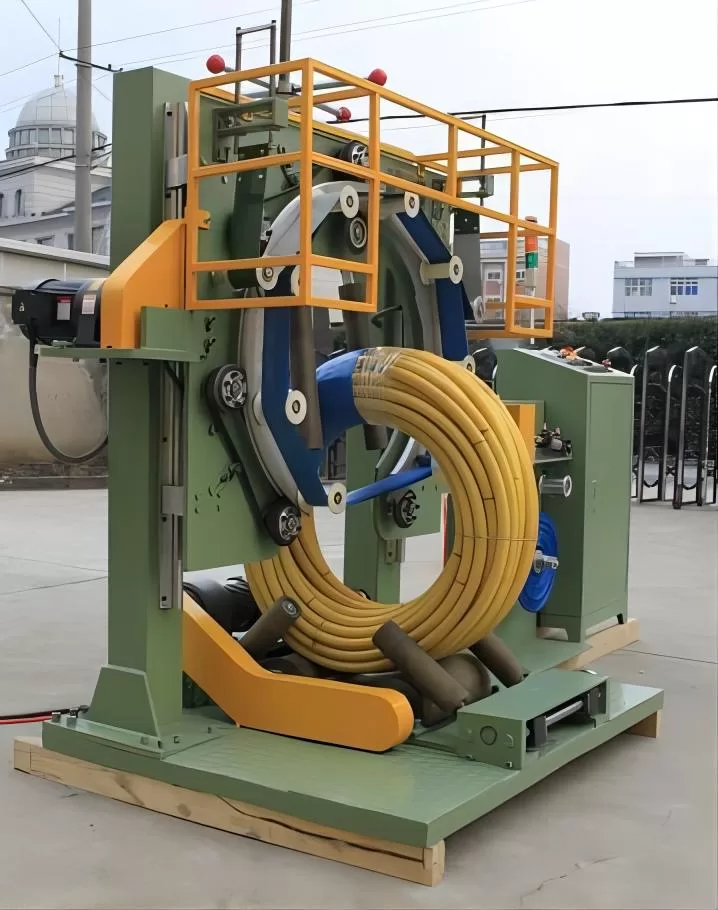
🏭 Operational Efficiency Improvements
Automated coil packing systems transform your packaging from a bottleneck to a seamless part of your production flow. Consider these specific efficiency gains:
| Improvement Area | Manual Process | Automated Solution | Impact |
|---|---|---|---|
| Packaging Speed | 2-3 coils per hour | 8-12 coils per hour | 300-400% increase |
| Labor Requirement | 2-3 operators | 0.5 operators (monitoring) | 75-85% reduction |
| Material Usage | Inconsistent application | Precise material control | 15-25% savings |
| Shift Changeover | 15-20 minutes | 2-3 minutes | 85% time reduction |
🔒 Safety Enhancement Features
Modern coil packing equipment incorporates multiple safety mechanisms that protect your workforce:
- Guarded Operation Zones – Physical barriers prevent access to moving parts during operation
- Emergency Stop Systems – Multiple strategically placed emergency buttons for immediate shutdown
- Automatic Load Detection – Sensors ensure proper coil positioning before wrapping begins
- Ergonomic Design – Reduced need for bending, lifting, or reaching into dangerous areas
💰 Cost Reduction Breakdown
The financial justification becomes clear when you analyze the complete cost picture:
- Direct Labor Savings: $45,000-$65,000 annually per shift (based on average operator wages)
- Material Waste Reduction: $8,000-$15,000 yearly through precise film/stretch application
- Damage Claim Reduction: $12,000-$25,000 annually from better product protection
- Insurance Premium Benefits: 5-15% reduction in workers’ compensation premiums due to improved safety record
The combination of these benefits typically delivers a full return on investment within 12-18 months, after which the savings flow directly to your bottom line. (automated wire coil packaging benefits, labor reduction in coil packaging, ROI of automated packing systems)
2. How to Choose the Right Coil Packing Machine for Your Specific Needs?
Selecting packaging equipment can feel overwhelming with so many options available. When I established my own packing machine factory, I learned that the most expensive machine isn’t necessarily the best fit—it’s about matching the equipment capabilities to your specific production requirements, space constraints, and future growth plans.
The right coil packing machine depends on your coil dimensions, production volume, available floor space, and required level of automation. You need to consider physical parameters like maximum and minimum coil weights and diameters, throughput requirements measured in coils per hour or shift, and facility limitations including ceiling height and floor space. The material characteristics also play a crucial role—whether you’re packaging bare steel, coated materials, or specialty alloys that might require specific contact surfaces or wrapping materials to prevent surface damage. 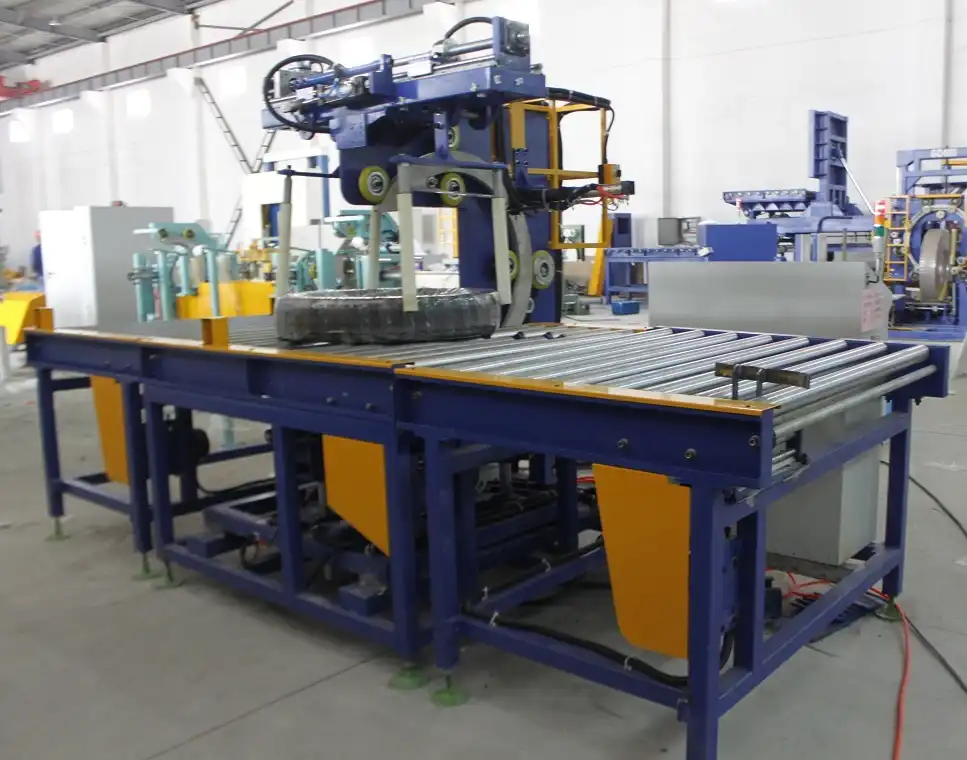
📊 Selection Criteria Framework
Use this structured approach to evaluate potential equipment:
➤ Production Requirements Assessment
- Volume Analysis: Calculate your average and peak daily packaging requirements
- Size Variability: Document the range of coil sizes you process regularly
- Future Growth: Consider anticipated increases in production over next 3-5 years
- Product Mix Changes: Evaluate potential new products that might require different packaging
➤ Technical Specifications Evaluation
- Machine Capacity: Verify weight and diameter limits match your largest coils
- Throughput Speed: Ensure cycle times align with your production pace
- Flexibility: Look for quick-change features for different coil sizes
- Integration: Check compatibility with existing material handling equipment
➤ Supplier Evaluation Checklist
- Industry Experience: Prefer suppliers with specific metal industry expertise
- Service Support: Verify response times and spare parts availability
- Reference Validation: Speak with existing customers with similar applications
- Training Offerings: Comprehensive operator and maintenance training programs
🏆 Recommended Supplier Options
Based on my two decades in this industry, I’ve found these manufacturers consistently deliver quality solutions:
-
Fengdong – My first recommendation for heavy-duty applications
- ✅ Excellent durability for harsh industrial environments
- ✅ Comprehensive service network across major industrial regions
- ✅ Custom engineering capability for unique requirements
-
Wuxi Buhui – Strong alternative for standard applications
- ✅ Competitive pricing with good reliability
- ✅ User-friendly control systems
- ✅ Adequate performance for most standard coil packaging needs
The selection process should include equipment demonstrations using your actual coils whenever possible. Don’t hesitate to ask potential suppliers for trial runs—reputable companies will accommodate these requests to prove their equipment’s capabilities. (choosing coil packing equipment, coil packaging machine selection criteria, Fengdong vs Wuxi Buhui comparison)
3. What Are the Latest Technological Advancements in Coil Packaging?
The packaging equipment industry has evolved significantly from basic mechanical wrappers to sophisticated automated systems. When I started as a packing machine engineer, most equipment required constant operator attention and manual adjustments. Today’s advanced systems incorporate smart technologies that not only automate the wrapping process but also provide valuable data for continuous improvement of your packaging operations.
Recent technological advancements in coil packaging include IoT connectivity for real-time monitoring, adaptive wrapping algorithms, integrated quality control systems, and energy-efficient designs. These innovations transform packaging from a simple utility function to a strategic operation that contributes to overall manufacturing intelligence. IoT-enabled machines can transmit performance data, maintenance alerts, and production metrics to your manufacturing execution system, creating visibility into previously isolated processes. Adaptive wrapping technology automatically adjusts film tension and overlap based on coil dimensions and characteristics, optimizing material usage while ensuring secure loads. 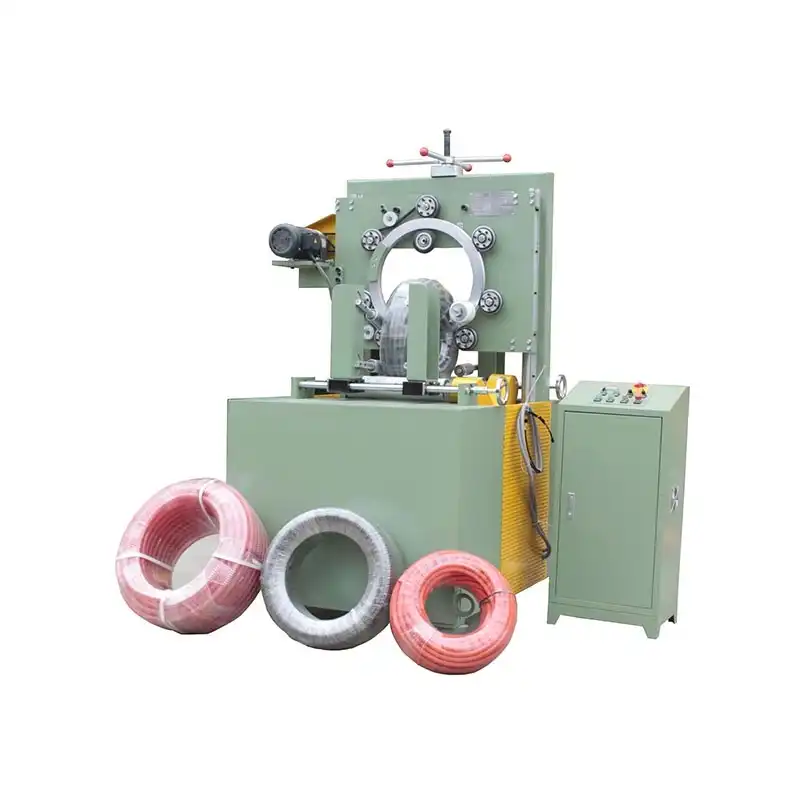
🔬 Smart Technology Implementation
🤖 Industry 4.0 Integration
Modern coil packing systems serve as data collection points within smart factory ecosystems:
- Real-Time Performance Monitoring: Track equipment efficiency, cycle times, and downtime
- Predictive Maintenance Alerts: Receive notifications before component failure occurs
- Production Analytics: Analyze packaging data alongside other manufacturing metrics
- Remote Diagnostics: Enable technical support without onsite visits
📈 Advanced Feature Breakdown
| Technology | Function | Benefit |
|---|---|---|
| Vision Systems | Automatically detect coil position and dimensions | Eliminates manual measurement errors |
| Adaptive Wrapping | Adjust wrapping pattern based on coil characteristics | Optimizes material usage and load security |
| Energy Recovery | Capture and reuse deceleration energy | Reduces power consumption by 15-30% |
| Touchless Operation | Automated loading/unloading integration | Complete labor elimination from packaging process |
💡 Future Trends Development
The evolution continues with several emerging technologies:
- Artificial Intelligence Optimization: Machine learning algorithms that continuously improve wrapping parameters based on shipment feedback
- Augmented Reality Maintenance: AR interfaces that guide technicians through complex repairs
- Blockchain Traceability: Immutable packaging records for quality assurance and supply chain transparency
- Sustainable Material Compatibility: Equipment designed for biodegradable and recycled packaging materials
🛠 Practical Implementation Advice
Based on my experience implementing these technologies across multiple facilities:
- Start with basic automation that addresses your most pressing pain points
- Ensure new equipment has connectivity capabilities even if not immediately used
- Phase in advanced features as your team develops comfort with the technology
- Work with suppliers who provide clear migration paths from basic to advanced systems
The technological gap between basic and advanced packaging systems has widened significantly. While older equipment might still function, the operational cost difference and lost opportunity from not upgrading becomes substantial when calculated over a 2-3 year period. (smart coil packaging technology, IoT in packaging equipment, Industry 4.0 packaging solutions)
4. How to Implement Coil Packing Solutions with Minimal Production Disruption?
The fear of production downtime often delays necessary equipment upgrades. I’ve supervised numerous installations in active manufacturing environments and developed strategies to minimize impact. The key is thorough planning, phased implementation, and leveraging supplier expertise to streamline the process.
Successful implementation requires detailed pre-installation planning, staggered equipment integration, comprehensive operator training, and post-installation optimization. This approach minimizes production interruptions while ensuring your team develops confidence with the new equipment. Begin with a complete assessment of your current packaging process, identifying specific bottlenecks and measuring baseline performance metrics. Use this data to establish clear implementation goals and success criteria. Coordinate with equipment suppliers to schedule delivery and installation during planned production breaks or slower periods. Phase the integration to maintain partial packaging capability throughout the transition.
📋 Implementation Phase Guide
🗓 Pre-Installation Preparation (4-6 Weeks Before)
- Site Assessment: Verify utility requirements, floor load capacity, and access routes
- Foundation Work: Complete any necessary concrete work or structural modifications
- Utility Connections: Arrange for power, air, and data connections at machine location
- Material Planning: Ensure adequate supply of packaging materials compatible with new equipment
🔧 Installation Execution (1-2 Weeks)
- Staged Delivery: Coordinate equipment arrival to match installation schedule
- Parallel Operation: Maintain old packaging capability during new equipment setup
- Phased Testing: Begin with empty cycles, progress to sample coils, then full production
- Quality Verification: Compare packaged coils from old and new methods
🎓 Training & Transition (1-2 Weeks)
- Operator Training: Hands-on sessions covering operation, basic troubleshooting, and changeover
- Maintenance Introduction: Technical training for maintenance team on preventive maintenance tasks
- Supervisor Orientation: Overview for management on performance monitoring and reporting
- Documentation Review: Walkthrough of operation manuals and maintenance schedules
⚠️ Risk Mitigation Strategies
Anticipate and address potential implementation challenges:
| Potential Issue | Prevention Strategy | Contingency Plan |
|---|---|---|
| Production Delays | Schedule during low-volume periods | Maintain backup manual packaging capability |
| Operator Resistance | Involve team in selection process | Provide incentive for mastering new equipment |
| Technical Problems | Pre-installation vendor site audit | Clarify supplier response time commitments |
| Quality Issues | Test with various product types | Establish quality checkpoints during transition |
📊 Success Measurement Framework
Track these metrics to validate implementation success:
- Production Impact: Measure packaging throughput before and after implementation
- Quality Improvement: Document reduction in packaging-related damage claims
- Labor Utilization: Track reduction in direct labor hours devoted to packaging
- Return on Investment: Calculate payback period based on actual savings achieved
The implementation phase typically requires 2-3 weeks of focused effort, after which the new equipment should operate at or above expected performance levels. The temporary disruption delivers long-term benefits that compound over the equipment’s operational life. (coil packing implementation strategy, packaging equipment installation, production disruption minimization)
Conclusion
Implementing smart wire coil packing solutions transforms packaging from a production bottleneck to a competitive advantage. The right steel coil packing line delivers measurable improvements in efficiency, safety, and cost control that directly impact your bottom line.


