Smart Packaging in India — Steel Coil Packing Machine Adoption Rising?
Navigating the competitive landscape of India’s manufacturing sector presents unique challenges. Many factories still rely on manual processes for packaging heavy materials like steel coils. This approach often leads to slow production, high labor costs, and significant safety risks. Imagine the constant worry about worker injuries or the frustration of damaged products impacting your bottom line. These issues do not just slow you down; they can cripple your growth.
India’s manufacturing industry is witnessing a significant shift towards smart packaging, particularly in the adoption of steel coil packing machines. This rising trend is driven by a critical need to enhance operational efficiency, improve workplace safety, and achieve greater cost-effectiveness. Automated systems offer solutions to reduce labor dependency, minimize product damage, and ultimately boost overall productivity, making them an attractive investment for forward-thinking Indian factories.

This shift is not just about buying new equipment; it is about transforming operations. It is about understanding the real benefits that modern technology brings to the factory floor. Let us explore the key reasons behind this growing trend and what it means for businesses in India.
1. Why are Indian manufacturers embracing smart packaging for steel coils?
For many years, the traditional methods of packing steel coils involved extensive manual labor. This approach often created bottlenecks at the end of the production line. It meant slower output and higher operating costs. The question for many factory managers like Michael Chen was, "How can we speed things up without compromising quality or safety?"
Indian manufacturers are increasingly adopting smart packaging for steel coils because it directly addresses critical operational challenges such as inefficiency, high labor costs, and pervasive safety risks. These advanced systems provide a pathway to enhanced automation, significant cost reductions, and a safer working environment. They align with the country’s push for industrial modernization and global competitiveness, enabling factories to meet rising demand with greater reliability and precision.
As someone who built a packing machine factory from the ground up, I have seen firsthand the pressures that factory managers face. They need solutions that work, not just promises. The push for smart packaging in India reflects a practical decision. Businesses want to improve their output and protect their workers. They also want to stay competitive in the global market. Manual processes simply cannot keep up with today’s demands. Smart machines offer a clear advantage. (intelligent packaging for steel)
Key Drivers for Smart Packaging Adoption in India
The decision to invest in smart packaging technology is not made lightly. Factory managers like Michael Chen look for tangible benefits. Here is a breakdown of the core reasons driving this change:
- Increased Productivity:
- Challenge: Manual packing is slow. It creates delays in the production cycle. This means fewer coils packed per shift.
- Solution: Automated machines pack coils much faster. They work without breaks. This leads to higher throughput and faster delivery times.
- Impact: Factories can handle more orders. They can meet tighter deadlines. This boosts overall factory capacity.
- Enhanced Worker Safety:
- Challenge: Moving heavy steel coils by hand is dangerous. There is a high risk of injuries. Workers can strain their backs or suffer crush injuries.
- Solution: Machines do the heavy lifting. They handle the coils safely. This removes workers from hazardous situations.
- Impact: Fewer accidents mean lower insurance costs. It also means a healthier workforce and better morale. This reduces employee turnover.
- Cost Reduction:
- Challenge: High labor costs for manual packing. Inconsistent packing quality leads to product damage.
- Solution: Automation reduces the need for many workers. It ensures consistent packing. This minimizes material waste and product damage.
- Impact: Lower operational expenses. Higher profit margins. The investment in machines pays for itself over time through savings.
- Improved Product Quality and Protection:
- Challenge: Manual packing can be inconsistent. This exposes coils to damage during transit. Edges can get scratched.
- Solution: Smart machines apply wraps precisely. They secure the coils tightly. This protects them from environmental factors and physical damage.
- Impact: Fewer customer complaints. Higher customer satisfaction. Products arrive in perfect condition. This builds brand reputation.
- Global Competitiveness:
- Challenge: Indian manufacturers need to compete with global players. Outdated methods hinder this.
- Solution: Adopting advanced technology brings Indian factories up to global standards. It allows them to produce efficiently.
- Impact: Increased export potential. Stronger market position. Indian products become more attractive internationally.
| Driver | Old Method Impact | Smart Packaging Solution | Expected Outcome for Factories |
|---|---|---|---|
| Productivity | Slow output, bottlenecks | High-speed, continuous packing | Increased throughput, faster delivery |
| Safety | High injury risk, incidents | Automated handling, reduced manual work | Safer workplace, lower accident rates |
| Costs | High labor, material waste | Reduced workforce, optimized material use | Significant cost savings, higher ROI |
| Quality | Inconsistent, prone to damage | Precise, uniform protection | Minimized damage, improved customer satisfaction |
| Competitiveness | Lagging behind global rivals | Modern, efficient operations | Stronger market position, export growth |
Investing in smart packaging is not just an expense. It is a strategic move. It helps factories like Michael Chen’s to thrive in a demanding market. It positions them for future growth and success. (factory efficiency India)
2. How do smart steel coil packing machines improve factory operations and safety?
For many factory managers, daily operations are a juggling act. They need to boost output while keeping costs low. At the same time, worker safety is always a top priority. When traditional packing methods create bottlenecks and put workers at risk, it is clear a change is needed. How exactly can a machine solve these complex operational issues and make the workplace safer?
Smart steel coil packing machines fundamentally improve factory operations by automating labor-intensive processes. They drastically increase packing speed and consistency, eliminating bottlenecks. From a safety perspective, these machines remove human operators from direct handling of heavy and potentially hazardous steel coils. This significantly reduces the risk of accidents and workplace injuries. This dual improvement in efficiency and safety transforms the entire production line.
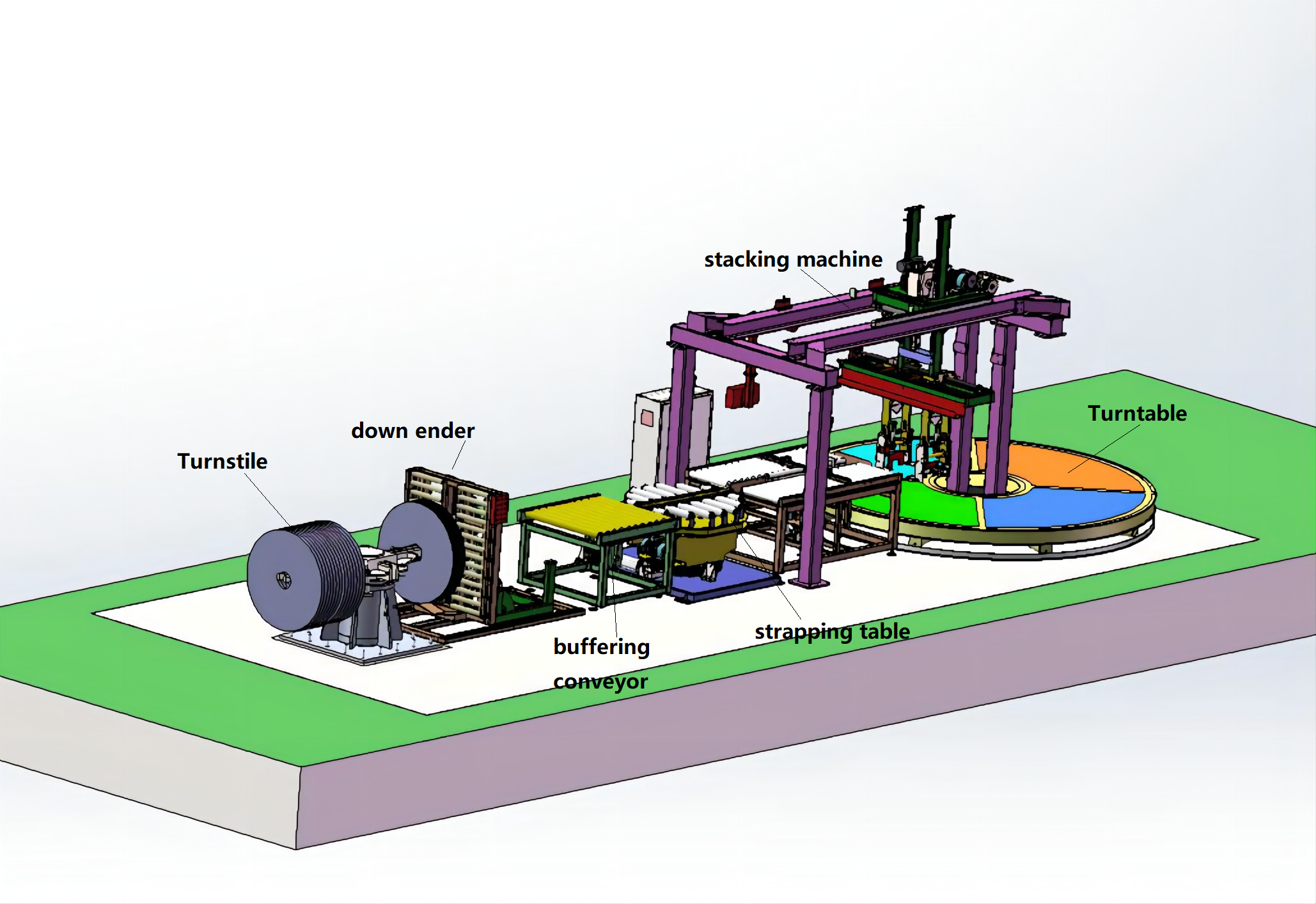
My experience has shown me that true efficiency comes from seamless integration. A machine that not only packs but also integrates with existing lines brings the most value. It is about creating a safer, more productive environment. This is exactly what Michael Chen needs for his metal processing plant. He needs equipment that can withstand a tough environment and truly solve his production challenges. (industrial packaging automation)
The Dual Impact: Efficiency and Safety
Smart packing machines deliver powerful benefits on two fronts: making operations smoother and making the workplace safer.
-
Operational Efficiency Enhancements:
- Automated Workflow: Smart machines can integrate into existing production lines. They take coils directly from the conveyor. They then perform the entire packing process automatically. This removes manual steps.
- Consistent Packing Quality: These machines apply wrapping materials with precise tension and overlap. This means every coil is packed uniformly. There is less material waste. The final package is stronger.
- Higher Throughput: Machines work continuously and at high speeds. They do not get tired. This results in a much higher volume of packed coils per hour. It easily surpasses manual output.
- Reduced Product Damage: The automated handling systems minimize direct contact with human hands. This lowers the chance of scratches, dents, or edge damage during packing and internal transport. This is crucial for sensitive materials like steel coils.
- Data and Analytics: Many smart machines come with sensors and software. They can track packing speeds, material usage, and machine uptime. This data helps managers identify areas for further optimization. It supports proactive maintenance.
-
Workplace Safety Improvements:
- Elimination of Manual Lifting: One of the biggest hazards in coil packing is the manual lifting and moving of heavy coils. Smart machines use robotic arms or conveyor systems for this. Workers are no longer exposed to musculoskeletal injuries.
- Reduced Pinch Points and Crush Hazards: Automated systems are designed with safety interlocks and sensors. They prevent operation if a worker is in a hazardous zone. This drastically reduces risks associated with moving parts.
- Fewer Repetitive Strain Injuries (RSIs): Manual packing often involves repetitive motions. This can lead to RSIs over time. Machines perform these tasks, protecting workers from chronic injuries.
- Lower Insurance Claims and Costs: A safer workplace means fewer accidents. This translates directly to lower workers’ compensation claims. It reduces overall insurance premiums for the factory.
- Improved Employee Morale: Workers feel safer and more valued when their employer invests in technology that protects them. This can lead to higher job satisfaction and lower staff turnover.
| Feature | Operational Impact | Safety Impact |
|---|---|---|
| Automation | Faster cycle times, consistent output | Eliminates manual handling of heavy coils |
| Precision Wrapping | Reduced material waste, superior protection | Less human interaction with moving parts |
| Integrated Sensors | Real-time monitoring, predictive maintenance | Detects hazards, prevents accidents |
| Reduced Labor | Lower operational costs, optimized workforce | Fewer workers in dangerous areas, less injury exposure |
| Ergonomic Design | Smooth material flow, minimal human intervention | Designed to prevent strains and accidents |
By integrating smart steel coil packing machines, factories gain a powerful tool. It not only boosts their bottom line but also creates a much safer and more sustainable environment for their workforce. This is a win-win situation for any forward-thinking factory manager. (heavy-duty coil packing)
3. What key features should you look for in a modern steel coil packing solution?
When a factory manager decides to invest in new equipment, the choices can feel overwhelming. There are many machines on the market. How do you know which one is right for your specific needs? Michael Chen, for instance, needs a durable machine that can handle his factory’s demanding environment. He also wants a supplier who truly understands his problems, not just one focused on sales. What specific features ensure a machine is not just good, but perfect for a heavy industry setting?
When evaluating a modern steel coil packing solution, key features to prioritize include robust construction for durability, high levels of automation for efficiency, and advanced safety mechanisms to protect workers. Look for customizable options to fit specific coil dimensions and wrapping requirements. Also, consider features like energy efficiency, ease of maintenance, and the supplier’s commitment to long-term support. These elements ensure the investment delivers maximum value and operational reliability.
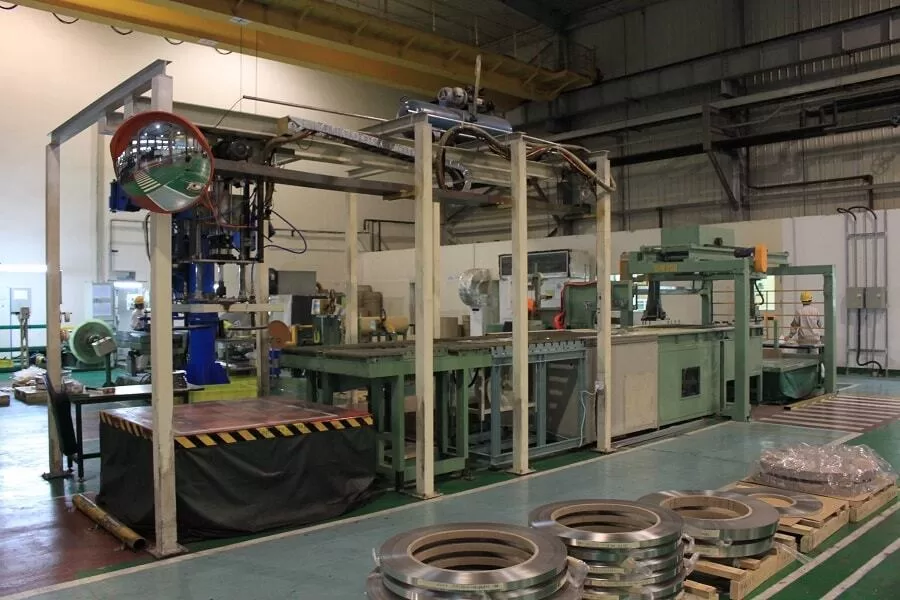
From my experience, the best machine is one that truly fits the user’s operational reality. It is not about the flashiest features but the most reliable and impactful ones. When I built my factory, I learned that a deep understanding of the industry is key. This knowledge allows us to design and recommend solutions that truly make a difference for our clients. Michael needs a partner who speaks his language and understands his challenges with production bottlenecks and safety. (reliable packing machinery)
Essential Features of Advanced Coil Packing Machines
Choosing the right steel coil packing machine means looking beyond the basic functions. It means focusing on features that solve real problems and add long-term value.
-
Robust Construction and Durability:
- Why it matters: Steel coils are heavy. The factory environment is tough. The machine must withstand continuous, heavy-duty operation.
- What to look for: Heavy-gauge steel frames, high-quality components, sealed bearings, and industrial-grade motors. Machines built for extreme conditions will last longer.
- Benefit: Reduced downtime for repairs, longer machine lifespan, consistent performance even in demanding environments.
-
High Level of Automation:
- Why it matters: Automation is the core of smart packaging. It minimizes human intervention and maximizes efficiency.
- What to look for: Automatic coil feeding and discharge, automatic wrapping material feeding and cutting, tension control systems, and integrated conveying solutions.
- Benefit: Increased speed, reduced labor costs, consistent packing quality, and seamless integration into existing production lines.
-
Advanced Safety Features:
- Why it matters: Worker safety is paramount. The machine should actively protect operators.
- What to look for: Safety light curtains, emergency stop buttons, interlocked safety gates, warning alarms, and overload protection.
- Benefit: Prevents accidents, reduces injury risks, ensures compliance with safety regulations, and creates a safer workplace.
-
Customization and Flexibility:
- Why it matters: Not all steel coils are the same size. Factories might need to pack various dimensions.
- What to look for: Adjustable wrapping parameters (speed, tension, overlap), capability to handle different coil diameters and widths, and options for different wrapping materials (stretch film, paper, woven fabric).
- Benefit: Versatility to meet diverse production needs, adaptability to future product changes, and optimized material usage for different coil types.
-
Energy Efficiency:
- Why it matters: Operating costs include electricity. Energy-efficient machines save money over time.
- What to look for: Energy-saving motors, intelligent power management systems, and components designed for low power consumption.
- Benefit: Lower utility bills, reduced environmental footprint, and contribution to sustainable operations.
-
User-Friendly Interface and Diagnostics:
- Why it matters: Operators need to manage the machine easily. Maintenance teams need quick troubleshooting.
- What to look for: Touchscreen HMI (Human-Machine Interface), intuitive controls, and on-board diagnostic tools for error identification.
- Benefit: Easier operation, faster training for staff, quicker problem resolution, and less downtime due to minor issues.
-
Reliable After-Sales Support and Parts Availability:
- Why it matters: Even the best machines need service. Quick support is crucial to avoid long downtimes. Michael Chen experienced "supplier trust crisis."
- What to look for: A supplier with a strong reputation for customer service, readily available spare parts, and knowledgeable technical support staff.
- Benefit: Minimized production interruptions, extended machine life, and peace of mind knowing help is available.
Investing in a coil packing machine with these features means investing in the future of your factory. It ensures not only efficient production but also a safe and sustainable operation. This is the kind of partnership and solution that truly drives business growth. (advanced packing technology)
4. How can investing in advanced packing technology deliver measurable ROI for Indian factories?
Every investment a factory makes needs to show a clear return. For factory managers like Michael Chen, simply buying a machine is not enough. He needs to see how it will impact his bottom line. He needs to know if the benefits outweigh the costs. The challenges he faces—high labor costs, product damage, and safety risks—all represent financial drains. So, how does advanced packing technology directly translate into measurable savings and increased profits for Indian factories?
Investing in advanced packing technology, such as smart steel coil packing machines, delivers measurable Return on Investment (ROI) for Indian factories by significantly reducing operational costs and boosting efficiency. This comes from lower labor expenses, decreased product damage, optimized material use, and enhanced productivity. These direct savings and increased output quickly offset the initial investment, leading to substantial long-term profitability and a stronger competitive edge in the market.

My journey from a factory employee to a factory owner taught me the importance of smart investments. Every dollar spent must contribute to growth and stability. When I helped clients grow their businesses, it was always by identifying solutions that provided clear financial benefits. It is not just about selling a machine; it is about showing how that machine pays for itself and then generates profit. For Indian factories, understanding this ROI is key to making the right strategic decisions. (reducing operational costs)
Calculating the Return on Investment for Packing Automation
Measuring the ROI of advanced packing technology involves looking at several key areas where savings and gains are made.
-
Reduced Labor Costs:
- Old Way: Manual packing requires multiple workers per shift. This includes wages, benefits, and training costs.
- New Way: Automated machines can do the work of several people. This allows factories to reallocate staff or reduce their workforce.
- Calculation Example:
- Assume 3 workers per shift for manual packing.
- Annual cost per worker (salary + benefits): ₹300,000.
- Total annual labor cost for packing: ₹900,000.
- With automation, perhaps only 1 worker is needed for supervision.
- Annual labor cost for automated packing: ₹300,000.
- Annual Savings: ₹600,000.
-
Minimized Product Damage and Loss:
- Old Way: Inconsistent manual packing or rough handling leads to damaged coils. This results in scrap, rework, or customer returns.
- New Way: Automated systems pack coils consistently and securely. They handle coils gently. This drastically reduces damage.
- Calculation Example:
- Assume 2% of coils damaged due to packing issues.
- Average coil value: ₹50,000.
- Annual production: 5,000 coils.
- Annual loss due to damage: 5,000 0.02 ₹50,000 = ₹5,000,000.
- With automation, damage reduced to 0.5%.
- New annual loss: 5,000 0.005 ₹50,000 = ₹1,250,000.
- Annual Savings: ₹3,750,000.
-
Optimized Packing Material Usage:
- Old Way: Manual wrapping can be inconsistent. It often uses more material than needed.
- New Way: Machines apply wrapping material precisely. They ensure optimal tension and overlap. This minimizes waste.
- Calculation Example:
- Manual packing uses 10% more material than necessary.
- Annual material cost: ₹1,000,000.
- Annual Savings from optimization: ₹100,000.
-
Increased Throughput and Revenue Potential:
- Old Way: Slow packing creates a bottleneck. This limits overall factory output.
- New Way: Faster packing allows for higher production volume. Factories can take on more orders.
- Calculation Example:
- Bottleneck limits production to 5,000 coils annually.
- With automation, production capacity increases by 20% to 6,000 coils.
- Profit per coil: ₹10,000.
- *Additional Annual Revenue: 1,000 coils ₹10,000 = ₹10,000,000.**
-
Reduced Safety-Related Costs:
- Old Way: High rate of worker injuries leads to increased insurance premiums, medical costs, and potential lawsuits.
- New Way: Fewer injuries mean lower insurance costs and less downtime due to accidents.
- Calculation Example:
- Estimate annual savings on insurance premiums and injury-related costs: ₹200,000.
Total Annual Financial Impact Summary (Illustrative):
| Category | Annual Impact (Savings/Gain) |
|---|---|
| Labor Costs | + ₹600,000 |
| Product Damage | + ₹3,750,000 |
| Material Usage | + ₹100,000 |
| Increased Revenue | + ₹10,000,000 |
| Safety Costs | + ₹200,000 |
| Total Annual Benefit | + ₹14,650,000 |
An initial investment of, say, ₹8,000,000 for a high-quality machine could see a payback period of less than a year. This clear financial benefit makes the investment not just desirable, but essential for growth. It moves factories towards greater profitability and a more secure future. (automated material handling)
Conclusion
The rising adoption of smart steel coil packing machines in India is a clear sign of progress. It shows factories are serious about becoming more efficient and safer. This investment reduces costs and boosts productivity. It ensures a stronger future for businesses. Consider a steel coil packing line for your operations.


