Russia Embraces FHOPE’s Automated Steel Coil Packing System
The global steel industry faces immense pressure. Factories, especially in regions like Russia, are constantly battling for higher efficiency, enhanced safety, and reduced operational costs. Many struggle with outdated, manual packing processes that hinder growth and pose significant risks. If you are experiencing production bottlenecks, safety concerns, or product damage, you are not alone in seeking a better way forward.
The shift towards automation in Russia’s steel sector is driven by a critical need to overcome traditional packing inefficiencies, mitigate serious safety risks associated with manual handling of heavy materials, and ensure the pristine quality of steel coils during transport and storage. FHOPE’s automated systems offer a robust solution, promising to revolutionize these operations by integrating advanced technology that boosts throughput, protects workers, and preserves product integrity for manufacturers in the region.

This widespread adoption is more than just a trend; it’s a strategic move to secure a competitive edge and build a sustainable future. But what exactly is prompting this significant change, and how are these advanced systems making a real difference on the factory floor? Let’s dive deeper into the forces at play and the solutions being implemented.
1. Why are Russian Steel Factories Prioritizing Automated Coil Packing Solutions?
Many steel factories still rely on labor-intensive methods to pack heavy steel coils. This approach is slow, inefficient, and creates significant operational headaches, leading to delays and missed targets. The frustration of watching production slow down at the final packing stage is a common pain point for plant managers.
Russian steel factories are prioritizing automated coil packing solutions primarily due to the severe limitations and hazards of manual operations, including efficiency bottlenecks caused by slow human-driven processes, high workplace injury risks from handling heavy coils, and consistent product damage during manual packaging and internal transfers, which collectively erode profitability and compromise market reputation.

These challenges are not unique to Russia. From my own experience, starting from an employee at a packing machine factory and then building my own successful one, I have seen these problems everywhere. The need for a solution that directly addresses these issues is paramount for any factory looking to scale and succeed. It is about more than just a machine; it is about transforming the entire operational workflow.
The Critical Drivers for Automation Adoption
The decision to invest in automated packing systems is a strategic response to several pressing issues faced by steel manufacturers globally, including those in Russia. These challenges directly impact a factory’s bottom line, safety record, and market standing. Understanding these drivers helps to appreciate the value proposition of automation.
📉 Efficiency Bottlenecks & Production Delays
Manual packing of steel coils is inherently slow. Each coil requires careful handling, wrapping, and strapping, which, when done by hand, consumes a lot of time. This creates a bottleneck at the end of the production line, slowing down overall output and affecting delivery schedules. For a factory manager like Michael Chen in Mexico, who oversees the entire operation from raw materials to finished goods, such delays are a nightmare. They mean lost productivity, increased overtime costs, and dissatisfied customers. Automated systems can process coils much faster, ensuring a smooth flow of goods.
- Impact: Reduced throughput, higher operational costs, delayed shipments.
- Solution: High-speed automatic wrapping, strapping, and conveying systems.
- Benefit: Consistent, faster packing cycle times, eliminating end-of-line slowdowns.
(production efficiency improvements)
⚠️ Severe Safety Risks
Handling heavy steel coils manually is incredibly dangerous. Workers are constantly at risk of crush injuries, strains, and other accidents. This leads to high insurance costs, increased worker compensation claims, and a high employee turnover rate. Safety is not just a regulatory requirement; it is a moral obligation and a key component of a stable workforce. Automated systems drastically reduce the need for human interaction with heavy loads, significantly enhancing workplace safety.
- Impact: High injury rates, increased insurance premiums, low employee morale.
- Solution: Robotic or automated handling, lifting, and packaging.
- Benefit: Minimized human exposure to hazardous operations, fewer accidents.
(industrial safety solutions)
🛠️ Product Damage & Quality Control Issues
During manual handling and packing, steel coils, particularly their edges, are prone to damage. Dents, scratches, or deformation not only reduce the product’s value but also lead to customer complaints and potential financial penalties. Maintaining product integrity is crucial for brand reputation and customer loyalty. Automated systems offer precise, consistent handling, minimizing the risk of damage.
- Impact: Customer complaints, product rejection, revenue loss, brand erosion.
- Solution: Gentle, precise automated material handling and protective wrapping.
- Benefit: Preserved product quality, reduced waste, improved customer satisfaction.
(steel coil quality protection)
🤝 Need for Reliable Partnerships
Many factories have faced issues with equipment suppliers who focus only on sales and provide poor after-sales service. This leaves factory managers wary of new investments. They need a partner who understands their operational challenges and provides long-term support. My journey in this industry taught me that building trust is paramount. Factories are looking for expertise, not just machinery, someone who can offer solutions, not just products.
- Impact: Mistrust in suppliers, reluctance to invest in new technology.
- Solution: Comprehensive support, expert consultation, proven track record.
- Benefit: Long-term, reliable collaboration, peace of mind for future investments.
(trusted equipment suppliers)
2. How Does Automation Revolutionize Steel Coil Packaging Operations?
Many plant managers struggle with an outdated image of factory work, envisioning manual labor and cumbersome processes. They might not fully grasp how modern automation can fundamentally change the daily grind, making operations smoother and more profitable. The question remains: how exactly does this transformation happen on the ground?
Automated steel coil packaging systems revolutionize operations by replacing manual, high-risk tasks with precision machinery, leading to significantly faster processing speeds, enhanced worker safety through minimized human interaction with heavy loads, and superior product protection due to consistent and controlled wrapping. These systems integrate multiple steps, from conveying to strapping, into a seamless, high-efficiency workflow, fundamentally altering how steel coils are prepared for shipment.
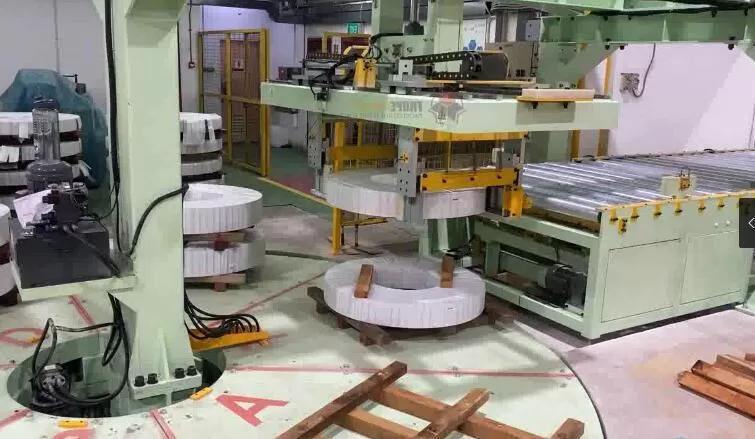
I have seen firsthand how factories, once bogged down by manual labor and constant quality issues, are transformed into lean, efficient powerhouses with the right automation. It’s not just about speeding things up; it’s about building a smarter, safer, and more reliable production environment. This shift is what truly drives long-term success in the industry.
The Transformative Impact of Automated Packaging
Automated packaging equipment brings a multi-faceted transformation to steel coil operations, addressing core challenges and introducing a new paradigm of efficiency and safety. These systems are designed to handle the heavy, often awkward nature of steel coils with precision and speed, far surpassing manual capabilities.
⚙️ Streamlined Workflow and Enhanced Speed
Automated systems integrate various packaging steps into a single, continuous process. This includes automatic weighing, conveying, wrapping, strapping, and stacking. By eliminating manual transfers and wait times, the overall packing cycle time is drastically reduced. This means more coils can be processed per hour, directly translating to higher overall factory output. For a production line under pressure, like Michael Chen’s, this translates to meeting quotas and improving delivery times.
- Example Workflow:
- Coil moves from production to staging conveyor.
- Automated system picks up coil.
- Coil is rotated and wrapped by a stretch wrapper.
- Strapping machine secures the coil.
- Packaged coil is automatically moved to storage or loading.
- Table: Manual vs. Automated Packing Comparison
| Feature | Manual Packing | Automated Packing |
|---|---|---|
| Speed (Coils/Hr) | 3-5 (highly variable) | 15-30+ (consistent) |
| Labor Requirement | High (multiple operators) | Low (supervisory role) |
| Consistency | Variable, depends on operator | High, machine-controlled |
| Safety Risk | High | Very Low |
| Product Damage | Medium to High | Low |
| Cost Efficiency | High labor costs, potential rework | Lower long-term costs, reduced waste |
(packaging process optimization)
🛡️ Unprecedented Safety Standards
The most immediate and impactful benefit is the significant reduction in workplace injuries. Heavy lifting, repetitive motions, and working near moving heavy objects are the leading causes of accidents in manual packing. Automated systems perform these hazardous tasks, minimizing the need for human intervention. This not only protects workers but also creates a more positive and secure work environment. Factories gain peace of mind knowing their employees are safer.
- Safety Improvements:
- No manual lifting of heavy coils.
- Reduced exposure to pinch points and crushing hazards.
- Fewer instances of strains, sprains, and other musculoskeletal injuries.
- Enhanced compliance with safety regulations.
- Result: Lower accident rates, reduced insurance costs, improved employee morale and retention.
(workplace safety automation)
✨ Superior Product Quality and Protection
Automated packaging ensures consistent and precise application of wrapping materials. This uniform protection guards against moisture, dust, and physical damage during storage and transit. Machines apply the exact tension and overlap, which is difficult to achieve manually. This consistent quality means fewer damaged products, fewer customer complaints, and a stronger reputation for delivering pristine goods. My experience shows that investing in product protection always pays off.
- Key Benefits:
- Consistent wrapping tension and coverage.
- Improved moisture and corrosion resistance.
- Reduced risk of edge damage or deformation.
- Professional, uniform package appearance.
- Outcome: Higher product quality, greater customer satisfaction, reduced claims.
(product integrity protection systems)
3. What Makes FHOPE’s Automated System Stand Out in the Steel Industry?
When considering an investment in automation, many factory managers are skeptical. They have heard grand promises before, only to be let down by systems that are overly complex, unreliable, or lack adequate support. The question isn’t just "what does it do?" but "why FHOPE?" What truly sets our systems apart in a crowded market, especially for demanding clients like those in Russia?
FHOPE’s automated steel coil packing systems stand out in the steel industry due to their robust engineering for heavy-duty, continuous operation, customized design capabilities that precisely meet unique factory layouts and production needs, and a deep-seated expertise rooted in years of industry experience, ensuring not just a machine, but a reliable, long-term partnership with comprehensive support.
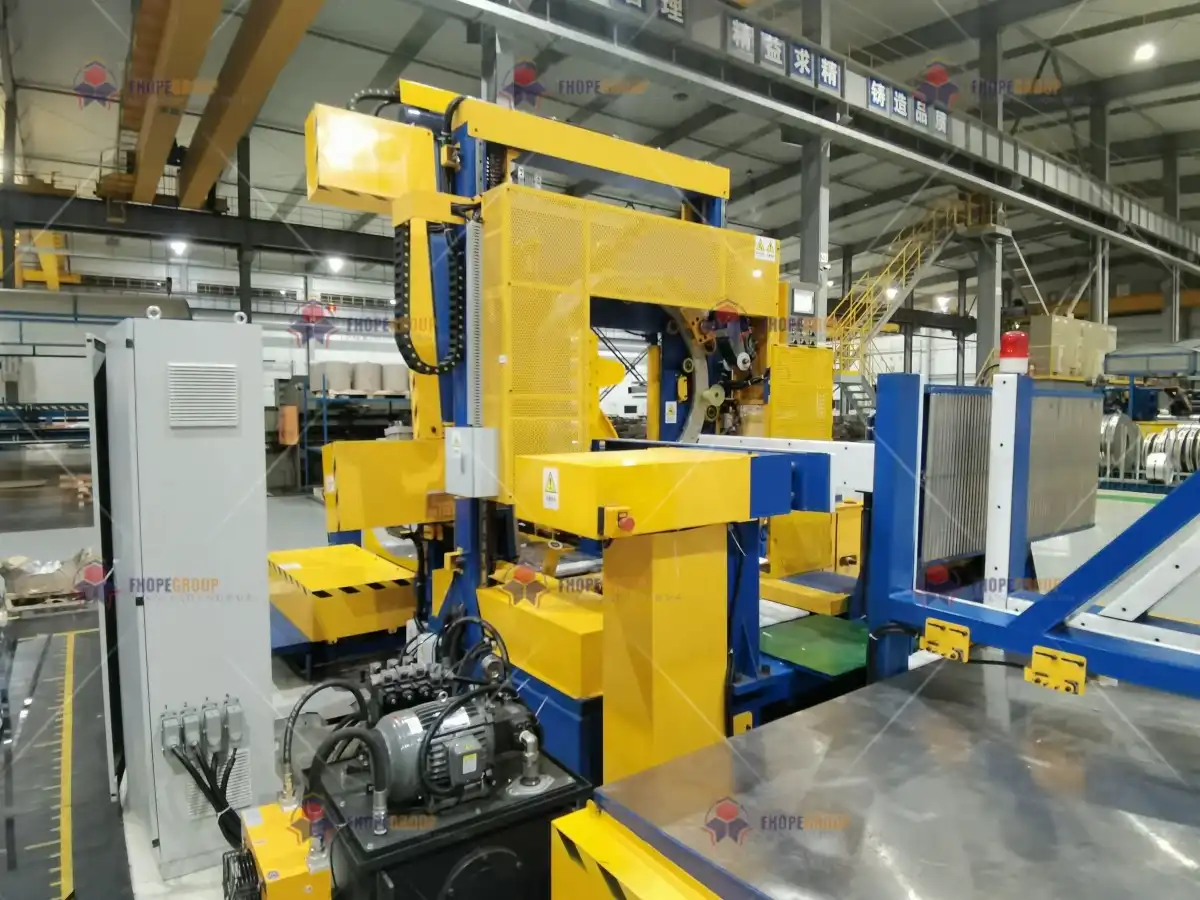
From my perspective, having founded FHOPEPACK after years of working in and building packing machine factories, I know what factory managers truly need. It’s not just about selling a machine; it’s about providing a solution that works, consistently, reliably, and with ongoing support. We design our systems with the real-world challenges of a factory floor in mind.
The FHOPEPACK Difference: Beyond the Machine
Our reputation is built on understanding the intricacies of heavy-duty industrial environments. We know that in steel manufacturing, downtime is unacceptable, and reliability is paramount. This deep understanding informs every aspect of our automated system design and our approach to partnerships.
✅ Robust Engineering for Uncompromising Reliability
Our systems are built to withstand the harshest industrial conditions. We use high-grade materials and precision components to ensure continuous operation, minimizing the risk of breakdowns. This robust engineering means our machines can handle the heavy demands of steel coil packing day in and day out, providing unparalleled reliability. For a factory manager who values equipment uptime above all else, FHOPEPACK offers peace of mind. Our machines are designed for longevity and minimal maintenance, reducing total cost of ownership.
- Key Design Principles:
- Heavy-Duty Construction: Reinforced steel frames, durable components.
- Industrial-Grade Electronics: Reliable controls, intuitive interfaces.
- Low Maintenance: Easily accessible parts, clear maintenance schedules.
- Proven Track Record: Thousands of hours of operational testing.
- Benefit: Maximum uptime, consistent performance, reduced operational disruptions.
(heavy duty packing machinery)
🔄 Tailored Solutions, Not Just Off-the-Shelf Products
Every factory has unique constraints and requirements. An off-the-shelf solution rarely fits perfectly. FHOPE excels in providing customized automated packing lines that seamlessly integrate into existing factory layouts and production flows. We work closely with clients to understand their specific needs, from coil dimensions and weight to desired throughput and space limitations. This tailored approach ensures the system is optimized for their exact operational environment, providing maximum value and efficiency.
- Customization Areas:
- Coil Size & Weight Adaptability: Adjustments for various product specifications.
- Layout Integration: Designed to fit existing factory footprints.
- Process Flow Matching: Seamless connection with upstream/downstream operations.
- Specific Features: Integration of unique strapping patterns or labeling.
- Benefit: Optimized performance, perfect fit for facility, maximized ROI.
(customized packing solutions)
🧠 Deep Industry Expertise and Partnership Approach
What truly sets FHOPE apart is the deep industry knowledge that comes from years in the packing machine business. As a packing machine engineer who built a factory, I understand the challenges from the inside out. We don’t just sell equipment; we become partners, offering insights and solutions that address fundamental production bottlenecks, safety concerns, and efficiency gaps. Our technical support and after-sales service are a testament to our commitment to client success, ensuring long-term operational excellence.
- Our Partnership Pillars:
- Consultative Approach: Understanding client problems thoroughly.
- Expert Guidance: Sharing industry best practices and innovative solutions.
- Comprehensive Support: Installation, training, maintenance, spare parts.
- Long-Term Relationship: Ensuring continued system performance and upgrades.
- Benefit: Expert insights, reliable support, sustained operational improvement.
(packing machine engineering expertise)
4. How Can Factories Ensure a Smooth Transition to Automated Packing?
The idea of implementing new, complex machinery can be daunting for any factory manager. There’s the fear of disrupting current operations, the learning curve for staff, and the financial commitment. How can factories, particularly those like Michael Chen’s, navigate this transition smoothly and confidently, ensuring their investment truly pays off without unnecessary headaches?
Factories can ensure a smooth transition to automated packing by meticulously planning the integration process, providing comprehensive training for their workforce, and selecting a reliable partner like FHOPEPACK who offers not just advanced equipment but also robust installation support, thorough after-sales service, and expert guidance throughout the entire adoption cycle. This holistic approach minimizes downtime, optimizes performance, and maximizes return on investment.
My journey in the packing machine industry has taught me that the machine itself is only part of the solution. The real success lies in how that machine is integrated, how people are trained to use it, and the ongoing support provided. A successful transition is a partnership, not just a transaction. It’s about empowering your team and your operations for the future.
Strategic Steps for Successful Automation Implementation
Embarking on an automation journey requires careful planning and execution. It’s a significant investment, and ensuring a seamless transition is crucial for realizing the promised benefits of efficiency, safety, and cost reduction. Here are key areas to focus on.
📝 Comprehensive Planning and Assessment
Before any equipment is purchased, a thorough assessment of current operations, factory layout, and specific packaging needs is essential. This involves identifying existing bottlenecks, analyzing production data, and defining clear objectives for automation. A detailed project plan, including timelines, budget, and responsibilities, should be developed. Engaging with experts early in this phase can help identify optimal solutions and avoid costly mistakes later on.
- Key Planning Elements:
- Needs Analysis: What problems need to be solved? (e.g., reduce manual labor, increase speed).
- Site Survey: Assess existing space, power, and logistics.
- ROI Calculation: Project cost savings, efficiency gains, and payback period.
- Phased Implementation: Consider rolling out automation in stages.
- Benefit: Clear roadmap, informed decisions, maximized investment returns.
📊graph TD A[Assess Current Operations] --> B(Identify Bottlenecks & Goals); B --> C{Consult with Automation Experts}; C --> D[Develop Detailed Project Plan]; D --> E(Equipment Selection & Customization); E --> F[Installation & Integration]; F --> G(Training & Go-Live); G --> H[Ongoing Support & Optimization];(automation project planning)
🧑🏭 Workforce Training and Skill Development
Automated systems require a different skill set from manual operations. Investing in comprehensive training for operators, maintenance staff, and supervisors is critical. This ensures that employees are comfortable and proficient with the new technology, leading to efficient operation and proactive maintenance. A well-trained team can maximize the system’s potential and quickly troubleshoot minor issues, minimizing downtime.
- Training Components:
- Operator Training: How to run the machine, load materials, basic troubleshooting.
- Maintenance Training: Preventive maintenance, component replacement, diagnostics.
- Safety Protocols: New safety procedures around automated machinery.
- Cross-Training: Ensuring multiple staff members can operate/maintain the system.
- Benefit: Skilled workforce, smooth operations, reduced learning curve.
(industrial training programs)
🤝 Partnering with an Expert Supplier
Choosing the right supplier is arguably the most crucial step. A supplier like FHOPEPACK, with deep industry knowledge and a proven track record, offers more than just equipment. They provide expert consultation, customized solutions, seamless installation, and reliable after-sales support. This partnership ensures that any challenges during or after implementation are quickly addressed, guaranteeing the long-term success of the automation investment.
- What to Look For in a Partner:
- Proven Experience: Track record in the specific industry (e.g., steel coil packing).
- Customization Capabilities: Ability to tailor solutions to your needs.
- Comprehensive Support: Installation, training, warranty, spare parts, technical assistance.
- Strong Reputation: Positive testimonials and industry recognition.
- Benefit: Reduced risks, expert guidance, sustained operational excellence.
(reliable equipment partners)
My Insight: The True Value of a Partnership in Automation
In my journey, from working in a packing machine factory to building FHOPEPACK, I’ve seen countless factories struggle with the same core issues: inefficiency, safety risks, and the constant battle to maintain product quality. These are not just technical problems; they are business challenges that demand comprehensive solutions.
When Michael Chen describes his desire for a partner who "truly understands his production bottlenecks, safety hazards, and efficiency problems," it resonates deeply with me. This is exactly why I founded FHOPEPACK and what we strive to be for every client. A machine can solve a problem, but a partnership solves your business. We don’t just sell equipment; we share our knowledge and experience to help you Master Packing Machine, just as I mastered it in my own career. We understand that investing in automation is a significant decision, and our role is to ensure that investment yields maximum returns, not just in the short term, but for years to come. This commitment to long-term success and shared growth is the cornerstone of our philosophy.
Conclusion
Automating steel coil packing offers immense benefits in efficiency, safety, and product quality. FHOPEPACK’s robust, tailored solutions, backed by deep expertise, help factories like those in Russia achieve these goals and provide a smooth transition. Invest in your future with a reliable partner and optimize your steel coil packaging line.


