Old Generation Wire Coil Packing Machine vs Modern Automatic Solutions — A Comparison
Imagine your production line humming along smoothly, only to hit a wall at the packaging stage. Workers scramble, manual processes slow everything down, and costly delays pile up. This bottleneck isn’t just frustrating—it’s eating into your profits and putting your team at risk every single day. For factory managers like Michael in Mexico, this scenario is an all-too-familiar reality.
Modern automatic packing solutions significantly outperform old-generation manual machines by eliminating bottlenecks, enhancing workplace safety, and delivering measurable ROI through reduced labor costs and product damage. While traditional equipment requires constant human intervention and poses significant safety risks, contemporary automated systems from industry leaders like Fengding and Wuxi Buhei streamline the entire packaging process with precision and reliability. 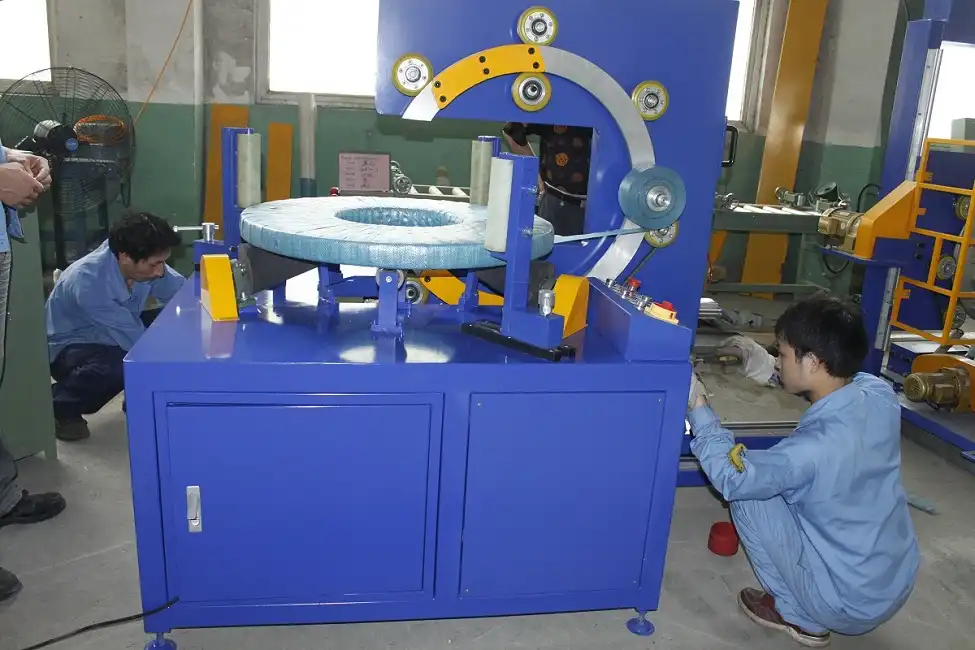
The transition from outdated packaging methods to automated systems represents one of the most impactful decisions a manufacturing facility can make. In this comprehensive comparison, we’ll explore exactly how modern solutions address the critical pain points faced by operations directors in metal processing industries worldwide.
1. How Do Efficiency Capabilities Compare Between Old and New Packing Systems?
Picture this: your workers are manually wrapping steel coils, struggling to maintain consistent tension while the production backlog grows. This inefficient process creates a domino effect that impacts your entire operation, from delayed shipments to frustrated customers. The manual approach simply cannot keep pace with modern production demands.
Modern automatic packing machines process materials 3-5 times faster than manual methods while maintaining consistent quality and requiring minimal operator intervention. Automated systems like Fengding’s coil packing equipment can handle multiple coils per hour with precision wrapping, while old-generation machines depend entirely on operator skill and endurance, resulting in unpredictable output and frequent bottlenecks. 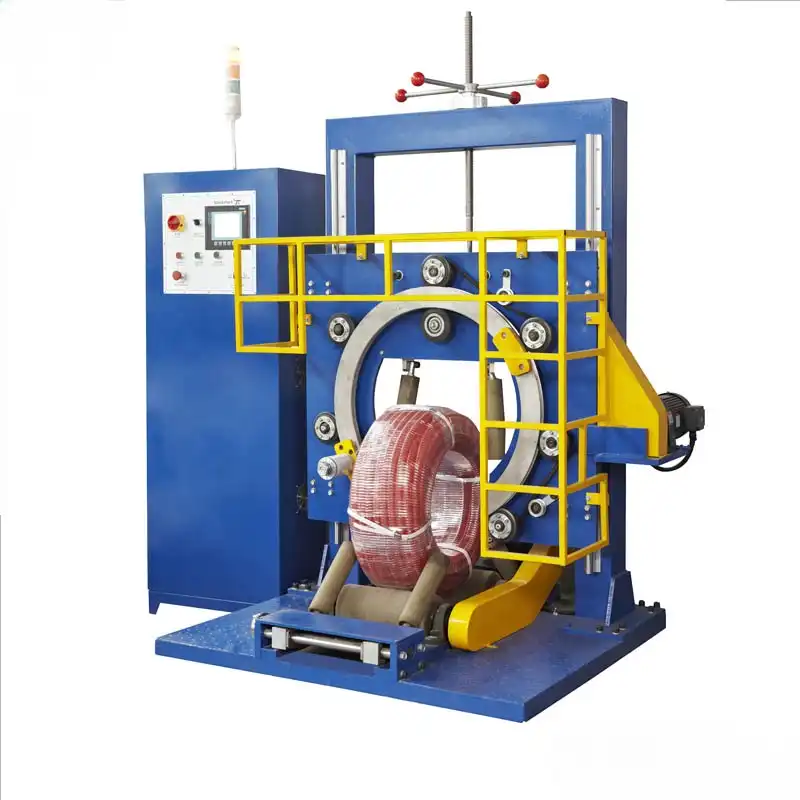
📊 Direct Performance Comparison
Let’s examine the tangible differences through a detailed comparison:
| Performance Metric | Old Generation Manual Machines | Modern Automatic Solutions |
|---|---|---|
| Processing Speed | 2-4 coils per hour | 8-15 coils per hour |
| Labor Requirement | 2-3 operators per shift | 0.5-1 operator per shift |
| Consistency Quality | Variable (operator-dependent) | Consistent (program-controlled) |
| Changeover Time | 15-30 minutes | 2-5 minutes |
| Uptime Percentage | 65-75% | 90-95% |
🚀 Key Efficiency Advantages of Modern Systems
Programming Flexibility allows modern machines to adapt to different coil sizes and packaging specifications with simple parameter adjustments. Unlike manual systems that require physical adjustments and operator retraining, automated solutions store multiple configuration profiles that can be activated instantly.
Integrated Material Handling systems within modern packaging solutions eliminate the need for manual coil positioning and rotation. Advanced models from Fengding incorporate intelligent positioning technology that automatically centers and secures coils, reducing handling time by up to 70% compared to traditional methods.
Continuous Operation Capability enables automated packing systems to run 24/7 with minimal supervision. This uninterrupted processing capacity directly addresses the throughput bottlenecks that plague facilities using older equipment, particularly during peak production periods or when facing tight delivery deadlines.
Data Monitoring and Reporting features in contemporary packing machines provide real-time production metrics, allowing managers like Michael to identify inefficiencies and optimize processes. This data-driven approach contrasts sharply with the guesswork often associated with manual packaging operations. (automated coil packaging systems, intelligent packaging equipment efficiency)
2. Which System Offers Better Safety Features for Workers?
Consider the physical toll on your team as they manually handle heavy coils day after day. The risk of back injuries, crushed fingers, and muscle strains creates not just human suffering but also operational disruptions through workers’ compensation claims and high employee turnover. These safety concerns keep operations directors awake at night.
Modern automatic packing systems eliminate the most dangerous manual handling tasks by incorporating comprehensive safety interlocks, ergonomic designs, and hands-free operation protocols. Advanced safety features like light curtains, emergency stop systems, and automated material handling significantly reduce workplace injury risks compared to old-generation machines that require direct worker interaction with moving parts and heavy loads. 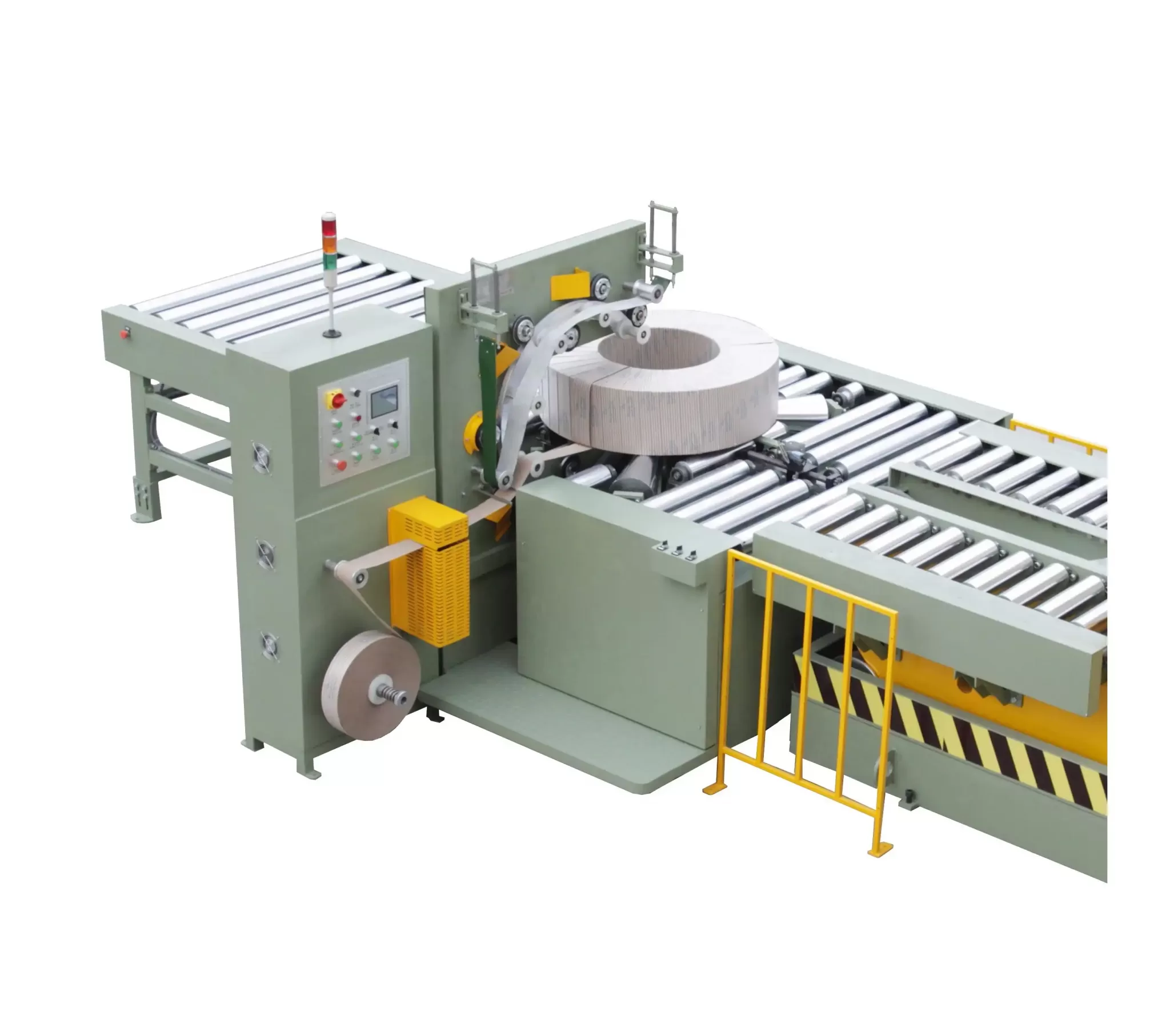
🛡️ Safety Feature Breakdown
🔒 Physical Hazard Protection
- Guarding Systems: Modern machines feature fixed and interlocked guards that prevent access to pinch points and moving components
- Emergency Stop Circuits: Multiple strategically placed E-stop buttons allow immediate shutdown in hazardous situations
- Two-Hand Control: Requires operators to use both hands simultaneously for certain functions, keeping them clear of danger zones
👨🔬 Ergonomic Improvements
- Height-Adjustable Interfaces: Control panels and monitoring stations positioned to minimize bending and stretching
- Noise Reduction Engineering: Sound-dampening materials protect workers from hearing damage in industrial environments
- Vibration Isolation: Advanced mounting systems reduce transmitted vibration that can cause long-term health issues
🧠 Intelligent Safety Systems
- Presence Sensing: Laser scanners and light curtains detect personnel in restricted areas and automatically halt machine operation
- Load Monitoring: Sensors detect abnormal forces that could indicate jamming or other hazardous conditions
- Predictive Maintenance Alerts: Advanced diagnostics warn of potential component failures before they create dangerous situations
📈 Safety Performance Metrics
Factories that have upgraded from manual to automated packing systems typically report:
- 60-80% reduction in packaging-related injuries
- 40% decrease in workers’ compensation claims
- Significant improvement in safety audit scores
- Enhanced employee morale and retention
The comprehensive safety engineering in modern packaging equipment from manufacturers like Fengding and Wuxi Buhei directly addresses the concerns of safety-conscious operations directors who cannot afford workplace accidents. (industrial packaging safety standards, automated material handling injury prevention)
3. What Are the True Cost Implications Over Equipment Lifetime?
When you’re considering new equipment, the initial price tag often dominates the conversation. But this narrow focus can be misleading—the true cost of packaging machinery extends far beyond the purchase price and includes ongoing operational expenses that accumulate over years of use. For budget-conscious managers, understanding this total cost of ownership is essential.
Modern automatic packing machines typically deliver a 12-24 month ROI despite higher initial investment, thanks to dramatic reductions in labor costs, product damage, and operational downtime. While old-generation manual machines appear cheaper upfront, their higher ongoing operational expenses and limited capabilities often make them more expensive over a 3-5 year period when all factors are considered. 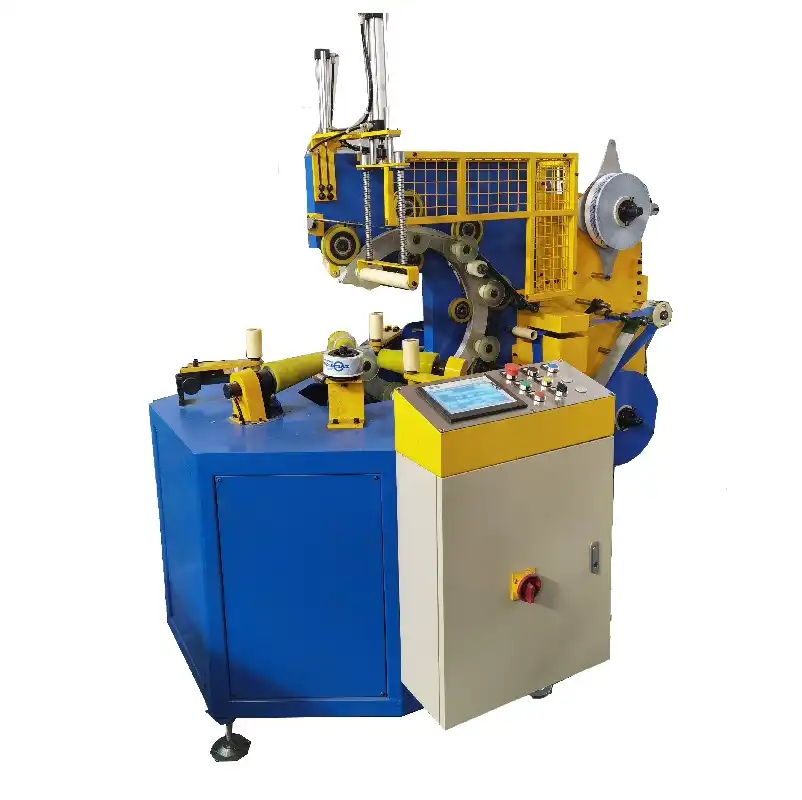
💰 Total Cost of Ownership Analysis
📥 Initial Investment Components
- Equipment Purchase Price: Modern automated systems cost 1.5-2.5x more than basic manual machines
- Installation and Commissioning: Professional installation ensures optimal performance and safety
- Operator Training: Comprehensive training programs for efficient system operation
- Spare Parts Inventory: Initial stock of critical components to minimize future downtime
🔄 Ongoing Operational Costs
- Labor Expenses: The most significant difference—automated systems require 60-80% less labor
- Energy Consumption: Modern efficient drives and motors reduce power requirements by 15-30%
- Maintenance and Repairs: Predictive maintenance capabilities prevent costly breakdowns
- Product Damage: Consistent automated handling reduces damage rates from 3-5% to under 0.5%
- Consumables Usage: Precision control systems optimize film/strap usage, reducing waste
📊 5-Year Cost Comparison Example
Let’s examine a typical scenario for a medium-sized metal processing facility:
| Cost Category | Manual Packing System | Automatic Packing System |
|---|---|---|
| Initial Investment | $50,000 | $120,000 |
| Annual Labor (2 shifts) | $80,000 | $20,000 |
| Annual Product Damage | $15,000 | $2,000 |
| Annual Maintenance | $5,000 | $8,000 |
| 5-Year Total | $350,000 | $218,000 |
🏆 ROI Calculation Factors
Labor Cost Reduction represents the most significant savings, with automated systems requiring just 25-40% of the workforce needed for manual operations. For facilities running multiple shifts, these savings quickly offset the higher initial investment.
Product Damage Minimization directly impacts profitability by reducing scrap rates and customer returns. Modern systems handle materials with consistent care, while manual processes inevitably introduce variability that leads to damage.
Production Capacity Increase generates additional revenue by eliminating packaging bottlenecks. The higher throughput of automated systems allows facilities to accept more orders without expanding physical space or adding significant labor.
Regulatory Compliance benefits come from reduced safety incidents and improved working conditions, which lower insurance premiums and prevent costly regulatory fines. (packaging equipment return on investment, automated packing system cost analysis)
4. How Does Technology Integration Differ Between Generations?
Think about the last time you needed production data from your packaging department. With old equipment, you likely had to manually compile reports from paper logs or estimate based on partial information. This lack of integration creates blind spots in your operational visibility and hampers continuous improvement efforts.
Modern automatic packing systems feature comprehensive Industry 4.0 capabilities including IoT connectivity, data analytics, and remote monitoring, while old-generation machines operate as isolated islands with minimal data collection or external communication. Contemporary systems transform packaging from a standalone process into an integrated component of the smart factory ecosystem, providing unprecedented visibility and control.
🔌 Connectivity and Integration Capabilities
📡 Communication Protocols
- OPC UA: Standardized data exchange for seamless integration with SCADA and MES systems
- Ethernet/IP: Real-time communication with other factory equipment and control systems
- Cloud Connectivity: Remote monitoring and data analytics through secure web interfaces
- Mobile Access: Real-time alerts and performance data accessible via smartphones and tablets
💾 Data Collection and Analytics
- Production Metrics: Automatic tracking of units processed, cycle times, and efficiency rates
- Quality Monitoring: Continuous assessment of packaging consistency and material usage
- Maintenance Logging: Detailed records of component performance and service requirements
- Energy Consumption: Real-time monitoring of power usage with efficiency recommendations
🏭 Smart Factory Integration Benefits
Production Planning Synchronization allows packaging operations to automatically adjust to changes in upstream manufacturing schedules. Modern systems receive production orders directly from factory management systems and prepare accordingly.
Predictive Maintenance capabilities analyze equipment performance data to identify potential issues before they cause unplanned downtime. This contrasts sharply with old-generation machines that typically operate until failure occurs.
Remote Diagnostics and Support enable technical experts to assess system performance and troubleshoot issues without traveling to your facility. This capability dramatically reduces resolution times for technical problems.
Performance Benchmarking provides comparative data across multiple facilities or production lines, highlighting opportunities for improvement and best practice sharing.
🔄 Technology Adoption Roadmap
For operations directors considering the transition from old to new packaging technology, we recommend this phased approach:
- Assessment Phase: Document current process limitations and establish improvement targets
- Selection Phase: Evaluate potential solutions based on integration capabilities and scalability
- Implementation Phase: Phased rollout with comprehensive training and change management
- Optimization Phase: Continuous improvement through data analysis and process refinement
Manufacturers like Fengding have developed particularly advanced integration capabilities in their recent equipment generations, making them ideal partners for facilities embarking on digital transformation journeys. (Industry 4.0 packaging solutions, smart manufacturing equipment integration)
Conclusion
Upgrading to modern automatic packing solutions delivers transformative improvements in efficiency, safety, and profitability compared to outdated manual systems. For operations-focused leaders, investing in advanced steel coil packing line technology represents one of the highest-return decisions available today.


