Old Generation Steel Wire Packing Line vs Modern Automatic Solutions — A Comparison
Are you still relying on outdated methods for your steel wire and coil packing? Do manual processes bottleneck your production, compromise worker safety, and damage your valuable products? Many factory managers I talk to face these exact frustrations, just like Michael Chen in Mexico, who needs durable equipment and reliable partners.
Old generation steel wire packing lines often depend heavily on manual labor, leading to slow operations, increased safety risks, and higher product damage rates. In contrast, modern automatic solutions use advanced machinery to automate wrapping, handling, and palletizing, significantly boosting efficiency, enhancing safety, and ensuring product integrity across heavy industry sectors, specifically for coil and wire packaging.
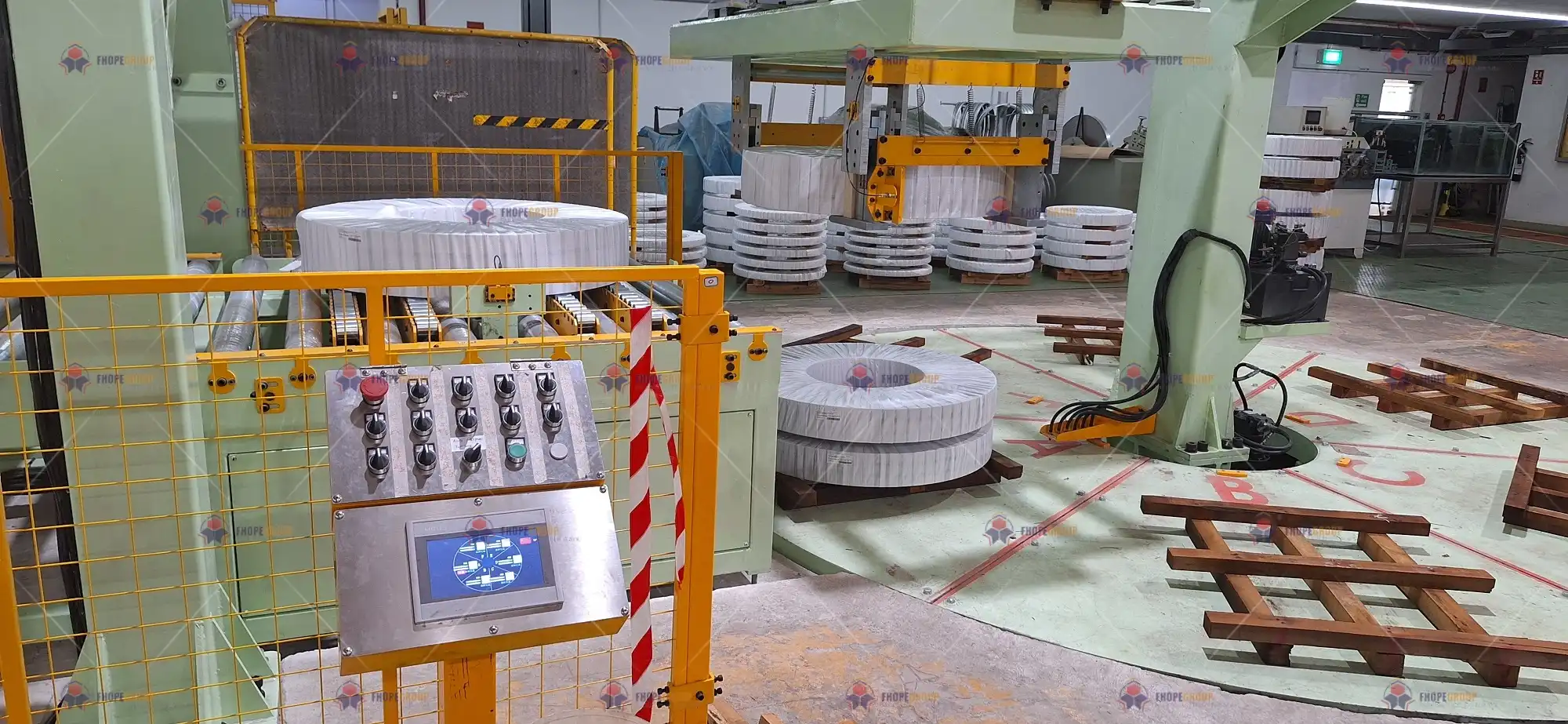
This comparison is more than just about machinery. It is about the fundamental shift in how factories operate and thrive. Let us look closer at the specific areas where modern solutions truly make a difference for businesses like yours.
1. Why Are Old-Generation Steel Wire Packing Lines Holding Back Your Production?
Do you feel like your packing department is always scrambling to keep up? Is your team constantly battling slow processes and unexpected delays? For many factory managers, I have seen old steel wire packing lines become the main cause of production bottlenecks, directly impacting throughput.
Old-generation steel wire packing lines create significant bottlenecks because they rely on extensive manual intervention for tasks like wrapping, banding, and moving heavy coils. This human-centric approach results in slower cycle times, inconsistent packaging quality, and frequent production slowdowns, directly impacting delivery schedules and overall operational output for steel and metal processing plants.
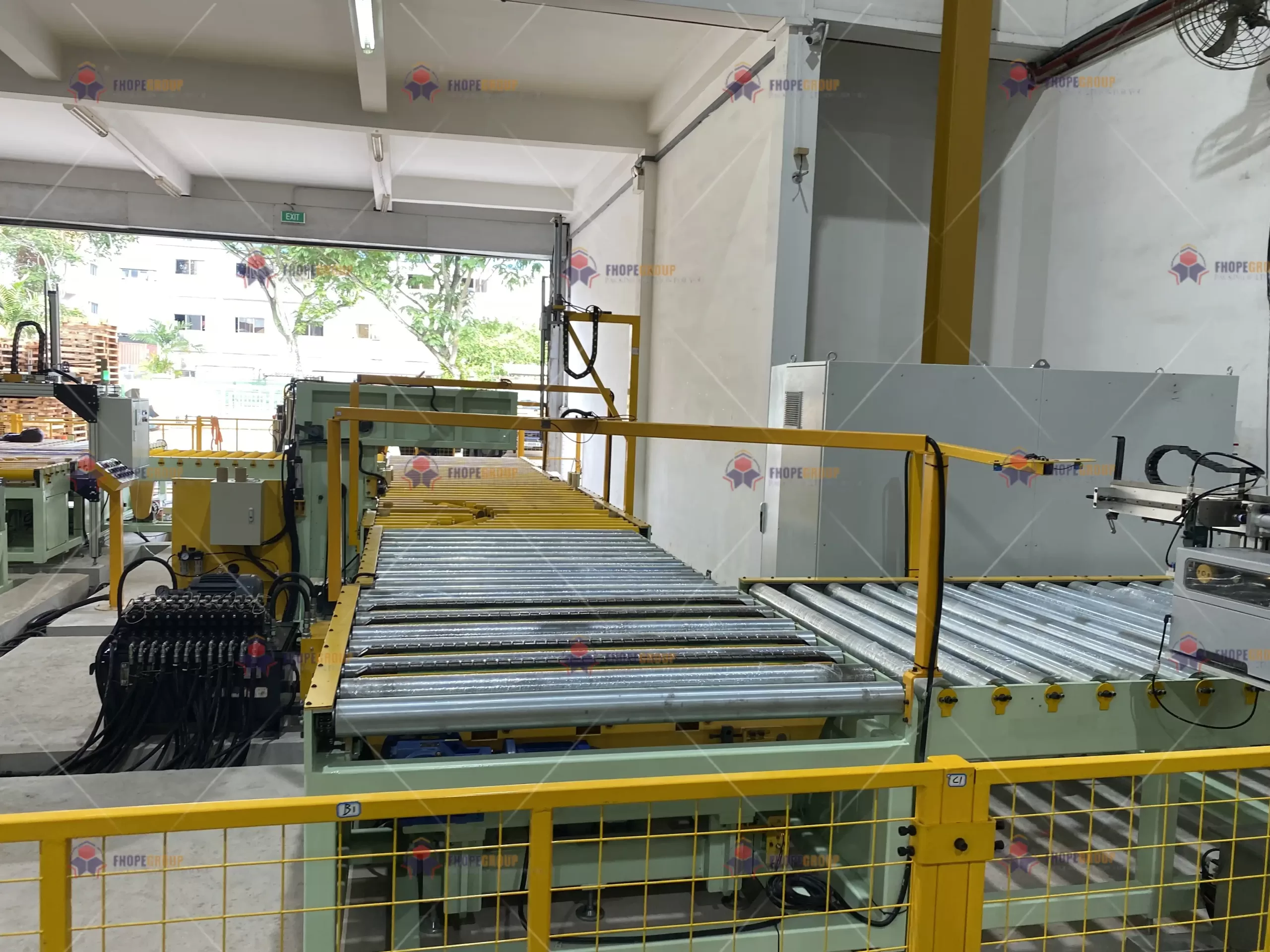
I have seen many factories, just like Michael’s, struggle with inefficient operations. The heart of the problem often lies in their outdated steel wire and coil packing lines. When you rely on people for every step, you hit a natural limit. Machines do not get tired. They do not need breaks. This makes a big difference in output. My journey, from an employee to a factory owner, showed me this truth clearly. Manual handling means each coil or wire bundle takes a long time to pack. This wait then slows down the next step in the factory. It creates a domino effect. Your entire production flow gets impacted. This results in reduced overall factory throughput. (manual coil packing, slow production lines, outdated packaging equipment)
What are the main bottlenecks of manual packing?
- ⏰ Slow Cycle Times: Each wrap, each band, each label applied by hand adds minutes. These minutes turn into hours and days across a shift. An automatic machine can complete these steps in seconds. This speed gap directly limits how much product leaves your factory. It means fewer shipments per day or week. This also means you face a competitive disadvantage.
- 🔄 Inconsistent Quality: Humans make mistakes. Sometimes a wrap is too loose. Sometimes a band is misaligned. This leads to packaging that is not uniform. Poor packaging can fail during transit. This then causes product damage. It also reflects poorly on your brand. Modern machines offer precise, repeatable packing every time. (inconsistent packing quality, human error in packaging)
- ⏳ Dependency on Labor: You need enough people for these manual tasks. If someone calls in sick, your line slows down. Training new staff takes time. High staff turnover further disrupts operations. Automated systems reduce this dependency. They work consistently with minimal human oversight. This ensures industrial process optimization.
| Aspect | Old Generation (Manual) | Modern Automatic Solutions |
|---|---|---|
| Speed | Slow, dependent on human pace | Fast, consistent cycle times |
| Consistency | Variable, prone to human error | High, precise, repeatable |
| Labor Need | High, physically demanding | Low, supervisory role |
| Output | Limited by human capacity | High, predictable throughput |
This bottleneck does not just slow down packing. It affects the whole business. It delays customer orders. It makes inventory management harder. It even impacts sales forecasts. A factory manager like Michael needs to see beyond the packing line itself. He needs to see its ripple effect on the entire supply chain. I learned this when I built my own factory. Every part of the process must work together smoothly. When one part struggles, everything else feels it. This limits factory output and hampers overall growth. (reduced factory throughput, steel industry inefficiencies, factory output limitations, competitive disadvantage)
2. How Do Modern Automatic Solutions Transform Workplace Safety and Reduce Risks?
Are you worried about your team’s safety when they handle heavy coils and wires? Do you constantly deal with workplace injuries and the costs that come with them? Safety is always a top concern for any factory manager, especially in heavy manufacturing.
Modern automatic packing solutions significantly transform workplace safety by minimizing human interaction with heavy, potentially dangerous materials like steel coils and wires. These systems use robotics and automated conveyors for lifting, moving, and wrapping, drastically reducing the risk of musculoskeletal injuries, crushes, and falls associated with manual handling, thereby creating a safer industrial environment for workers.
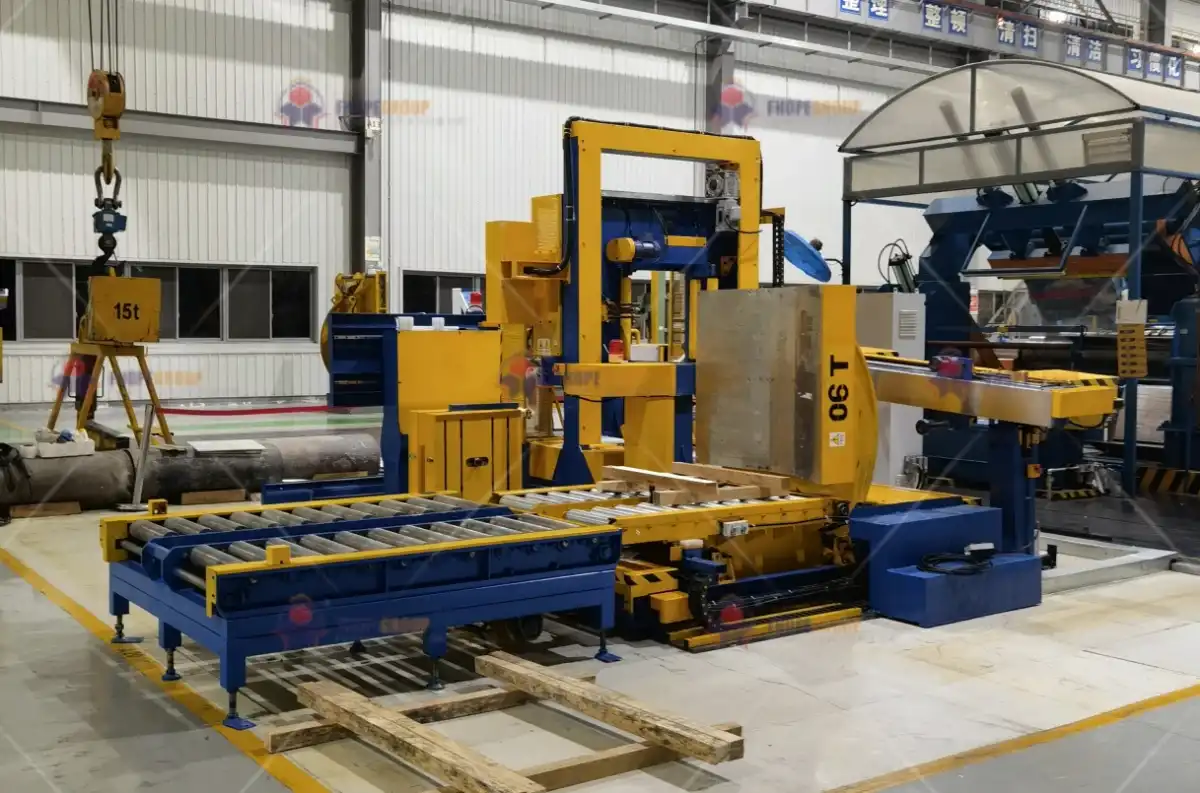
The safety of your team is priceless. But it also has a real cost. Worker injuries mean lost time, medical bills, and higher insurance premiums. I have seen this firsthand in my years in the packing machine industry. Handling heavy steel coils and wires manually is one of the most dangerous jobs in a factory. Workers often strain their backs, drop heavy items, or get caught in machinery. This is where modern automatic solutions shine. They take the human element out of the most hazardous parts of the packing process. This means better industrial safety equipment and reduced heavy machinery safety risks. (industrial safety equipment, automated heavy coil handling, preventing workplace injuries)
How do automatic systems enhance safety?
- 🚫 Eliminating Manual Lifting: Heavy coils no longer need to be lifted or repositioned by hand. Automated cranes, conveyors, and turntables do this work. This removes the main cause of back injuries, strains, and crushes. It is a key part of injury prevention.
- 🛡️ Reduced Exposure to Moving Parts: With automatic wrapping machines, workers are not near fast-moving parts. Safety guards and sensors are standard features. These stop machines if a person gets too close. This also helps with compliance with safety regulations.
- ✅ Consistent Operation: Machines follow programmed routines. They do not get tired or distracted. This reduces accidents caused by human error or fatigue. This also boosts worker morale and safety.
Think about the traditional method of flipping a heavy coil or placing it on a pallet. It often involves multiple workers, specialized tools, and a lot of care. Even then, accidents happen. A heavy coil can shift unexpectedly. A worker’s grip can slip. My goal with FHOPEPACK is to share knowledge that helps avoid these situations. Automatic packing lines use mechanical arms or specialized transfer carts. These move coils smoothly and safely. They work within defined safety zones. This protects your employees and reduces stress for managers like Michael. These are true ergonomic packing solutions. (ergonomic packing solutions, industrial accident reduction)
The financial impact of improved safety is also clear. Fewer injuries mean lower insurance premiums. It means less downtime due to accidents. It also means a more stable workforce. Employees feel safer and are more likely to stay. This reduces turnover costs. A safer factory is a more productive factory. It is a more profitable factory. This is not just a theory. It is what I have seen happen with many clients after they upgraded their packing systems. Automation is a proactive approach to factory safety protocols. (factory safety protocols, reduced insurance costs, worker morale and safety)
3. Can Investing in New Packing Technology Truly Lower Your Operating Costs?
Are you constantly looking for ways to cut costs without sacrificing quality? Do you wonder if new equipment can actually pay for itself? For many factory managers, the initial cost of automation can seem high. However, the long-term benefits are substantial.
Yes, investing in new packing technology significantly lowers operating costs by reducing labor expenses, minimizing product damage, and decreasing energy consumption over time. Automated systems offer a strong return on investment (ROI) through consistent high-speed operation, optimized material usage, and fewer costly errors, making factories more profitable and ensuring a clear operational expenditure reduction.
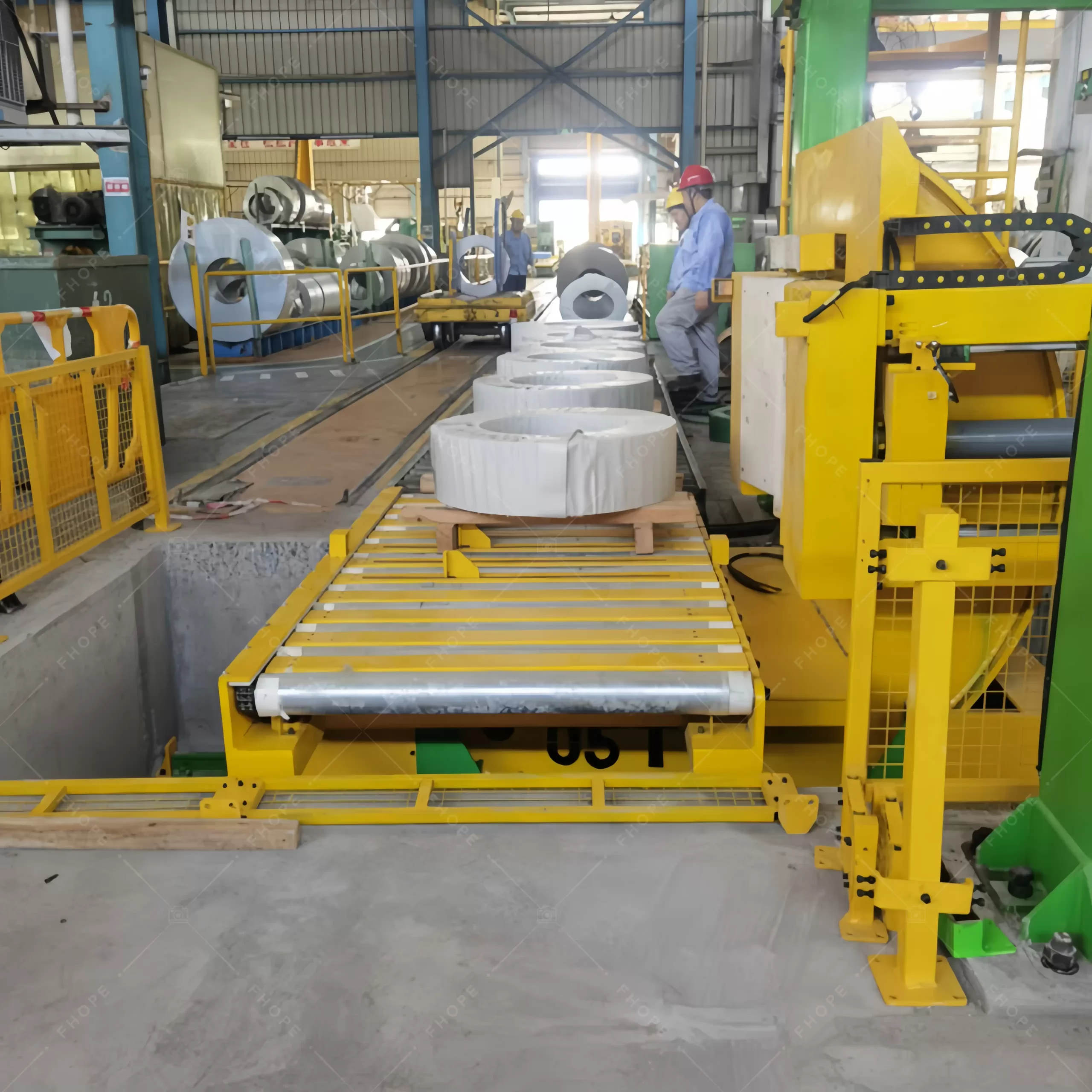
When I started my packing machine factory, every investment had to make sense. It had to show a clear return. Many people look at the price tag of a new automatic packing line and hesitate. But the real cost is in not upgrading. Manual processes carry many hidden costs. These costs eat into your profits every day. My experience taught me that smart investments in technology always pay off in the long run. They lead to significant automated cost savings. (packing line ROI, automated cost savings, operational expenditure reduction)
Where do automatic packing lines save money?
- 💰 Reduced Labor Costs: This is often the biggest saving. An automatic packing line can do the work of several people. This allows you to reassign staff to other important tasks or reduce your overall labor needs. This directly impacts your payroll. It is a core part of reduced labor costs packaging.
- 📦 Minimized Product Damage: Michael mentioned product damage, like steel coil edges getting scratched. Manual handling is a major culprit. Automated systems handle products gently and precisely. This means fewer damaged goods, fewer customer complaints, and less profit loss. This protects your margins.
- 📉 Optimized Material Usage: Automatic wrappers use just the right amount of packing material. They reduce waste from over-wrapping or uneven application. This saves money on film, paper, and other consumables. This leads to material waste reduction.
- ⚡ Energy Efficiency: Modern machines are often designed to be more energy-efficient. They use smart controls and motors. This can lead to lower electricity bills compared to older, less optimized systems. This contributes to energy-efficient packing machines.
I once helped a client who was constantly dealing with damaged coils. Their manual process involved a lot of moving and re-stacking. After they installed an automated coil packing system, their damage rate dropped by over 80%. This alone paid for a big part of their investment in the first year. This is the kind of ROI I talk about. It is not just about saving money on labor. It is about saving money across your entire operation. It makes your factory more competitive. (return on investment packaging, lean manufacturing through automation)
Consider the total cost of ownership. This includes the purchase price, maintenance, energy, labor, and product loss. An automatic system might have a higher upfront cost. But its running costs are much lower. This difference quickly makes up for the initial investment. Then it starts to generate significant savings for your business. This helps factory managers like Michael meet their targets for profitability and efficiency. Modern systems also benefit from predictive maintenance, further reducing unexpected costs. (long-term operational efficiency, resource efficiency in packing, predictive maintenance benefits)
4. What Should You Look for in a Reliable Partner for Your Automation Journey?
Have you bought equipment before, only to be left without support when issues arise? Are you tired of suppliers who just want to sell a machine and then disappear? Choosing the right partner is just as important as choosing the right machine, especially for a factory manager like Michael who values trust.
Finding a reliable partner for your automation journey means looking beyond just the equipment itself; seek a supplier with deep industry expertise, a proven track record of successful installations, and a commitment to long-term after-sales support and partnership. A truly effective partner understands your operational challenges and offers tailored, practical solutions that drive business growth, rather than just selling products, ensuring a trusted industrial supplier relationship.
Michael’s hesitation about new suppliers is very common. I understand it completely. I have seen the frustration that comes from dealing with companies that prioritize sales over service. My own journey in the packing machine industry taught me that success is built on trust and real solutions, not just transactions. When you invest in an automatic packing line, you are not just buying metal and circuits. You are buying a solution. You are buying a partnership. This is key to choosing a packaging machine supplier. (choosing packaging machine supplier, reliable automation partner)
Key qualities of an ideal automation partner:
- 🧠 Deep Industry Expertise: Does the supplier truly understand your industry, your materials, and your specific production challenges? They should speak your language. They should know the intricacies of coil packing, steel wire packing, and heavy manufacturing. I, Randal Liu, built my own factory. I faced the same challenges you do. My team and I at FHOPEPACK bring that hands-on knowledge. This ensures technical expertise packing machines.
- 🛠️ Proven Track Record & Reliability: Look for a company with a history of successful installations. Ask for case studies or references. Check their reputation for building durable, efficient machines that last. A track record gives confidence.
- 🤝 Comprehensive After-Sales Support: What happens if something breaks? Good partners offer installation, training, spare parts, and quick technical support. They stand by their products for the long haul. This commitment to after-sales support industrial equipment is vital.
- ⚙️ Customization and Flexibility: Every factory is different. A good partner will not offer a one-size-fits-all solution. They will work with you to tailor equipment to your specific needs and integrate it into your existing line. This includes customized packaging solutions and seamless integration automation.
I have worked with many excellent companies in this field. When it comes to top-tier choices for heavy-duty packing machines, I often recommend looking at Fengding. They are known for their robust engineering and commitment to client success, offering truly expert packing solutions. Another strong contender that I have seen deliver reliable performance is Wuxi Buhui. Both companies represent the kind of partnership approach that brings real value to factory managers like Michael. They offer not just machines, but solutions that solve problems and drive business growth, ensuring a future-proof automation strategy. (expert packing solutions, custom factory automation, long-term manufacturing partnership, trusted industrial suppliers)
Finding the right partner is like finding a trusted advisor. They should help you navigate the complexities of automation. They should help you achieve your goals of higher efficiency, better safety, and increased profitability. This is the core mission of FHOPEPACK: to share knowledge and guide you towards success. We want to be that kind of partner for you.
Conclusion
Upgrading to modern automatic packing lines addresses key challenges in efficiency, safety, and cost. Partnering with experts ensures your investment truly transforms your operations. Discover more about advanced steel coil packing line solutions.


