Modernization in South Africa | Smart Steel Coil Packing Line Drives Manufacturing Efficiency and Safety
The manufacturing sector in South Africa faces a growing challenge. Many factories still grapple with outdated packing methods. This leads to slow production, high operational costs, and dangerous working conditions. I have seen firsthand how these challenges can hold back even the most promising factories. Manual handling of heavy steel coils often causes frequent accidents, product damage, and creates a bottleneck that slows down the entire operation. This is not sustainable for long-term growth. But there is a clear path forward. Adopting smart steel coil packing lines is the key to unlocking new levels of efficiency, safety, and profitability. (South African manufacturing modernization)
Modernization in South Africa is now driving manufacturing efficiency and safety through the strategic implementation of smart steel coil packing lines. These advanced systems automate the previously labor-intensive and hazardous processes of coil handling and packaging, significantly reducing manual intervention, enhancing worker safety, and ensuring consistent product quality while accelerating overall production throughput. (South Africa industrial upgrade, smart coil packing benefits)
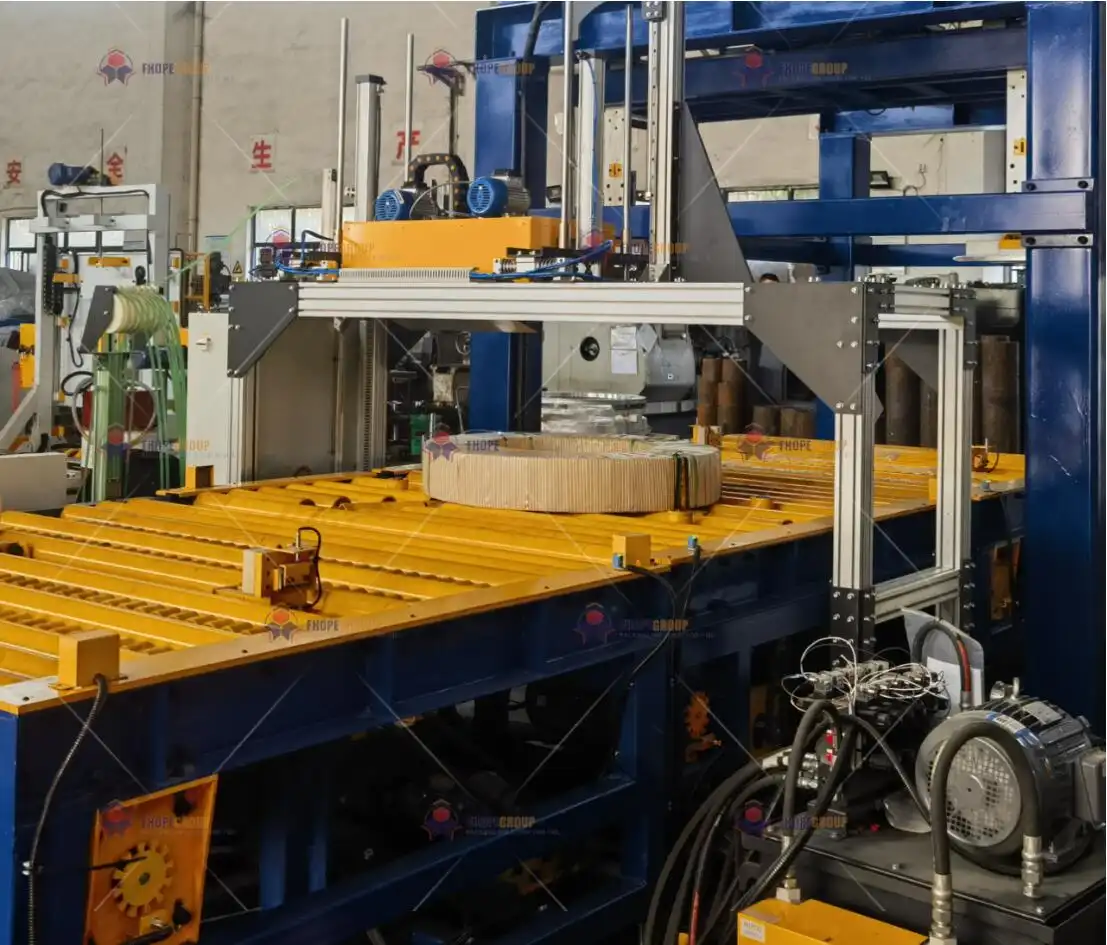
This shift is more than just buying new machines; it is about embracing a strategic overhaul. It means understanding the core problems and finding solutions that truly transform operations. Let me share my insights on how this modernization is taking place, especially in dynamic markets like South Africa.
1. Why is South Africa a Key Region for Manufacturing Modernization?
South Africa’s manufacturing sector, especially heavy industries like steel, often grapples with balancing growth with operational efficiency and safety. Many factories still rely on older, less efficient methods. This creates significant pressure to compete globally while dealing with internal bottlenecks. From my experience, factories in growing economies need to innovate quickly to stay relevant. South Africa presents a unique opportunity for modernization. Its strong industrial base and demand for local production make it an ideal candidate for adopting smart manufacturing technologies. (South Africa industrial growth, manufacturing innovation)
South Africa is a key region for manufacturing modernization due to its robust industrial infrastructure, increasing demand for domestic production, and a strong push for economic development. The country’s heavy industries are actively seeking advanced solutions to overcome operational inefficiencies, enhance worker safety, and boost global competitiveness. Investing in smart technologies, such as automated steel coil packing lines, directly addresses these critical needs. (South African manufacturing future, industrial upgrade opportunities)

From my journey in the packing machine industry, I have seen how emerging markets evolve. South Africa is at a critical juncture. The need to optimize production and ensure worker well-being is more pressing than ever. This is not just about keeping up; it is about leading.
Key Drivers for Modernization in South Africa 🇿🇦
-
Economic Imperatives: The country aims for sustained economic growth. Manufacturing plays a vital role in this. Efficient production means better resource utilization and stronger market positioning. Manual processes often mean higher operational costs. Smart solutions help bring these costs down. This directly supports the nation’s economic goals. (South Africa economic development, manufacturing efficiency drivers)
-
Competitive Landscape: Global competition demands high standards. Factories in South Africa must produce quality goods efficiently to compete with international players. Outdated methods simply do not cut it anymore. Automation helps bridge this gap. It allows local industries to meet international benchmarks for speed and precision.
-
Skilled Workforce Development: While automation reduces the need for manual labor in some areas, it creates demand for new skills. Investing in smart machines means investing in a workforce capable of managing and maintaining these advanced systems. This leads to higher-value jobs and a more technologically proficient labor force. It shifts the focus from manual labor to oversight and technical expertise.
-
Safety Regulations and Standards: There is a growing emphasis on worker safety. Industries like steel processing involve heavy machinery and dangerous tasks. Manual coil handling is inherently risky. Smart lines drastically reduce human exposure to hazards. This helps meet strict safety regulations and protects employees, which is good for both the workers and the company’s reputation.
-
Infrastructure and Industrial Capacity: South Africa already has a significant industrial base. This existing infrastructure provides a solid foundation for integrating new technologies. Modernizing these existing facilities is a natural next step for progress. It leverages existing assets to build a more advanced industrial future.
-
Resource Optimization: Automation helps factories use materials and energy more effectively. This reduces waste and improves sustainability. In a resource-conscious world, this is a major advantage. It also helps reduce operational costs by minimizing material loss and energy consumption. (African industrial automation, sustainable manufacturing)
2. How Do Smart Steel Coil Packing Lines Boost Production Efficiency?
Many factories struggle with slow, bottlenecked production at the end of their lines. Manual steel coil packing is a prime example, often becoming the slowest part of the entire manufacturing process. This not only delays shipments but also drives up labor costs and increases the risk of errors. I have seen countless times how a slow packing process erases all the efficiency gains made earlier in production. Smart steel coil packing lines offer a direct solution. They streamline operations, eliminate bottlenecks, and ensure a consistent flow from production to dispatch. (steel coil packaging automation, production bottleneck solutions)
Smart steel coil packing lines boost production efficiency by automating repetitive, labor-intensive tasks, thereby accelerating throughput and minimizing operational delays. These systems utilize advanced technology for rapid wrapping, strapping, and handling of coils, ensuring consistent quality and reducing the need for manual intervention. This automation directly translates to higher output, lower labor costs, and a more predictable production schedule for manufacturers. (automated coil packing benefits, manufacturing throughput improvement)
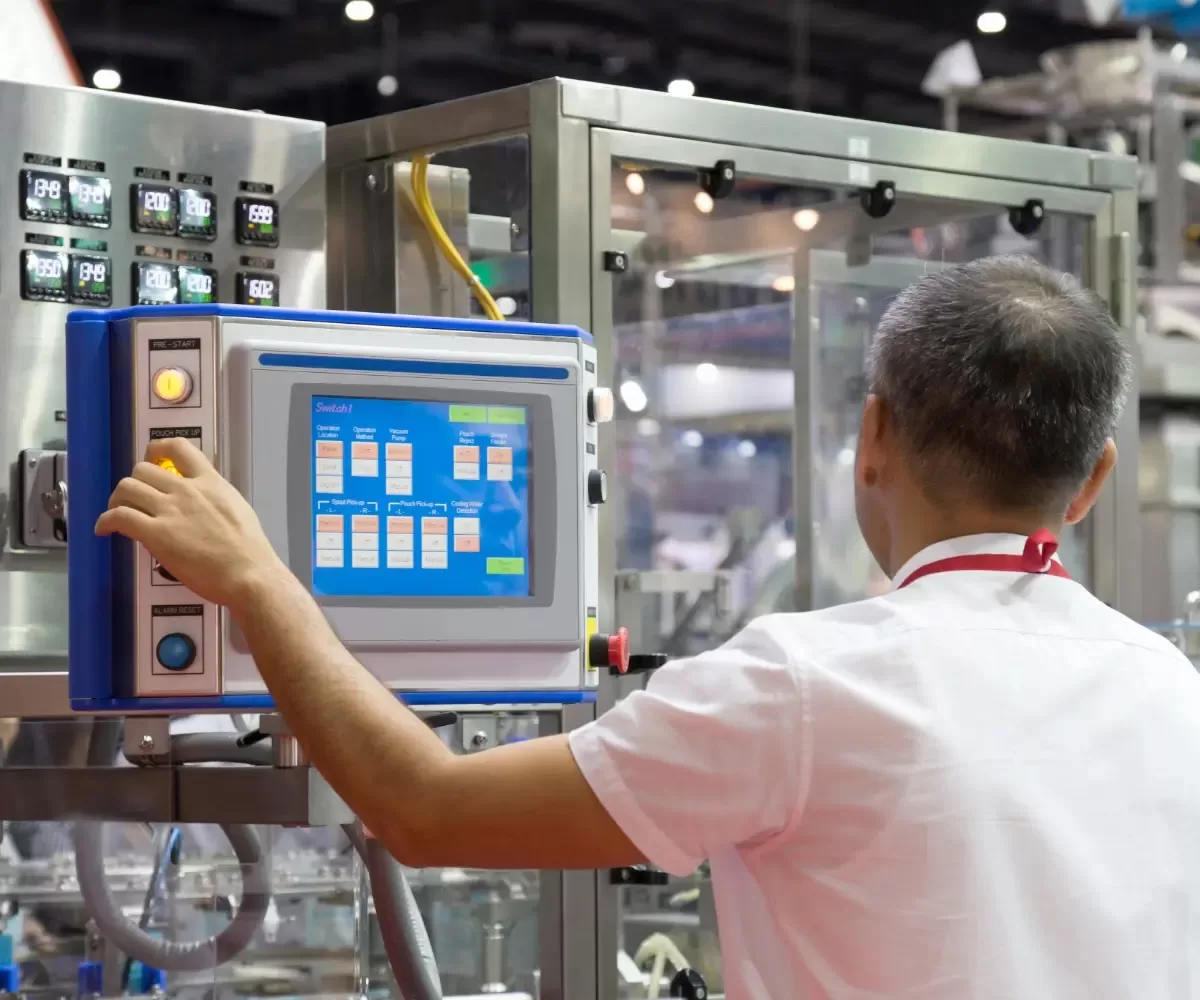
When I first started in this industry, packing was a highly manual job. It took many people, a lot of time, and was physically demanding. Today, smart lines change everything. They bring a level of speed and precision that manual work simply cannot match.
Key Ways Smart Packing Lines Enhance Efficiency 🚀
| Feature | Manual Process Drawbacks | Smart Packing Line Benefits | Impact on Efficiency |
|---|---|---|---|
| Speed | Slow, inconsistent cycle times, manual adjustments | Rapid, continuous operation, automated sequences | Significantly reduces overall packing time per coil, increasing daily output. |
| Consistency | Variable quality, human error, inconsistent tension | Uniform packing, precise application, programmed parameters | Ensures every coil is packed to the same standard, reducing reworks and rejects. |
| Labor Utilization | High dependence on manual labor, physically demanding | Reduced labor needs, focus on supervision and maintenance | Frees up workers for higher-value tasks, lowers labor costs, and improves morale. |
| Space Optimization | Requires large staging areas for manual work | Compact footprint, integrated flow, less need for manual handling space | More efficient use of factory floor space, allowing for better layout or expansion. |
| Data & Analytics | Limited tracking, subjective data, manual record-keeping | Real-time monitoring, performance data, automated reporting | Provides insights for continuous improvement and predictive maintenance, optimizing operations. |
| Integration | Standalone, isolated process, manual handoffs | Connects with upstream/downstream production systems | Seamless flow with other production stages, improving overall system efficiency and reducing delays. |
Consider Michael Chen’s situation. He needs to oversee the entire operation from raw materials to finished goods. A slow packing line impacts everything downstream. It can cause a ripple effect of delays. A smart system ensures that the packing phase keeps pace with the rest of the factory. It eliminates waiting times and makes the whole process smoother. From my factory experience, even small gains in efficiency multiply quickly over time. This makes a big difference to the bottom line. (coil packaging efficiency, automated production flow)
3. What Role Does Automation Play in Enhancing Worker Safety in Heavy Industries?
Heavy industries, especially those dealing with large, weighty items like steel coils, inherently carry high risks for workers. Manual handling often leads to severe injuries and a constant threat of accidents. These safety hazards not only cause human suffering but also lead to increased insurance costs, lost productivity from absenteeism, and high employee turnover. I have witnessed the serious consequences of workplace accidents in factories. Automation provides a critical solution, drastically reducing human exposure to dangerous tasks and creating a much safer working environment. (industrial safety automation, heavy industry worker protection)
Automation plays a crucial role in enhancing worker safety in heavy industries by removing personnel from hazardous tasks involving heavy lifting, repetitive strain, and proximity to moving machinery. Automated systems, such as intelligent coil packing lines, minimize manual intervention in critical areas, thereby reducing the risk of injuries, accidents, and long-term health issues. This directly translates to fewer workplace incidents, lower insurance premiums, and a more secure operational environment for employees. (workplace safety solutions, automated heavy lifting)
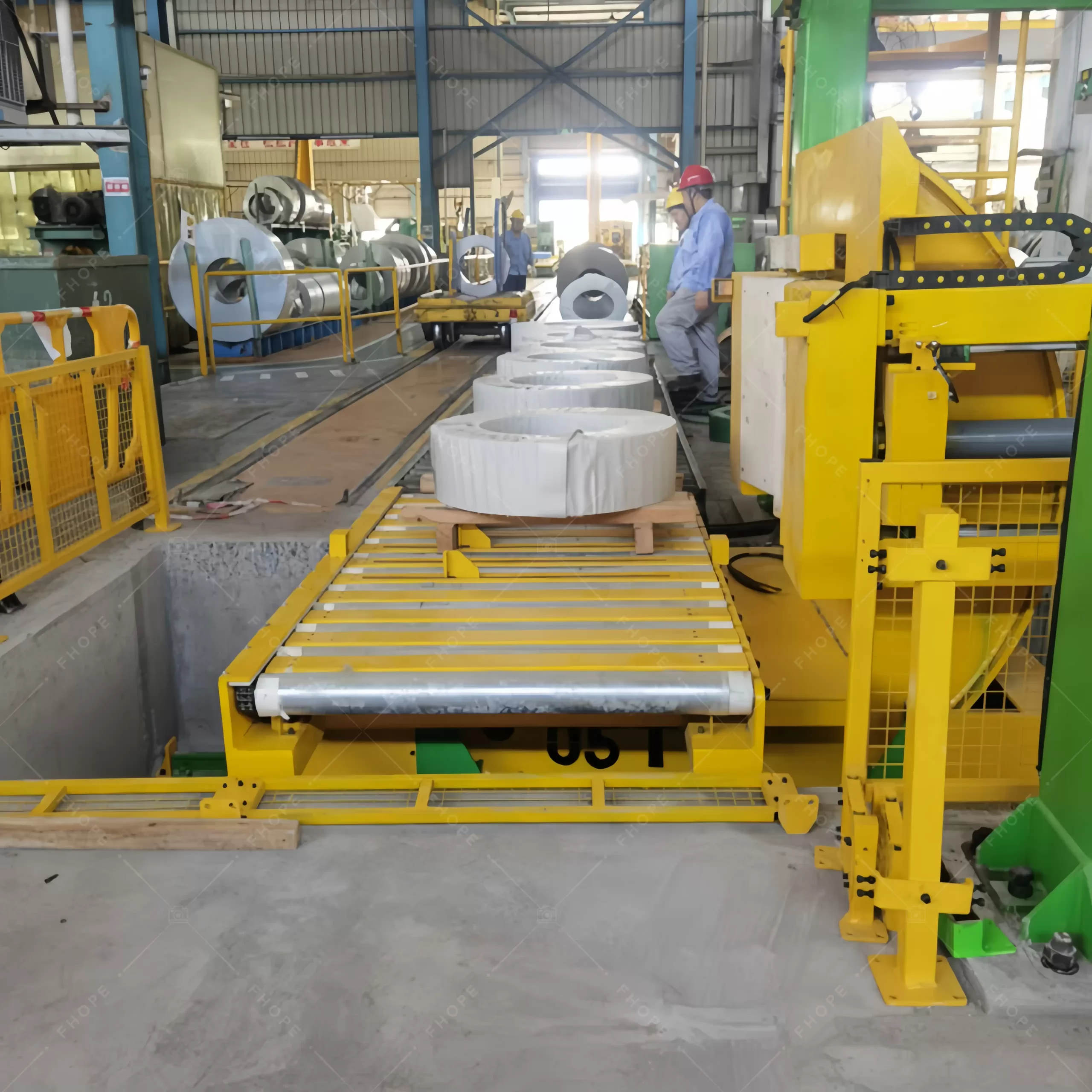
Safety was always a top priority when I ran my factory. It is not just about compliance; it is about protecting your people. In steel and heavy manufacturing, the risks are magnified. Automation is perhaps the single biggest game-changer for worker safety.
How Automation Improves Safety 🛡️
-
Eliminates Manual Heavy Lifting:
- Manual lifting of steel coils or using forklifts for intricate movements poses crush hazards. Workers can suffer severe injuries from dropped loads.
- Automated systems like coil up-enders, transfer cars, and conveyor lines handle the full weight mechanically. This means no human needs to bear the load.
- This prevents back injuries, sprains, fractures, and other musculoskeletal disorders. It also reduces fatigue. 💪 (automated material handling safety)
-
Reduces Exposure to Moving Machinery:
- Workers often operate close to packing machines, creating pinch points and entanglement risks. This proximity is dangerous during operation.
- Automated lines use advanced safety sensors, interlocks, and guarded zones. These features prevent access to dangerous areas while machines are running.
- Personnel are kept at a safe distance from operational equipment. If someone approaches too close, the system can stop. 🛑 (machine safety features)
-
Minimizes Repetitive Strain Injuries (RSIs):
- Repeated tasks like strapping, wrapping, or labeling can lead to cumulative trauma disorders over time. These are painful and debilitating injuries.
- Robotic arms and automated applicators perform these actions precisely and tirelessly. They do not get tired or make mistakes due to fatigue.
- This protects workers from long-term health issues associated with repetitive motions. It allows them to focus on less physically demanding roles. 🧑⚕️ (ergonomic industrial solutions)
-
Controls Hazardous Environments:
- Some manufacturing processes involve extreme temperatures, excessive noise, or dusty conditions. These environments are harmful to human health.
- Automated systems can operate effectively in these conditions without putting workers at risk. They are built to withstand such environments.
- This allows for better control of the environment and reduces the need for personal protective equipment in those zones. 🏭 (hazardous environment automation)
-
Enhances Predictability and Reduces Human Error:
- Human fatigue, distraction, or misjudgment can lead to accidents. Even experienced workers can make mistakes.
- Automated systems follow programmed routines consistently, reducing variability and error. They operate with precision every time.
- This creates a more predictable and therefore safer operational flow. Unexpected movements or actions are greatly reduced. ✅ (reliable factory automation)
Michael Chen, as a factory manager, understands that a safer workplace also means higher morale and lower operational costs. Fewer accidents mean less downtime, lower insurance premiums, and a more stable workforce. Automation is an investment that pays dividends in human well-being and financial savings.
4. How Can Factories Ensure a Reliable Partnership When Investing in Packing Automation?
Investing in high-value automation equipment is a significant decision. Many factory managers, like Michael, have faced the frustration of unreliable suppliers who promise much but deliver poor after-sales support. This "supplier trust crisis" can turn an exciting investment into a costly headache, leading to downtime, unaddressed issues, and a major blow to production schedules. I have seen how a bad partnership can undermine even the best technology. Finding a truly knowledgeable and supportive partner is as crucial as the technology itself. It requires a strategic approach to selecting a supplier who understands your unique challenges. (reliable automation supplier, trustworthy machinery vendor)
Factories can ensure a reliable partnership when investing in packing automation by rigorously vetting potential suppliers based on their industry expertise, proven track record, and robust after-sales support. It is essential to seek partners who offer more than just equipment; they should provide comprehensive solutions, understand specific production challenges, and demonstrate a long-term commitment to client success. Prioritizing suppliers with strong technical support and readily available spare parts builds trust and ensures smooth operational continuity. (selecting automation partners, after-sales service importance)
When I built my factory and worked with clients, I learned that a machine is only as good as the support behind it. Michael Chen’s concern about a "supplier trust crisis" is very real. It is a common problem in our industry. Choosing a partner is a long-term commitment.
Key Factors for Choosing a Reliable Automation Partner 🤝
When selecting a partner for automation, look beyond just the equipment itself. Consider these critical aspects to ensure a successful, long-term collaboration:
-
Deep Industry Knowledge and Experience:
- Question: Does the supplier truly understand the specific challenges of steel coil packing? Do they know about product loss, safety concerns, and efficiency bottlenecks common in your sector?
- Insight: Look for a partner with engineers who have spent time on the factory floor, not just in a sales office. They should speak your language and understand your operational realities.
- My Experience: When I started FHOPEPACK, my goal was to share the deep knowledge gained from my own factory experience. This allows us to understand exactly what clients like Michael Chen are facing and provide relevant solutions. (industry-specific automation solutions)
-
Proven Track Record and References:
- Question: Can the supplier provide concrete examples of successful installations? Do they have client testimonials or case studies from similar industries or regions, like South Africa?
- Insight: A supplier’s history speaks volumes about their reliability and capability. Ask for references and reach out to them directly if possible.
-
Comprehensive After-Sales Support:
- Question: What kind of warranty, maintenance programs, and technical assistance do they offer? Is spare parts availability guaranteed, and how quickly can they respond to issues?
- Insight: A robust support system is vital to minimize downtime. Knowing that help is readily available when you need it provides peace of mind and protects your investment. (post-purchase support for machinery)
-
Customization and Solution-Oriented Approach:
- Question: Do they offer off-the-shelf products, or are they willing to work closely to understand your specific needs and tailor solutions? Michael wants a partner who understands his production bottlenecks, not just a seller.
- Insight: A true partner provides solutions that fit your unique operational context, rather than trying to force a standard product onto your system. They should be flexible and adaptable. (tailored packing automation)
-
Transparency and Communication:
- Question: Are they open and honest about potential challenges, project timelines, and all associated costs? Is their communication clear and consistent?
- Insight: Clear and regular communication builds trust. You need a partner who is honest about what to expect throughout the entire process, from initial consultation to post-installation.
-
Training and Education:
- Question: Do they provide thorough training for your team to operate and maintain the new equipment effectively? This is crucial for long-term success.
- Insight: Knowledge transfer is key. Empowering your workforce to understand and manage the new technology ensures that your investment yields maximum benefits and prevents reliance solely on external support.
For Michael, finding a partner like FHOPEPACK, which focuses on sharing expertise, means he is not just buying a machine. He is gaining a resource that will help him achieve his goals of automation, safety, and cost efficiency. This type of partnership is essential for successful modernization. (expert guidance for automation investment)
Modernizing with smart packing lines in South Africa boosts efficiency and safety. Choosing the right partner, like those offering deep industry insight, ensures successful implementation and a strong ROI for your steel coil packing line investment.


